

Overcoming Equestrian Anxiety: How NLP Can Enhance Your Relationship with Your Horse
Anxiety is not just a subtle annoyance; it is a prevalent issue in the world of horse riding, affecting both riders and horses alike. This blog aims to guide you through understanding equestrian anxiety, how it affects your performance, and how Neuro-Linguistic Programming (NLP) can transform the way you connect with your horse.
Understanding Equestrian Anxiety
Equestrian anxiety manifests in various forms, such as competition anxiety—a blend of somatic anxiety, concern, and decreased concentration. These pressures can vary across disciplines and levels, with higher-level equestrians typically experiencing lower somatic anxiety compared to their lower-level counterparts [1]. Does this resonate with you? Dressage enthusiasts often find their concern scores are sky-high, potentially impacting their bond with their horse [4].
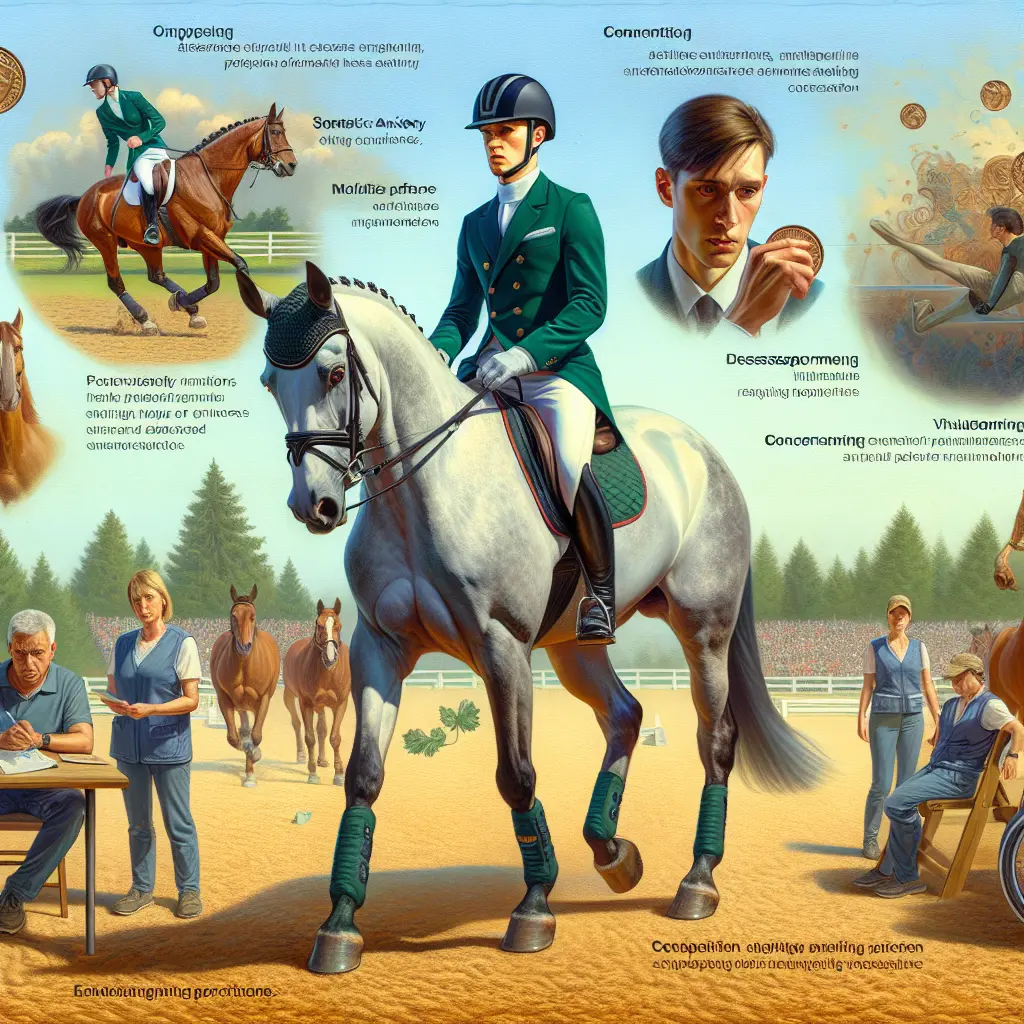
Evaluating the Mental Health of Equestrian Workers
The mental health of equestrian workers, including grooms, is a significant concern, with a survey revealing high anxiety (65%) and depression (55%) amongst them due to less-than-ideal working conditions [3]. A healthy environment is essential for productivity and positive outcomes in equine activities.
The Role of Horses in Anxiety
Horses, as prey animals, are meticulously attuned to their surroundings, demonstrating fear and anxiety through subtle cues often overlooked by their caregivers. Such oversight can lead to stress and horse welfare issues. It's critical to recognize these signs for a harmonious bond with your equine friend [2].
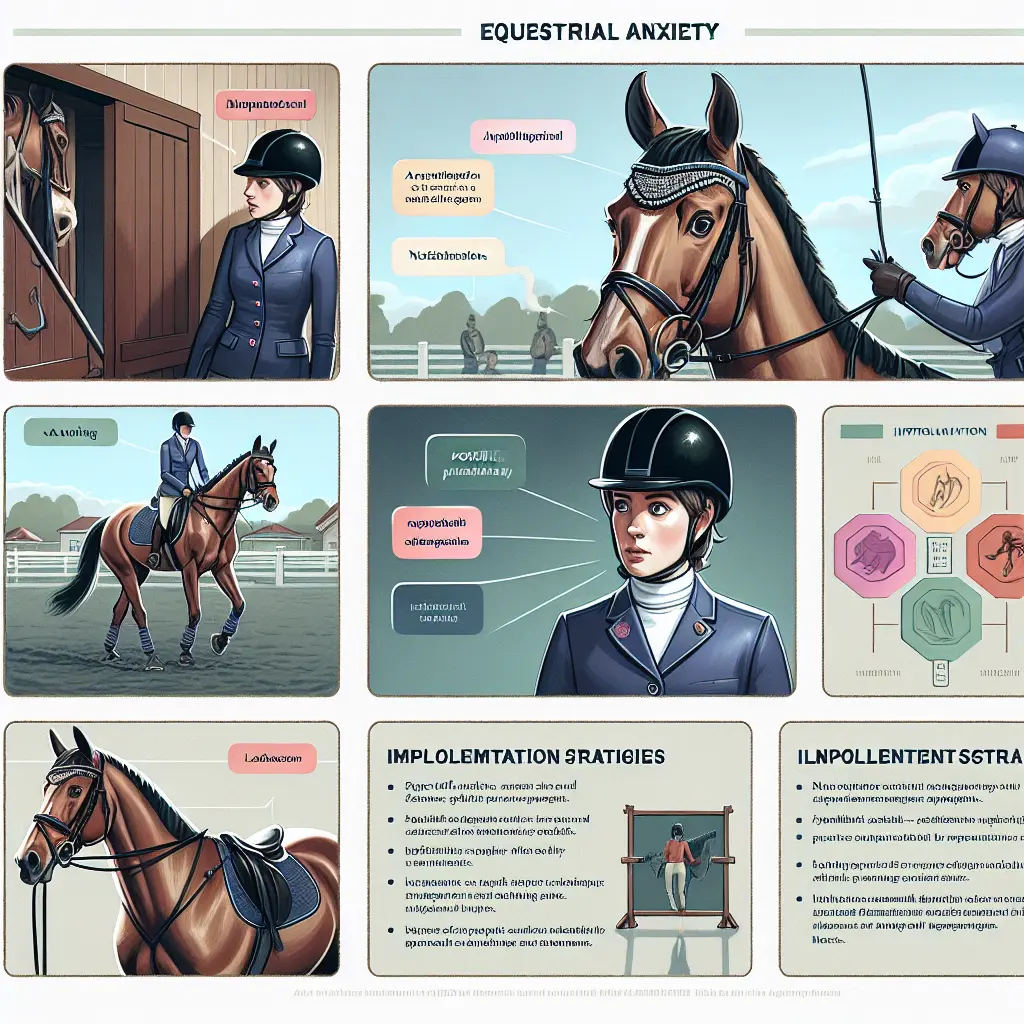
NLP as a Game-Changer in Equestrian Sports
Enter NLP as a powerful tool for managing anxiety in equestrians, offering strategies to enhance performance and the way riders connect with their horses. But how exactly can it help?
Enhancing Self-Confidence with NLP
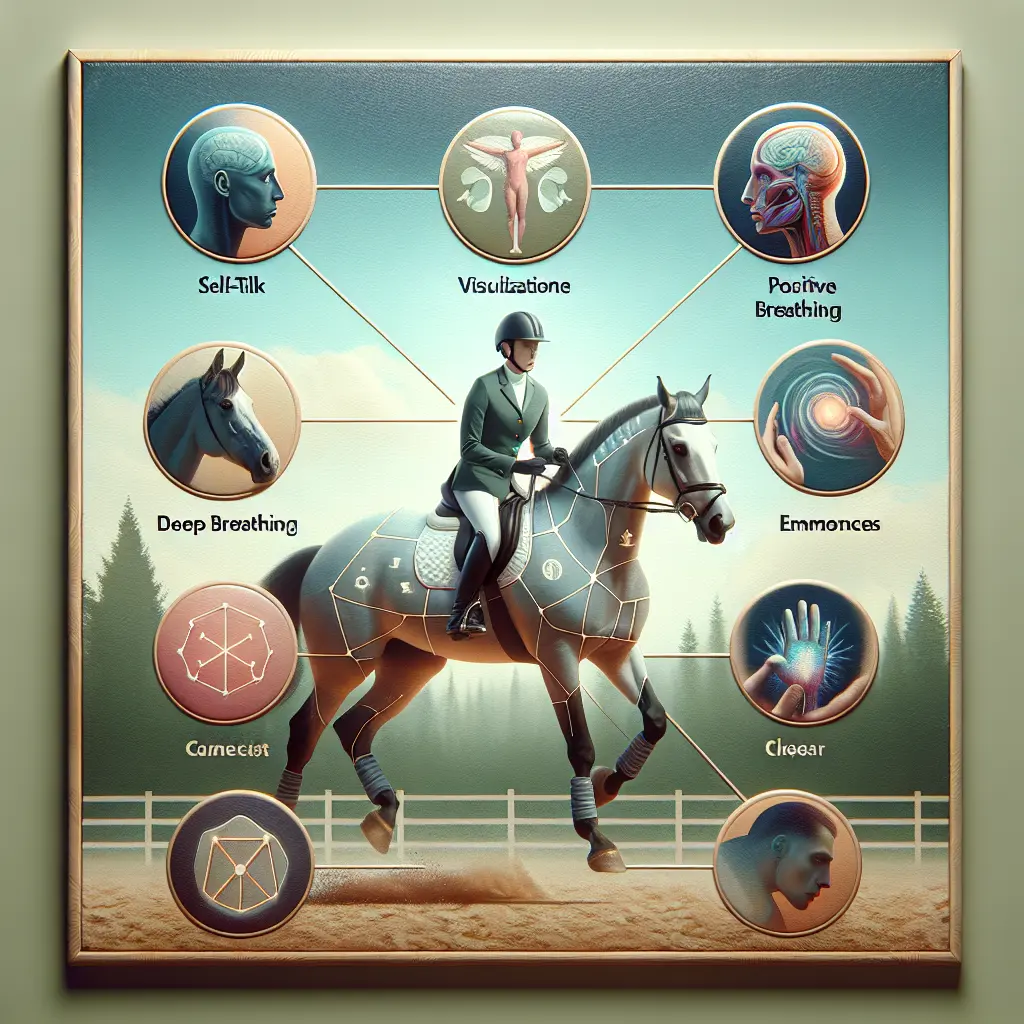
NLP techniques, such as maintaining positive self-talk and employing visualization, can significantly boost a rider's confidence, crucial for effective horse handling and performance. Imagine feeling more certain every time you hop in the saddle!
Improving Communication With Your Horse
Communication is key, and NLP helps refine it through improved body language. A clearer dialogue between rider and horse reduces misunderstandings, minimizing anxiety and creating more successful rides [2].
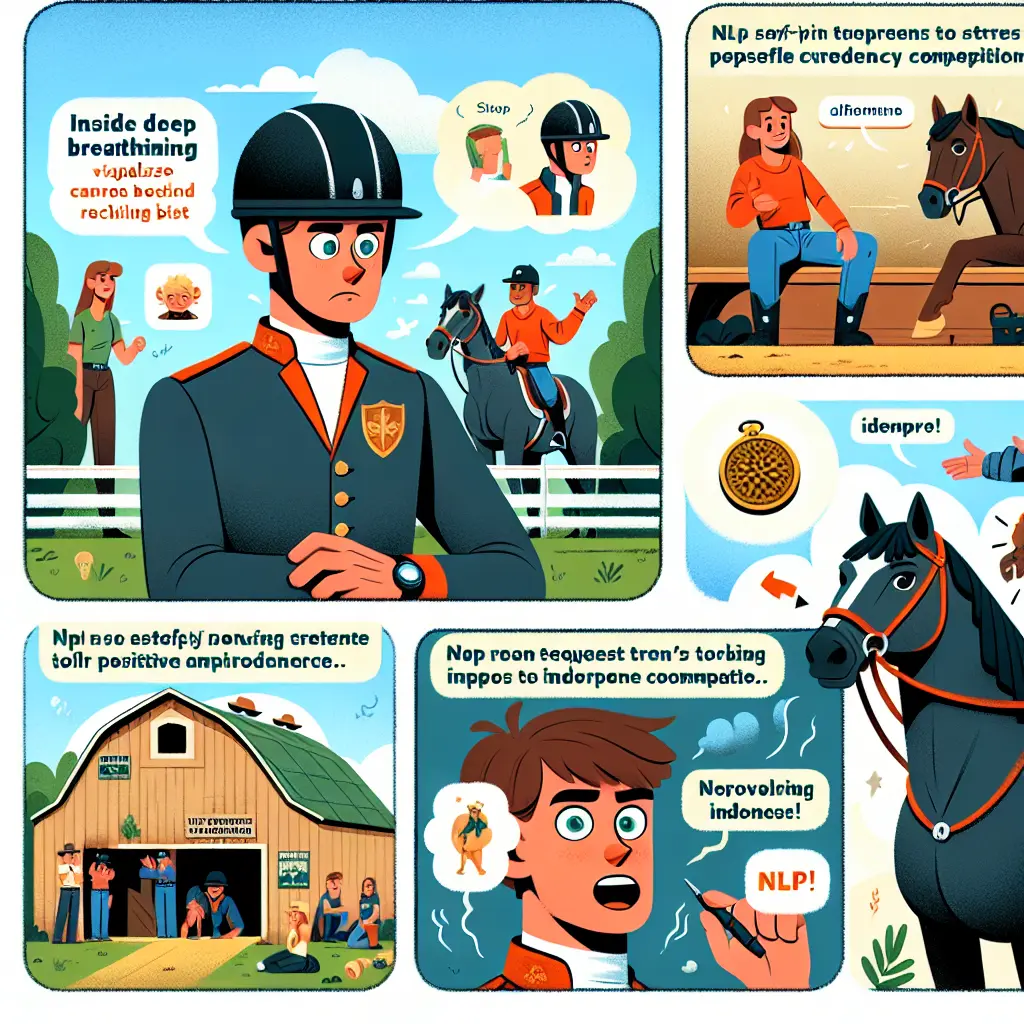
NLP Coping Mechanisms for Riders
Have you tried deep breathing or visualization techniques before a ride or competition? NLP provides these strategies, plus positive affirmations, to help you manage competition stress and enhance focus. Picture yourself reciting “I am capable and confident in my abilities” before you face your next big challenge.
Therapeutic Riding: Reducing Horse and Rider Stress
Therapeutic riding, akin to HeartMath and other stress management practices, has recognized stress reduction benefits [5]. Imagine pairing these benefits with NLP principles, elevating emotional regulation and self-awareness to new heights.
Actionable Steps to Integrate NLP in Your Riding Routine
Ready to transform your riding experience? Here’s a plan:
- Conduct a self-assessment and identify anxiety sources.
- Harness positive affirmations to challenge negativity.
- Streamline focus using visualization techniques.
- Adapt your body language to foster a calm dialogue with your horse.
Don’t forget to check out our collections of horse treats and gifts as a token of appreciation for your horse!
Conclusion: Embrace NLP for Positive Equestrian Transformation
Overcoming equestrian anxiety isn't a solitary journey; it encompasses understanding the root causes, being attuned to your horse's emotional cues, and using effective tools like NLP to manage stress. By integrating these methods, you can foster a stronger bond with your horse, achieving both improved performance and shared well-being. Let's build a brighter, anxiety-free future for you and your horse today!
For further support and to complement your equestrian pursuits, explore our range of horse vitamins and supplements for a holistic approach to horse care.