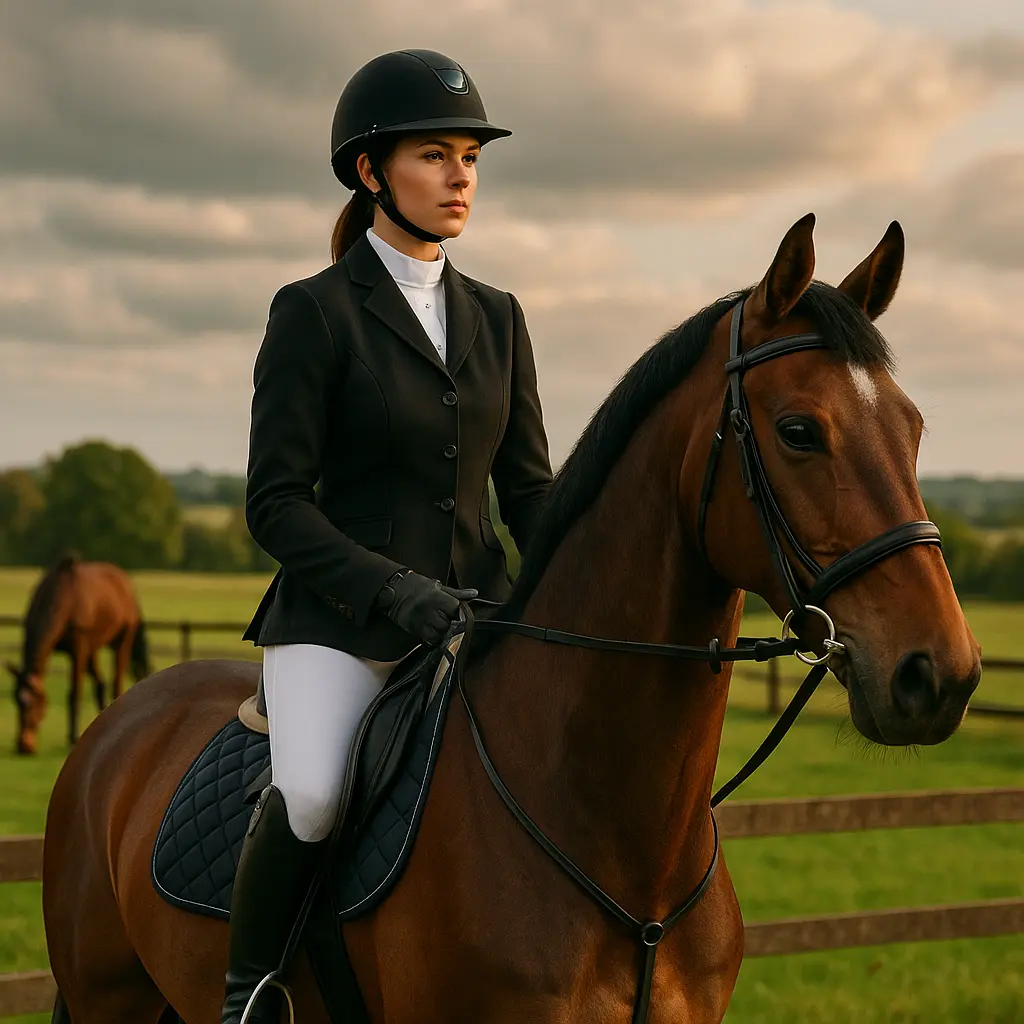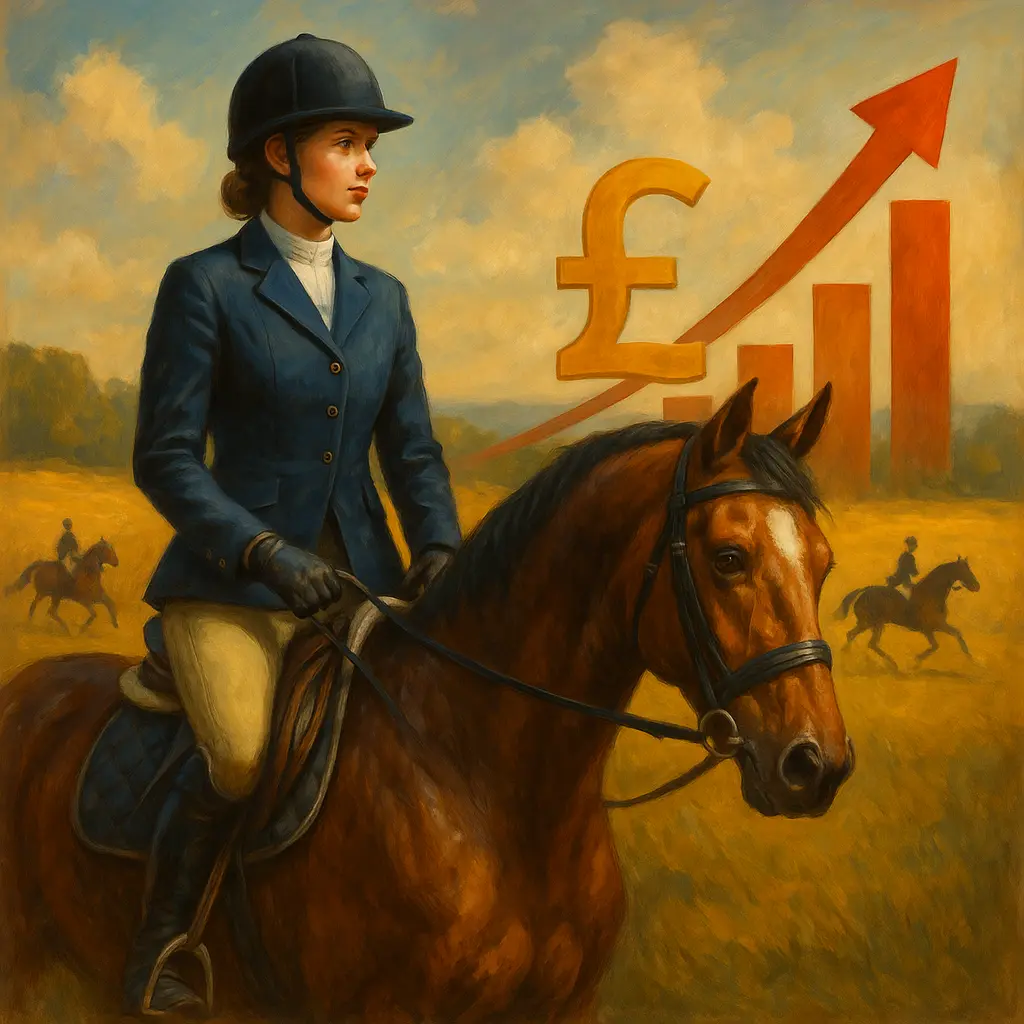
From the show ring to hacking on a drizzly Sunday, the UK’s equestrian scene is booming — and getting your kit right matters more than ever. With 1.82 million regular riders and hundreds of thousands of horses in daily care, a well-fitted jacket and smart layering make the difference between comfort, confidence and performance.
Key takeaway: UK women’s equestrian jackets generally run XS (UK 8–10), S (UK 10–12), M (UK 12–14), L (UK 14–16), XL (UK 16–18) — but always measure your chest, waist and hips and cross-check the brand’s size chart for a perfect fit.
The UK equestrian market at a glance
The UK equestrian sector is a £5 billion market supporting 1.82 million regular riders and around 847,000 horses, with 331,000 households responsible for daily care. Participation is resilient post‑COVID, with 3.2 million people riding at least once a year and renewed interest reflected in equipment imports rising 9.52% from 2023 to 2024 (CAGR 7.35% since 2020).
Beyond pounds and pence, equestrianism delivers £1.2 billion in social value annually in the UK, with each riding centre contributing an average of £292,000 per year — clear evidence that horses power public health and community wellbeing.
“This research marks a significant milestone for the equestrian sector – the beginning of a new stage, where we are able to clearly demonstrate our contribution to public health and wellbeing.” — Jim Eyre, CEO, British Equestrian (source)
Market watchers agree the UK remains a strong bet for quality gear. Analysts describe a “promising investment opportunity” thanks to a deep riding culture and affluent buyers (6W Research), while European category reports track steady growth and brand competition among names like Ariat and HKM (Cognitive Market Research). At home, BETA surveys also note a rise in horse‑sharing — a practical response to accessibility and cost that’s changing how riders buy and share kit across livery yards (Global Pet Industry).
Standard UK jacket sizing explained
For women’s equestrian jackets, UK sizing typically runs XS (UK 8–10), S (UK 10–12), M (UK 12–14), L (UK 14–16), XL (UK 16–18), with XXL often aligning to UK 18. This mapping is consistent across leading UK-focused brands such as Equetech and Hy Equestrian.
Hy Equestrian uses alpha sizing straight to UK numbers — XS (UK 8), S (UK 10), M (UK 12), L (UK 14), XL (UK 16), XXL (UK 18). Equetech’s competition jackets follow the same rhythm: XS (UK 8–10), S (UK 10–12), with international conversions that typically translate S to EU/Germany 36–38. Imperial Riding aligns closely but lists chest in centimetres: S (UK 8) around 83–85 cm, scaling up to XXXL (UK 18) at 108–113 cm. In practice, a UK 12 usually corresponds to an M, with chest measurements in the ~90 cm range depending on brand cut.
Quick tip: If you wear mixed EU and UK brands, note that UK 10–12 generally equates to EU 36–38 (Germany 36–38). This keeps sizing consistent when you switch between show and schooling jackets from different labels.
How to measure for a perfect fit
Measure your chest, waist and hips in centimetres or inches and match them to the brand’s chart — don’t rely on your “usual size”. A soft tape, fitted base layer, and honest numbers are your best friends.
How to measure quickly and accurately:
- Chest: Tape around the fullest part, under your arms, level across shoulder blades. Breathe out naturally.
- Waist: Measure at your natural waist (above the navel), not your hip line.
- Hips: Around the fullest part of your seat, feet together.
For show jackets, sleeves should finish at the wrist bone with 1/4–1/2 inch of shirt cuff visible if you’re layering, and you should be able to raise both arms forward and out to the side without the jacket pulling across your back. Sit in a chair to simulate the saddle and ensure the skirt doesn’t bunch or restrict your hip angle.
Layering check: If you wear a winter base layer under your jacket, re‑measure your chest with that layer on so you don’t undersize the jacket. Pair your jacket with well-fitted breeches to avoid bulk at the waistband; our selection of comfortable, high‑stretch options in UK sizes is here: women’s jodhpurs and breeches.
Children’s fit: Avoid the common mistake of buying by age. Always measure. As a guide, Hy lists 7–8 years at around 74 cm chest — but every child is different, and growth spurts mid‑season are real. If in doubt, size up and plan for a minor alteration at the sleeve.
Pro tip: Preparing for competition? Sort your full outfit early — jacket, shirt, tie/stock, gloves, and safety kit — using a dress rehearsal at home. You’ll catch any pinch points before show day. For compliant, ring‑ready apparel, browse our women’s competition clothing.

Brand-by-brand sizing nuances
Across UK brands, alpha sizes line up closely, but chest measurements can differ by a few centimetres — so always check the brand chart before you buy. Those small differences matter when you add a base layer or plan to wear the jacket over a bodywarmer.
Here’s what to watch:
- Imperial Riding: S (UK 8) is typically 83–85 cm chest; sizing scales to XXXL (UK 18) at 108–113 cm. If you’re between sizes, check the shoulder width too — it often dictates comfort in the saddle.
- Hy Equestrian: Alpha to UK one‑to‑one (XS = UK 8 through XXL = UK 18). Useful if you’re matching a yard uniform or ordering multiples for a team where consistency counts.
- Equetech: XS (UK 8–10), S (UK 10–12), with clean international conversions to keep your show wardrobe aligned across EU events.
Multi‑brand wardrobes: If your casual jacket is a snug S (UK 10–12) but you prefer a looser show cut, try both S and M to test shoulder freedom. Remember that tailoring for the show ring is more structured; rider‑fit casual pieces may be stretchier and feel different at the same label size.
At Just Horse Riders, we recommend choosing established equestrian labels (including competition mainstays like Ariat and HKM) for consistent pattern blocks across seasons. That way, once you know your brand fit, reordering becomes easy — especially helpful if you’re sharing kit within a family or livery group.
Layering for UK weather: what to wear in the saddle and on the yard
Pick breathable, quick‑dry, weather‑resistant fabrics and layer base layers under gilets or softshells to handle the UK’s damp autumn/winter swings. You want warmth without bulk and a jacket that sheds light rain while staying comfortable when you warm up.
Build a reliable UK riding system:
- Base layer: Lightweight, wicking top (fits close to body; many XS map to UK 8–10). This keeps sweat off your skin and stabilises your core temperature.
- Mid layer: Gilet or light insulated jacket for still days; softshell for breezy hacks.
- Outer: Weather‑resistant yard or riding jacket that moves with you. Look for articulated sleeves and a drop hem to cover the lower back in the saddle.
Safety and practicality on the road: Add hi‑vis on dull mornings or late afternoons — it’s a must for UK roads. See our curated rider hi‑vis collection for vests and accessories that sit neatly over jackets without flapping.
From stirrup to stable yard: Waterproof, supportive footwear matters when ground is saturated. Good tread, secure ankles and a balanced heel protect you in the stirrup and on the yard. Explore durable options in our horse riding boots.
For your horse: Align your outfit with your horse’s needs. When temperatures dip and the rain lingers, most turned‑out horses benefit from an appropriate rug weight and a quick‑dry lining to prevent chills post‑exercise. Our range of winter turnout rugs is built for UK mud and drizzle, with fittings designed to minimise rubs and shifting.
Quick tip: UK weather changes fast. Keep a dry spare base layer and socks in your kit bag; swapping them after schooling prevents heat loss once you cool down.
Show-ring-ready: competition jacket checklist
In UK dressage and show classes, sleeves should meet your wrist bone with 1/4–1/2 inch of shirt showing, and the jacket must allow unrestricted shoulder movement when you lift your arms. That balance of polish and mobility wins both comfort and presentation points.
Run this 60‑second fit test before show day:
- Shoulders: Raise both arms; no pulling across the back or collar gap at the neck.
- Sleeves: Wrist‑bone length with a hint of shirt cuff; ensure gloves meet sleeves cleanly.
- Length: Jacket covers waistband, no bunching in hip angle; skirt lies flat when seated.
- Chest/waist: Buttons close without strain; you can still take a deep breath.
- Layer plan: Confirm fit over your preferred base/show shirt on a warm‑up trot.
Ring kit, sorted: Pair your jacket with supportive, non‑see‑through breeches and a secure, standards‑compliant hat. Find performance pieces in our women’s competition clothing and protect your head with correctly sized options from riding helmets.
Pro tip: Pack a lint roller and microfibre cloth — a five‑second tidy of dust or hay before you enter the ring elevates your turnout immediately.

Horse comfort essentials: saddle pads and boots
Use non‑slip, well‑fitted pads and protective boots to prevent rubs — especially in wet UK training conditions. While there’s no specific BEVA or RCVS jacket/pad standard cited in the research, welfare best practice prioritises comfort, stability and skin health when surfaces are damp and sweat builds.
Practical pad tips:
- Choose a pad that matches your saddle shape and doesn’t create pressure points along the wither or spine.
- In rain or heavy sweat, quick‑dry linings help reduce skin maceration and rubbing under the girth.
- Wash pads regularly to remove grit; rotate two or more to allow full drying between rides.
Protective boots and bandages support tendons and guard against knocks in schooling and jump grids. Fit should be snug but not tight, with even pressure and zero rotation mid‑session. Our selection of supportive designs is here: horse boots and bandages.
At Just Horse Riders, we see our customers often pairing reliable pads with breathable rugs to manage coat dryness throughout the day. Consistency in materials — quick‑dry, breathable, non‑slip — across saddle pads and outer layers keeps horses comfortable as showers pass through.
Buying smart: what the trends mean for you
With equipment imports up 9.52% and participation steady, stock variety is widening — so shop early for seasonal sizes and prioritise fit and quality over chasing labels. A measured approach saves returns and gives you gear that performs all year.
What the data means for your tack room:
- More choice, small differences: As ranges expand, patterns and cuts vary slightly. Measuring your core dimensions once and saving them pays off across brands.
- Horse‑sharing reality: If you share a horse, choose adjustable or forgiving fits (think: stretch panels, twin vents) and keep a shared sizing note on the yard board.
- UK weather first: Waterproofing, quick‑dry linings and breathable layers outperform fashion features when it’s sleeting sideways in February.
- Plan for the season: Lock in your winter jacket and rug sizing before the first cold snap to avoid sell‑outs in popular sizes.
Stretch your budget without compromise: keep an eye on limited runs and end‑of‑season finds in our Secret Tack Room clearance — a smart way to pick up a second jacket for show days or a spare for the yard.
Pro tip: Create a personal sizing card on your phone with your chest, waist, hip, sleeve and glove sizes, plus your horse’s rug size and preferred pad shape. It turns on‑the‑spot decisions into confident buys when you spot a great deal.
Conclusion: fit for the ride ahead
Strong participation, better gear choice and the UK’s famously changeable weather all point to one truth: measure once, buy right, and layer smart. Start with your jacket — confirm your UK size against brand charts, test mobility, and build a breathable system underneath so you’re comfortable from school to show. Your horse will thank you too, with non‑slip pads and protective boots that keep skin and tendons happy in the wet.
Need a hand dialling in your outfit? Explore ring‑ready picks in our competition clothing, choose stable, grippy riding boots, add essential hi‑vis layers, and cover your horse for the weather with dependable turnout rugs. If you’re unsure between sizes, message our team — we fit riders and horses every day and are happy to help.
FAQs
What is the standard UK sizing for women’s equestrian jackets?
XS (UK 8–10), S (UK 10–12), M (UK 12–14), L (UK 14–16), XL (UK 16–18), with XXL commonly aligning to UK 18. This is consistent across UK‑focused brands like Equetech and Hy Equestrian.
How do UK sizes convert to EU or German sizes for jackets?
As a simple rule, UK 10–12 equates to EU/Germany 36–38, which is typically labelled S in many brand charts. Always confirm with the specific brand’s conversion table.
How should a competition jacket fit for the show ring?
Sleeves should reach your wrist bone with 1/4–1/2 inch of shirt visible, buttons should close without strain, and you must be able to raise both arms freely. Sit down to check the skirt doesn’t bunch at your hips.
What’s the best layering strategy for UK rides in cold, damp weather?
Use a moisture‑wicking base layer under a gilet or softshell, topped with a weather‑resistant jacket. Choose breathable, quick‑dry fabrics and add hi‑vis for low‑light hacks.
Do children’s equestrian jackets run by age?
No. Avoid buying by age alone. Always measure the child’s chest (e.g., Hy’s 7–8 years is around 74 cm chest) and consult the brand chart; size up if you expect a growth spurt.
Are there UK rules for jacket or saddle pad quality?
There are no specific UK regulations cited here for jackets or pads. Industry bodies like British Equestrian and BETA emphasise safety and performance, so prioritise secure fit, non‑slip pads and breathable materials.
Is demand growing — should I shop early for winter sizes?
Yes. With 1.82 million regular riders and equipment imports up 9.52% in 2023–2024, popular sizes can go fast. Measure now and secure your jacket, turnout rug and essentials before the first cold snap.