

What Truly Defines an Effective Horseback Riding Coach Beyond Qualifications?
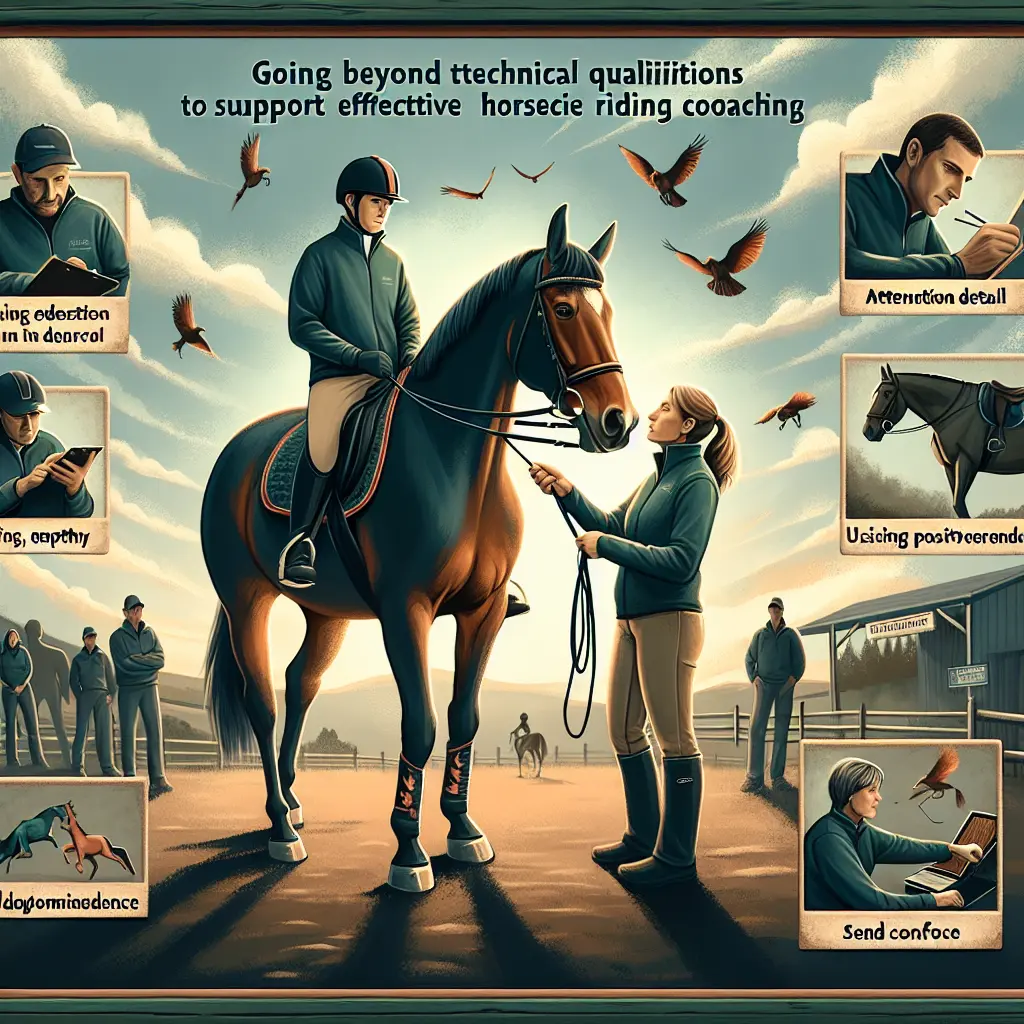
When we imagine the ideal horseback riding coach, qualifications like certifications, competition achievements, and years of experience often come to mind. Although these elements are important, they only touch the surface of what makes a coach truly effective. The true essence lies in intangible qualities such as the ability to connect with both the horse and rider, alongside fostering confidence and resilience under pressure.
The Limitations of Qualifications Alone
Qualifications serve as a foundation for credibility and demonstrate a coach’s technical knowledge. They represent a standard of expertise in riding and horsemanship. Nevertheless, they do not promise inspiration, motivational ability, or adaptability to individual student needs.
Consider a scenario where a coach has numerous certifications but lacks the skills to effectively communicate, or struggles to recognize the subtle cues from a nervous rider or a sensitive horse. The most effective coaches blend technical expertise with a deep understanding of human and equine behavior.
Key Qualities That Set Great Coaches Apart
Patience and Attention to Detail
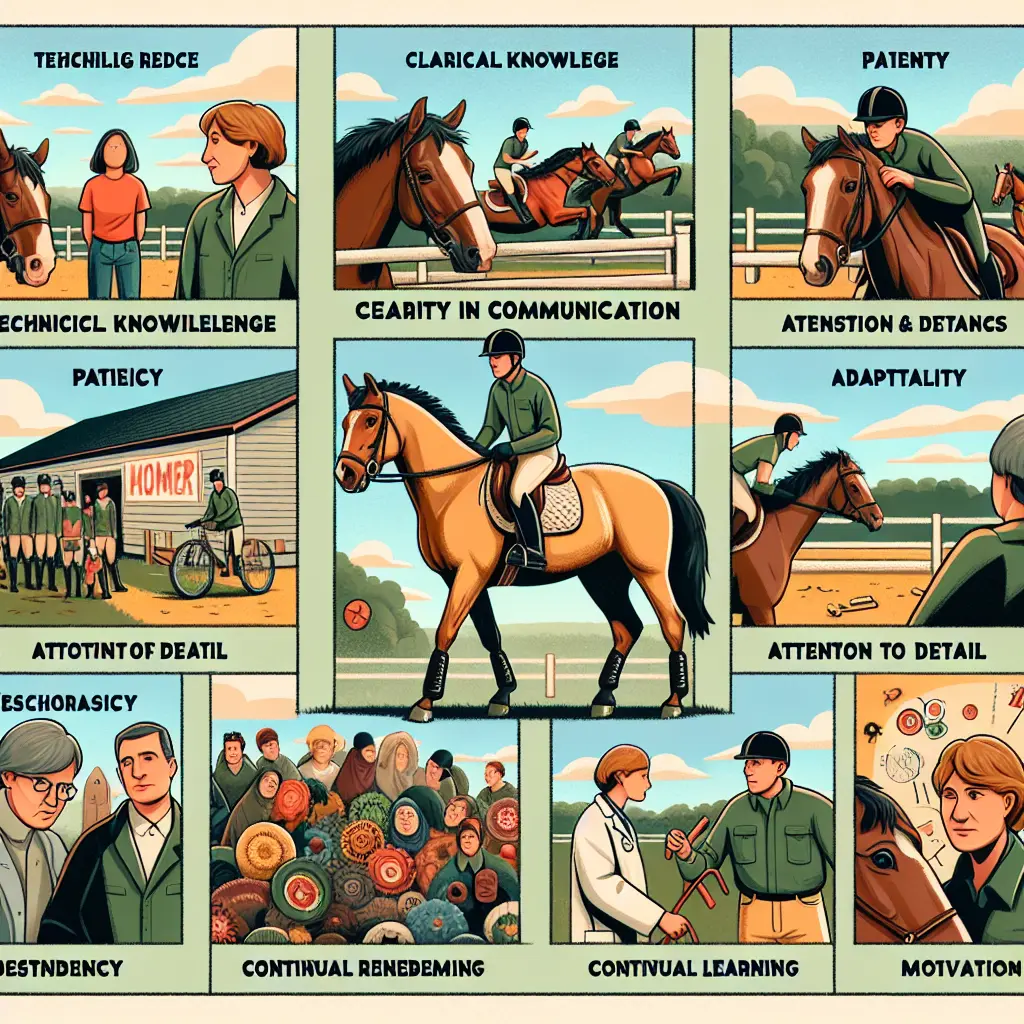
Among the most highly valued virtues in riding instruction are patience and attention to detail. Both horses and riders need the time to learn and the space to make mistakes. A calm and supportive coach encourages students' confidence. Attention to detail is equally paramount, focusing not only on lessons but also on the care, management, and safety of both horse and rider.
Empathy and Psychology
Top-notch coaches understand what's occurring inside a rider’s mind. Recognizing insecurities, anxieties, and motivation levels allows coaches to adapt their approach, aiding riders in linking their actions to results.

Consistency and Positive Reinforcement
An effective coach recognizes that building consistency in performance starts with the routine. Finding ways to help riders perform reliably, especially under pressure, is crucial. Positive reinforcement, where coaches highlight achievements rather than just correcting mistakes, promotes growth and makes the learning process enjoyable.
Adaptability and Communication
Every rider and horse is unique. Hence, a good coach is adaptable, altering teaching styles to suit individual needs. Listening carefully and learning how to communicate clearly, compassionately, and effectively is vital.
Motivation and Teamwork
Great coaches know how to channel a rider’s personal motivation and assist them in reaching their goals. They seamlessly integrate with the rider's team—parents, farriers, and vets—and create a supportive environment for the rider’s development.
The Role of Experience and Ongoing Learning
While formal credentials are vital, real-world experience, such as coaching beginners through advanced levels, molds a coach’s ability to tackle diverse situations. Engaging in ongoing professional development ensures coaches stay at the pinnacle of their abilities.
Facts and Figures: Expert Insight
- Confidence Building: Riders whose coaches focus on building confidence often make quicker progress. This approach also results in happier riders.[1]
- Performance Under Pressure: Riders who feel understood by their coaches are generally more consistent and perform better during competitions. [5]
- Safety First: Coaches with a keen eye for detail can prevent accidents, building trust between coach and student. [3]
- Lifelong Learning: Coaches who continue learning and adapting their methods produce more successful riders. [4]
Putting It All Together
An effective horseback riding coach combines technical prowess with patience, empathy, and communication. They remain attentive to the needs of both horse and rider, fostering a positive and safe learning environment. While qualifications are noteworthy, it's these human qualities that often make a significant impact on a rider's journey.
When searching for a coach, look beyond qualifications. Observe how they interact with students and how they inspire confidence and joy in riding. These are the key indicators of a coach who can nurture potential and promote growth in your equestrian pursuits.
Explore More with Just Horse Riders
For aspiring riders looking to enhance their skills and gear, consider exploring the Jodhpur Collection, Horse Riding Boots, Gloves, Socks, and Horse Treats and Gifts.
To support horse wellbeing, explore our range of Fly Protection, Stable Rugs, and Turnout Rugs.
For a thriving equine companion, don’t forget to check our Everyday Horse Vitamins & Supplements.
Conclusion
Finding an effective horseback riding coach requires looking beyond qualifications to envision the greater qualities necessary for rider success. By nurturing a supportive environment and personal connection, coaches can profoundly impact their students’ journeys in the equestrian world.
For all your horseback riding needs and more, visit Just Horse Riders and embark on an exceptional journey of learning and growth.