

Understanding the Controversy: The Unreliability of PSSM2 Genetic Testing in Equines
Polysaccharide Storage Myopathy Type 2 (PSSM2) has ruffled quite a few feathers in the equine community, primarily because of the unreliability of genetic testing. While genetic tests for PSSM2 are commercially available, they have faced significant backlash due to their questionable validity.
What is PSSM2?
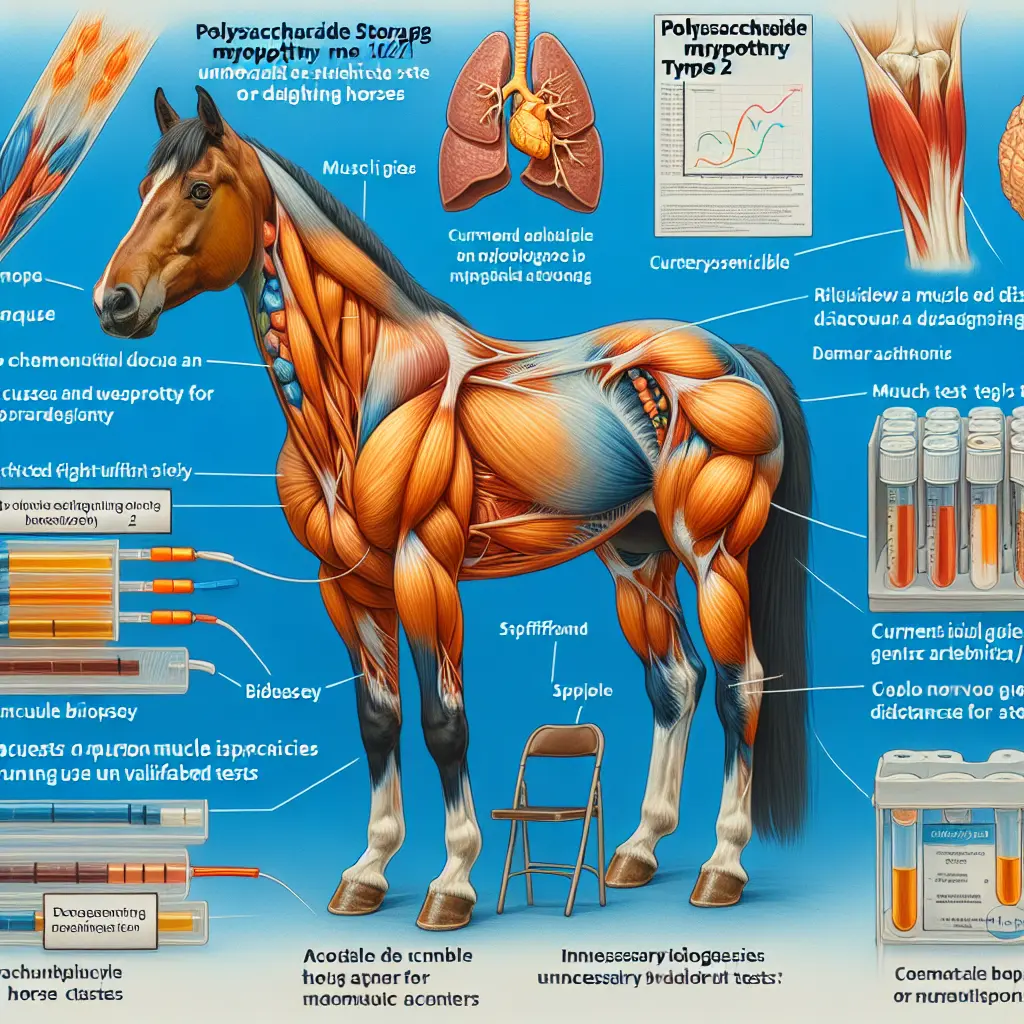
PSSM2 is a muscle disorder in horses, much like PSSM1 but without a defined genetic mutation. Horses with PSSM2 often show symptoms such as muscle stiffness and weakness—a stark indication of abnormal muscle glycogen storage. To date, its genetic roots remain obscure and might be multifactorial in nature.

The Current State of PSSM2 Genetic Testing
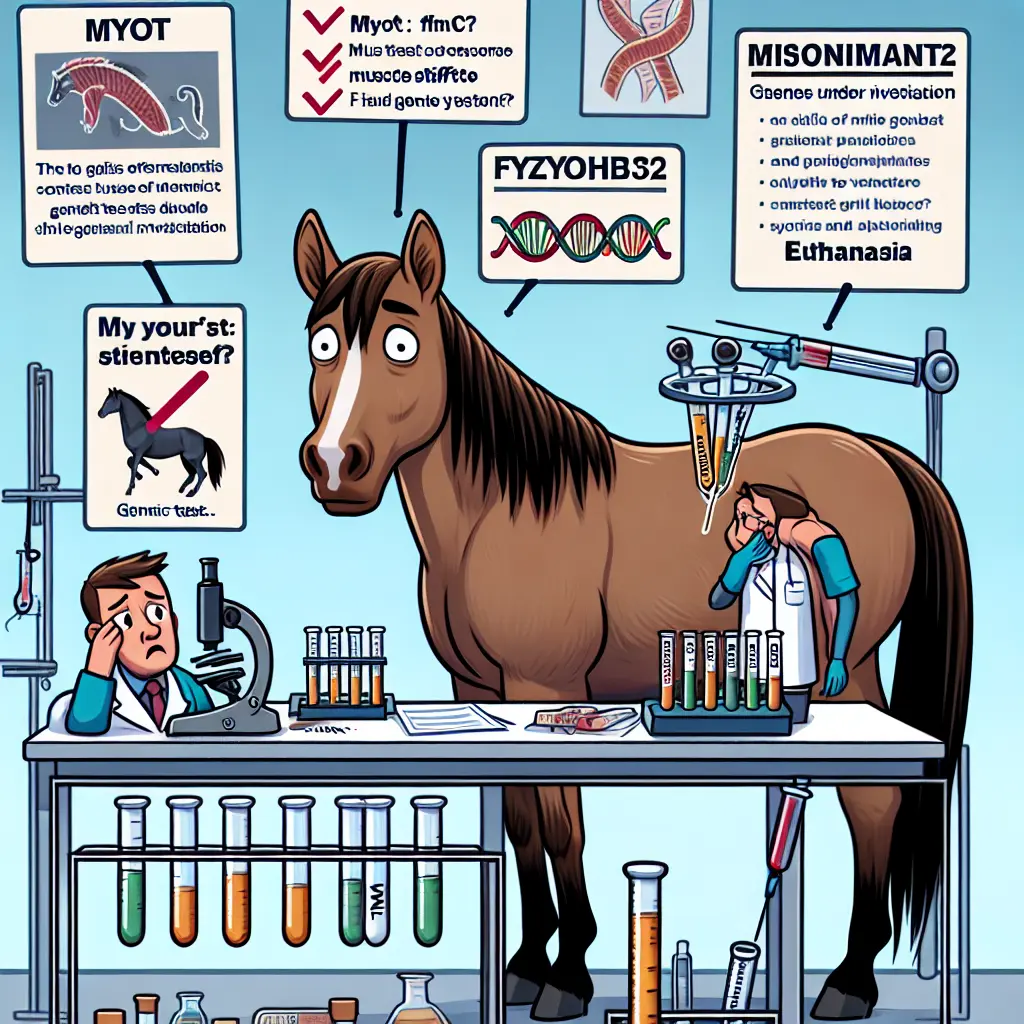
The availability of genetic testing panels that promise to identify variants linked with PSSM2 has stirred debate. These tests scrutinize genes such as MYOT, FLNC, and MYOZ3. However, no significant link has been established between these variants and PSSM2 diagnoses confirmed via muscle biopsy, deemed the gold standard in diagnosis (source: Equine Veterinary Journal).
Breed-Specific Findings
One comprehensive study in the Equine Veterinary Journal revealed that suspect gene variants were equally prevalent in both affected and unaffected horses, further debunking the tests' reliability. Even more fascinating is that these genetic markers appear in both ancient and modern horse breeds with no signs of disease whatsoever.

Veterinary and Scientific Community Warnings
The British Equine Veterinary Association (BEVA) has guided against basing any clinical or breeding decisions on these tests (BEVA statement). They stress that no scientifically validated test for PSSM2 currently exists. Misguided reliance on these tests can lead to misdiagnosis and unnecessary measures such as euthanasia.
A Closer Consideration
Professor Richard Piercy from the Royal Veterinary College cautions that while aligning a horse’s clinical symptoms with genetic test results is tempting, the existence of genetic variants in healthy horses highlights the tests’ lack of specificity and predictability (source). Their usage can potentially mislead decisions.
Complicating Factors Behind the Controversy
- Polygenic and Multifactorial Nature: The condition likely includes multiple genes and environmental triggers, making genetic tests insufficient.
- Breed Differences: Certain breeds like Connemara ponies carry genetic markers without showing disease signs, showing a lack of impactful evidence.
- Lack of Peer-Reviewed Validation: Without proper vetting or publication in scientific journals, these tests lack credibility (reference).
Guidance for Horse Owners and Breeders
While the genetic testing arena is evolving, muscle biopsy and clinical evaluation by a veterinarian remain the preferred diagnostic approach. Genetic tests should never stand alone in breeding or treatment decisions. Engaging and informed dialogue with your veterinarian is crucial.
The Role of Diet and Management
For symptoms aligned with PSSM2, some horses respond proactively to dietary adaptations involving protein-rich meals and targeted amino acid supplements. This highlights the critical importance of clinical management in tandem with diagnostics (source).
Conclusion
As the controversy around PSSM2 genetic testing continues, it's imperative that horse owners exercise caution. The push for validated and scientifically backed tests is ongoing. In the meantime, sticking to established diagnostic practices and relying on veterinary expertise is the safest strategy. The world of equine supplements and management remains as rich and complex as ever, emphasizing the value in comprehensive, well-researched horse care.