

Understanding the Costs of Equine Tooth Rasping: A Comprehensive Guide
Equine tooth rasping, also known as dental floating, is an essential component of horse care that ensures the wellbeing of our equine companions. This procedure helps maintain healthy teeth, prevents discomfort, and supports proper nutrition and performance. In this guide, we'll delve into the typical costs of this crucial procedure and key considerations for horse owners aiming to provide the best dental care for their horses.
What is Equine Tooth Rasping?
Equine tooth rasping involves filing down sharp enamel points and uneven tooth surfaces to improve chewing efficiency and comfort. Over time, a horse’s teeth can develop sharp points due to continuous growth and wear patterns, leading to mouth ulcers, eating difficulties, and behavioral issues if untreated.
Typical Costs of Equine Tooth Rasping
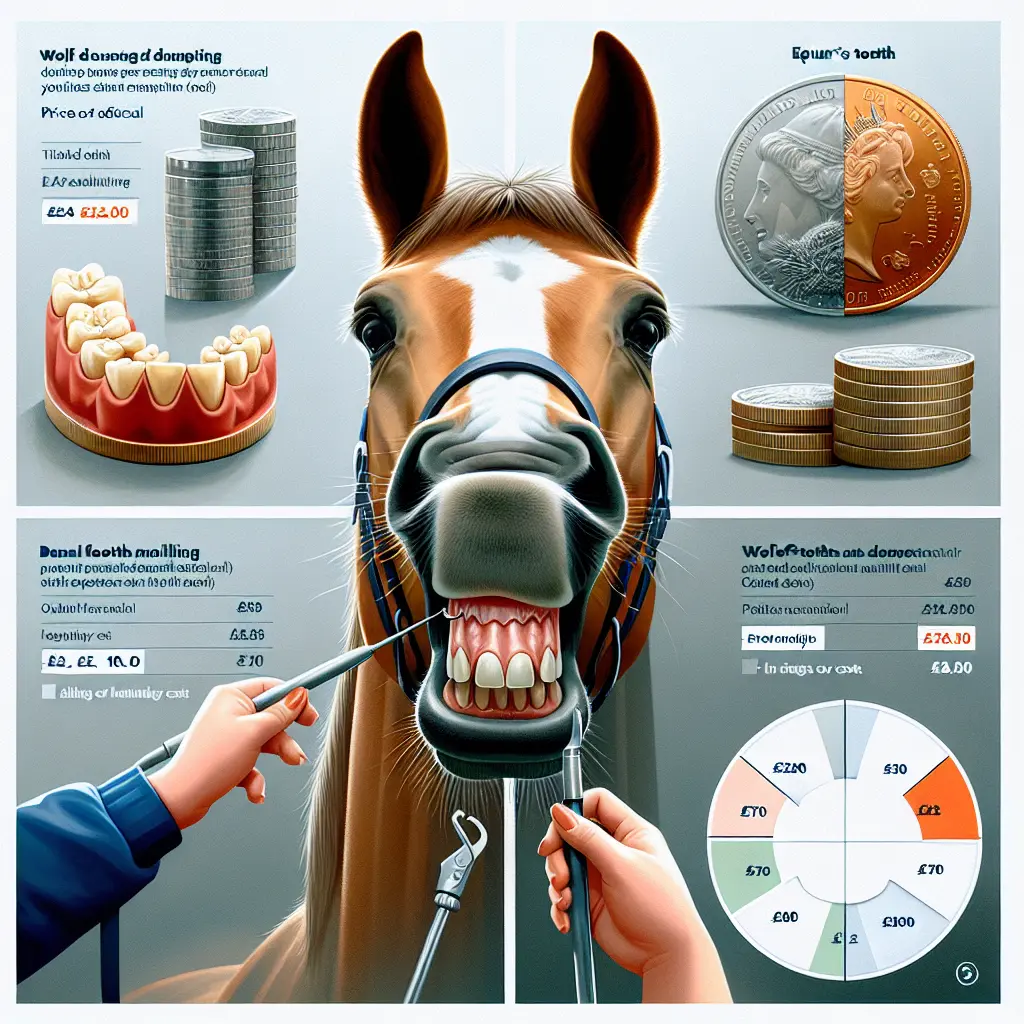
The cost typically includes a veterinary or equine dental technician visit, sedation, a thorough dental examination, charting, and the rasping itself.
- Price Range: Recent data indicates the cost typically ranges from £70 to £125 per horse for a standard dental rasp, including sedation and examination[1][2][3].
- Discounts Available: Providers often offer reduced rates for multiple horses. For instance, Sanderson Equine Dentistry charges £95 for a single horse, but rates can drop to as low as £75 per horse for 4-5 horses[1].
- Sedation Benefits: Sedation is typically used to ensure safety and ease. It enhances the quality of the procedure, reduces trauma, and shortens procedure times[3].
Additional Costs to Consider
- Wolf Tooth Removal: This can range from £26 to £110 depending on whether it’s done during the rasp or separately, including local anesthetic and sedation[1][2].
- Dental Extractions: More advanced care can significantly increase costs, ranging from £350 to £2,000 based on complexity[2].
- Dental Fillings: Costs are approximately £420 for the first filling and £85 for additional restorations[2].
Factors Influencing the Cost
Several factors can influence the cost, and understanding these can help manage expectations and budgets effectively.
- Location and Travel Costs: Practitioners may charge extra for travel if your horse is located outside their usual service area[1].
- Type of Practitioner: Costs can vary between veterinarians and dental technicians, with specialists often charging premium fees.
- Complex Cases: Horses with advanced dental issues will likely incur higher costs.
- Use of Equipment and Techniques: Modern dental equipment and comprehensive examination tools contribute to cost but also improve care.
Importance of Quality Dental Care
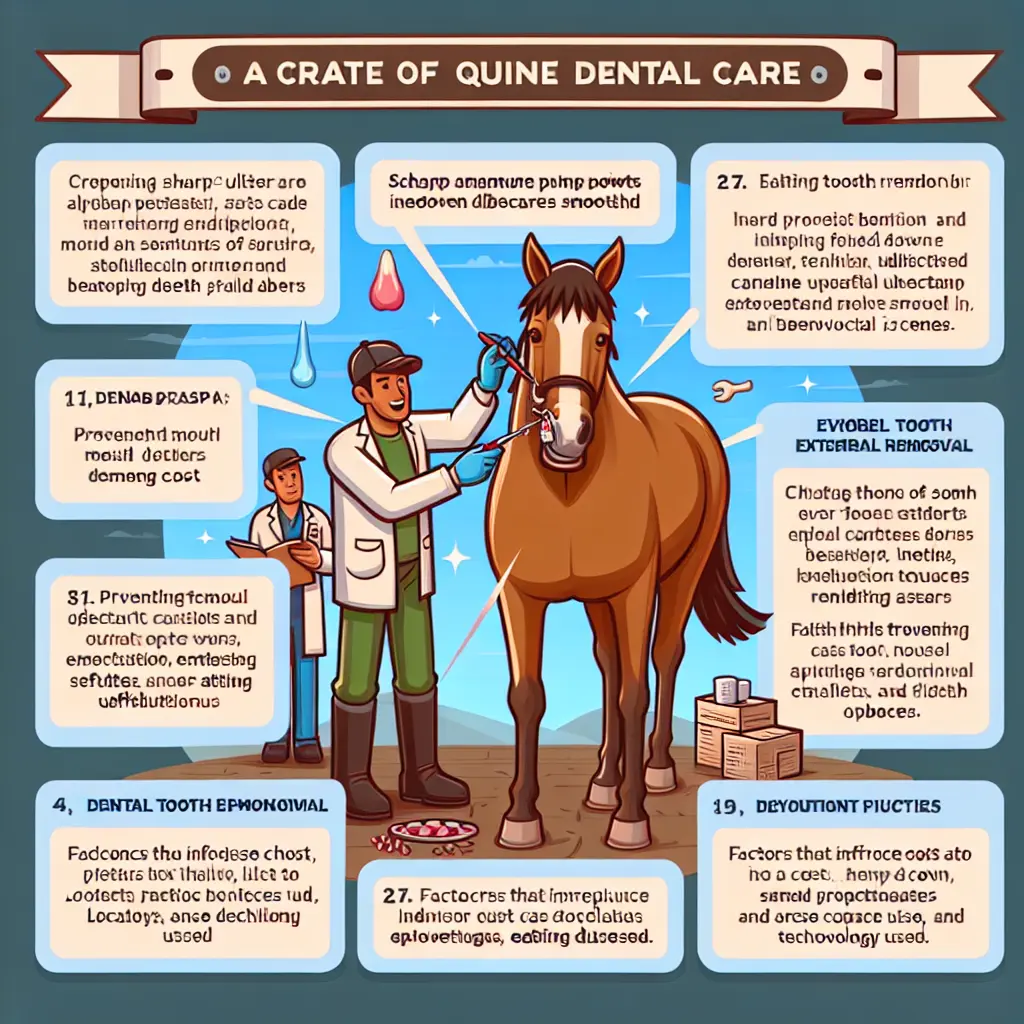
Investing in quality dental care has several significant benefits:
- Improved Horse Health: Proper rasping enhances chewing function, digestion, and overall health.
- Boosted Performance: Addressing dental discomfort is crucial for a horse’s behavior and performance, especially in riding or competition.
- Cost Efficiency: Regular preventative dental care can prevent more expensive emergency treatments in the future.
Choosing the Right Provider
Finding the right dental care provider ensures your horse receives the best care.
- Qualifications and Experience: Look for certified and experienced equine dental practitioners.
- Reviews and Referrals: Check reviews and ask for referrals to find reputable professionals.
- Quality Over Cost: While pricing is important, prioritize quality and safety.
Summary of Typical Price Examples
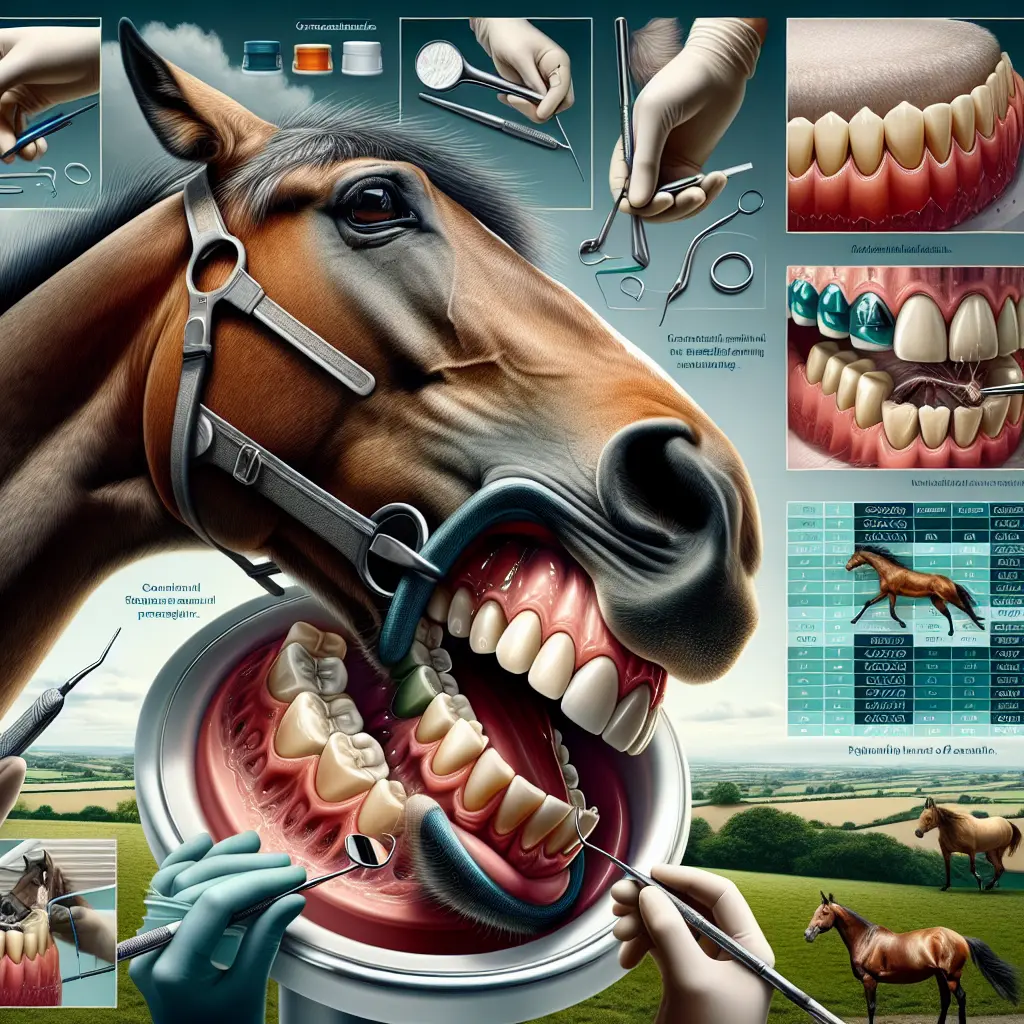
| Service | Cost Range (GBP) | Notes |
|---|---|---|
| Routine Dental Rasp | £70 - £125 per horse | Includes sedation, exam, and rasping |
| Wolf Tooth Removal | £26 - £110 | With sedation and anesthetic |
| Dental Extractions | £350 - £2,000 | Variable based on complexity |
| Dental Fillings | £420 (+ £85/additional) | Restorations for tooth cavities |
By understanding these costs and what they cover, horse owners can make informed decisions that protect their horse’s oral health while balancing budget considerations. Remember, investing in quality dental care today can lead to healthier, happier horses tomorrow.