

How Fireworks are Impacting Animals and What Can Be Done to Protect Them
Fireworks are a staple of celebrations worldwide, known for their vibrant colors and thunderous booms. While they captivate human audiences, these explosive displays often spell disaster for animals, leading to intense fear, injuries, and even fatalities. Research highlights that nearly 50% of dogs and many wildlife species suffer from the aftermath of fireworks (source). This article delves into the hidden toll fireworks have on animals and explores actionable steps to mitigate these effects.
The Hidden Toll on Pets: Panic, Injuries, and Lasting Stress
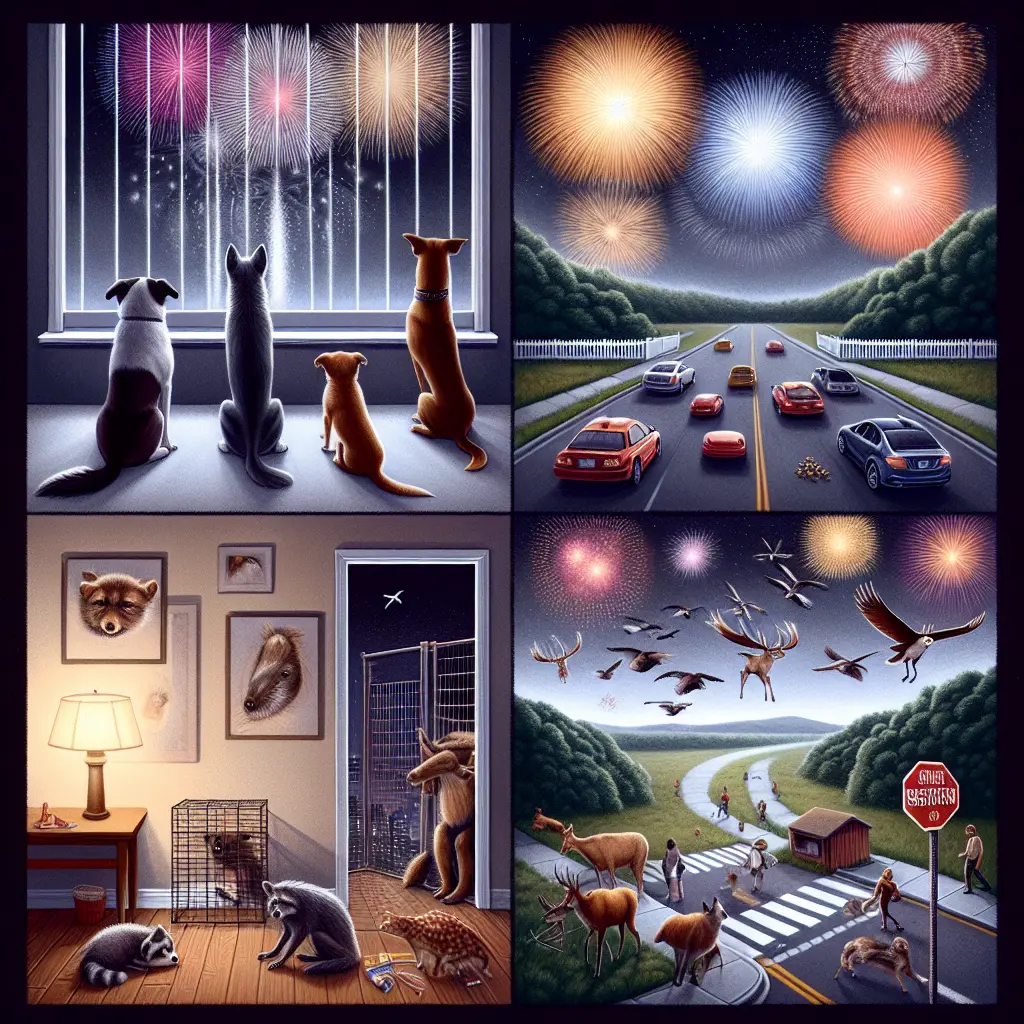
For pets, the experience of fireworks is terrifyingly different than it is for humans. Their sensitive hearing detects sounds at far higher volumes, akin to sudden, unanticipated explosions (source). As a result, animals exhibit distress behaviors such as hiding, pacing, and frantic attempts to escape.
Dogs And Fireworks
Among household pets, dogs are particularly susceptible, with fireworks cited as a top noise phobia affecting up to 49% of dogs (source). In surveys, 45% of dogs show fear through behaviors like trembling (31%), barking (25%), and pacing (20%).
Cats And Fireworks
Similarly, cats experience overwhelming noise and lights, leading to responses such as hiding or escape attempts (source). Perversely, some studies discover that 6% of cats and dogs incur injuries like strains or broken limbs during panic-fueled dashes.
Real Injuries
Some dogs sustain severe injuries such as ruptured ligaments or teeth loss when trying to escape confined spaces. Over time, the chronic stress from repeated exposures weakens their immune systems, leading to a greater risk of disease.
Wildlife in Peril: Mass Flights, Crashes, and Nest Losses
While the noise from fireworks is distressing for domesticated pets, its ruthless impact on wildlife is largely underestimated. Birds, mammals, and even aquatic species face heightened dangers during nighttime celebrations. Wild animals react instinctively with panic, as fireworks disturb their natural activities such as feeding, nesting, and breeding.
Birds
Explosive sounds thrust flocks into mass confusion, often leading to collisions with manmade structures or disorientation that leads them far away from safety. Nestlings endure increased oxidative stress, stunted growth, and reduced survival and reproduction rates (source). Conversely, some predatory birds, like eagles, might altogether abandon their nests, endangering their young.
Mammals
On land, mammals such as deer and foxes panic, leading to increased road accidents as they bolt into traffic, a phenomenon particularly dangerous in urban settings during crowded holiday events.
Other Species
Even water-dwellers aren’t safe. The vibrations and pollution from fireworks affect species like frogs and fish. Horses, known for their sensitivity, are at risk of severe injuries. From 2010 to 2023, fireworks have led to the death of 20 horses and injured 292 more in the UK alone.
Broader Environmental and Health Harms
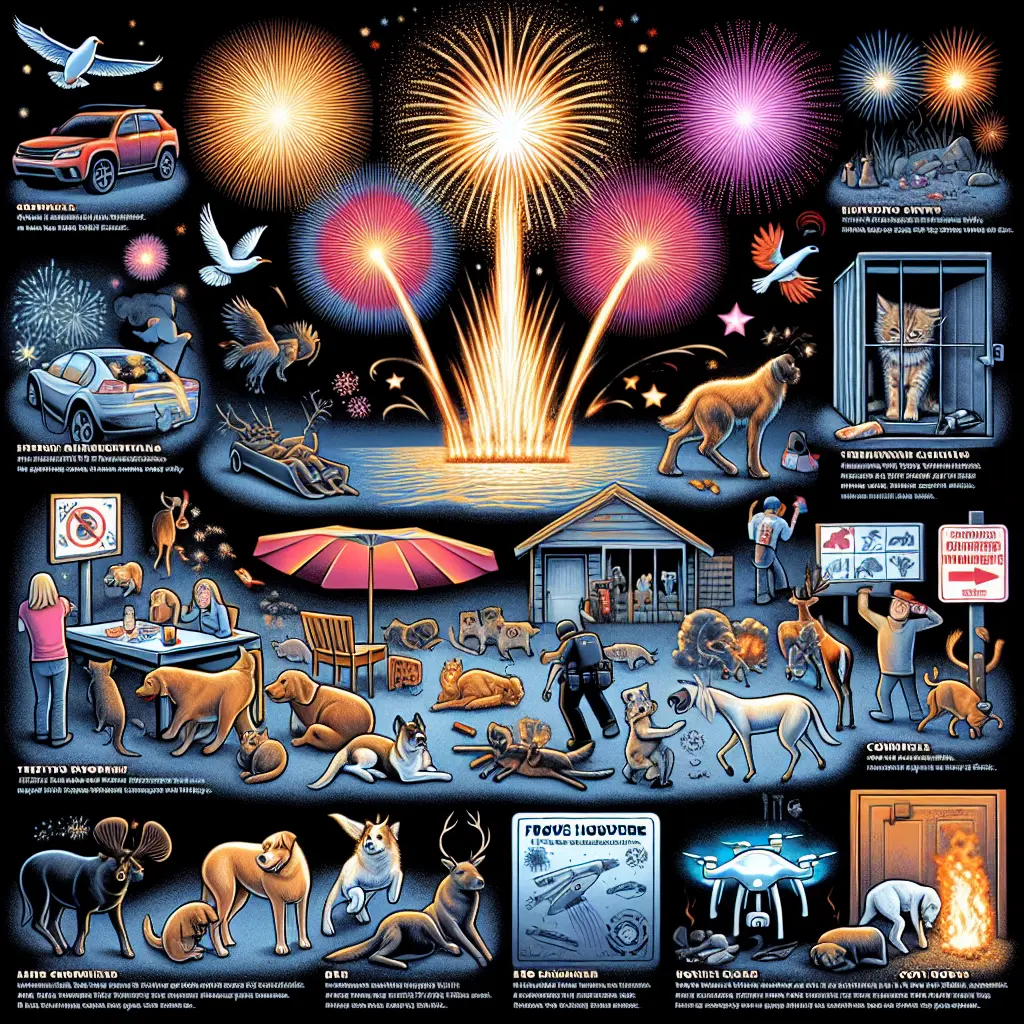
The beautiful spectacle of fireworks isn’t without environmental consequence. Fireworks contribute to pollution, releasing toxic chemicals that infiltrate air and water systems, ultimately endangering animal habitats and health (source). The physical debris left behind can choke or poison animals if inadvertently consumed.
In 2018 alone, nearly 20,000 wildfires were attributed to fireworks, devastating habitats and indirectly impacting animals through habitat loss and increased mortality.
What You Can Do: Practical Steps to Protect Animals
For Pet Owners
Although eliminating all fireworks is unrealistic, several practical measures can minimize their harmful impacts:
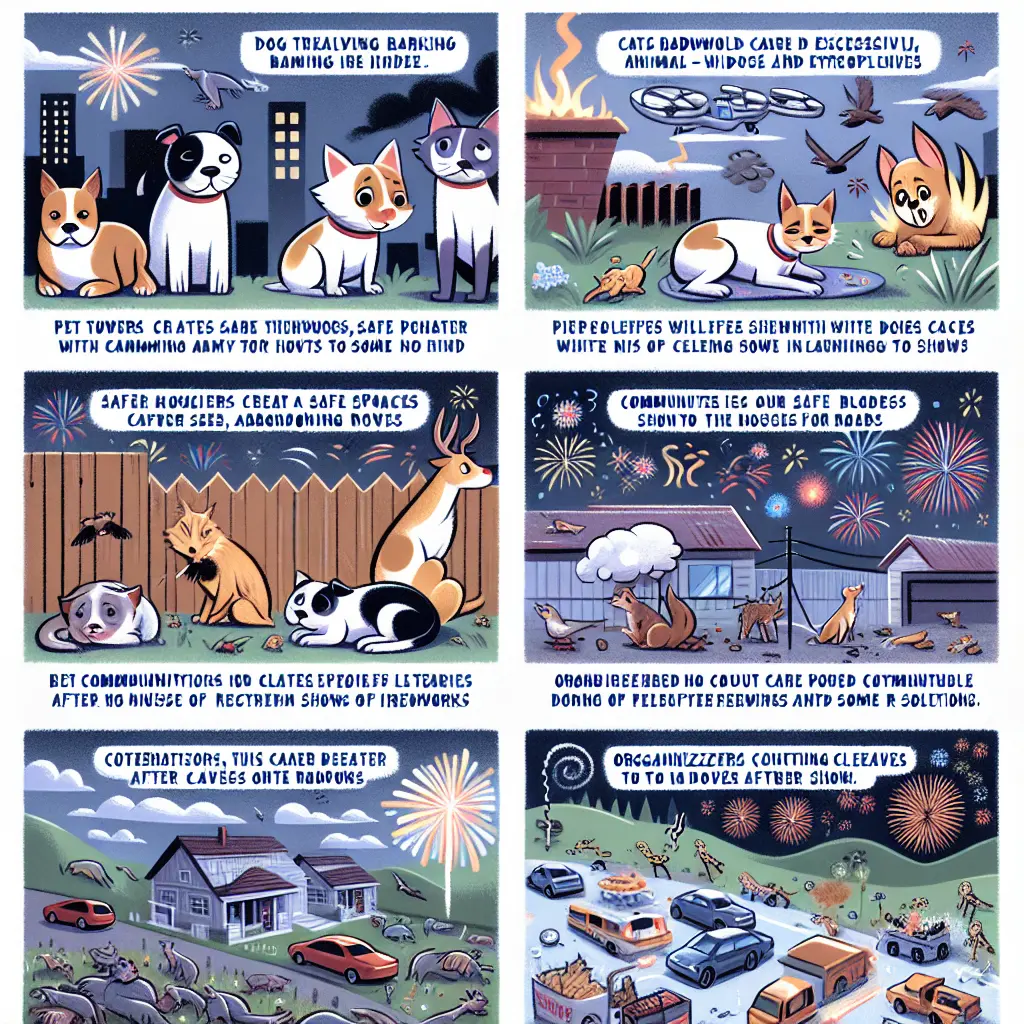
- Create a safe space: Provide pets with a quiet, dark room equipped with familiar bedding, hiding places, and soothing sounds to minimize panic. Install white noise machines or play calming music.
- Behavioral prep: Conduct desensitization training, and consider vet-recommended anxiety aids such as pheromone diffusers before any anticipated events.
- Supervise closely: Keep pets indoors and ensure they’re secure with identification such as collars or microchips. Avoid tethering animals outside during fireworks displays.
- Avoid walks: Opt-out of evening walks during fireworks season to prevent unnecessary stress.
Supporting Wildlife and Communities
The community can also implement meaningful changes to protect wildlife from the adverse effects of fireworks.
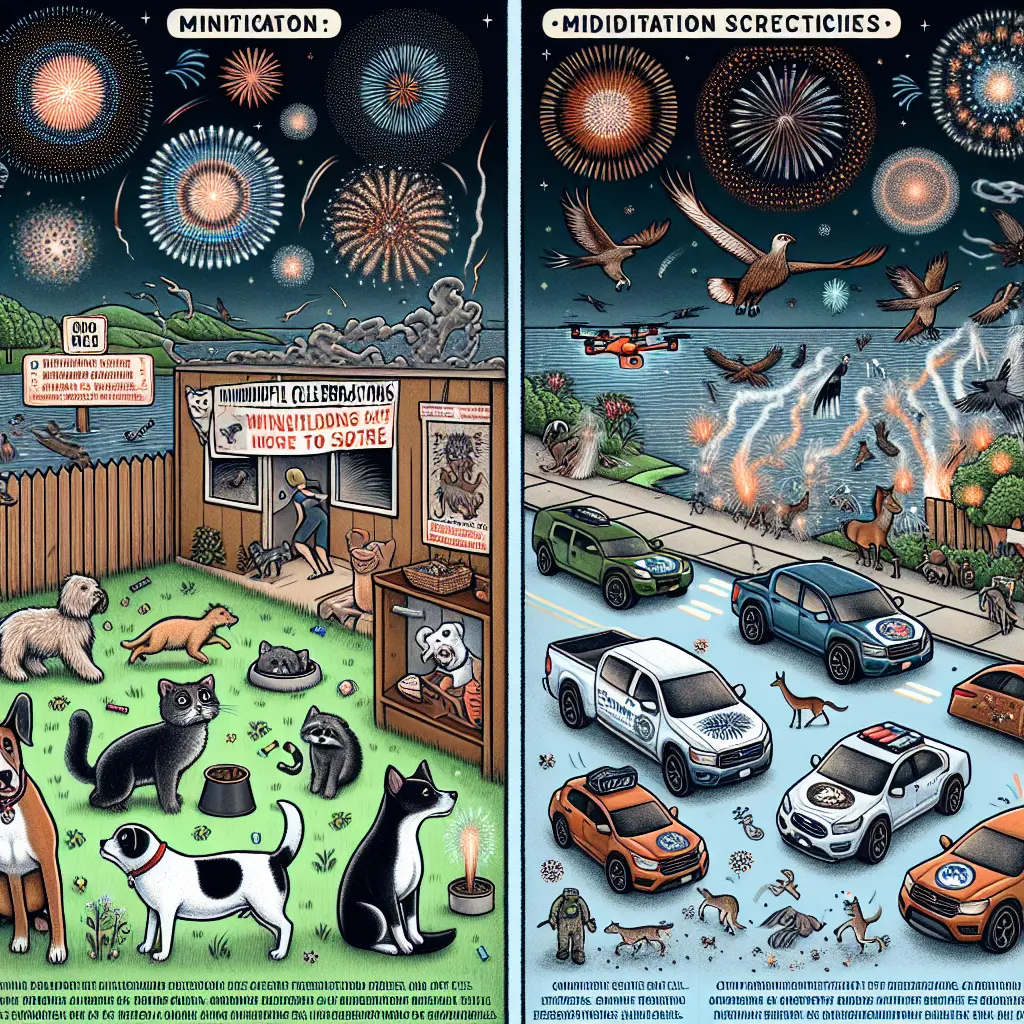
- Advocate for restrictions: Propose fireworks bans in sensitive zones with wildlife habitats, nests, or known migration paths.
- Choose alternatives: Embrace less invasive celebration options like drone shows, laser displays, or silent fireworks that offer visual enjoyment without harmful noise.
- Clean up: Promptly collect and dispose of debris post-celebration to prevent wildlife injuries or poisoning.
- Report Issues: Stay proactive by reporting illegal or inappropriate firework usage and advocating for animal welfare reviews of fireworks legislation.
For Events and Planners
Organizers of major events, including town planners, should time their fireworks displays to avoid sensitive periods like breeding seasons. Furthermore, it is advisable to scout nearby areas for potential animal habitats or nests before planning fireworks.
Organizations compiling data like the RSPCA, which logs numerous complaints regarding animal distress from fireworks, demonstrate growing public concern for the issue (source). With over 1,317 incidents since 2010, causing 45 horse fatalities and countless injuries, the demand for change is palpable.
Conclusion: Promoting Kinder Traditions
The allure of fireworks doesn’t have to come at the expense of animal welfare. By reassessing our celebration practices and prioritizing the ethical treatment of animals, we can foster traditions that are thrilling yet compassionate. Implementing the steps above, along with a concerted community effort, dramatically mitigates the adverse effects of fireworks on animals. As we share these insights and spread awareness, let's forge new traditions that encapsulate the vibrant spirit of celebration without compromising on kindness.