

Exploring the Benefits and Experiences of Horse Riding Simulators: A Comprehensive Guide
Horse riding simulators have emerged as revolutionary tools in the equestrian world, simulating the thrilling experience of horseback riding with the help of advanced technology. Originally designed for training and rehabilitation purposes, they are now the go-to choice for riders of all skill levels and have found their place in therapeutic programs. In this comprehensive guide, we'll explore what horse riding simulators are, their benefits, and the user experiences that make them so popular.
What Are Horse Riding Simulators?
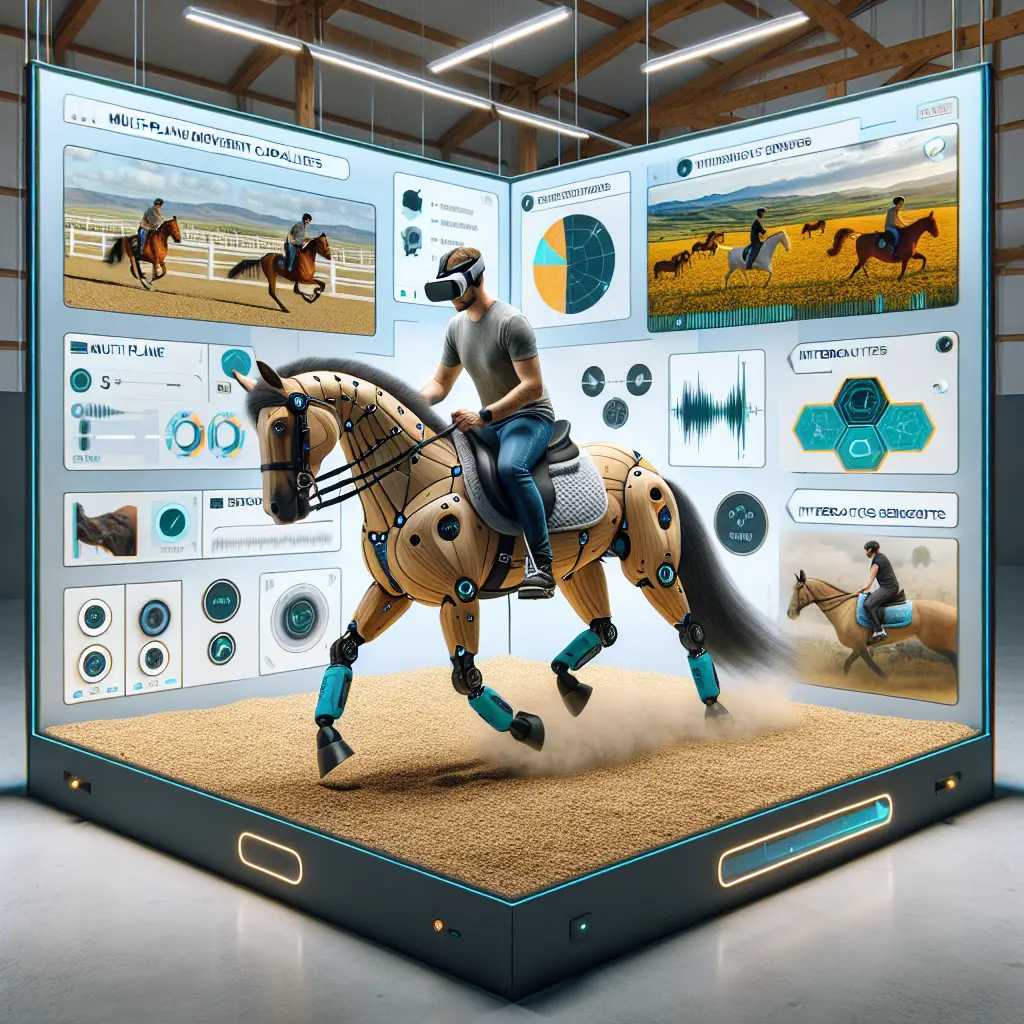
Horse riding simulators are mechanical devices that replicate the natural movement and feel of a horse, from walking to cantering. These simulators leverage sensors and actuators to recreate the horse's gait patterns, offering a safe environment to hone skills and perfect balance. Moreover, integrating virtual reality creates an immersive setting, making rides through virtual arenas or countryside trails possible.
Benefits of Horse Riding Simulators
1. Skill Development and Training
For those embarking on their equestrian journey, horse riding simulators provide an ideal platform to develop skills and techniques. By replicating realistic horse movements, riders can practice essential elements like posture, rein control, and balance without needing immediate access to a live horse. This controlled environment reduces the risk of accidents while offering immediate feedback, enhancing the training experience.
2. Therapeutic and Rehabilitation Offers
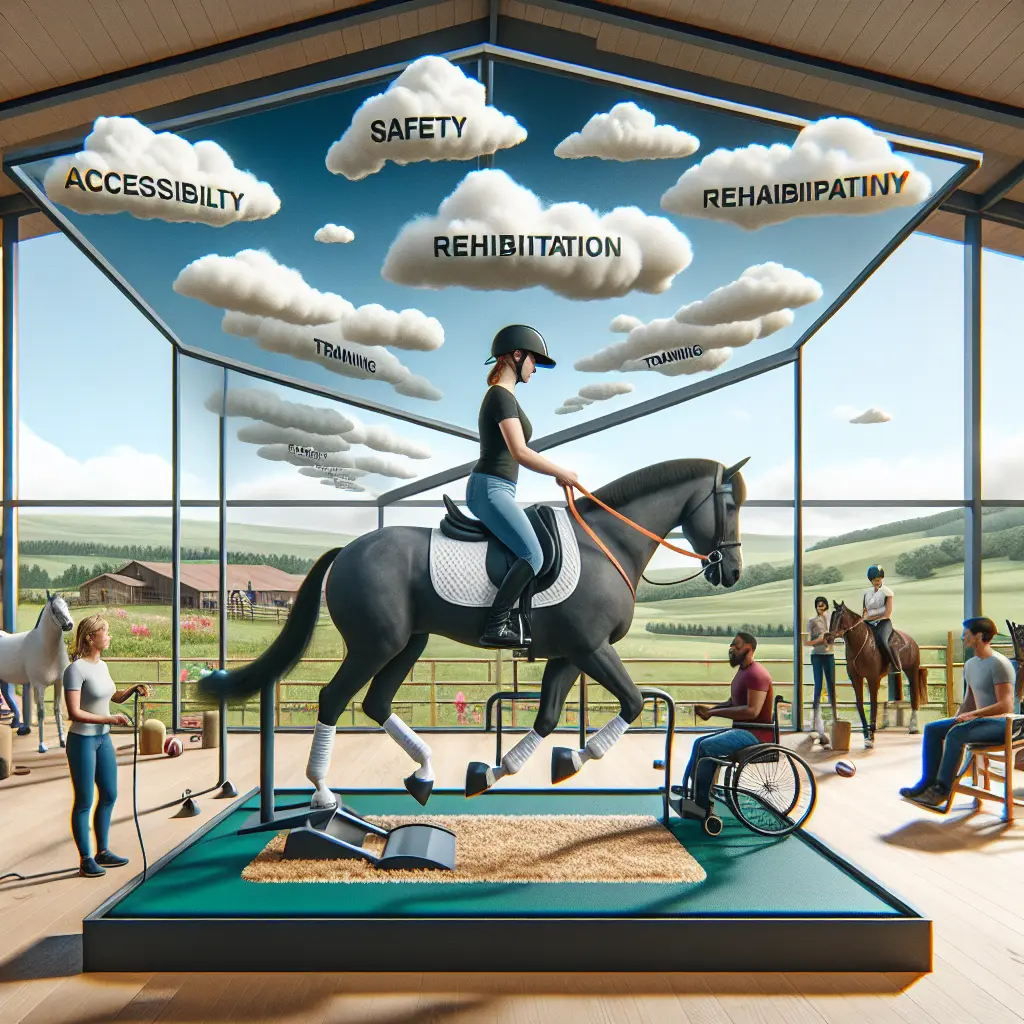
Simulators serve as excellent aids in therapeutic settings, providing the rhythmic motion of horseback riding that aids rehabilitation. For those recovering from physical injuries or managing disabilities, these simulators help in improving core strength, balance, and flexibility. Studies have shown the positive impacts on patients undergoing neurological disorder therapy using simulators, validating their effectiveness [source].

3. Safety and Accessibility
With horse riding simulators, urban dwellers and those without regular access to horses can enjoy riding without constraints. The simulators reduce the inherent risks of riding a real horse and are cost-effective in comparison to maintaining a horse, thus lowering financial barriers to participating in equestrian activities.
4. Technological Advantages
Modern simulators like those developed by companies such as Racewood offer a multitude of technical features, including multiple degree-of-freedom motion platforms and real-time interactive feedback. The integration of virtual reality enhances the riding experience by creating a mentally engaging environment that simulates natural terrains and arenas.

Experiences and User Testimonials
Simulators offer a unique riding experience, and users often report feelings of novelty and remarkable therapeutic outcomes. For instance, former emergency responder John Hartenfeld has shared his inspiring journey of recovery assisted by simulator use, showcasing both emotional and physical benefits. Many riders note how simulators provide the perfect adjunctive tool to traditional horseback riding, reducing learner anxiety while enhancing performance.
Factors to Consider When Choosing a Simulator
- Purpose: Determine if the simulator will be used as a training tool, rehabilitation device, or recreational simulator.
- Features: Prioritize simulators with versatile gait patterns, sensor feedback, and VR integration options for immersive training.
- Accessibility: Ensure the simulator suits your space, budget, and physical requirements.
- Support and Instruction: Some simulators provide expert guidance and programs tailored to different goals.
Conclusion
Horse riding simulators have redefined equestrian experiences by offering safe, affordable, and technologically advanced alternatives to traditional horseback riding. They cater to diverse needs—be it training, rehabilitation, or pure enjoyment. Whether you're a novice seeking to improve your riding skills, a veteran enhancing your techniques, or undergoing rehabilitation, simulators present a valuable addition to your equestrian journey. Discover the innovative possibilities firsthand with trial sessions offered by select providers like Naylors. By embracing the potential of this technology, every rider has the opportunity to enhance their equestrian adventure.