

Understanding Equine Genetics: Insights from Industry Stakeholders
Equine genetics is swiftly transforming the horse breeding and care industry by facilitating enhanced breeding decisions, improving animal health, and refining performance traits. As breeders, veterinarians, researchers, and commercial enterprises embrace cutting-edge genetic technologies, the landscape of equine genetics evolves into a data-driven, precision-oriented field. In this blog, we explore key industry insights, current market trends, and the implications of genetics for the equine sector. This article aims to deliver valuable and accessible information tailored for readers keen on understanding this complex yet captivating domain.
The Growing Importance of Equine Genetics
The global market for improved breeding horses is witnessing robust growth, fueled by advancing genetic testing technologies and rising demand for high-performing horses in disciplines such as racing, show jumping, and dressage. Modern breeders increasingly rely on genetic selection and assisted reproductive technologies (ART) to enhance desirable traits like athleticism, health, and temperament while minimizing hereditary diseases[1].
The horse DNA testing market alone was valued at around USD 200 million in 2023 and is projected to expand to approximately USD 350 million by 2032, highlighting the accelerating adoption of genetic tools among breeders and veterinarians[3]. This growth is supported by specialized companies offering genetic testing services that guide breeding decisions and health management.

Key Genetic Technologies and Their Applications
Genetic Testing and Breed Verification
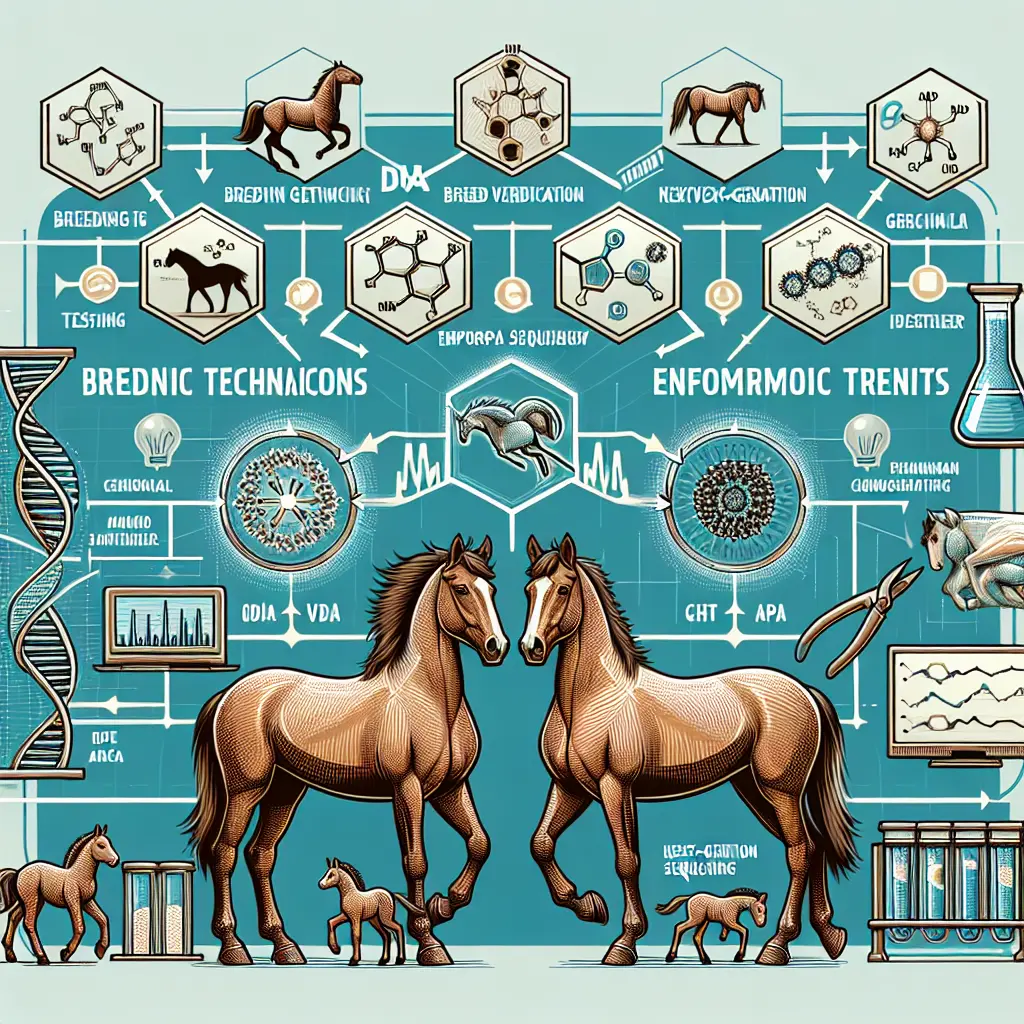
DNA testing is now a standard for confirming parentage and breed lineage, ensuring the integrity of pedigrees. Beyond this, genetic tests identify markers linked to performance traits and disease susceptibility. Companies like IDEXX Laboratories Inc., Neogen Corporation, and the Veterinary Genetics Laboratory (VGL) at UC Davis lead the development of equine-specific genetic panels that provide breeders with actionable insights[2].
Assisted Reproductive Technologies (ART)
Technologies such as embryo transfer and in vitro fertilization allow breeders to maximize reproductive efficiency and preserve valuable genetics. Leaders like ViaGen Equine and Equine Embryo Centre are innovating ART methods that increase foal production from elite mares, accelerating genetic improvement[1].
Next-Generation Sequencing and Predictive Analytics
Emerging firms, including Etalon Inc. and Equiseq Inc., utilize next-generation sequencing (NGS) to offer comprehensive genetic profiles combined with predictive analytics. These tools support personalized health care and performance optimization tailored to each horse's genetic makeup[2].
Industry Drivers and Importance of Genetic Insights
Health and Disease Management
Genetic testing enables early identification of hereditary diseases and immune deficiencies. This facilitates preventive healthcare decisions and reduces veterinary costs, improving overall welfare. For instance, genetic panels can screen for conditions predisposing horses to metabolic syndromes or musculoskeletal issues, which are critical for high-performance animals[4].
Improved Breeding Efficiency and Performance
By selecting breeding pairs based on genetic compatibility and desirable traits, breeders can effectively enhance the athletic potential and temperament of offspring. Data-driven breeding programs also reduce the risk of inherited defects and contribute to the sustainability of breeding stock[1][3].
Regulatory and Welfare Considerations
Governments and industry bodies increasingly regulate genetic technologies to ensure ethical breeding practices and animal welfare. Compliance influences the adoption pace and shapes responsible innovation in equine genetics[1].

Market Overview and Stakeholder Landscape
The equine genetics market is part of the broader animal genetics field, which was valued at USD 6.45 billion in 2024 and is expected to grow to over USD 11 billion by 2030. This growth is propelled by gene editing breakthroughs like CRISPR-Cas9, advancing the development of disease-resistant breeds and improving livestock productivity[5].
The North American market benefits from sophisticated biotech infrastructure and high adoption of genetic and reproductive technologies, backed by government and industry collaboration. Meanwhile, emerging markets in Asia-Pacific are rapidly expanding genetic applications in response to growing demand for animal protein and quality livestock products[5].
Within equine diagnostics, companies such as IDEXX Laboratories hold roughly 20-24% market share, with others like Neogen and VGL collectively covering significant segments. New entrants focus on offering speedy, broad diagnostic testing integrated with genetic evidence, shifting the practice from reactive to preventive care[2].
Why Equine Genetics Matters to You
- For Breeders: Genetic information empowers you to make informed mating decisions that maximize offspring quality, reduce disease risk, and preserve valuable bloodlines.
- For Veterinarians: Access to genetic testing allows early diagnosis of hereditary conditions, enabling tailored treatment and preventive strategies.
- For Horse Owners and Trainers: Understanding a horse's genetic predispositions helps optimize nutrition, training regimens, and health management to unlock full potential.
- For Industry Professionals: Staying abreast of genetic advancements is essential to maintaining competitiveness and complying with evolving regulations.
Final Thoughts
Equine genetics is no longer a niche scientific frontier but a mainstream tool reshaping horse breeding and care. The integration of genetic testing, assisted reproductive technologies, and data analytics is creating unprecedented opportunities to improve equine health, performance, and welfare. By embracing these advances, industry stakeholders can ensure sustainable progress aligned with ethical standards and evolving market demands.
To learn more about current trends in equine breeding and genetic testing, you might explore resources from leading providers such as ViaGen Equine, Equine Embryo Centre, IDEXX Laboratories, and research entities like the Veterinary Genetics Laboratory at UC Davis.
This overview is based on the latest market insights and research reports from recognized industry sources ensuring accuracy and relevance to readers interested in the dynamic field of equine genetics[1][2][3][4][5].