

Understanding Equine Agoraphobia: Causes and Solutions for a Stressed Pony Mare
When it comes to animal behavior, one might not immediately think of horses experiencing agoraphobia. Yet, these majestic creatures can develop fears and anxieties that mimic this condition. Just as humans, horses, including pony mares, can exhibit stress and discomfort in certain environments. This blog is dedicated to unraveling the intricacies of equine anxiety while offering solutions for these feathered beauties.

Causes of Equine Anxiety and Phobias
Environmental changes and traumatic experiences are substantial contributors to equine anxiety. Even a sudden revamp in stable decor could turn your horse into a ball of nerves!
Traumatic Experiences
Horses that endure sudden, loud noises or odd encounters often hold onto that fear. For many, one chaotic episode can lead their charming pony hearts into a cascade of anxiety. Trauma from unexpected events is a significant catalyst for phobias.
Environmental Factors
Horses adore predictability. Changes such as encountering new stable mates or being moved can cause anxiety just like a human with a misplaced morning coffee.
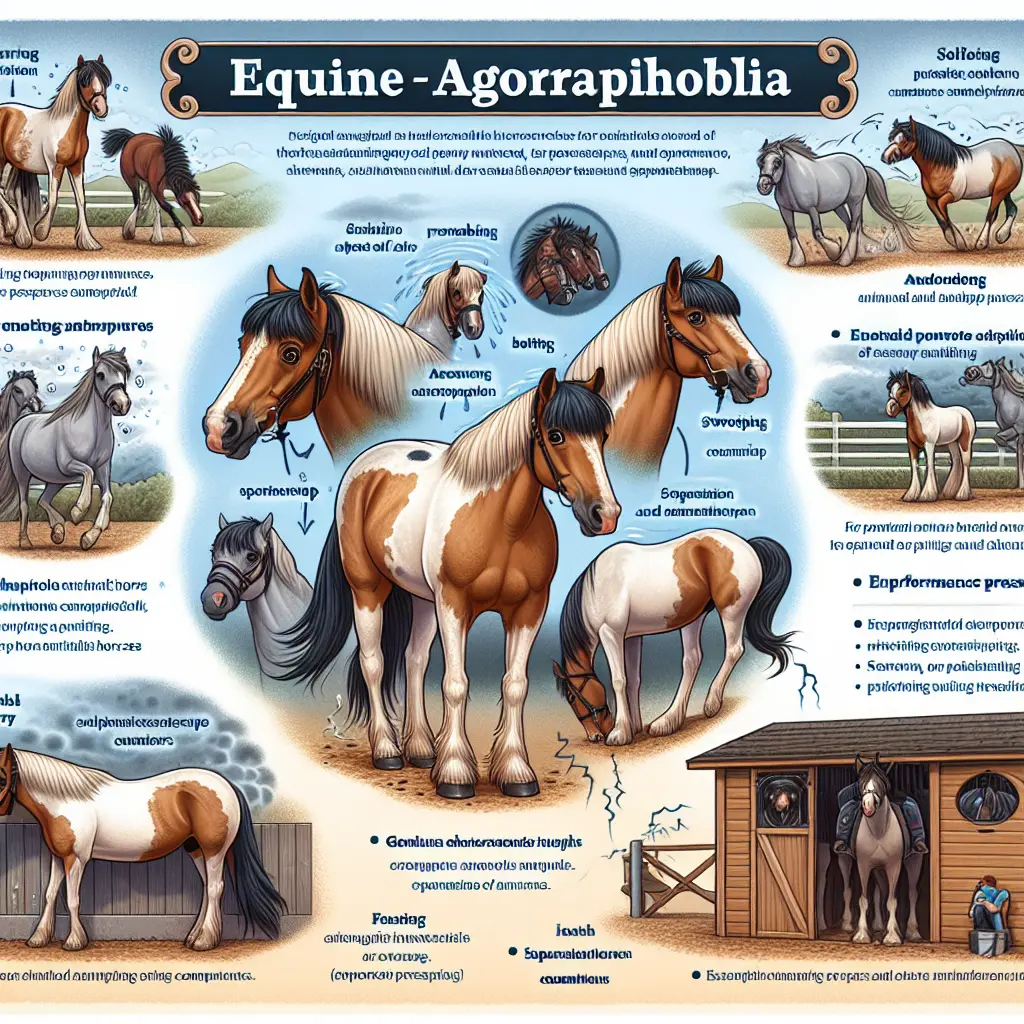
Genetic and Psychological Influences
A predisposition to anxiety is just as real in horses as in any other species. Some might be genetic jackpot winners—unfortunately, receiving the prize of heightened tension!
Social and Separation Anxiety
Being the social beings they are, horses might show signs of stress when separated from their herd. Remaining their best self can be rather challenging when faced with solitary confinement or performance pressure [4, 8].
Symptoms of Equine Anxiety
When anxiety takes hold, horse behavior speaks volumes. The typical signs make it clear there's unrest.
Violent Spooking
Imagine a lovely morning ride turning into a rodeo show. Horses experiencing fear might rear or bolt dramatically, signaling an underlying issue.
Anxiety and Panic
Increased heart rate, tremors, sweating; if your horse had access to a human gym, they'd be running it around the block.
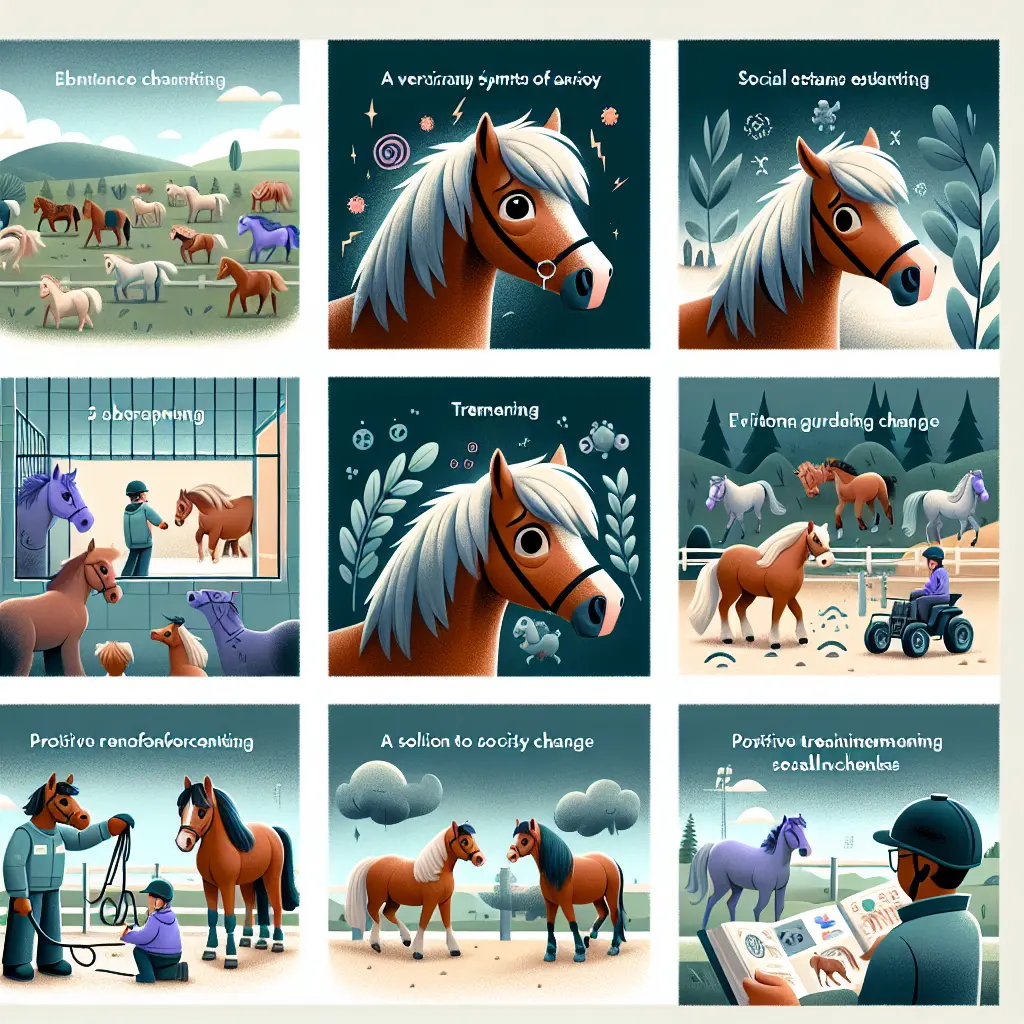
Avoidance Behaviors
If the horse steers clear of specific places that coincide with their fears, that tells its own story. Avoidance can often lead to disruptions in everyday activities.
Solutions for Managing Equine Anxiety
Alright, let's get to the good stuff—helping our horses find their chill! Managing equine anxiety calls for a comprehensive blend of stable adjustments and smart training.
Environmental Adjustments
Stable Environment
Keeping it calm in the stable isn't just a ploy; it's crucial. Create an atmosphere of tranquility—no surprise parties!
Social Interaction
Encourage horse friendships. A supportive buddy in the stable might be just what the vet ordered to reduce separation anxiety [4].
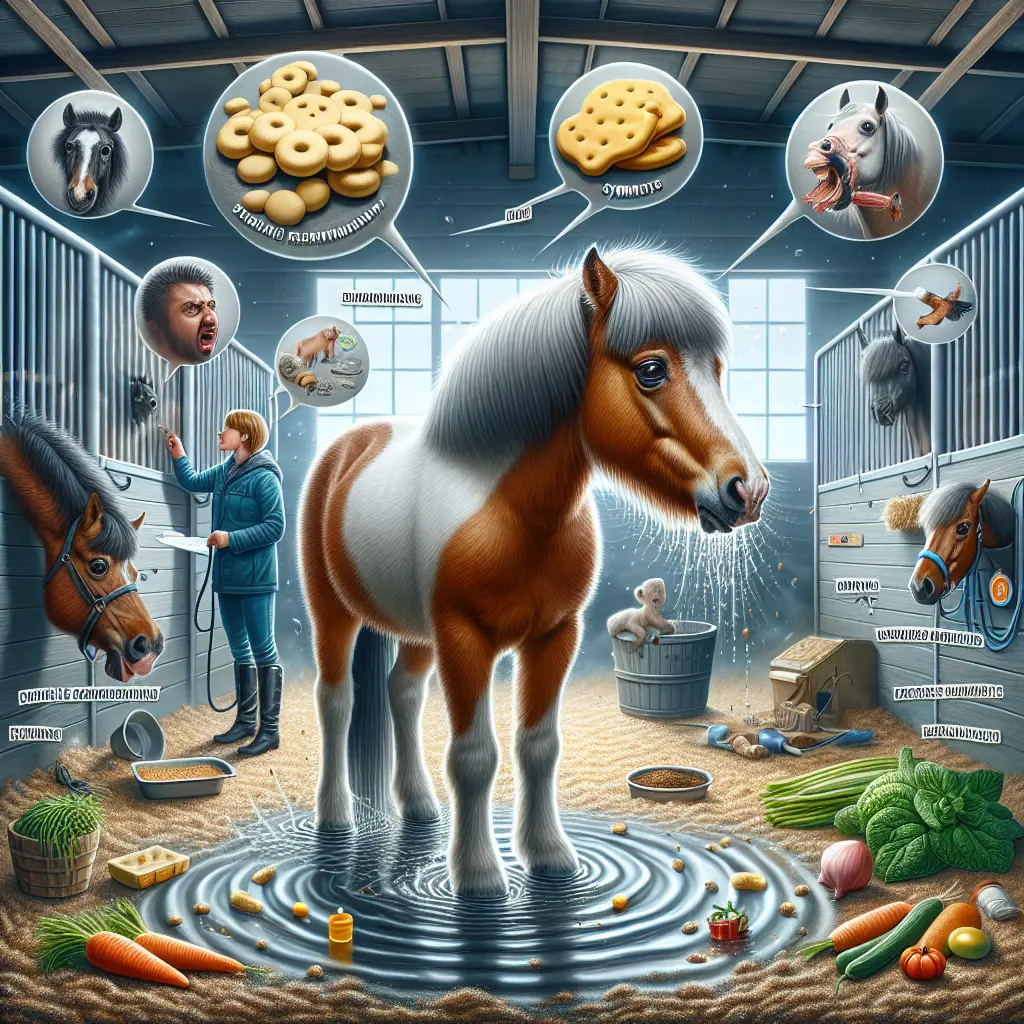
Gradual Exposure
Desensitization is key. Gradually exposing horses to anxiety sources in controlled increments can turn fear into familiarity.
Training Strategies
Positive Reinforcement Training
Celebrating calm behavior builds confidence. Positive reinforcement is a great way to reward courage while dismissing frightful reactions [9].
Desensitization and Counterconditioning
Pairing fearful stimuli with positive outcomes creates new associations, potentially alleviating fear and instilling hope, much like introducing a healthy snack during a heavyweight training session.
Dietary and Health Considerations
Balanced Diet
A well-balanced diet contributes to overall horse wellness just as much as a polished pair of Jodhpurs does to a rider’s wardrobe. Proper nutrition lays the foundation for calming anxious vibes [5].
Health Checks
Routine check-ups can unearth any underlying health issues causing anxiety. Remember, no one thrives realistically under the weight of undiagnosed health concerns [6].
Conclusion
In tackling equine anxiety and phobias, understanding your horse's psyche opens doors to improved well-being. By addressing these challenges through effective combinations of environmental adaptations, training strategies, and health management, you'll foster not only a stress-reduced environment but also a prosperous platform for living their best horsey lives.
Further Exploration and Product Suggestions
- Explore our Jodhpur Collection to ensure comfort during training.
- The right pair goes a long way; check out our Horse Riding Boot Collection.
- Enhance your ride with our sturdy Horse Riding Gloves.
- Seek balance and comfort with our Horse Riding Socks Collection.
- Check out Horse Treats And Gifts for exciting gear.
- Ensure health maintenance with our Everyday Horse Vitamins & Supplements.
- Stay cozy with Stable Rugs and weather-ready with Turnout Rugs.
- Lastly, ensure peace from pesky pests with efficient Horse Fly Protection.