

Dangers Lurking in Horse Feed: A Shocking Tale of Unexpected Contaminants
As proud guardians of our equine companions, we strive to ensure their health and well-being at all times. A crucial aspect of horse care is undoubtedly the quality of their feed. Yet, despite the best intentions, our horse feed may unexpectedly be contaminated with dangerous substances that lead to distressing consequences. This article sheds light on the hidden threats in horse feed and provides practical insights on how to safeguard your cherished horses.
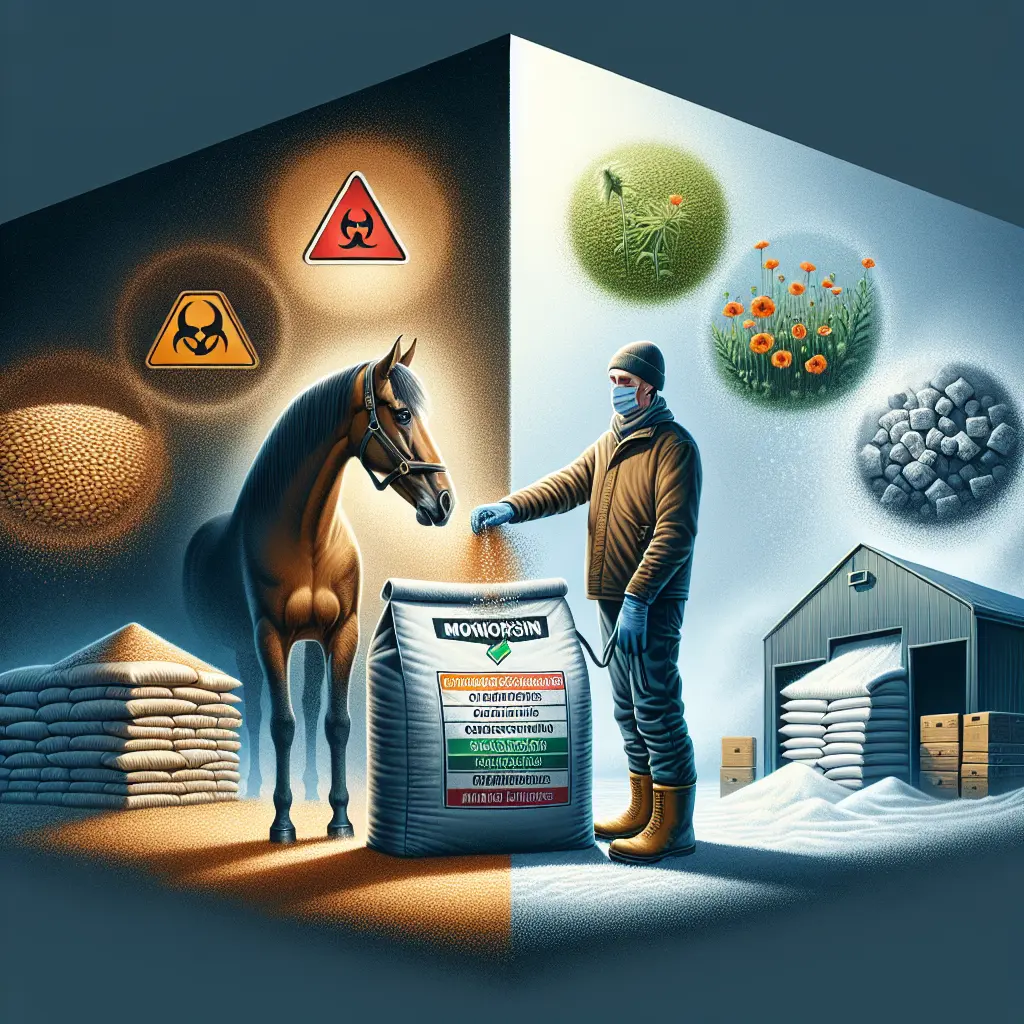
The Deadly Risk of Monensin
Among the concerning contaminants in horse feed is monensin, an antibiotic prominently used in cattle feed to boost feed efficiency and growth. Known under the trade name Rumensin, monensin is notoriously perilous to horses, with a fatal dose as low as 2-3 milligrams per kilogram of body weight, compared to 50-80 milligrams per kilogram for cattle. Shockingly, breaches of feed safety protocol have had catastrophic outcomes[1][4][5].
Case Study: Tragedy at Beutler and Son Rodeo Co.
In a tragic incident, around 70 horses succumbed at the Beutler and Son Rodeo Co. ranch in Oklahoma due to monensin-contaminated feed. This calamity was traced back to a failed cleanout procedure and a sensor malfunction at the feed mill. To prevent such disasters, it is paramount to procure feed from facilities that operate as either "ionophore-free" or "ionophore-safe"[1].
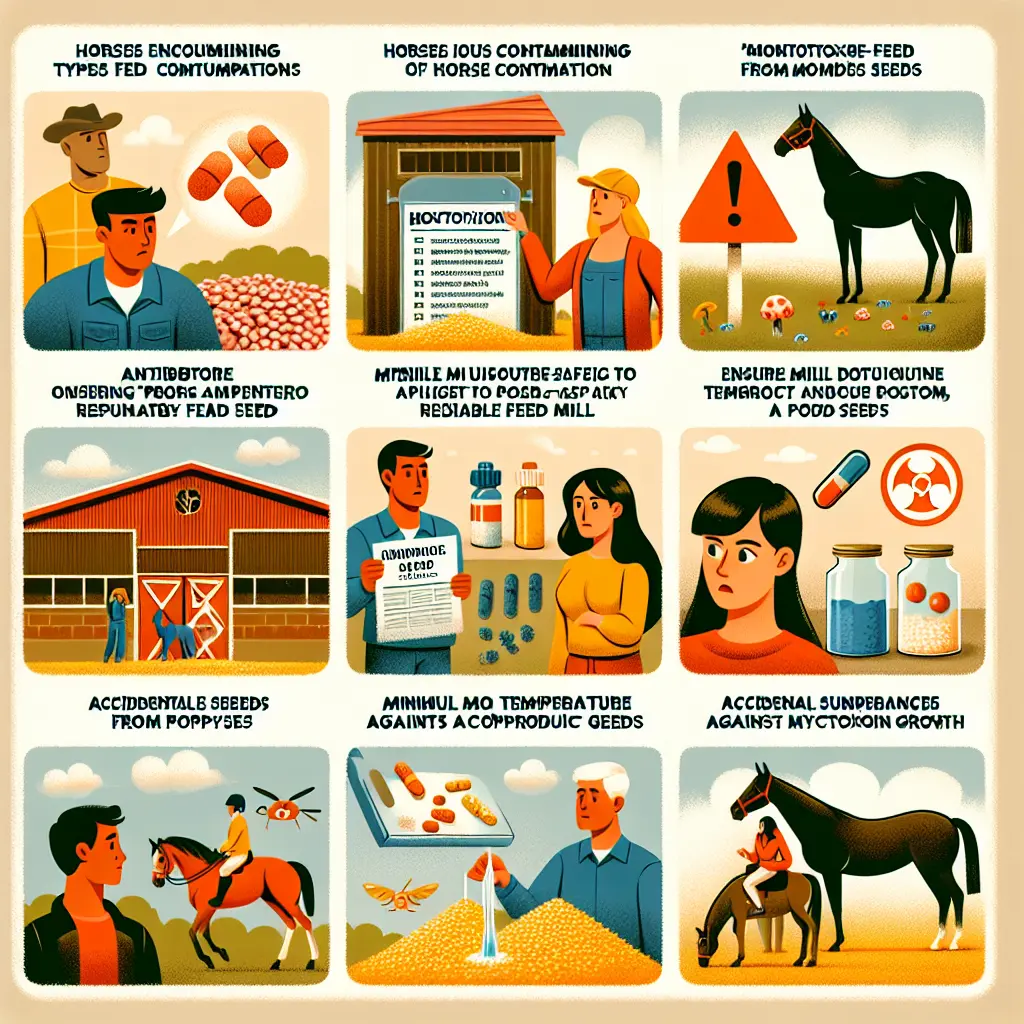
The Insidious Threat of Mycotoxins
A lurking danger in horse feed is mycotoxins – toxic byproducts of molds and fungi. Present in grains, forages, and hay, these toxins hover ominously due to their persistence during storage. Mycotoxins impair protein synthesis, posing significant impacts on a horse’s physiology and tissue repair mechanisms[2].
Mitigating Mycotoxin Exposure
Albeit complete eradication of mycotoxins is improbable, their detrimental effects can be considerably reduced. By closely monitoring the moisture and temperature levels during storage, the growth of mycotoxin-producing molds can be reasonably controlled. Be vigilant for signs of mycotoxin exposure, such as variations in appetite or behavior, and consult a veterinarian promptly upon suspecting contamination[2].
Other Contaminants: Ractopamine and More
Besides monensin and mycotoxins, other contaminants hold great menace. For instance, ractopamine, utilized in cattle and pig operations to spur growth, has been detected in horse feed, precipitating positive drug tests and subsequent penalties in competitive events. Consequently, this compounds the threat posed by contamination within the feed supply chain due to the absence of a mandated clearance period ahead of slaughter[4].
Unexpected Contaminants - Morphine and Codeine
There have been alarming cases involving morphine and codeine contamination due to inadvertent inclusion of poppy seeds during harvesting and processing. For instance, eight horses tested positive for morphine following consumption of feed from Dodson & Horrell Feed Company, contaminated with poppy seeds[4].
Prevention is Key
With potential dangers escalating, it is imperative for horse owners to profoundly implement proactive steps ensuring their horses’ feed is safe and sound:
Choose the Right Feed Mill
Opt for feed from facilities either ionophore-free or ionophore-safe. Connect with your feed provider to discern the type of facility manufacturing their products[1][3].
Monitor Your Horses
Observe any fluctuations in your horses' behavior or appetite. Should a horse be reluctant to eat its feed, take swift action by withdrawing the feed, securing samples for analysis, and consulting your veterinarian[1].
Store Feed Properly
Ensure that feed meant for other livestock is secured separately from horse feed to thwart accidental contamination[3].
Read Labels Carefully
Always peruse product labels with scrutiny and pose inquiries if uncertain about the feed’s safety[3].
Conclusion
The safety of horse feed is a pivotal concern that must never be disregarded. By apprehending the potential dangers such as contaminants like monensin, mycotoxins, and others, horse owners can adeptly undertake informed measures to shield their equine friends. Always prioritize acquiring high-caliber, safe feed, and remain vigilant for any symptoms of contamination. Remember, your horses' well-being hinges on these actions.
For further insights, be sure to explore our Jodhpur Collection, Horse Riding Boot Collection, and accessory offerings such as our Horse Riding Gloves and Socks Collection. Tailor your horse's lifestyle with Horse Treats and Gifts, or fortify their diet with our Everyday Horse Vitamins & Supplements.