

Understanding Navicular Disease in Horses: Separating Myths from Facts
Navicular syndrome, often referred to as "navicular disease," is a significant concern for horse owners, primarily causing forelimb lameness in middle-aged horses. It's a multifaceted syndrome that affects the navicular bone, bursa, ligaments, and the deep digital flexor tendon (DDFT) rather than just one bone. Advanced imaging techniques, like MRI, have proven crucial in diagnosing the complexities associated with this syndrome. According to veterinary studies, abnormalities in the navicular bone were found in 86% of 72 horses, with other foot structures like the DDFT and collateral sesamoid ligament (CSL) engaged in many cases as well.
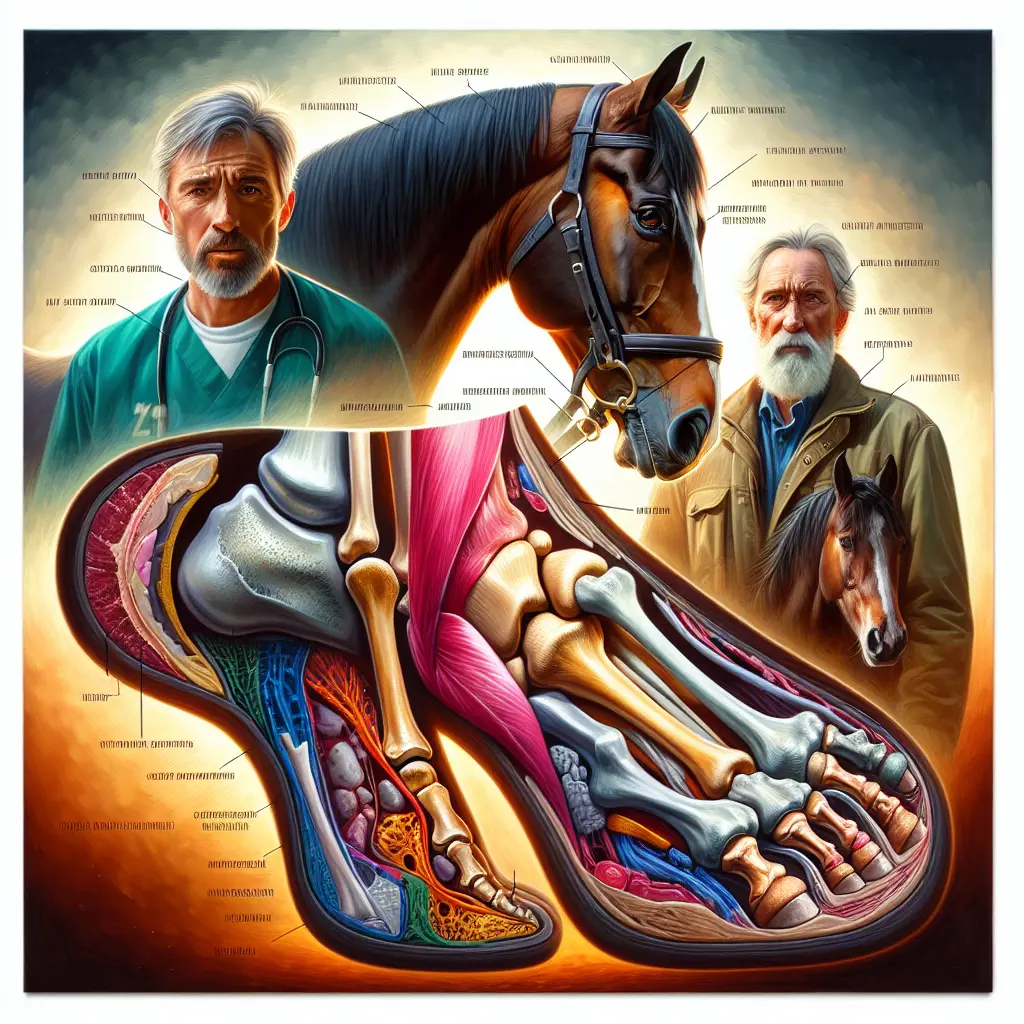
This blog delves into the truths behind navicular syndrome, clarifying myths with facts supported by research and veterinary expertise. Whether you're a horse owner noticing early signs of lameness or managing an already diagnosed case, you'll gain clear, actionable insights validated by scientific research.
What Is Navicular Syndrome? The Facts
The term navicular syndrome encompasses the degeneration or damage to the "navicular apparatus"—these structures in the horse's foot are vital for movement and shock absorption. It's predominantly seen in breeds like American Quarter Horses, Thoroughbreds, and Warmbloods, typically manifesting bilaterally in horses aged 7-14 years.
Key findings from MRI assessments reveal high incidences of navicular bone and related foot structures with abnormalities. For instance, in a study of 72 horses showing recent lameness but normal X-rays, 86% had navicular bone changes, with collateral sesamoid ligament alterations noticed in 75%.
Myth 1: It's Always a Death Sentence for Your Horse
Fact: While the prognosis can be guarded, many horses remain functional with appropriate management. Though lifelong treatment and care are often necessary, complete return to competitive performance is rare but not impossible. Early interventions, such as corrective shoeing, have a reported success rate of 97% if started within ten months and 54% if delayed beyond a year. Moreover, surgical options like palmar digital neurectomy (PDN) have shown to restore soundness in 88% of cases a year post-operation.
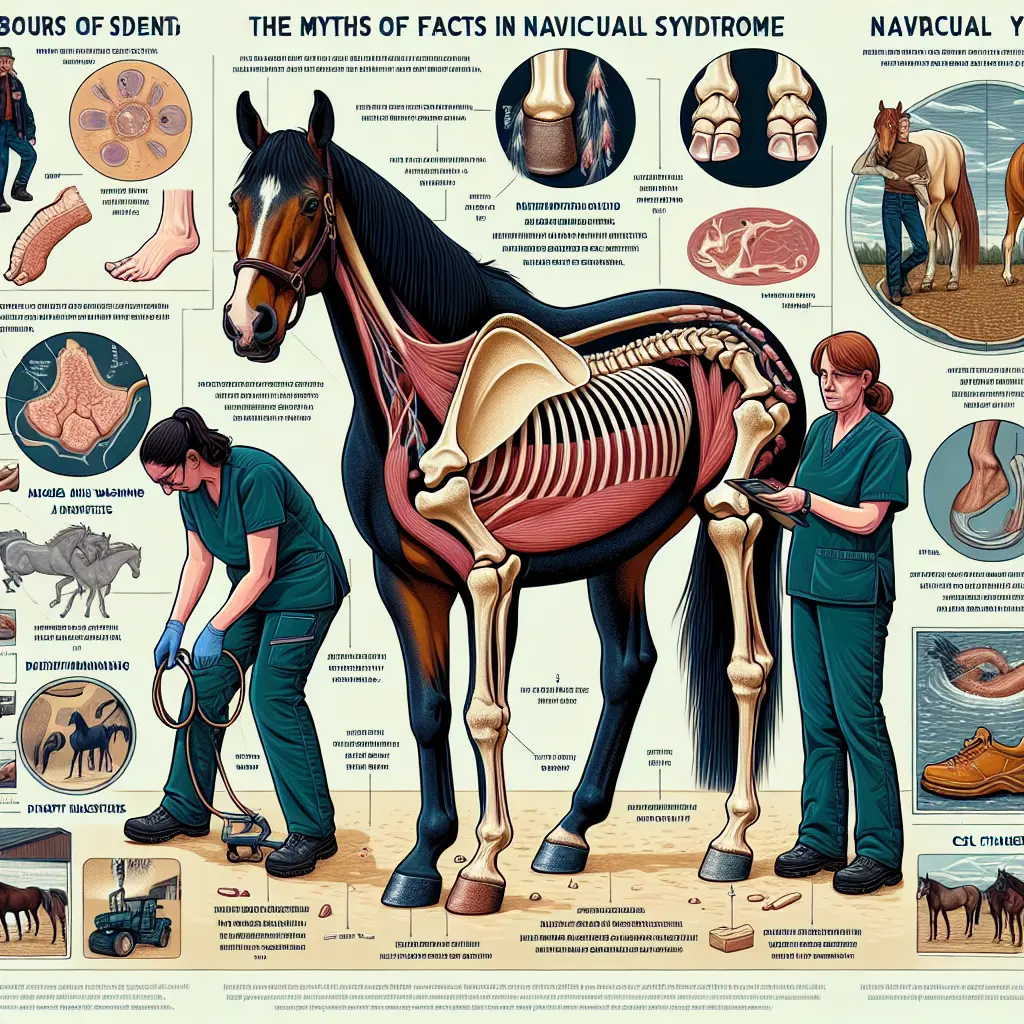
Myth 2: Navicular Only Affects the Navicular Bone
Fact: Contrary to the outdated view that it simply involves bone erosion, navicular syndrome affects multiple foot structures. MRIs often show that horses presumed to have navicular bone issues alone actually exhibit a broader spectrum of structural impacts, explaining the varied responses to treatments like bursal injections.
Myth 3: Any Horse Can Get It—It's Just Bad Luck
Fact: Several risk factors contribute to the development of navicular syndrome, including conformation, genetics, and management practices. For instance, horses with high weight-to-foot-size ratios such as hefty warmbloods with smaller hooves are more vulnerable. Studies show 75% of affected horses have broken foot-pastern axes, and here too, those with a mediolateral imbalance are at increased risk.
Recognizing Signs: What to Watch For
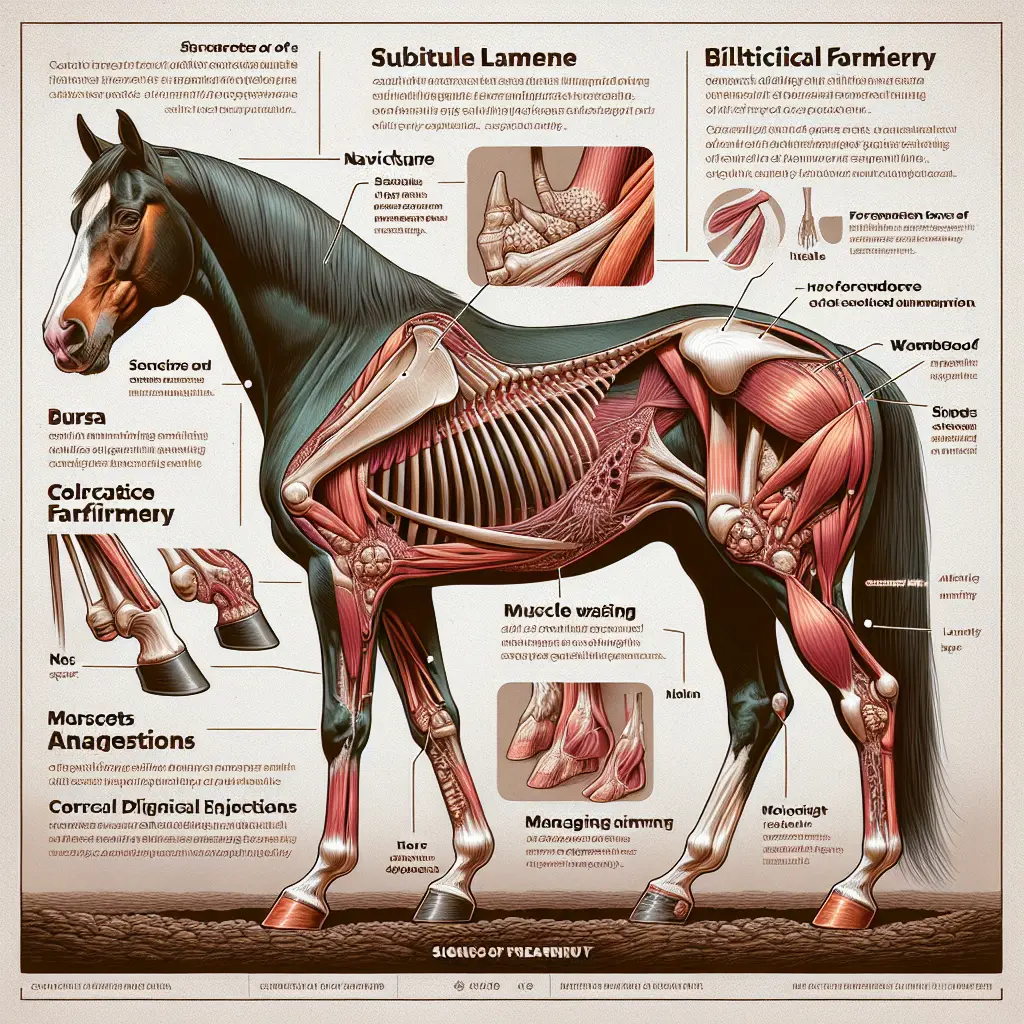
Lameness in horses with navicular syndrome is often subtle initially but worsens with increased activity. Common indicators include bilateral forelimb lameness, muscle wasting in the shoulder and chest area, increased pain upon hoof flexion, and improvement with joint blocks. Specifically, about 91% gain relief from distal interphalangeal joint block.
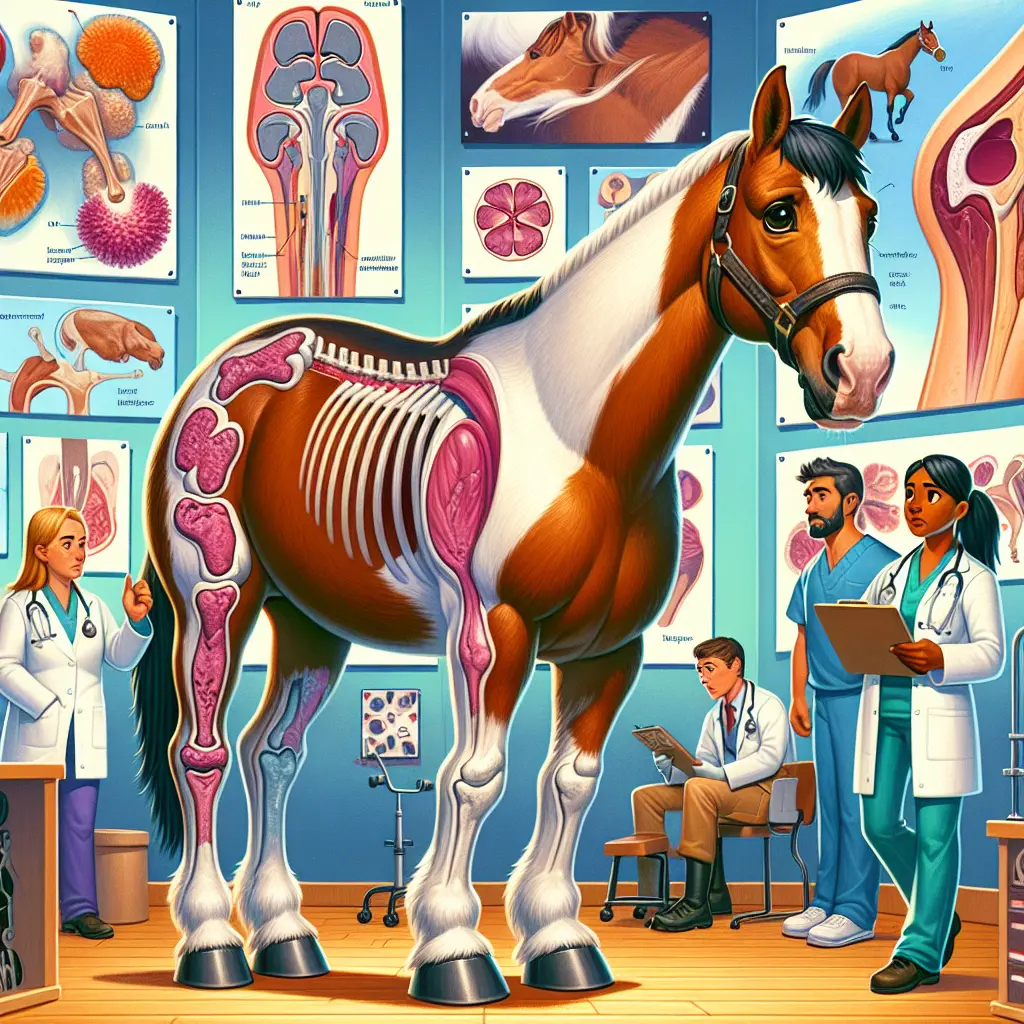
Diagnosis: Beyond X-Rays
A comprehensive diagnostic approach is essential since standard radiographs might miss early changes. A combination of lameness examinations, nerve blocks, and advanced imaging like MRIs are utilized to detect navicular syndrome. MRI studies have demonstrated that 86% of navicular bone issues evade x-ray detection.
Treatment Options: What Works Best
While there's no cure for navicular syndrome, a combination of treatments can provide comfort and utility. Treatment success largely depends on personalization—what works for one horse might not work for another.
| Treatment Type | Description | Success Notes |
|---|---|---|
| Corrective Farriery | Adjusting shoeing to lower heels and balance hoof structures. | 97% success if initiated promptly. |
| NSAIDs | Long-term anti-inflammatory medications like Equioxx. | Commonly used for management. |
| Injections | Corticosteroid injections into the coffin joint or navicular bursa. | Effectiveness varies per horse. |
| Bisphosphonates | Drugs such as Osphos to alleviate lameness. | Proven to improve comfort and function. |
| Surgical | Procedures like neurectomy or navicular bursoscopy. | 88% reported sound at one-year post-operation. |
Prevention: Steps Every Owner Can Take
- Hoof Balance: Regular farrier assessments to maintain hoof symmetry and balance.
- Weight Management: Ensure your horse maintains a healthy body condition score, ideally around 5/9.
- Turnout: Encourage hoof circulation by limiting stall confinement.
- Early Intervention: Address lameness issues swiftly—early shoeing adjustments show significantly higher success rates.
Key Takeaways for Horse Owners
Managing navicular syndrome effectively hinges on distinguishing fact from fiction. While it's often breed-specific and multifactorial, tailored treatments combining farriery, medication, and sometimes surgery, guided by thorough diagnostics can significantly enhance your horse's well-being. For more personalized treatment plans, consulting with a vet experienced in advanced imaging can provide crucial insights.
For those invested in Equestrian Gear or supplements for optimal equine health, visiting Just Horse Riders offers a range of products tailored to enhance your riding and horse care experience.