

Exploring the Link Between Grey Horses and Melanoma: What Recent Studies Reveal
The elegance and majesty of grey horses have always captivated horse enthusiasts. However, recent research has drawn attention to a less romantic facet of their beauty: their increased susceptibility to melanoma. This blog will explore the genetic reasons behind this vulnerability, examine the prevalence of melanoma among grey horses, and discuss the latest advancements in treatment options.
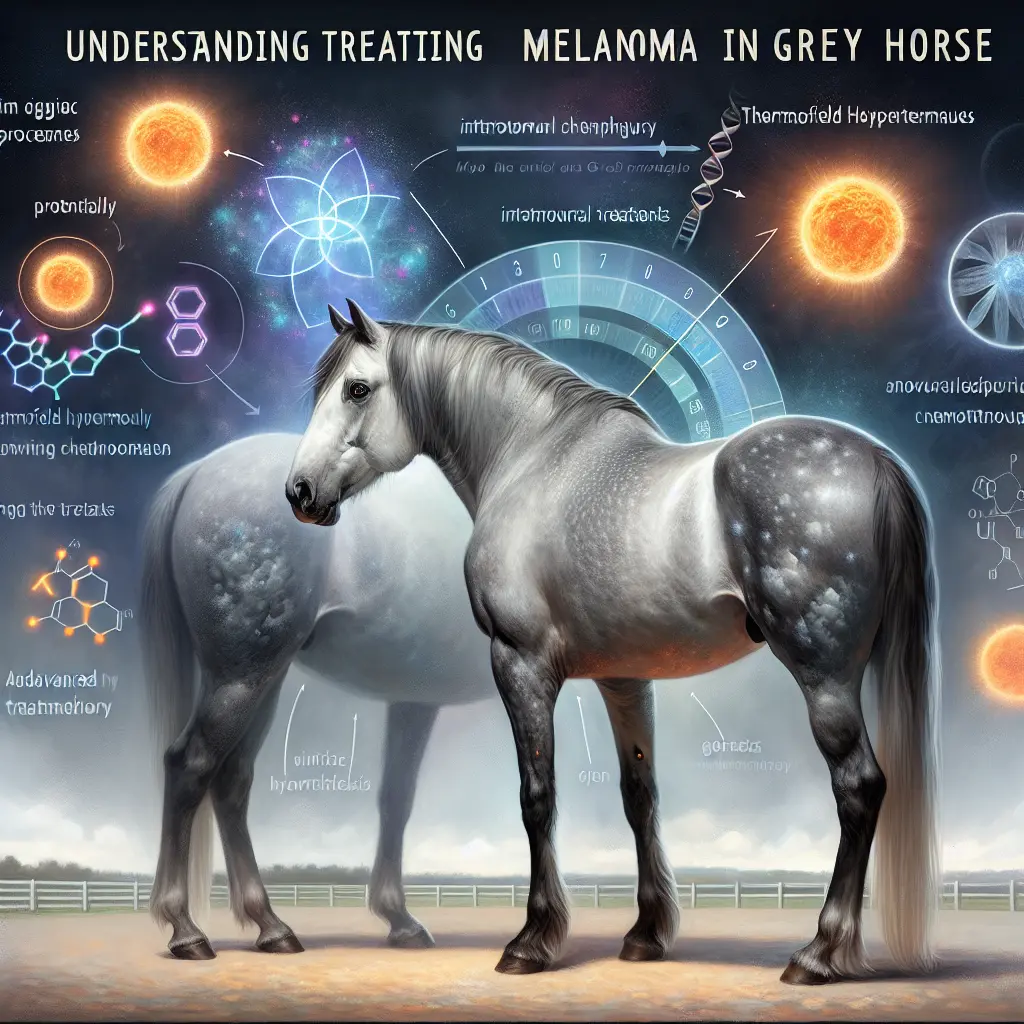
The Enigmatic Grey Locus
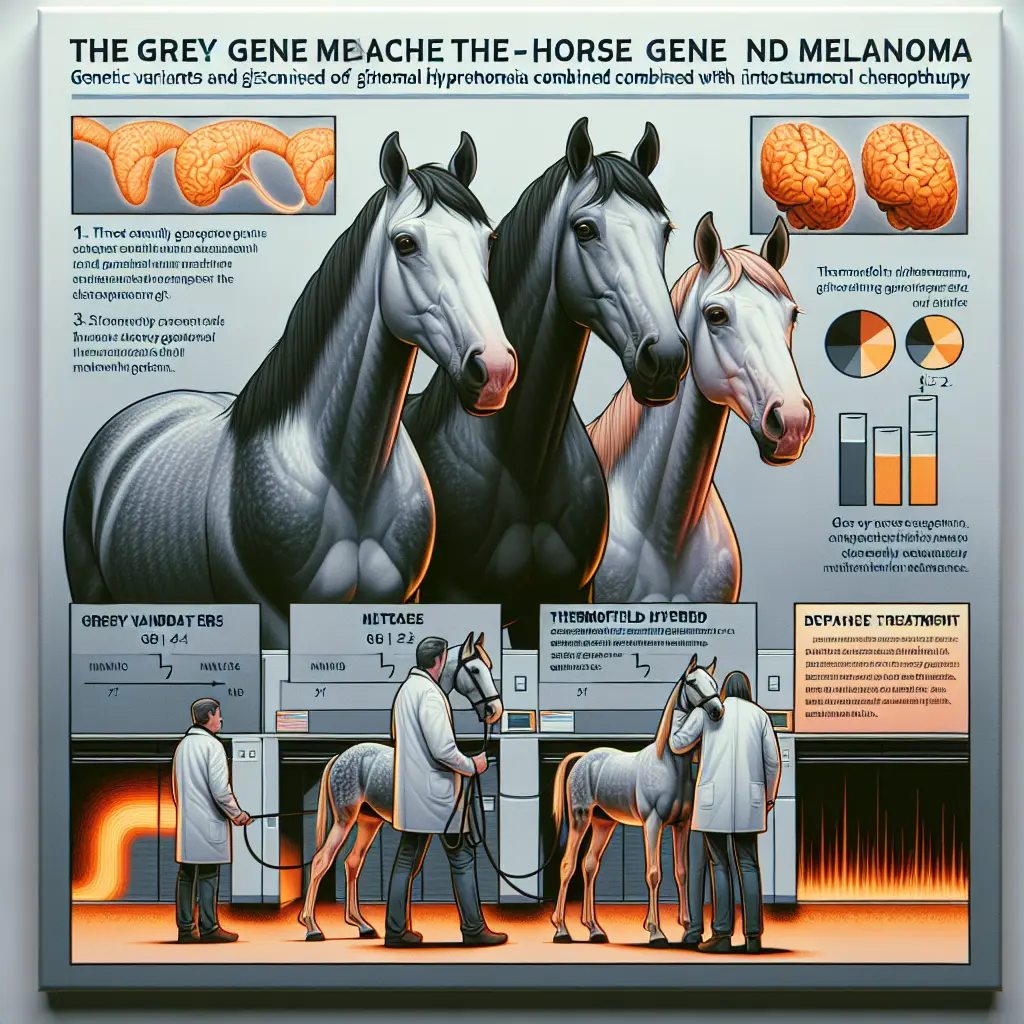
At the heart of the issue lies the Grey locus, a genetic variant that plays a pivotal role in the greying process of horses and their susceptibility to melanoma. Recent studies have identified three primary variants of this gene: G1, G2, and G3. The G3 variant is particularly significant due to its strong correlation with an increased melanoma risk.
The Distinct Variants
- G1 Variant: Known as the wild type, showing no duplication and normal greying.
- G2 Variant: Causes slow greying and does not notably increase melanoma risk.
- G3 Variant: Highly associated with melanoma due to three copies of the duplicated sequence.
Prevalence of Melanoma: A Growing Concern
A startling 80% of grey horses over the age of 15 develop melanoma, highlighting the necessity for vigilant monitoring and treatment. The high incidence rate underscores how significant this issue is within the grey horse population.
Insightful Population Studies
One study of Lipizzaner horses found that 50% of the 296 horses examined had dermal melanomas, with occurrences increasing significantly in horses over 15 years old [4]. These statistics offer a stark reminder of the critical need for continuous oversight from healthcare professionals and owners alike.
Cutting-edge Treatment Options
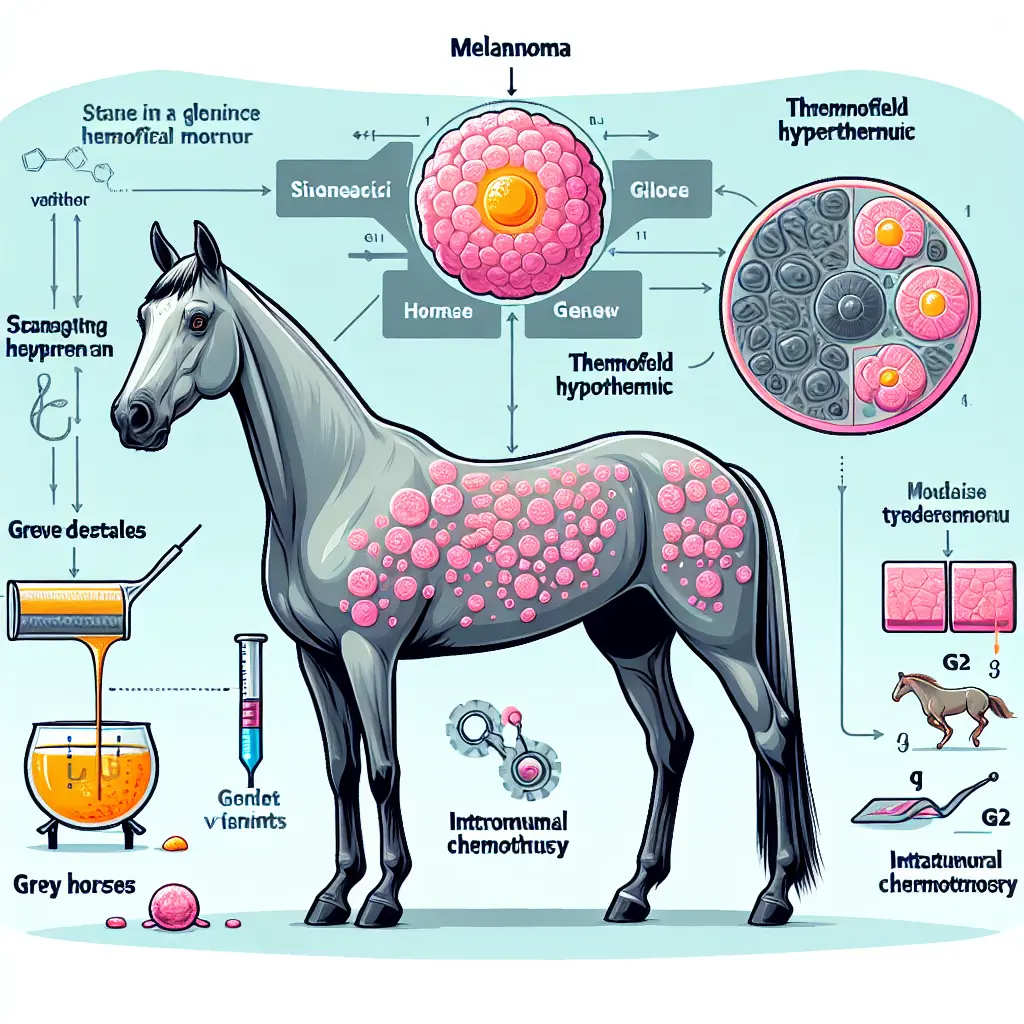
Recent advancements in treating melanoma in grey horses are promising. A novel approach integrating thermofield hyperthermia with intratumoral chemotherapy is emerging as a potentially powerful treatment. This dual method uses electromagnetic energy to heat the tumor, improving drug absorption while targeting cancer cells selectively [3].
The Dual-technique Explained
Typically offered by institutions such as the Royal Veterinary College Equine Referral Hospital, this treatment involves sedation, chemotherapy injection into the tumor, and subsequent hyperthermia treatments. The results of initial applications have been promising, showing a marked reduction in melanoma size without adverse effects.
Genetic Influence and Age: A Complex Tale
The interplay of genetics and age complicates the melanoma narrative. While the Grey locus certainly plays a role, age escalates the risk, thus making older grey horses particularly vulnerable. The quest to understand these dynamics more thoroughly continues, but current studies offer a vital insight into this hazard.
Navigating the Future: Research and Prospects
Ongoing research offers hope. As we delve deeper into genetic understanding and treatment efficacy, the path to reducing melanoma cases becomes clearer. From adapting dietary supplements to introducing new genetics-based interventions, the journey is pioneering and crucial for enhancing equine welfare.
Alongside direct treatments, resources like supplements from Just Horse Riders can contribute to an overall healthy lifestyle for horses, potentially impacting melanoma risk over time.
Conclusion: Toward Better Health for Grey Horses
While the connection between grey horses and melanoma is multifaceted, understanding genetic predispositions and exploring innovative treatments present a hopeful future. By staying informed and proactive in caring for these magnificent creatures, owners and veterinarians alike can converge on a shared goal of improved health outcomes for grey horses.
For more on horse care and equestrian equipment, explore our comprehensive collections of Jodhpurs, Riding Boots, and Gloves—all designed to meet the needs of equestrian enthusiasts like you.