

Are Height Details on Horse Passports Accurate or Misleading?
When it comes to horse passports, a critical detail recorded is the horse’s height, taken at the highest point of the withers. This measurement plays a crucial role in classification, competition eligibility, and even valuation. However, many horse owners and enthusiasts wonder: Are the height details on horse passports truly accurate, or can they be misleading? This blog explores the factors affecting height measurements, the procedures used, and the implications for owners and competitors.
Why Is Height Important on Horse Passports?
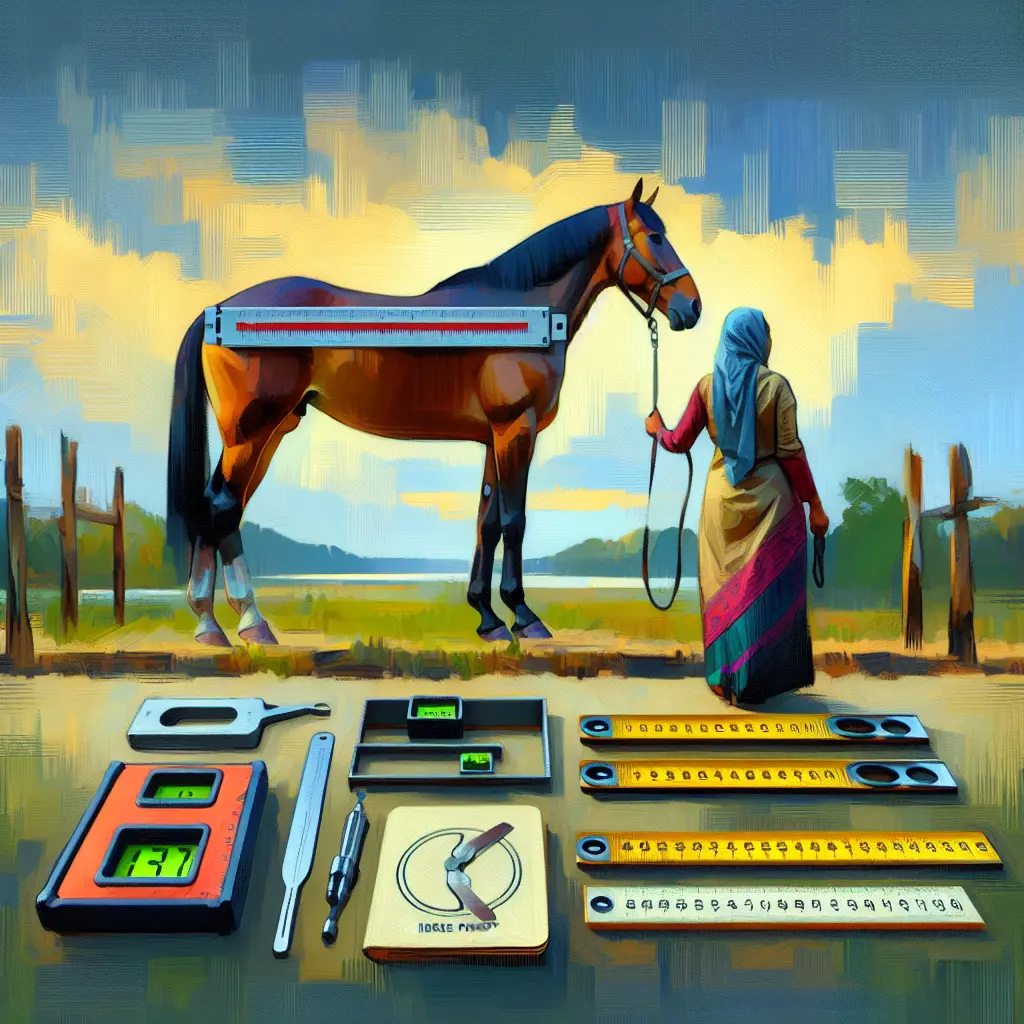
Height is not just a trivial statistic. It determines whether an equine is classified as a pony or a horse, which can influence competition categories and breeding regulations. For example, in many competitions such as the Olympics (Tokyo 2020), horses must measure over 148 cm to qualify as horses rather than ponies. Additionally, official equine measurement schemes impact registration, sales value, and even insurance.
How Is Height Measured?
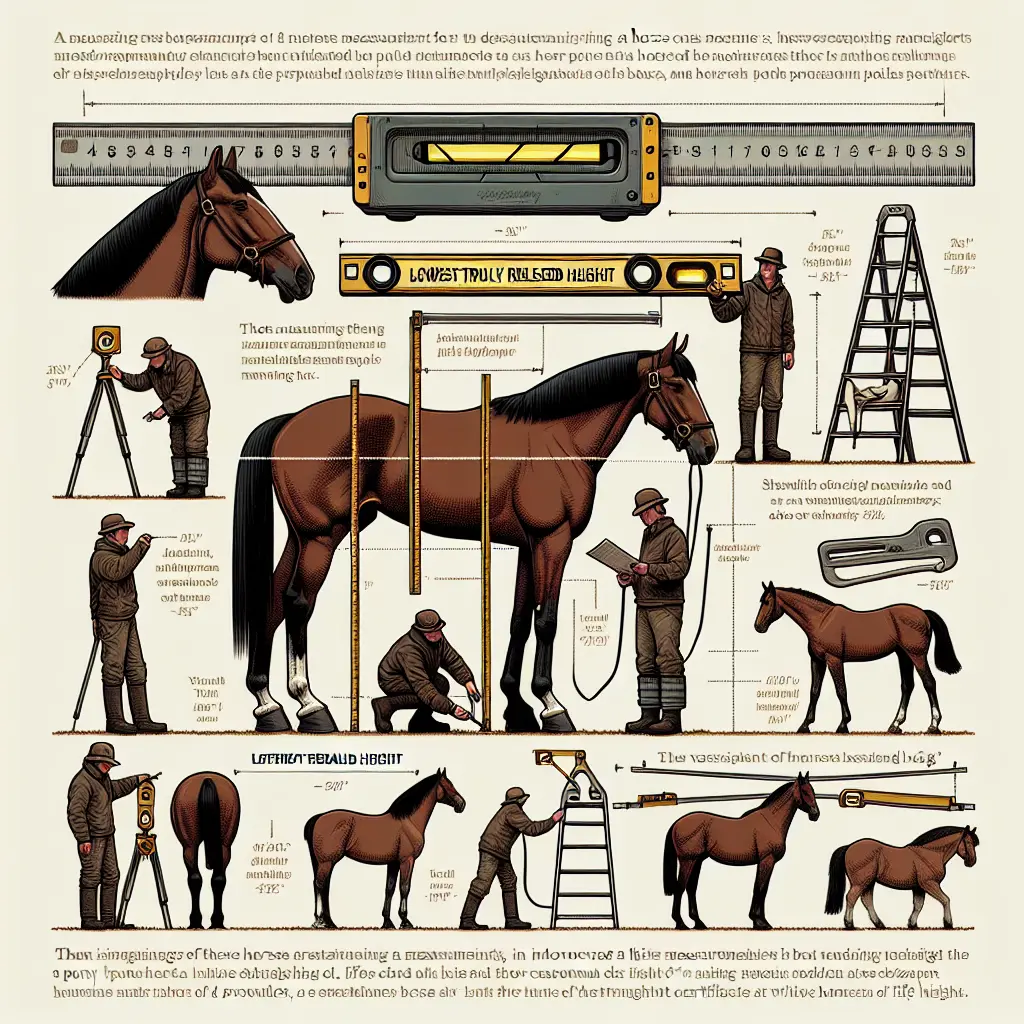
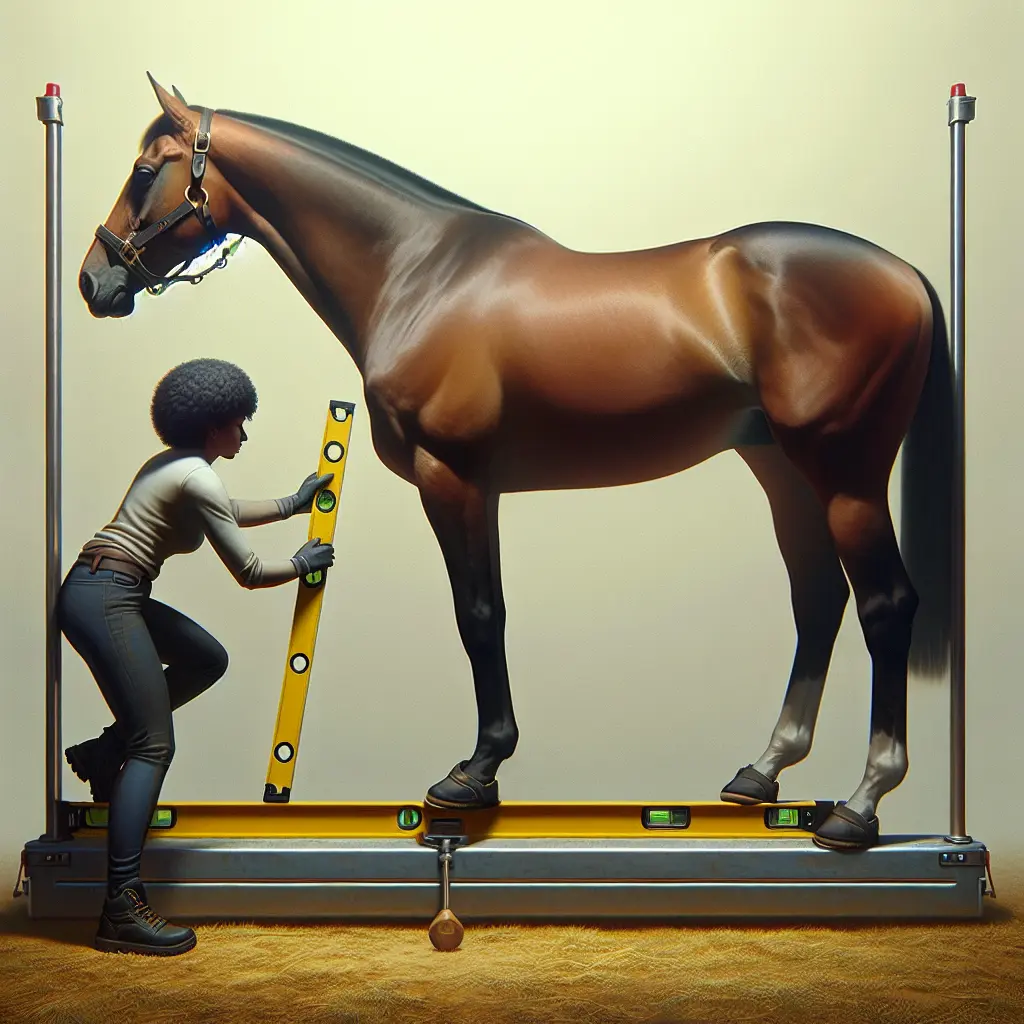
Height is measured from the ground to the top of the withers. The measurement must be taken when the horse is standing square and relaxed to ensure consistency. Official bodies like the Joint Measurement Board (JMB) in the UK have been verifying heights for decades using a traditional wooden measuring stick along with spirit levels for accuracy.
- Horses and ponies aged 8 years and over are eligible for a Full Measurement if they have had at least one valid annual measurement.
- Re-measurements can be requested if there is a dispute or noticeable change in height, with strict timeframes for compliance.
Factors That Affect the Accuracy of Height Measurements
Despite procedures, several factors contribute to variability in recorded height:
- Measurement equipment: Studies show that using two spirit levels instead of one can improve measurement accuracy by 57%.
- Multiple measurers: When different people measure the same horse, variability increases, with a spread of ±1.89 cm compared to ±1.06 cm when one person repeats measurements.
- Horse’s posture: Changes in the head position can slightly alter measured height, though post-exercise height remains largely stable.
- Environment and relaxation: A horse may appear up to 0.84 cm shorter after adapting to surroundings or after sedation.
- Shoes: International competitions allow height allowances for horses wearing shoes, as shoes add measurable height, affecting classification.
Are Height Details Misleading?
Given the above, height details on passports are not fundamentally misleading but rather a snapshot based on specific, controlled conditions. The measurement guidelines are strict to maintain fairness—especially since being marginally above or below 148 cm can change a classification from pony to horse, with real competitive consequences.
However, owners should be aware:
- The documented height is the lowest truly relaxed height recorded officially. Casual measurements taken outside of these conditions could be misleading if used for comparison.
- Since variability exists, the JMB allows for re-measurements to ensure fairness and accuracy if an owner disputes the recorded height.
- Height recorded early in life is interim and may be updated to a lifetime certificate at age eight, reflecting growth or changes.
In other words, horse passports provide the most accurate and standardized height data possible, but small fluctuations are inherent due to biological and procedural factors.
What This Means for Owners and Competitors
- Competitive fairness: Knowing the exact measurement rules helps competitors understand classifications and if re-measurement might be beneficial.
- Sales and value: Knowing that height may vary slightly helps buyers and sellers set realistic expectations.
- Care and handling: Owners should ensure their horse is calm and correctly positioned during official measurements to avoid discrepancies.
For the most reliable information, horse owners should refer to official bodies like the Joint Measurement Board (JMB) for measurement protocols and re-measurement options.
Conclusion
Height details on horse passports are accurate within controlled parameters and governed by long-standing, authoritative standards. While minor variations may occur due to equipment, personnel, and horse factors, these are accounted for by official procedures and allowances. Therefore, height details are reliable enough for classification, competition, and identification, but owners should appreciate the nuances behind these numbers to avoid misunderstanding.
By understanding how height is measured and the factors influencing it, horse owners and enthusiasts can better interpret height details on passports—recognizing them as accurate, standardized data rather than potentially misleading figures.