
Horse Riding Body Protectors
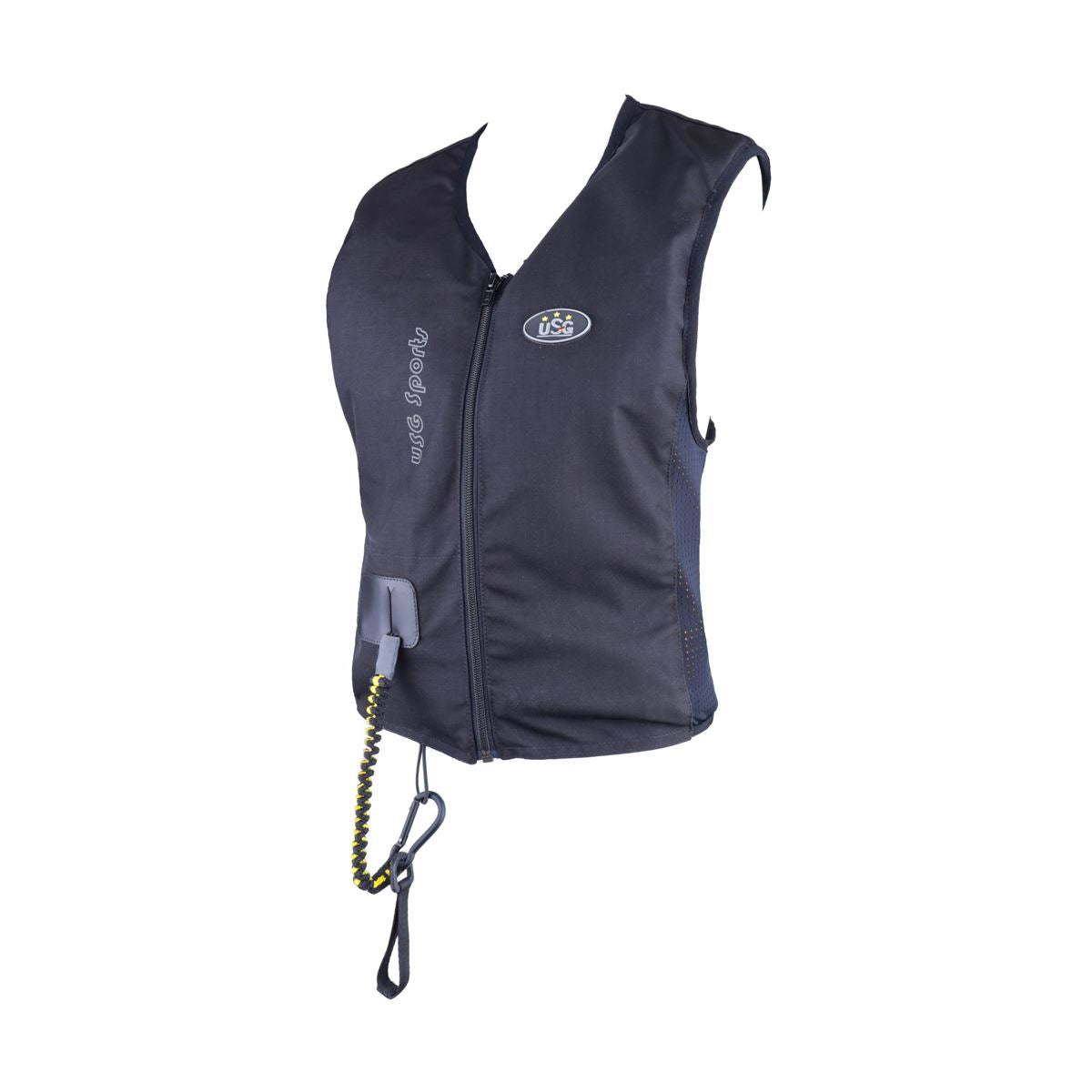
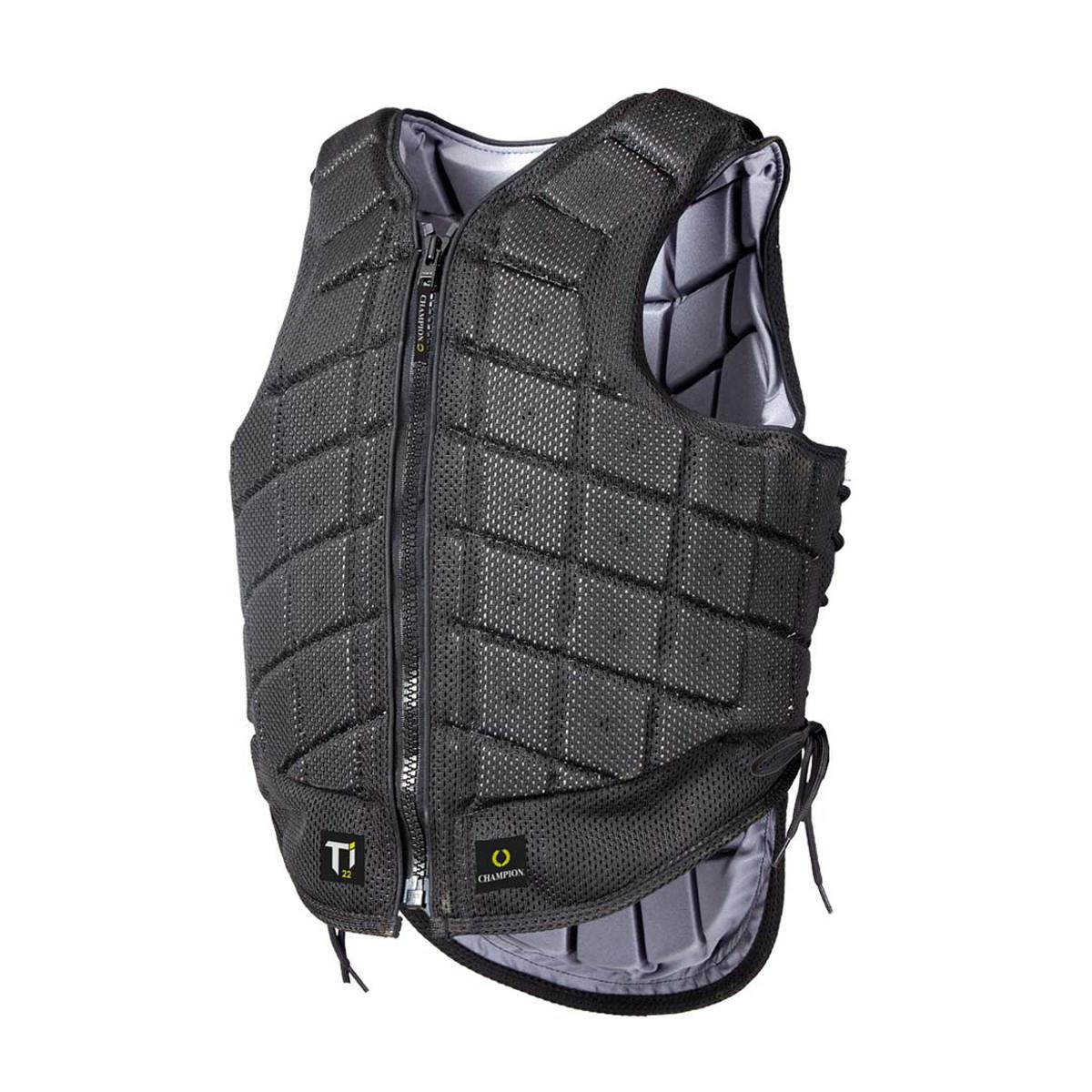
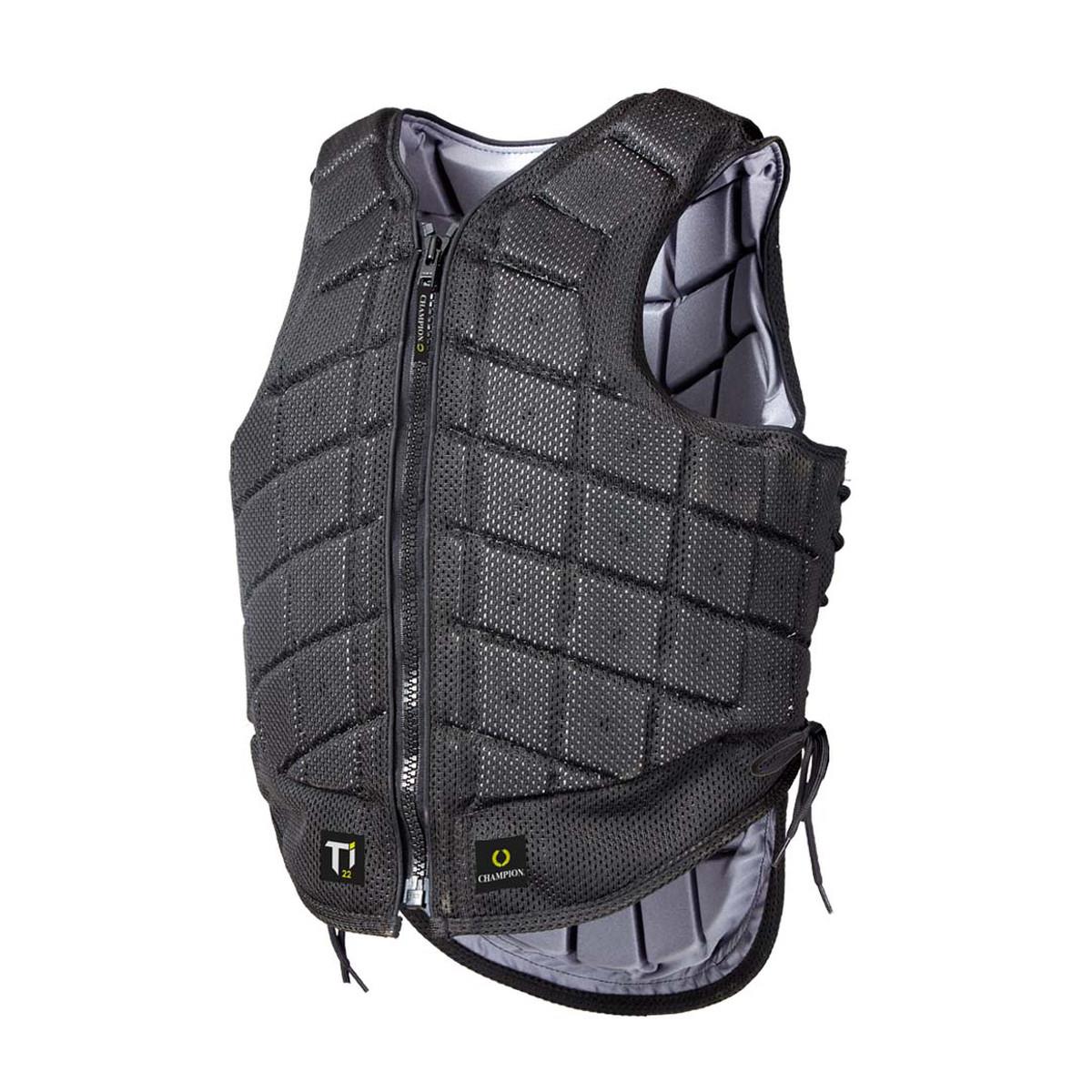
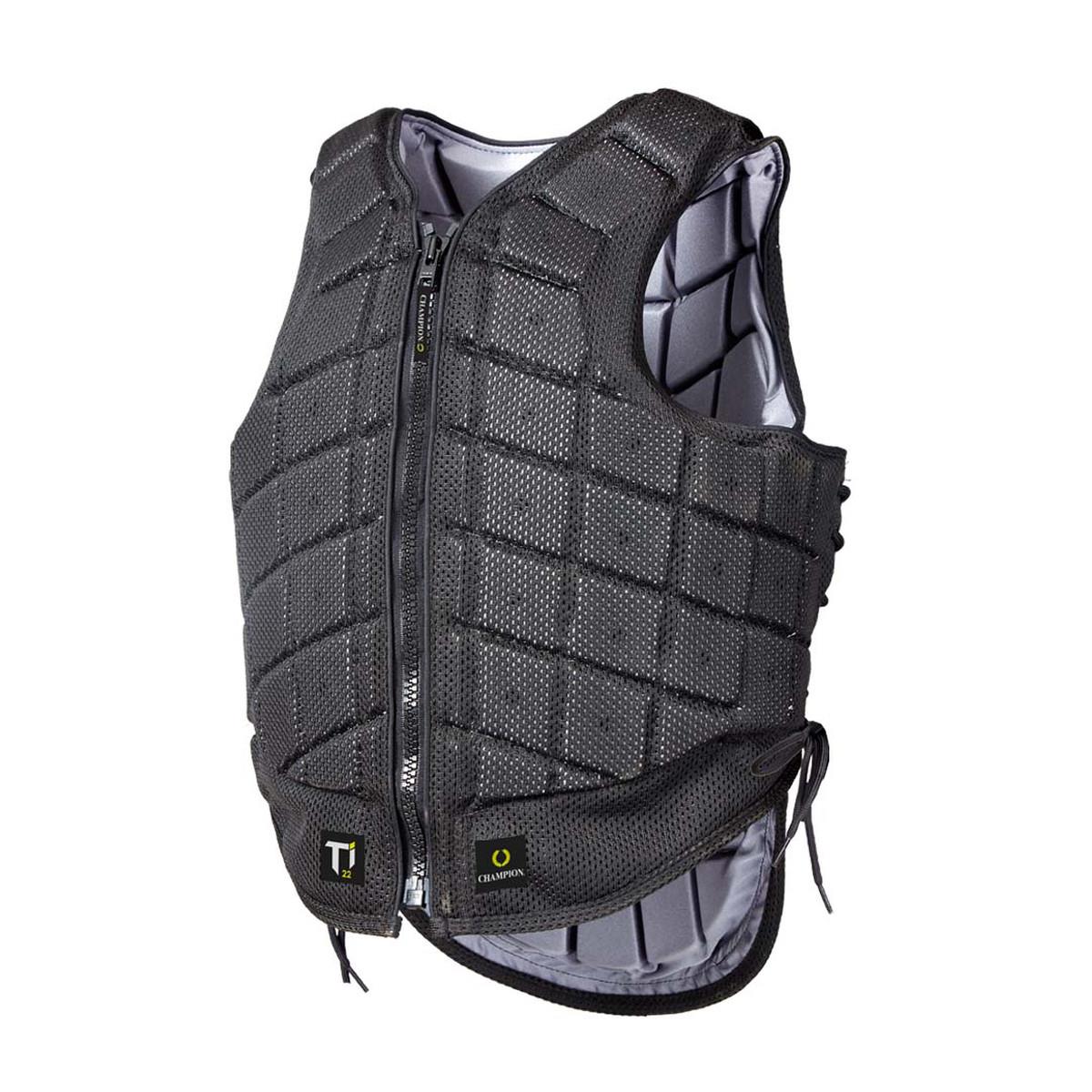
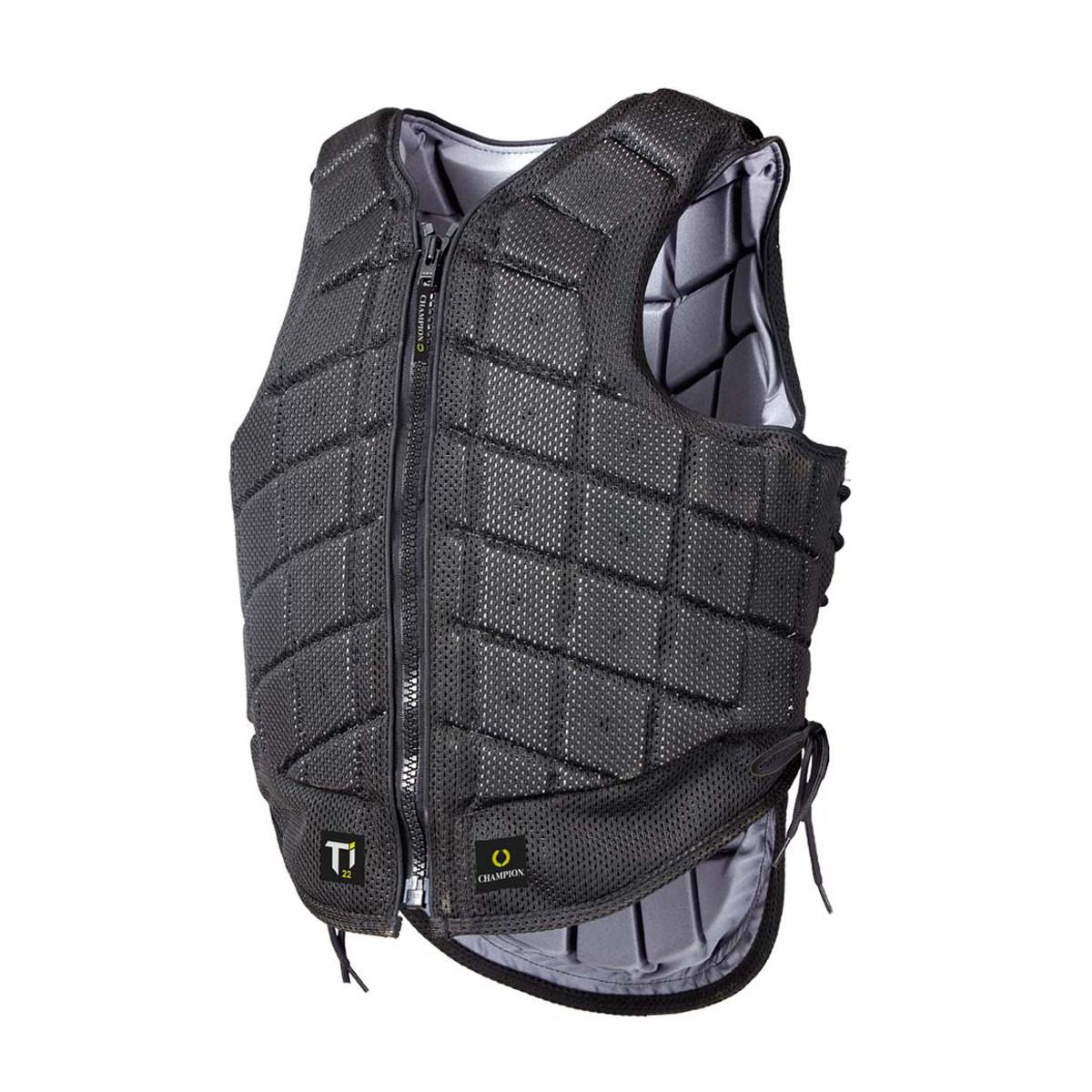
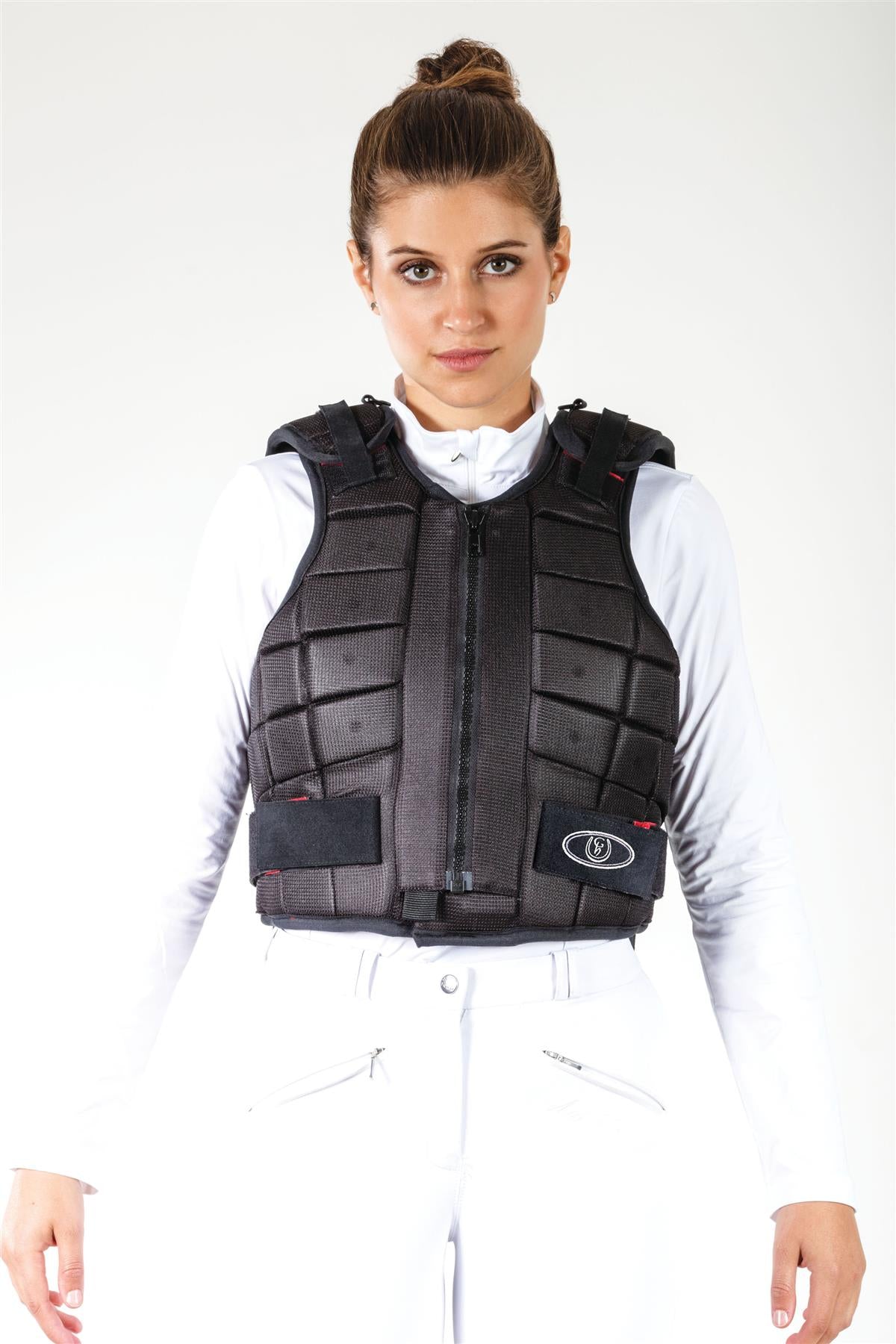
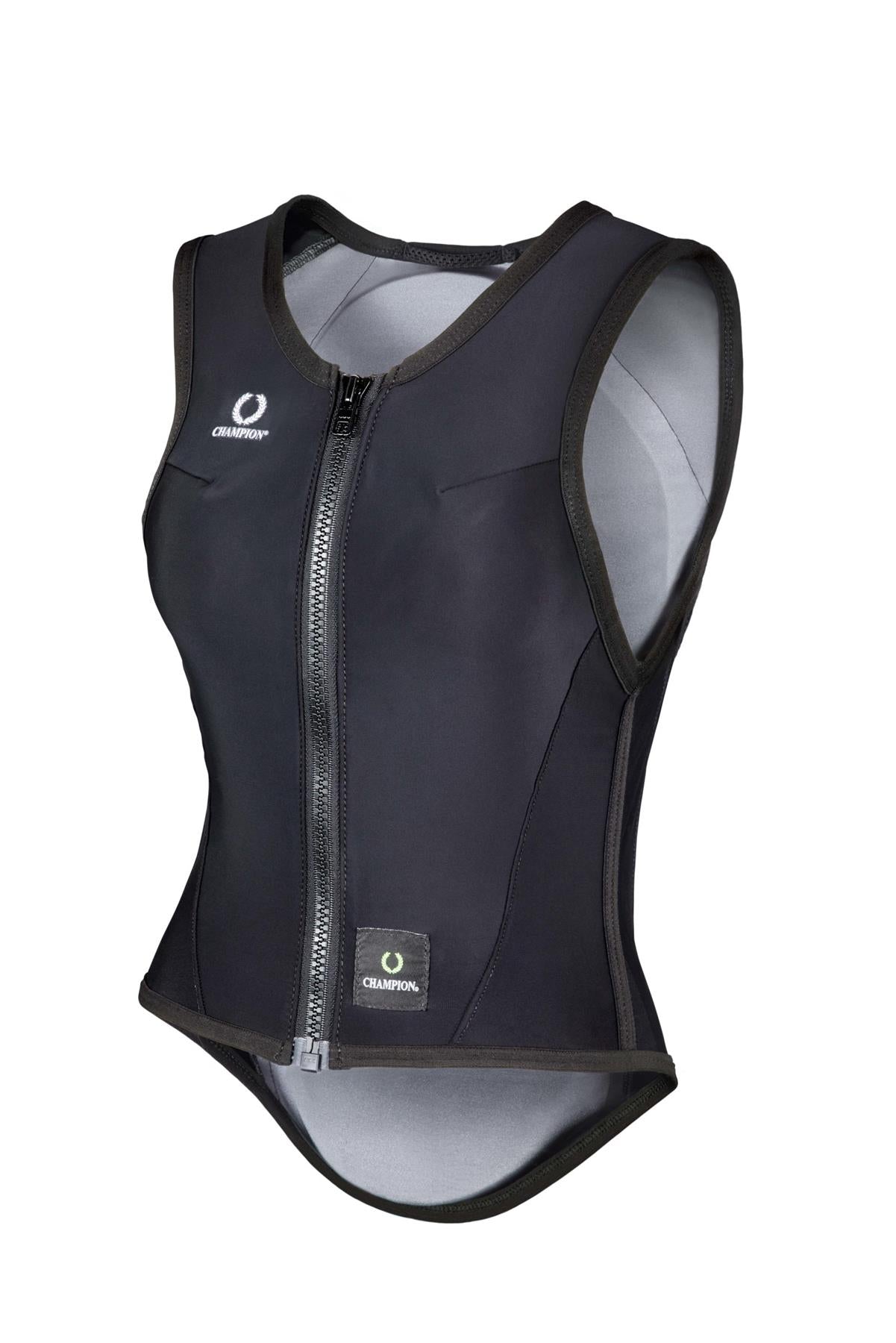
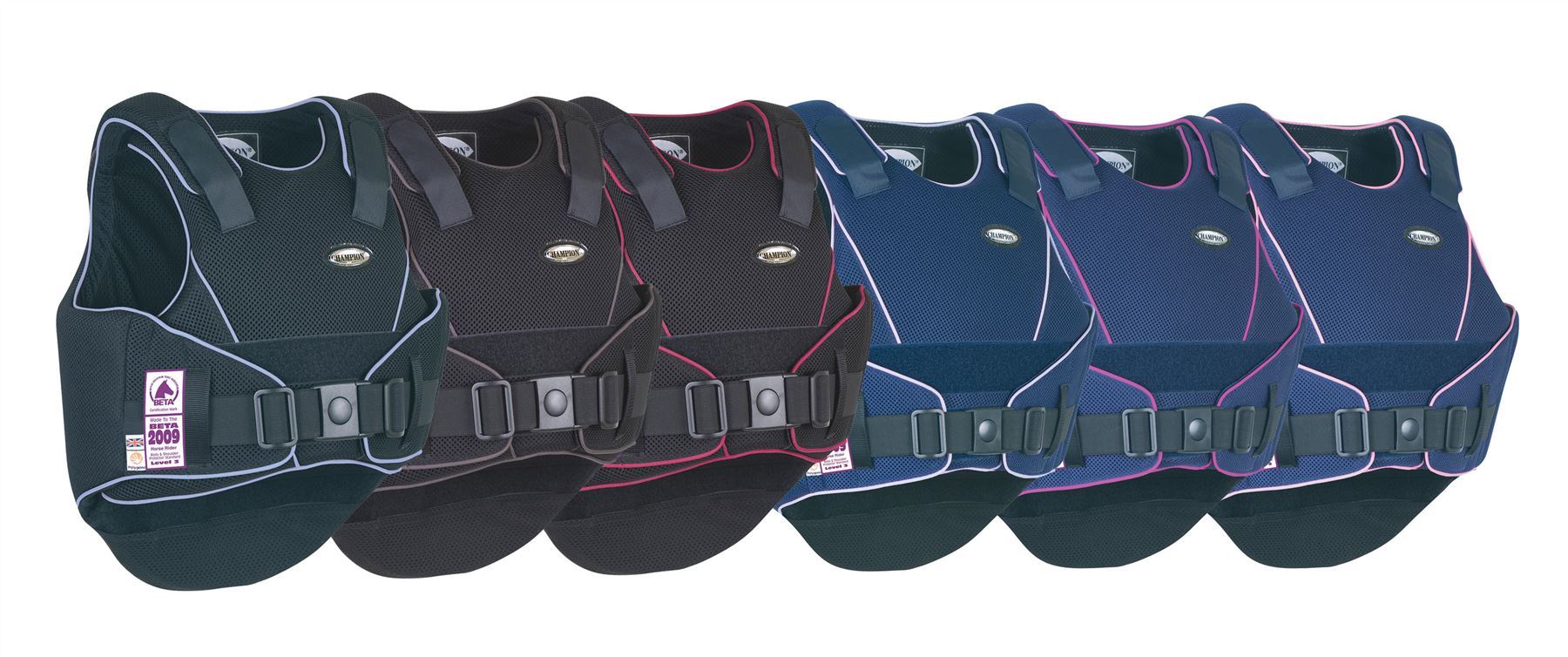
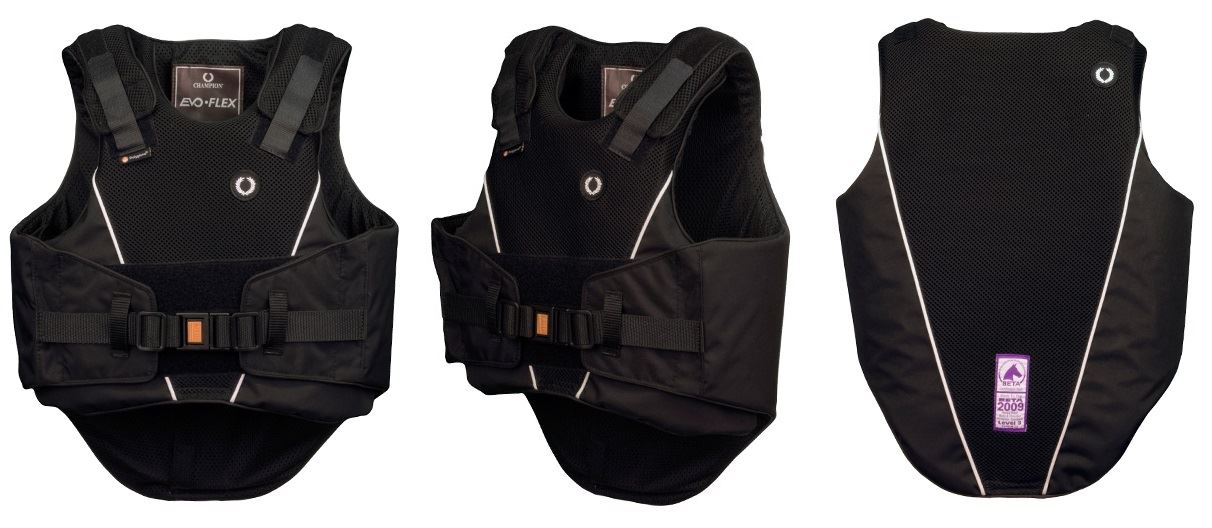
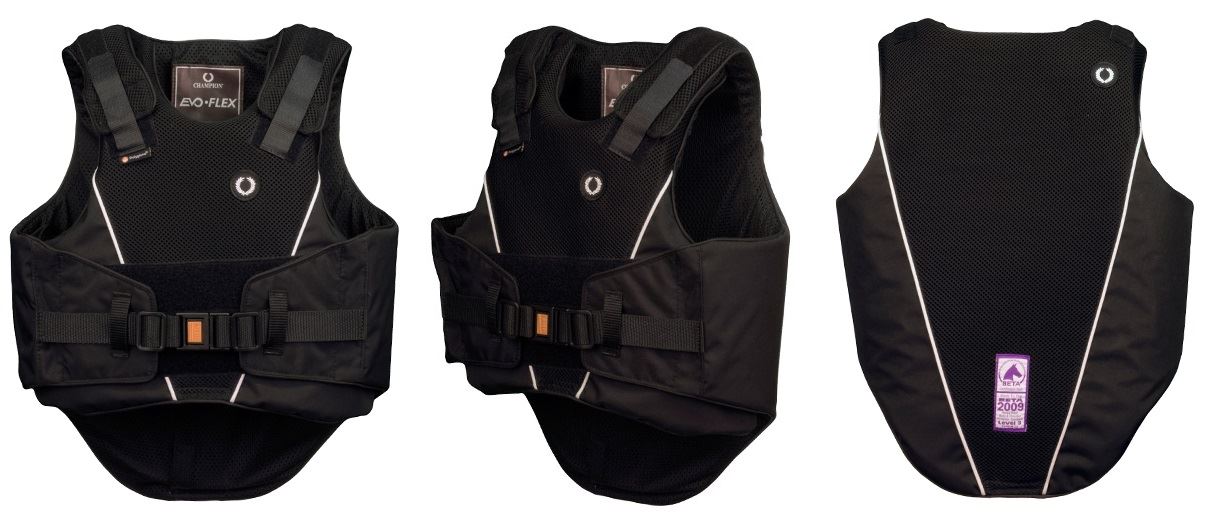
A body protector is a foam-padded safety vest worn over your riding clothes, designed to reduce the impact of a fall, kick or knock — no garment can prevent injury altogether. Three choices matter most: the protection level (BETA 2018 Level 3 is the standard for horse riding), the fit (a correctly fitted protector matters more than any brand name), and whether you also want an air vest on top for extra coverage. Just Horse Riders stocks body protectors, back protectors and air vests for adults and children from brands including Champion, Rhinegold, HKM, John Whitaker and USG, from around £38.
Free UK delivery over £50 · Fast next-day delivery available · 90-day returns · Family-run UK retailer, rated 4.9/5 by 14,500+ riders.
Body protector advice from the Just Horse Riders team — last reviewed July 2026.
Choosing a body protector
| Choice | What it means |
|---|---|
| BETA 2018 Level 3 | The current standard for horse riding. Most competitions that require body protection specify a Level 3 garment, and it is the sensible choice for everyday riding too. |
| Levels 1 and 2 | Lower-protection garments for niche uses — Level 1 is mainly for licensed jockeys. If in doubt, choose Level 3. |
| Fit | More important than brand. A protector should sit snugly over your riding clothes, cover the torso properly and stay put as you move. |
| Adult and child sizes | Many ranges run from child to adult sizing. Children grow quickly, so check the fit of a child's protector regularly. |
| Air vests | Inflating vests worn in addition to a Level 3 body protector for extra coverage — not a replacement for one. |
Getting the fit right
Put the protector on over the clothes you normally ride in. It should feel snug rather than tight, sit level at the shoulders without lifting when you raise your arms, and stay in place when you sit in a riding position. If it rides up, digs in or leaves obvious gaps, try another size — a well-fitted mid-price protector is a better buy than a poorly fitted expensive one. If you are between sizes or unsure, just ask.
When to replace a body protector
The foam in a body protector absorbs energy by compressing, so replace it after any significant impact, even if it looks undamaged. Foam also hardens gradually as it ages, so protectors should be replaced periodically — check the manufacturer's guidance for your garment. For the same reason, be cautious about buying second-hand: you cannot see what the foam has been through.
Body protector favourites
- Best value for children: Rhinegold Childs Pro Comfort Body Protector (from £69.49) — BETA 2018 Level 3, with lightweight segmented padding and Day-Glo piping for visibility.
- Best value for adults: Rhinegold Pro Tec Body Protector (from £73.29) — BETA 2018 Level 3 body and shoulder protection with an easy central zip.
- Child-to-adult sizing: HKM Body Protector Easy Fit (from £77.39) — certified to EN 13158 Level 3 and BETA 2018 Level 3, with flexible elements and sizes from child X-Small to adult X-Large.
- Flexible fit: USG Eco-Flexi Panel Body Protector (from £106.23) — Level 3 approved to EN 13158 and BETA 2018; shock-absorbing foam blocks mould to your shape.
- Step up: Whitaker Pro Body Protector (from £130.46) — BETA Level 3 with articulated panels for freedom of movement and a zipped front.
- Extra coverage: USG EquiAirbag AIXPLORER Air Vest (from £339.45) — airbag waistcoat with CO2 cartridge included, worn in addition to a body protector rather than instead of one.
Frequently asked questions
What level of body protector do I need for horse riding?
For riding, choose a garment certified to the current BETA 2018 standard at Level 3 — this is the level designed for horse riding, and most competitions that require body protection specify a Level 3 garment. Levels 1 and 2 offer less protection and suit niche uses rather than everyday riding.
How should a body protector fit?
Snugly, over the clothes you normally ride in. It should sit level at the shoulders, cover the torso without leaving gaps, and stay in place when you raise your arms or sit in a riding position. Correct fit matters more than brand, so try it on and move around before you rely on it.
When should I replace my body protector?
After any significant impact, even if it looks fine — the foam compresses to absorb energy and may not protect as well afterwards. Foam also degrades with age, so protectors should be replaced periodically in line with the manufacturer's guidance, and second-hand protectors are best avoided because you cannot see their history.
Can I wear an air vest instead of a body protector?
Air vests are designed to be worn in addition to a body protector for extra coverage, not instead of one. Most competitions that require body protection specify a Level 3 garment, which an air vest on its own does not meet.
Not sure which size or level is right for you? Tap the WhatsApp button at the bottom of the screen and the team will happily talk it through.