
Horse Riding Reins
Rubber Reins
Rubber, half rubber, plain, laced and web reins — plus side reins for lunging — in pony, cob and full.


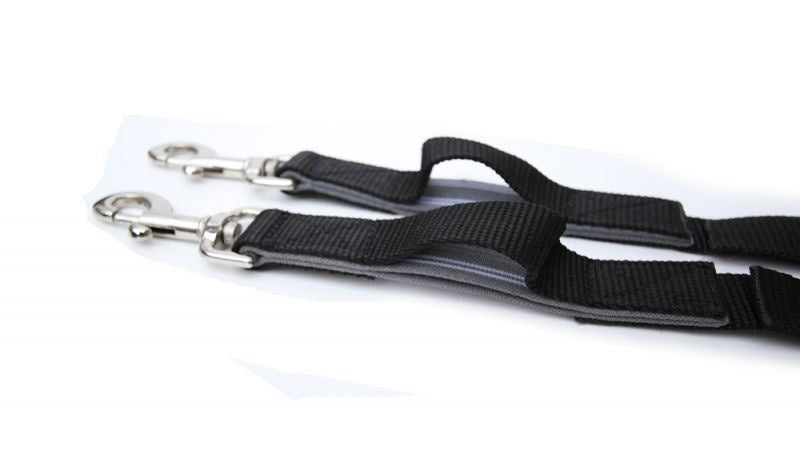
Rubber Reins
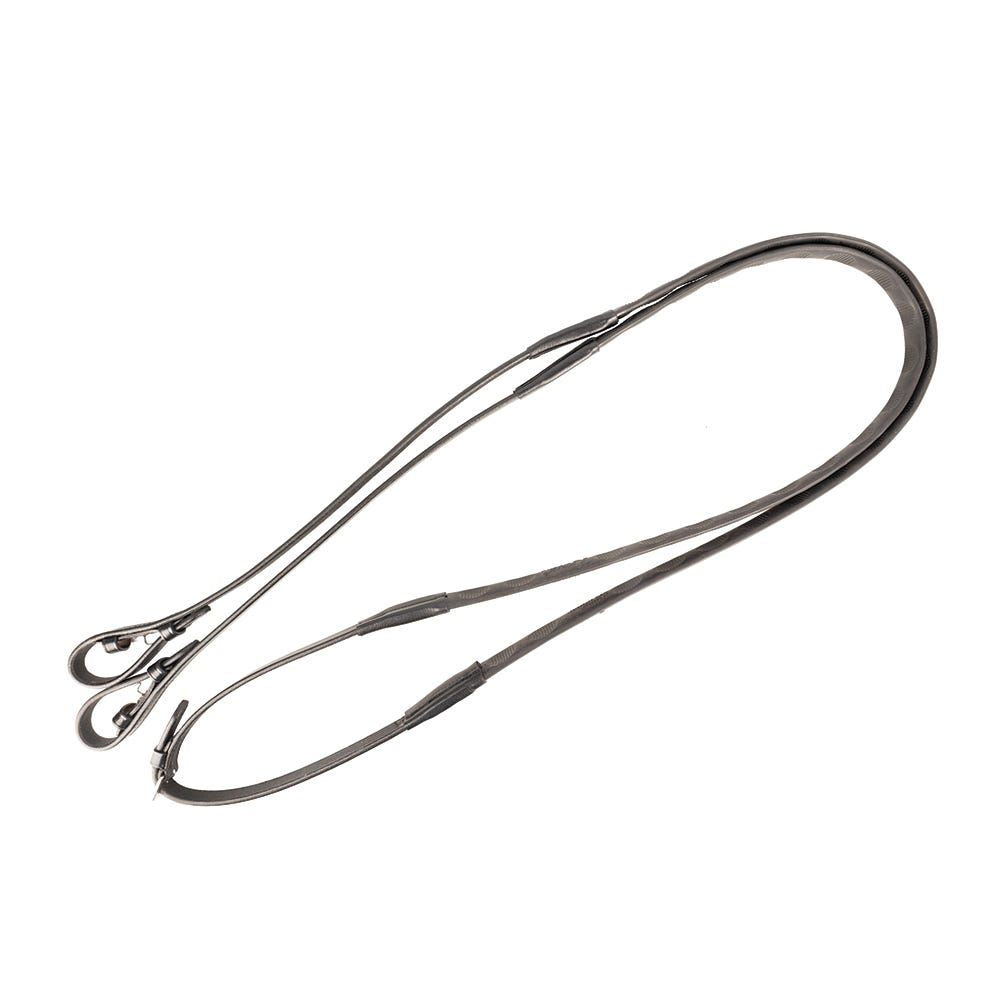
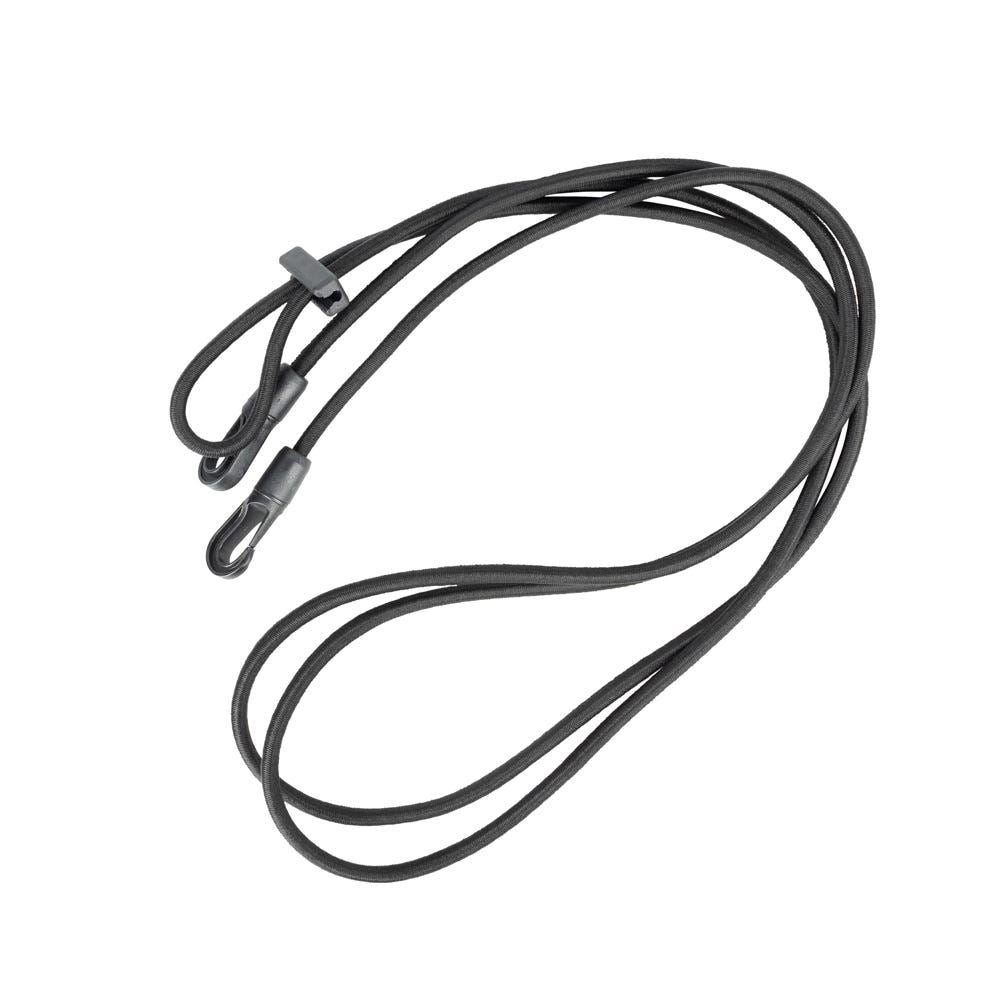
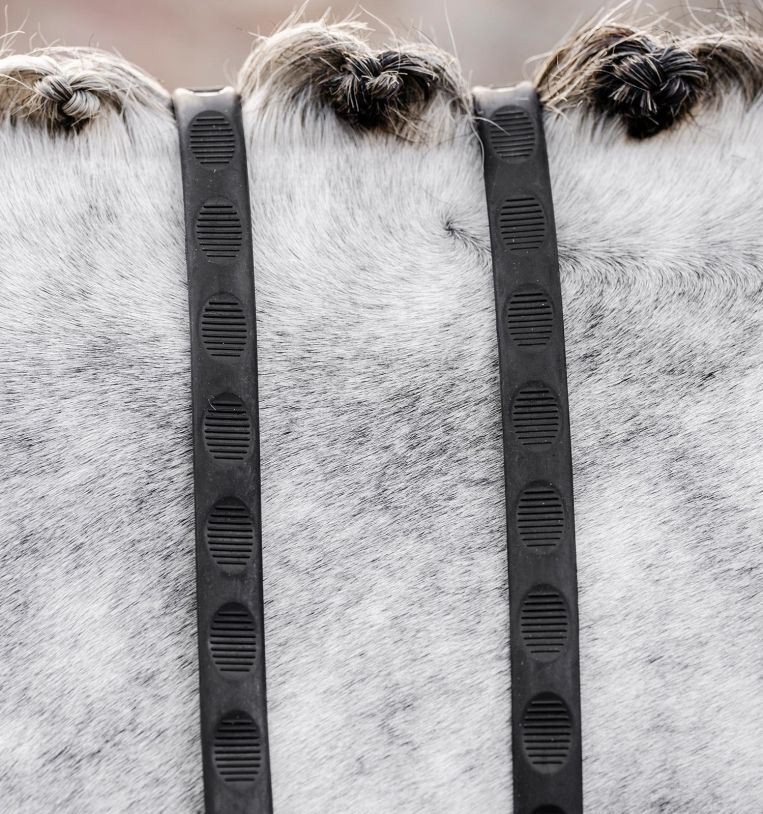
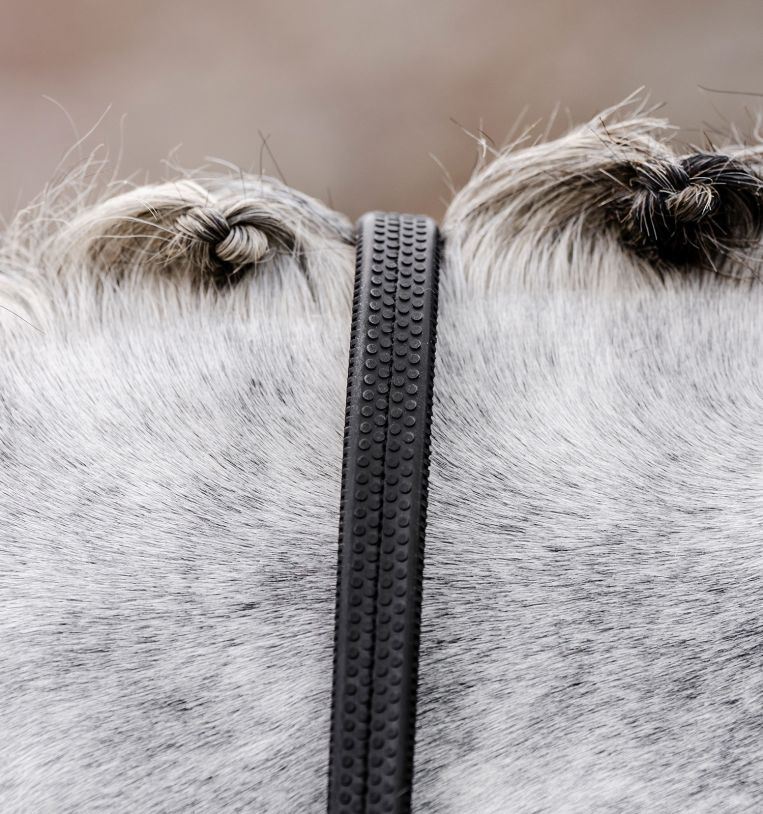
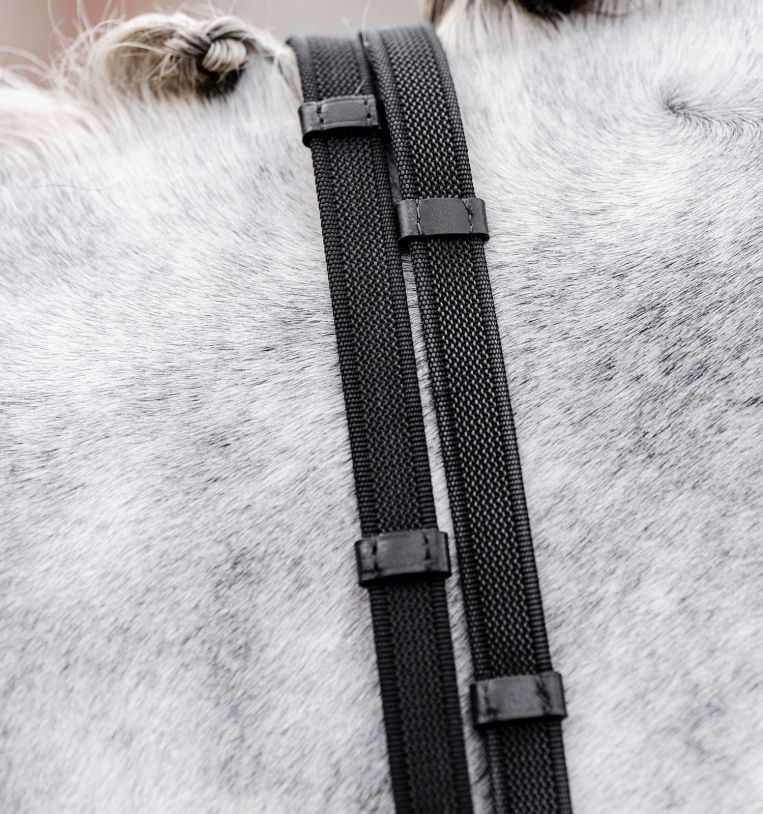
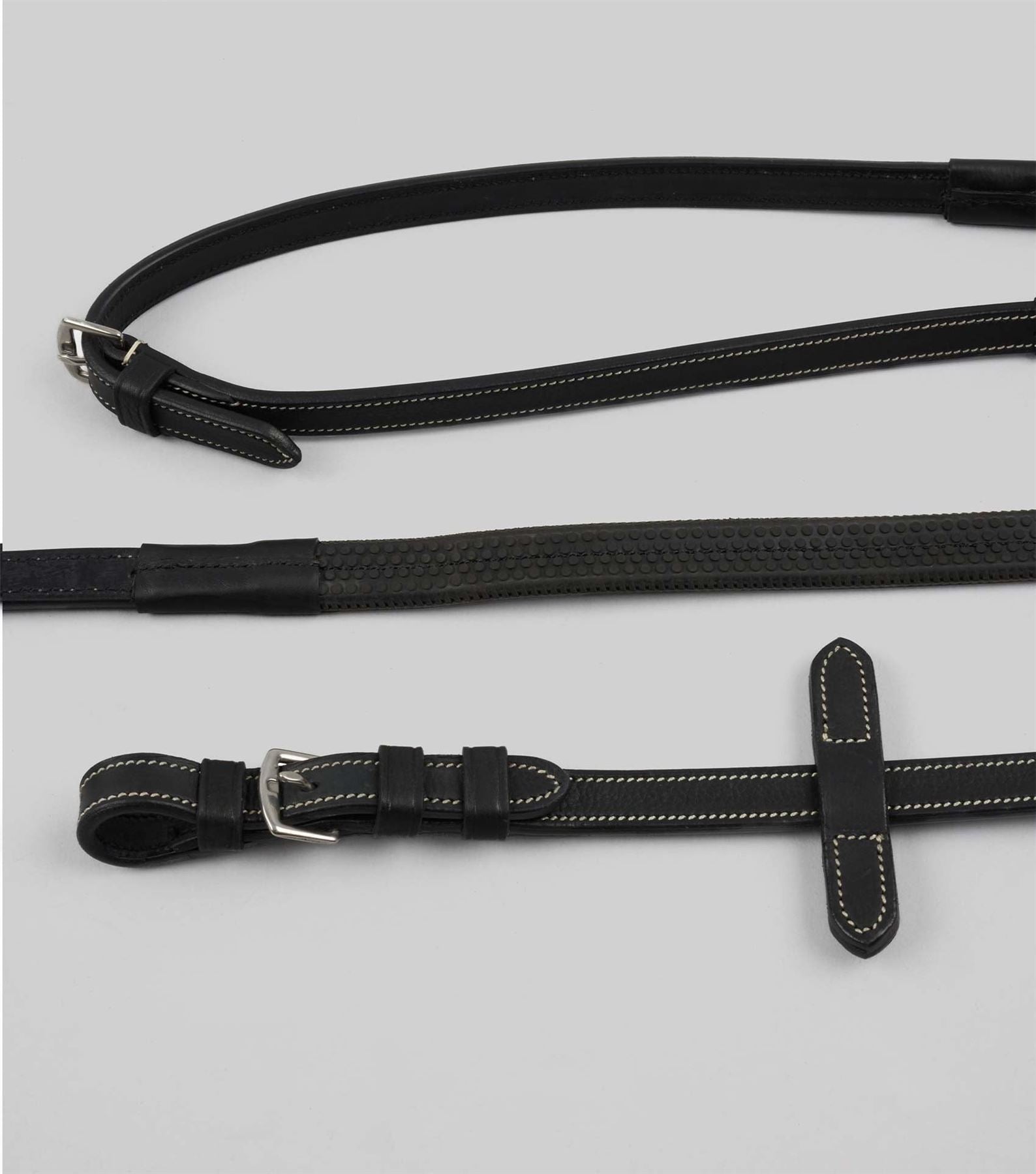
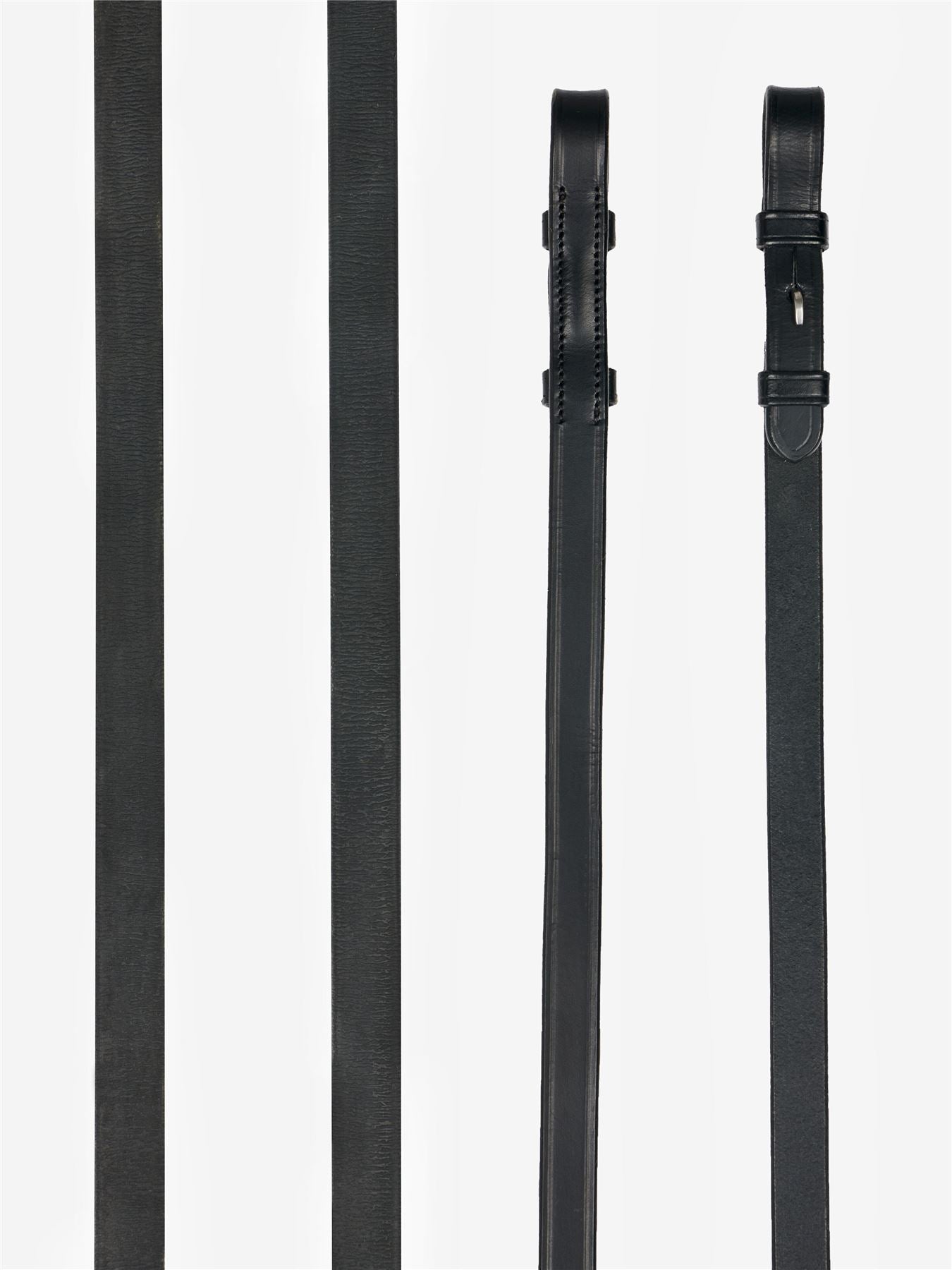
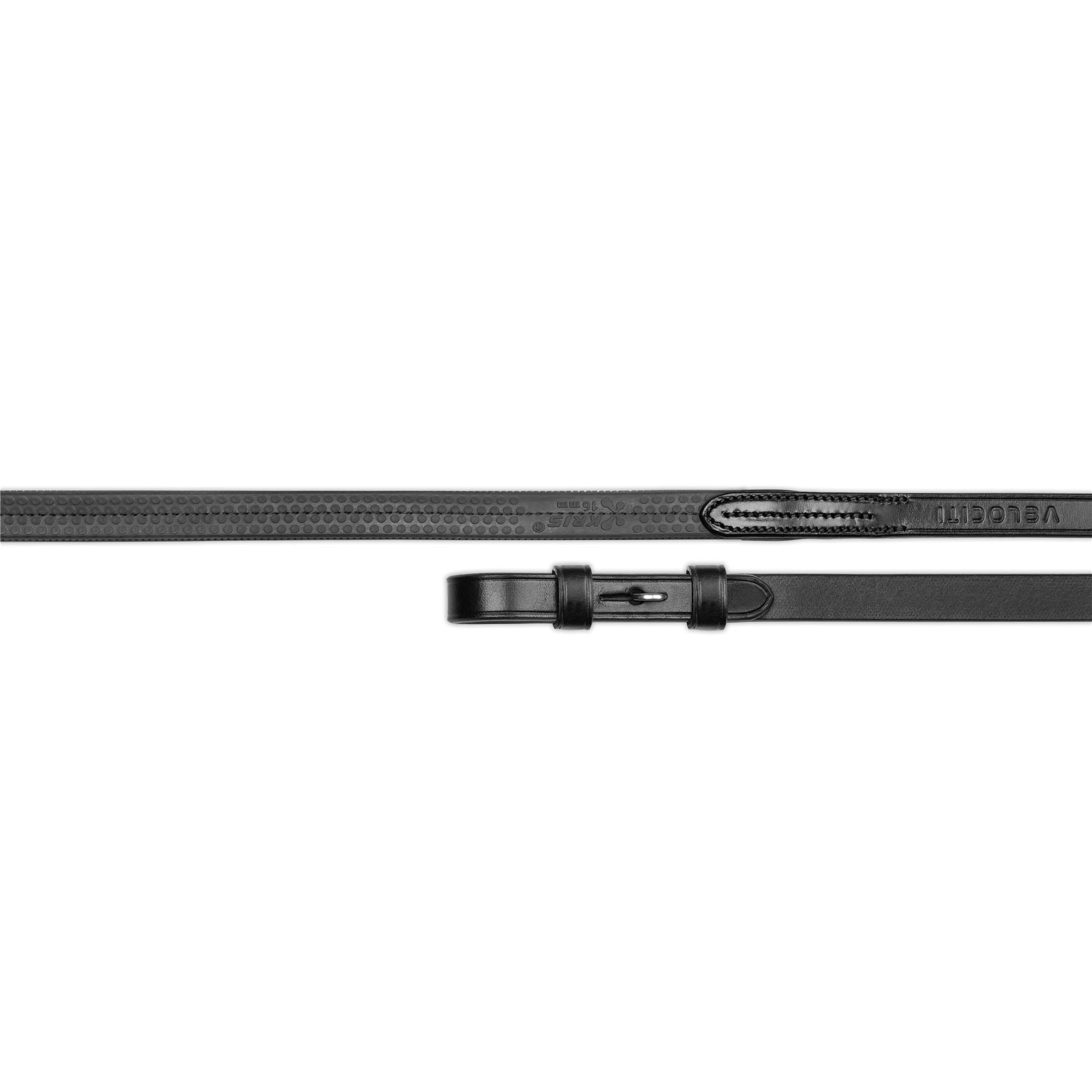
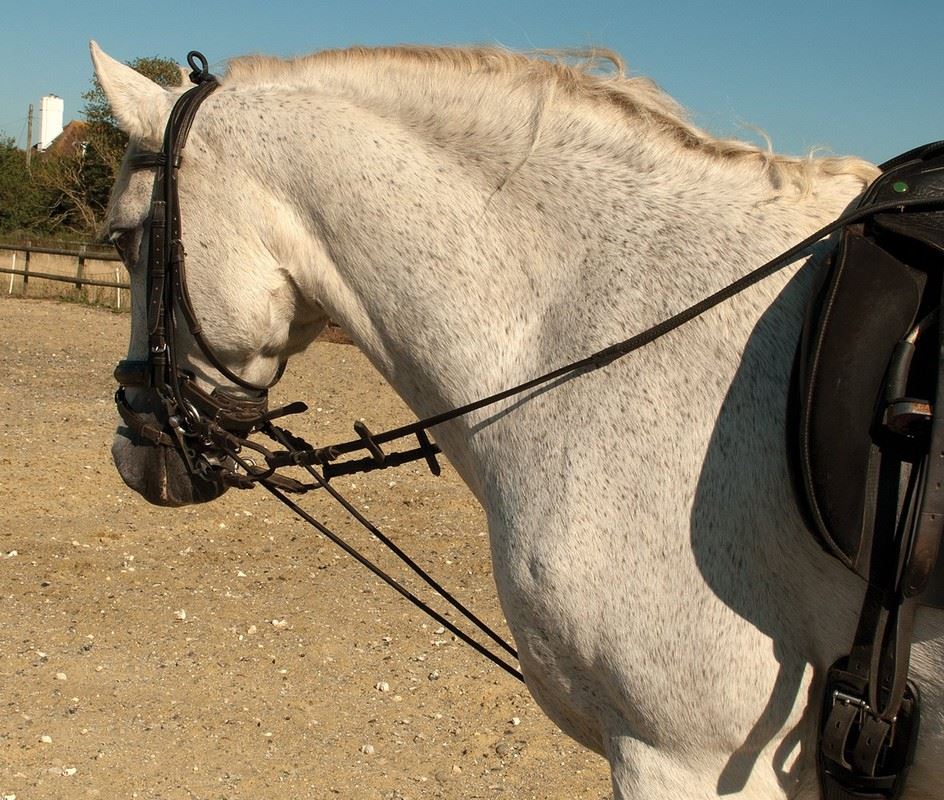
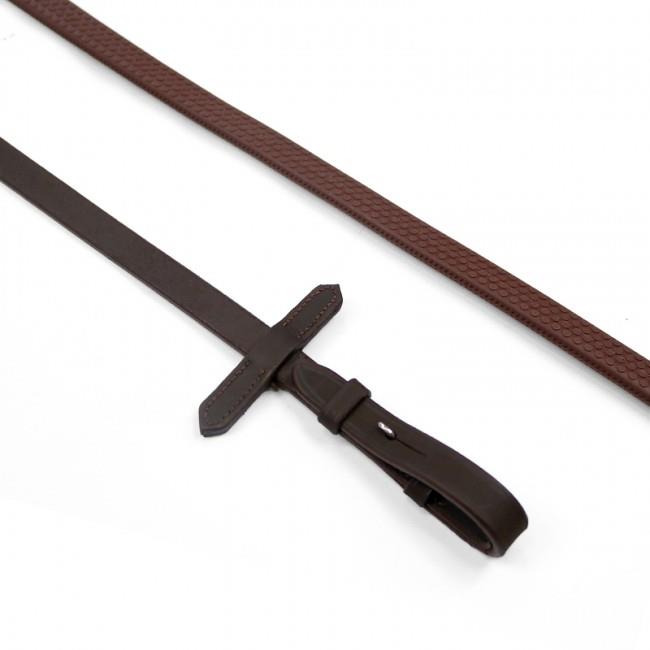
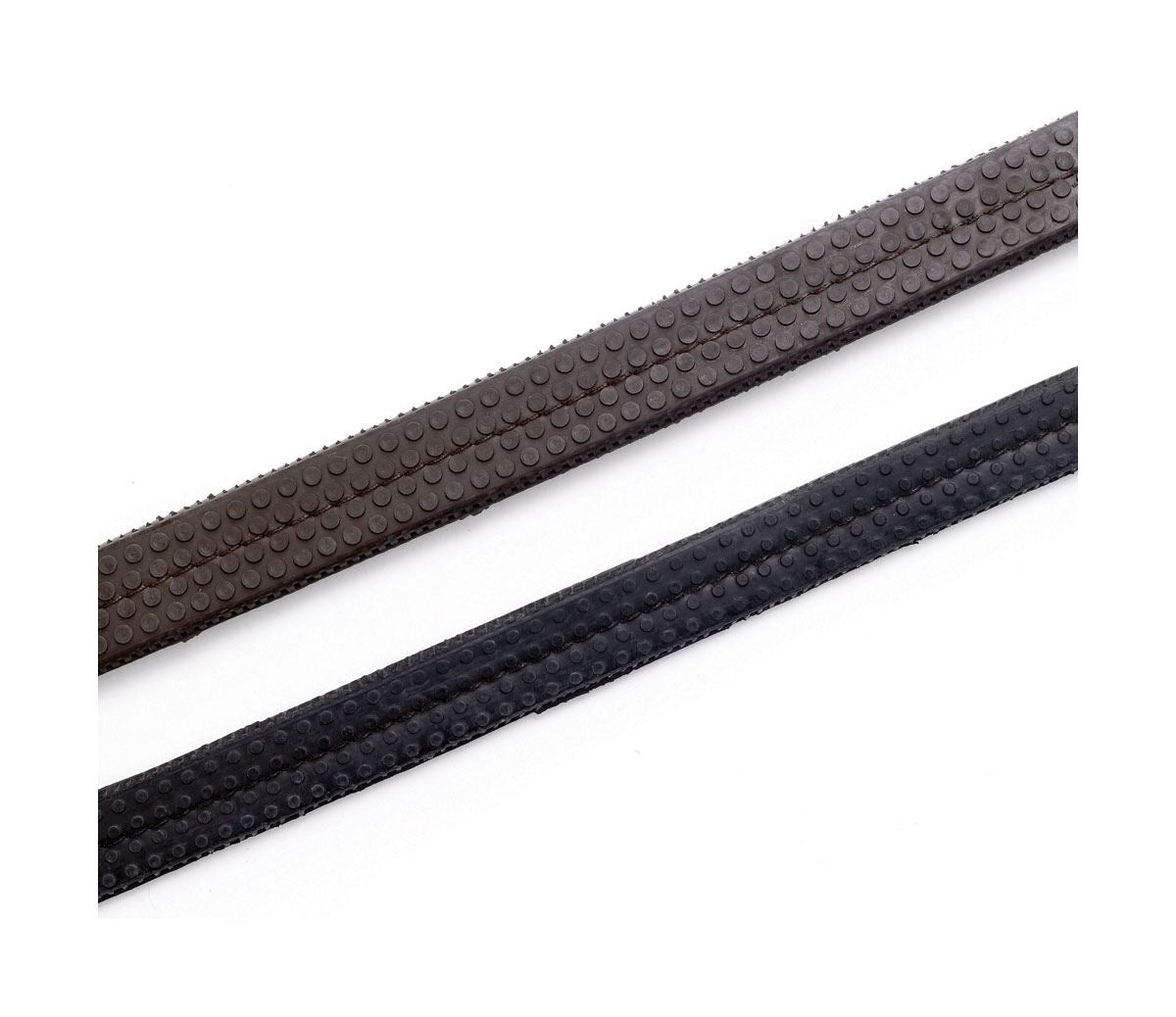
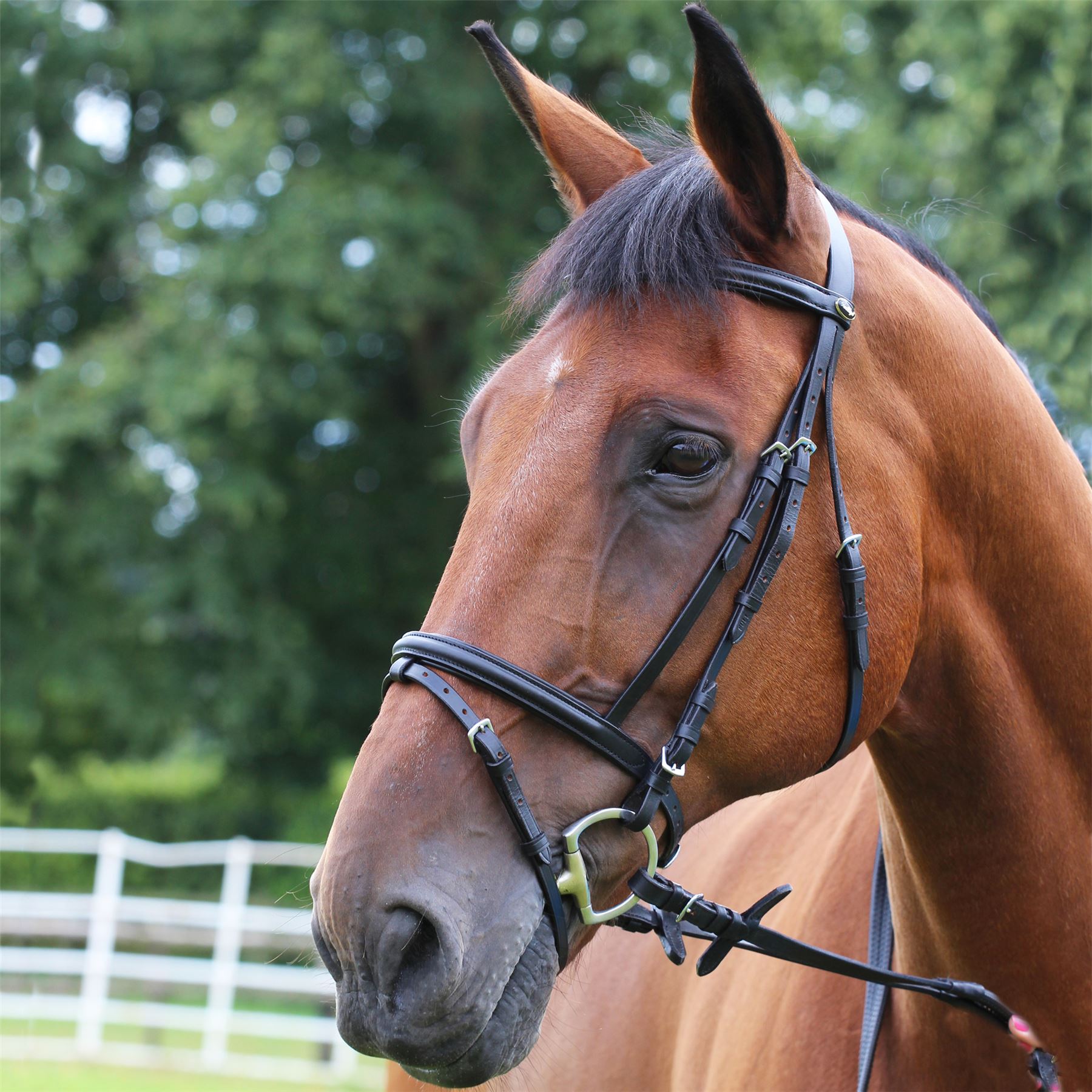
Rubber and rubber-grip reins give you the most secure hold of any rein type — which is why they're the go-to choice in the wet, for jumping and cross-country, and for younger or less experienced riders. The tacky rubber (or pimple-grip) surface stops the rein sliding through your fingers when it's wet with rain, sweat or a slobbery horse, so you keep a steady, consistent contact. Just Horse Riders stocks over 60 rubber and rubber-grip reins (plus matching rubber-rein bridle sets) from brands including Shires, Hy Equestrian, LeMieux, John Whitaker, Premier Equine, Rhinegold, Collegiate and Kincade, with plain rubber reins, half-rubber reins and continental (multi-loop) grip reins to suit everyday hacking, schooling and competition.
In a hurry? Quick answer
- Best all-round grip in the wet: full rubber-grip reins such as the Shires Aviemore Nylon Insert Rubber Grip Reins (from £10.62).
- Best for jumping & cross-country: pimple/dimpled-grip reins like the Whitaker Lynton 5/8" Dimpled Grip Reins (from £25.47).
- Best for kids & smaller hands: narrower 1/2" rubber-grip reins for an easy hold.
- Prefer a softer feel: continental grip reins such as the LeMieux Rubber Grip Continental Reins (from £44.95).
Rubber reins here start from around £9.62. If you're unsure of length, ask your instructor or saddle fitter — pony, cob and full sizes differ.
What are rubber reins used for?
Rubber and rubber-grip reins are used wherever a secure, non-slip contact matters most. That means riding in the rain, schooling a sweaty horse, jumping and cross-country, and helping beginners or children keep hold without the rein slipping. The rubber surface — whether smooth, pimpled or dimpled — grips even when wet gloves or bare hands would slide on plain leather. They're a popular everyday choice for riding-school ponies and busy yards for exactly this reason.
Full rubber vs half rubber vs pimple grip — what's the difference?
The three common styles suit different priorities. Use the table below as a starting point, then choose to taste.
| Style | Grip | Best for | Trade-off |
|---|---|---|---|
| Full rubber (rubber both sides) | Maximum | Wet weather, jumping, cross-country, beginners | Bulkier feel; rubber wears over time |
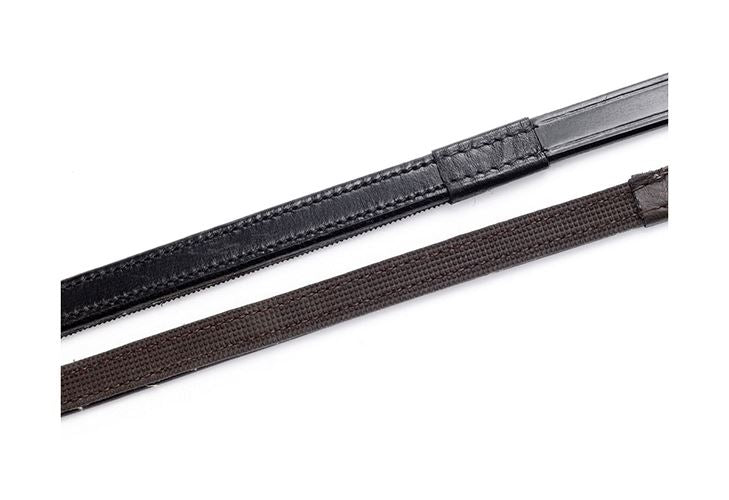
| Half rubber (rubber one side, leather back) | High | All-round riding and showing where a smart leather back is wanted | Slightly less grip than full rubber |
| Pimple / dimpled grip | High, textured | Riders who like extra "bite" jumping or eventing | Texture can feel firm on bare hands |
| Continental / multi-loop (rubber grip) | High, adjustable hand position | Schooling, training and riders who move their hands up and down the rein | Loops take a little getting used to |
Are rubber reins better than leather?
Neither is simply "better" — it depends on what you need. Plain leather reins look smart and feel traditional, but they can slip when wet. Rubber and rubber-grip reins trade a little of that classic look for a much more secure hold in the rain and at speed. Many riders keep both: leather-look plain reins or laced reins for showing, and rubber-grip reins for cross-country and winter schooling. If you like the feel of webbing with rein stops, web reins are another grippy option worth comparing.
Do rubber reins wear out?
Yes — the rubber grip is a wearing surface, so it's normal for it to smooth down and thin over months or years of use, especially where your hands sit most. Half-rubber and full-rubber reins can be re-rubbered by a saddler when the grip goes, and the leather itself often outlasts the rubber. Check the rubber and the stitching regularly; if either is cracked, perished or pulling away, replace or repair the reins before your next ride. For any doubt about safety or fit of the rein on the bit, ask a saddle fitter or instructor.
Which rubber reins should I choose? Our team picks
- Shires Aviemore Nylon Insert Rubber Grip Reins — from £10.62. Great-value full rubber grip with a nylon insert for strength; a reliable everyday and wet-weather choice.
- Hy Rubber Grip Reins — from £14.22. Leather with a rubber grip and leather stoppers to help keep your hand position secure.
- Whitaker Lynton 5/8" Rubber Reins with Dimpled Grip — from £25.47. Textured dimpled grip that many riders like for jumping and cross-country.
- John Whitaker Ready to Ride Pre-Oiled Rubber Reins — from £25.47. Pre-oiled leather with a supple, ready-to-use feel straight out of the packet.
- Premier Equine Diego Rubber Reins — from £41.40. A premium leather-and-rubber rein for riders who want quality that lasts.
- LeMieux Rubber Grip Continental Reins — from £44.95. Multi-loop continental design so you can adjust your hand position while keeping grip.
How do I look after rubber reins?
Wipe them down after muddy or sweaty rides and let them dry naturally, away from direct heat. Clean the leather parts with a suitable leather soap and condition them to stop the leather drying out — but keep heavy oils off the rubber grip itself, as they can make it slippery. Store reins hung up rather than crammed in a bag so they keep their shape, and check the buckles, billets and stitching each time you clean. Well-kept reins last longer and stay safer.
Rubber reins FAQs
Are rubber reins good for jumping and cross-country?
Yes. Rubber and pimple-grip reins are a popular choice for jumping and cross-country because they keep a secure contact when your hands, gloves or the reins get wet or sweaty. Many eventers prefer a textured dimpled or pimple grip for extra hold at speed. Always ride within your ability and take fitness and safety advice from your instructor.
Are rubber reins a good choice for children and beginners?
They can be, because the grippy surface helps stop the rein slipping through smaller or less experienced hands. Narrower 1/2" reins are often easier for children to hold. For fit of the bridle and reins on your horse or pony, and for a child's first reins, it's best to check with your instructor or a saddle fitter.
Do rubber reins slip when wet?
Far less than plain leather. That grip in the wet is the main reason riders choose rubber and rubber-grip reins. As the rubber wears smooth over time it grips less, so replace or re-rubber reins once the surface has worn down.
How much do rubber reins cost?
At Just Horse Riders rubber and rubber-grip reins start from around £9.62, with most everyday reins between roughly £10 and £30. Premium leather-and-rubber and continental grip reins from brands like Premier Equine and LeMieux range up to about £60.
Can worn rubber reins be repaired?
Often yes. A saddler can re-rubber half-rubber and full-rubber reins when the grip has worn, as the leather usually outlasts the rubber. If the leather or stitching is cracked, perished or pulling away, replace the reins rather than repairing them.
What length rubber reins do I need?
Reins come in pony, cob and full sizes, and widths such as 1/2" and 5/8". The right length depends on your horse's size and your discipline. If you're unsure, measure your current reins or ask your instructor or saddle fitter before you buy.
Free UK delivery over £50 · Next-day on eligible items ordered before 4pm · 90-day returns · Family-run UK retailer since 2010.
Reins buying advice from the Just Horse Riders team — last reviewed 12 July 2026. Fit, safety and suitability for your horse should always be confirmed with a qualified saddle fitter or instructor.