

Horse care involves understanding the unique needs and characteristics of each breed. In this article, we'll explore how to adjust horsecare for a sensitive Knabstrupper named Bon. Knabstruppers are celebrated for their striking appearance and cooperative temperament, but they possess distinct sensitivities that caretakers must consider. We will delve into the nuances of caring for Bon and provide practical tips for ensuring his well-being, highlighting effective management strategies for a happy, healthy equine companion.
Understanding the Knabstrupper Breed: Essential Background
Knabstruppers trace their origins to Denmark, recognized for their unique leopard-spotted coats and robust athletic abilities. These warmbloods usually stand between 15 and 16 hands and weigh around 1,100 pounds (500 kg). Known for their versatility, they excel in various disciplines such as dressage, jumping, eventing, and driving. Their intelligence and curiosity make Knabstruppers quick learners and eager to engage in regular activities.

The Three Main Types of Knabstruppers
- Sport Type: These are taller and influenced by warmblood characteristics, making them ideal for Olympic disciplines like dressage and eventing.
- Baroque Type: Shorter with a broader, more classical build, suitable for show and classical dressage.
- Pony Type: Smaller, more compact, and popular with children for their gentle temperaments and vivid coloring.
Recognizing Bon’s Unique Needs
Bon exhibits the typical sensitivity of a Knabstrupper, manifesting in heightened awareness of his surroundings and a strong emotional connection with his caretakers. He thrives in environments where there is gentle interaction, consistent routines, and low stress, requiring special attention to keep him comfortable and content.
Key Traits to Consider
- Heightened environmental awareness
- Strong emotional bonds with caretakers
- Need for consistent routines
- Sensitivity to stressful stimuli
Practical Steps to Adapt Your Care for Bon
Create a Stable, Consistent Routine
Predictability plays a crucial role in minimizing Bon's anxiety. Consistency in feeding, grooming, exercise, and downtime can make a significant difference in helping him feel secure.
Prioritize Gentle Handling and Positive Training
Knabstruppers respond better to pleasant training methods than to aggressive corrections. Utilize calm body language and positive reinforcement to yield better results in behavioral and skill training.

Ensure Appropriate Nutrition and Health Care
Balancing Bon’s diet is essential for his athletic lifestyle. Although Knabstruppers are considered easy keepers, attentive care through regular health checks and adjustments to their diet can support joint health and muscle condition.
Provide Adequate Mental and Physical Exercise
Engaging Bon with activities that challenge his mind and body, such as trail rides and light dressage, can keep him physically and emotionally healthy. Incorporate a mix of training to meet his psychological and physical needs.
Monitor Social Needs and Environment
Knabstruppers like Bon appreciate social interactions with smaller, tranquil groups. It is crucial to avoid pairing them with dominant or aggressive peers, which can lead to unnecessary stress.
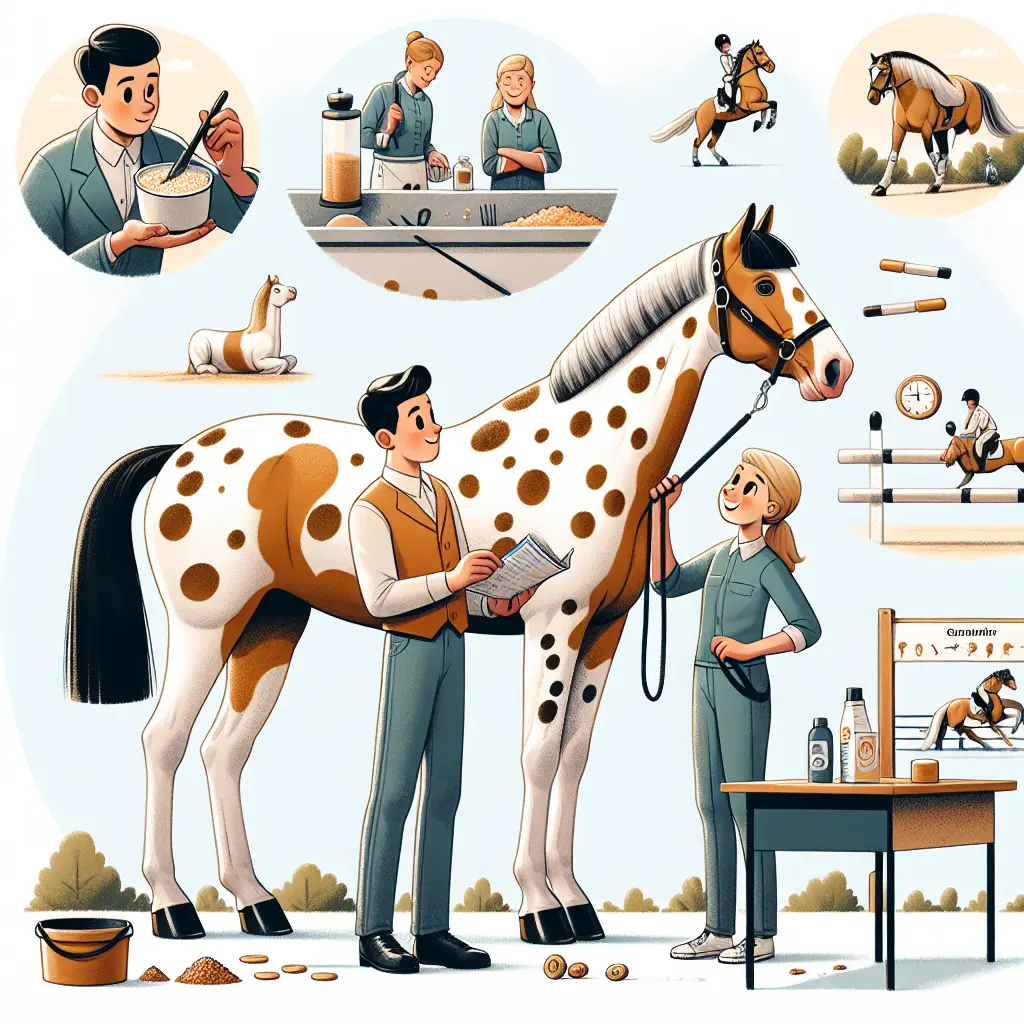
Grooming and Physical Care
Regular grooming helps maintain Bon's distinctive coat. This practice not only aids in health monitoring but also strengthens bonds, allowing for early detection of any emerging health issues.
Building a Bond with Bon: Patience and Understanding Are Key
Developing a meaningful relationship with Bon involves deep understanding and responsiveness to his sensitivities, which can lead to fulfilling companionship. By acknowledging and embracing his unique character, you can establish a trusting partnership that benefits both horse and owner.
Supporting Your Journey with Reliable Resources
- For additional reading and breed-specific care recommendations, this Mad Barn’s Knabstrupper Breed Guide is informative.
- For community support and breed standards, consult the American Knabstrupper Association.
- For nuanced training and sensitivity response, PetMD provides detailed advice.
- The US Dressage Federation (USDF) explains suitability regarding equine sports participation.
Conclusion: Cultivating Growth through Care and Dedication
The journey with a sensitive horse like Bon requires patience, dedication, and a commitment to understanding nuanced needs. By adapting care practices and creating a nurturing, predictable environment, both horse and owner can thrive together. Explore our Jodhpur Collection for all your riding attire needs, and make the most of your equine partnership.