

Is Retirement the Right Option for a Troubled Cob? Unpacking the Complex Decision-Making Process
Deciding whether retirement is the right choice for a troubled cob—a male horse used primarily for riding or driving—is no easy task. It requires a thorough evaluation of numerous factors, including the animal's health, behavior, quality of life, and future care needs. This decision is multifaceted, intertwining considerations from veterinary health, welfare ethics, financial ability, and emotional responsibility.
Understanding the Complex Needs of a Troubled Cob
A "troubled" cob might face both physical ailments—such as arthritis, respiratory issues, or laminitis—and psychological issues like stress and anxiety. These challenges can significantly affect their ability to perform work or recreational roles safely. Recognizing signs of distress in a cob is crucial, as it helps prioritize the animal's welfare. Consulting a veterinarian for a detailed health assessment is essential to determine the severity and manageability of the cob's condition.

Factors Influencing the Retirement Decision for a Cob
Health and Mobility
The extent of a cob's physical limitations plays a critical role. Chronic pain and degenerative conditions might indicate that continued work could exacerbate discomfort or risk injury. Retirement may become the only humane option when treatment fails to maintain a reasonable quality of life.
Behavioral and Psychological Well-being
Often, behavioral problems such as stress or anxiety arise from the cob's duties. These signs can justify retirement, preventing further psychological harm and ensuring a more comfortable existence.
Quality of Life Assessment
A cob's quality of life encompasses physical comfort, the ability to express natural behaviors, social interactions, and mental stimulation. Through retirement, a troubled cob can experience a less stressful, more natural environment.
Financial and Care Capabilities
Retirement involves ongoing veterinary costs and special care needs. Owners need to assess their resources realistically to ensure adequate equine care while avoiding neglect or prematurely returning the cob to active work.
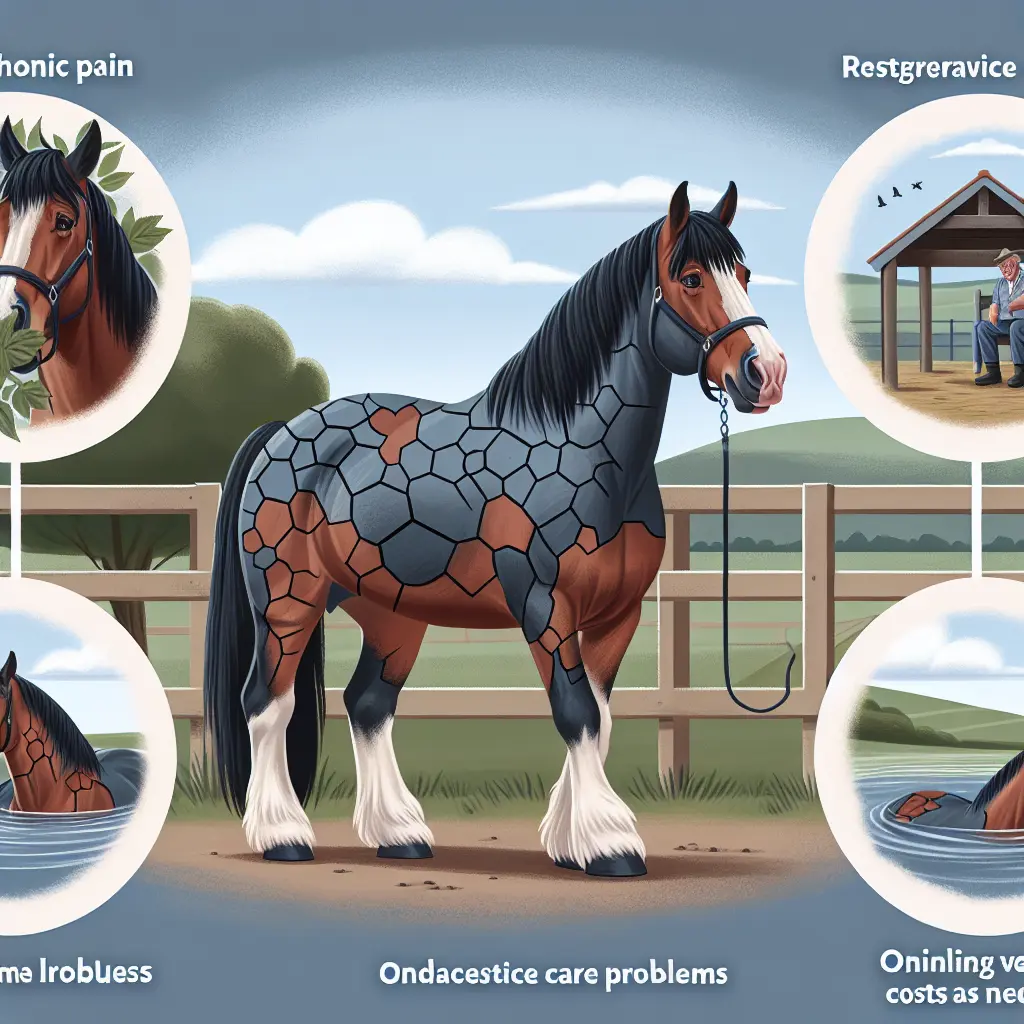
Benefits of Retirement for a Troubled Cob
- Improved Comfort: Tailored accommodations can enhance a cob's well-being.
- Reduced Risk of Injury: Limiting demanding activities mitigates the chance of further injuries or conditions.
- Psychological Relief: Removing the cob from stressful tasks alleviates behavioral issues.
- Longevity: With appropriate care, retired cobs often lead longer, healthier lives.
Research in equine medicine supports that well-planned retirement programs enhance longevity and welfare outcomes for horses managing chronic conditions.
When Retirement Might Not Be the Best Option
In some scenarios, controlled work under professional supervision, combined with pain management strategies, may be more beneficial than immediate retirement. If the cob still enjoys activity, a structured routine of light exercise could maintain both physical and mental health. Of course, this approach requires ongoing veterinary oversight.
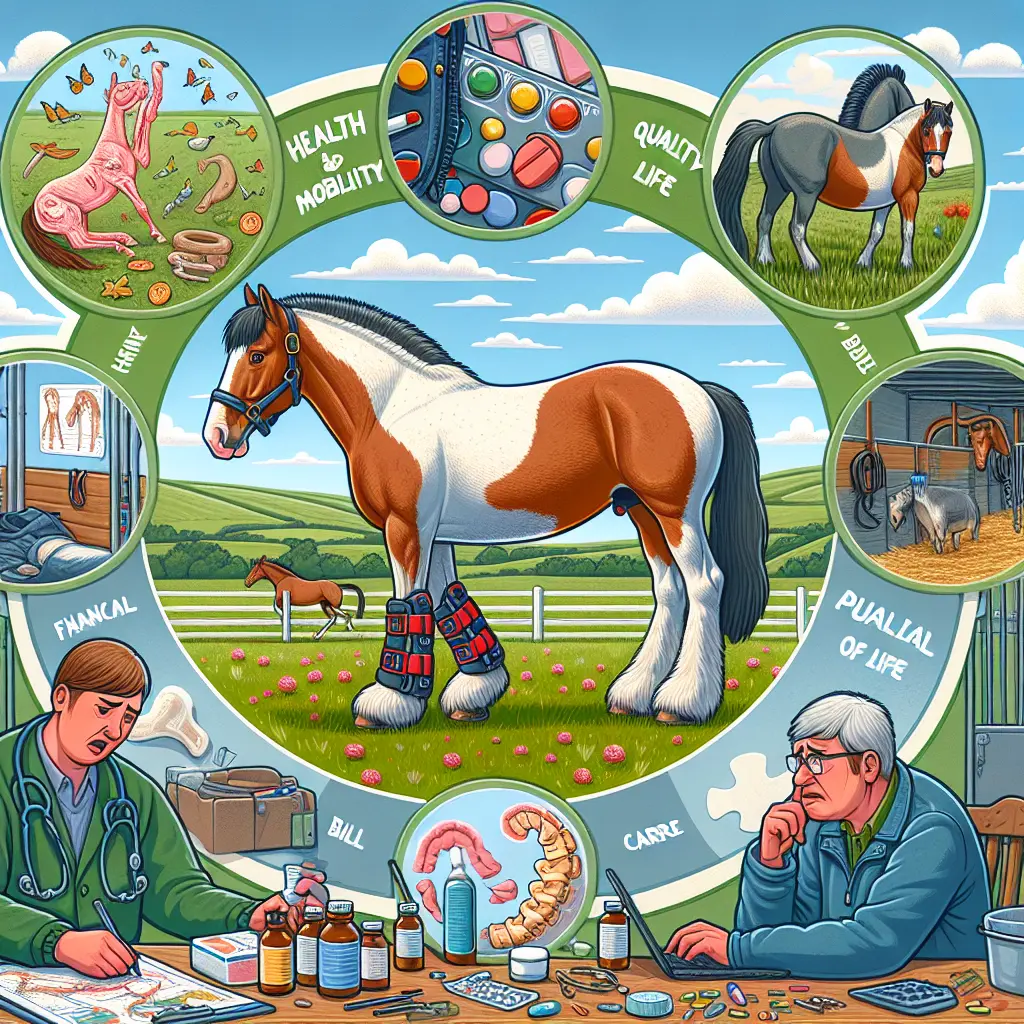
Broader Context: Retirement Decision-Making in Animals and Humans
Retirement considerations for animals, including cobs, mirror human deliberations over similar decisions. Just like horses, humans face these pivotal choices influenced by health, financial security, and psychological readiness. Illustratively, current statistics show many Americans delay retirement due to financial constraints, which remarkably parallels equine retirement decisions.
Tips for Owners Considering Retirement for Their Cob
Consult Experts
Veterinarians, equine behaviorists, and experienced trainers offer comprehensive assessments and recommendations.
Assess Financial Resources
Retirement may involve increased costs for specialized care. It's essential to plan accordingly and ensure the cob's needs are met.
Evaluate Living Conditions
Consider whether the retired cob has access to adequate pasture, shelter, and social interactions.
Monitor and Adapt
Retirement is a transitional phase, not an abrupt end. Continuous health monitoring and mental stimulation are vital.

Conclusion: Prioritizing Welfare Through Thoughtful Decision-Making
Choosing whether to retire a troubled cob requires more than just ending work; it demands a holistic approach centered on the animal's welfare. When thoughtfully executed with expert input, retirement can vastly improve the cob's life quality and longevity—reflecting the pinnacle of equine care ethics.