

Should You Up-Rate Your 7.5t Horsebox? Exploring Costs, Benefits, and Considerations
Up-rating a 7.5t horsebox involves modifying its design to increase the legal gross vehicle weight (GVW), such as from 7,500kg to 8,000kg. This allows a higher payload for horses, tack, and gear. However, this decision hinges on your needs, budget, and driving qualifications. While it can enhance capacity, it introduces licensing changes and other costs—typically a few hundred pounds for the process plus potential HGV training expenses of £1,000–£2,000.

What Does Up-Rating a 7.5t Horsebox Mean?
A standard 7.5t horsebox has a GVW of 7,500kg and is commonly used for transporting two horses plus living space, with payloads often around 1,550–2,500kg depending on the model. Up-rating means engineering modifications approved by the DVSA to raise this limit, often resulting in a new plate confirming the higher weight. For instance, specialists can up-rate 7.5t models by 500kg to 8.0t GVW.
Key Benefits of Up-Rating
Up-rating can significantly increase your horsebox's versatility, especially if you're frequently maxing out the payload capacity.
- Higher Payload Capacity: Gain an additional 500kg or more for extra horses, hay, or equipment. Many 7.5t horseboxes struggle with payloads under 2,000kg for two horses, so up-rating ensures safer loading without overload risks.
- Safer and Legal Hauling: Avoid fines for overloading by aligning your payload capabilities with real-world needs, ensuring horses are over the rear axle for stability.
- Future-Proofing: Accommodates growing needs without the hefty cost of purchasing a new horsebox. Traditional 7.5t models range anywhere from £10,000 to £100,000.
A real-world example: A 7.5t Helios might carry 1,800kg payload stock; up-rating could add a critical safety margin.
Potential Drawbacks and Risks
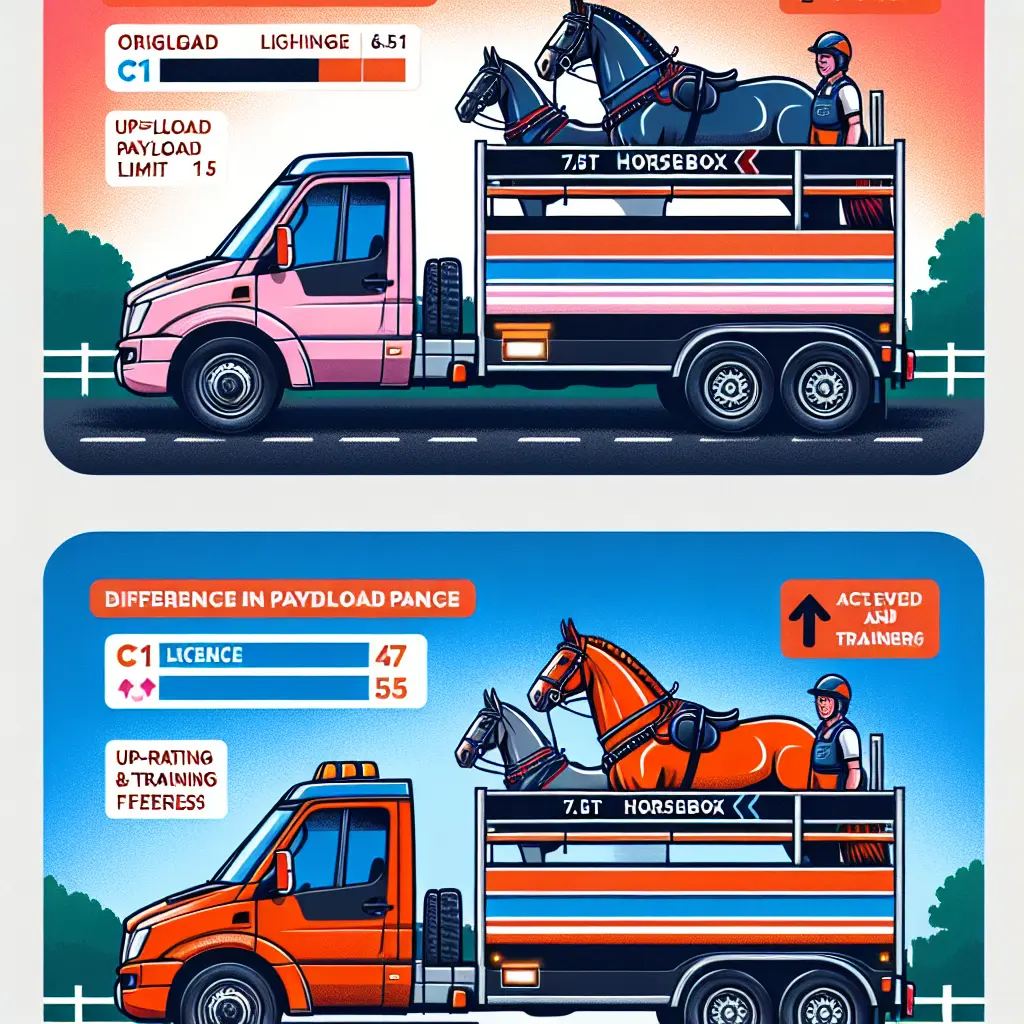
- Licensing Shift: Exceeding 7.5t requires a full Category C (HGV) license instead of C1, which may involve additional training costs ranging from £2,500 to £4,000.
- Higher Costs Beyond Uprating: Increased vehicle tax and insurance hikes post-up-rate. Factor in maintenance that could rise post-100,000 miles.
- Limited Gains: Not all horseboxes qualify; only a ~500kg increase is possible on some models without substantial work.
Step-by-Step: How to Up-Rate Your Horsebox
- Assess Needs: Weigh horses (~500–600kg each), tack, fuel, and passengers aiming for a 2,000–2,500kg payload minimum.
- Check Eligibility: Consult DVSA-approved engineers to ensure compliance and feasibility.
- Get Quotes: Contact multiple providers and consider factors like DVSA fees and required modifications.
- Apply for Changes: Submit your horsebox for uprating tests; if approved, you will receive a new plate.
- Update License/Insurance: Upgrade to Category C if exceeding 7.5t and keep insurers informed.
- Test Drive: Ensure stability with new weight capacity by placing horses over the rear axle.
Costs Breakdown: Is It Worth It?
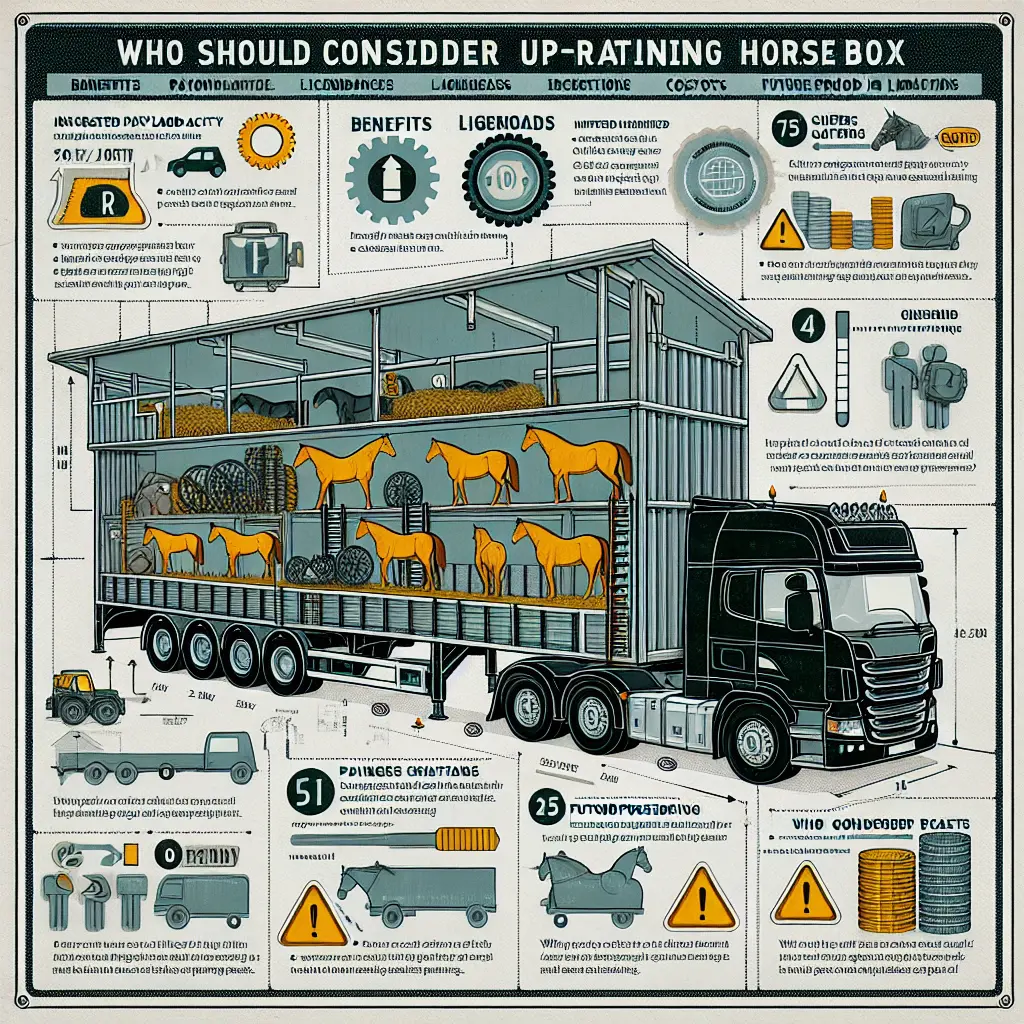
Uprating Service: Expect a base cost between £300–£600 with additional parts potentially totaling an extra £200–£400. Keep in mind the potential higher tax and insurance rates post-up-rate. Licensing and training may cost anywhere from £1,000 to £4,000 if transitioning to a heavier vehicle. A full analysis indicates a total expense ranging from £1,500 to £5,000+ versus purchasing a new horsebox.
Who Should Consider Up-Rating?
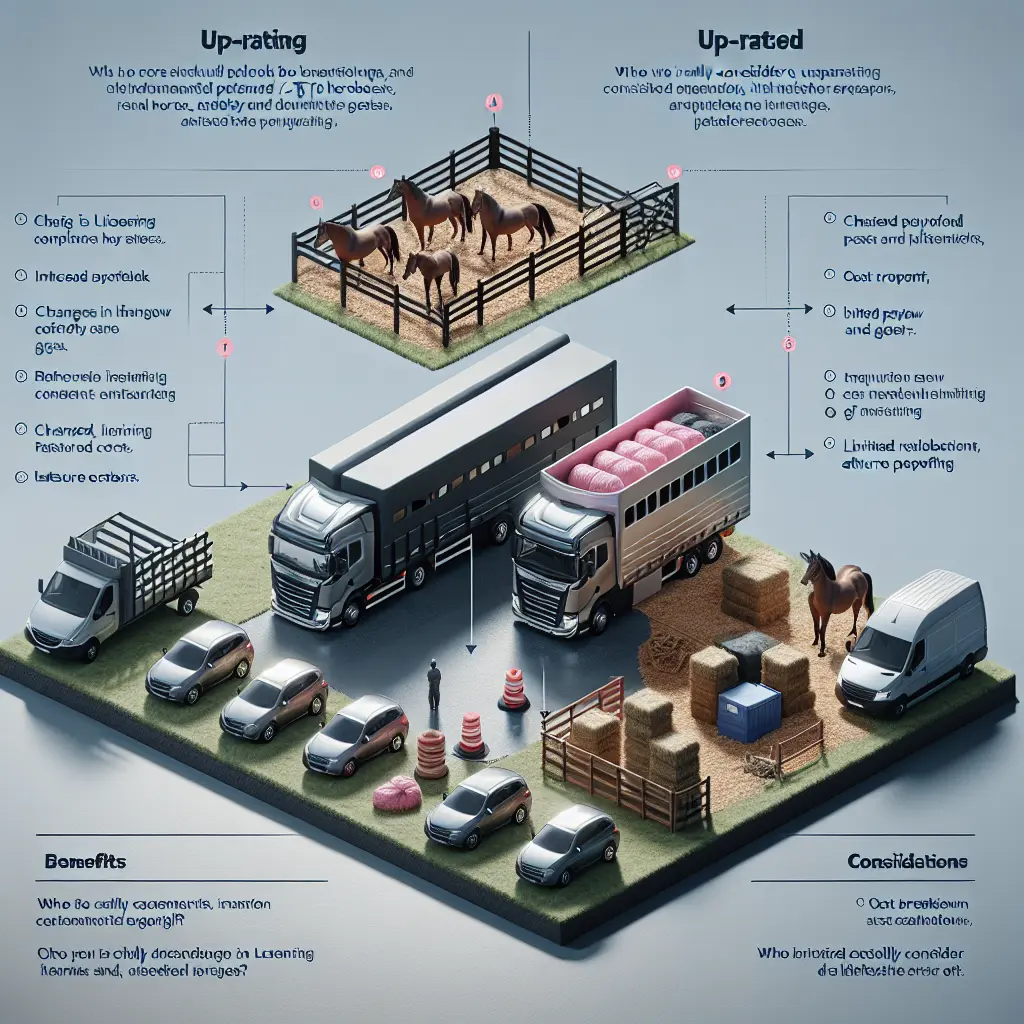
- Ideal for You If: You frequently face legal payload limitations, need an additional 500kg without purchasing a new horsebox, have a Category C license, or own a modifiable horsebox.
- Not Recommended If: Training costs outweigh benefits for C1-only drivers, if the vehicle is approaching high mileage, or if your current payload already meets your needs.
Final Thoughts for Horse Owners
In conclusion, up-rating a 7.5t horsebox adds significant payload value, yet requires careful consideration of the associated costs, licensing shifts, and maintenance realities. Professional quotes and a weighbridge check should be imperative steps before deciding. Optimizing your current payload or opting for a payload-focused model may prove simpler and safer long-term. Always ensure compliance with DVSA regulations when considering any modifications.