

The Ultimate Guide to Indoor Riding Arena Surfaces
When it comes to indoor riding arenas, the surface is crucial for both horse and rider safety and performance. The best indoor arena footing provides traction, shock absorption, stability, low dust, and consistent performance. This article unpacks the ideal combination of materials and considerations for crafting the perfect indoor arena.
1. The Importance of the Base Layer
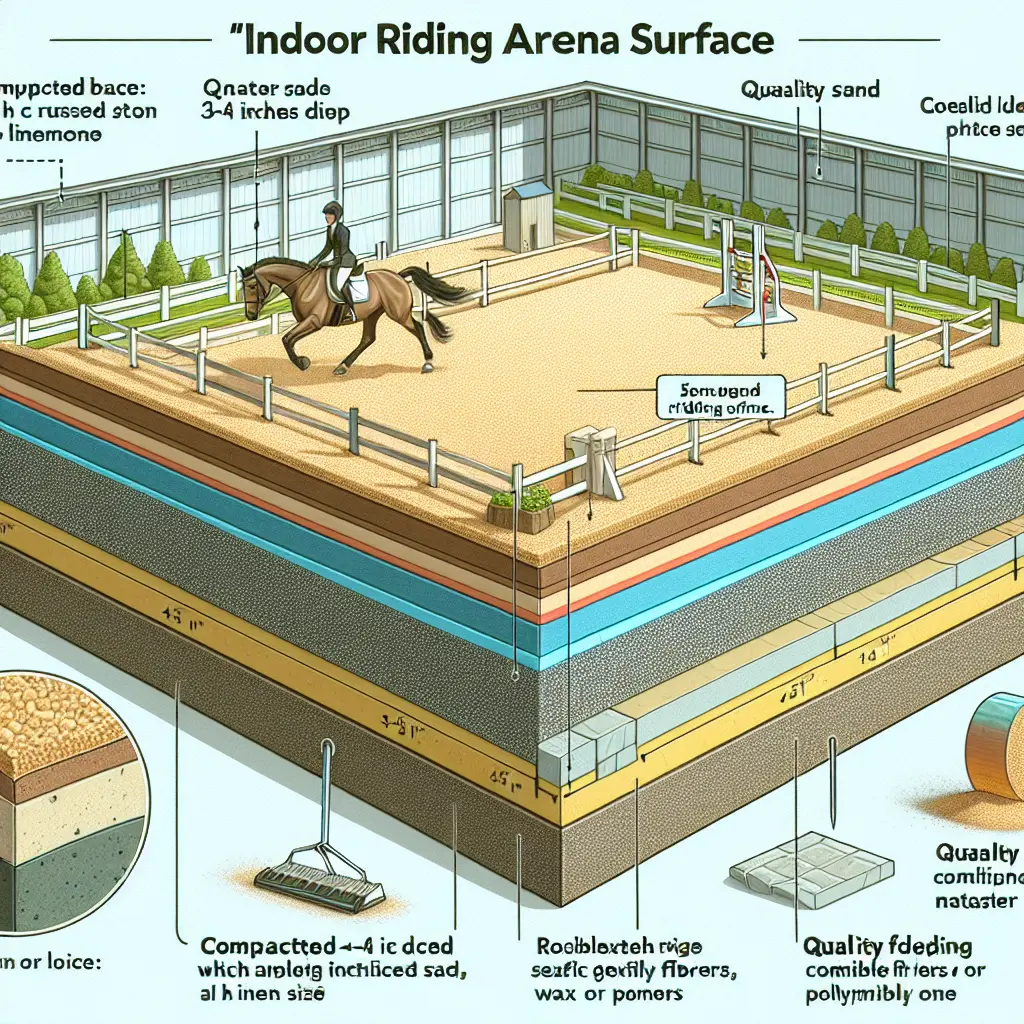 The foundation of any stellar indoor riding arena is a well-constructed base layer. Experts often recommend a compacted crushed stone or limestone base about 3-4 inches deep. This ensures a firm, level foundation with excellent drainage, crucial for preventing footing from mixing with soil below[2][5].
Why Opt for Crushed Stone Bases?
Though some rely on native clay soil if compact and stable, crushed stone bases are generally preferred for longevity and firmness. They prevent mixing that can degrade the footing[5]. It’s akin to a jigsaw puzzle—without a solid backing, the pieces, or in this case, the topping material, just won't fit snugly!
2. Choosing the Right Footing Material
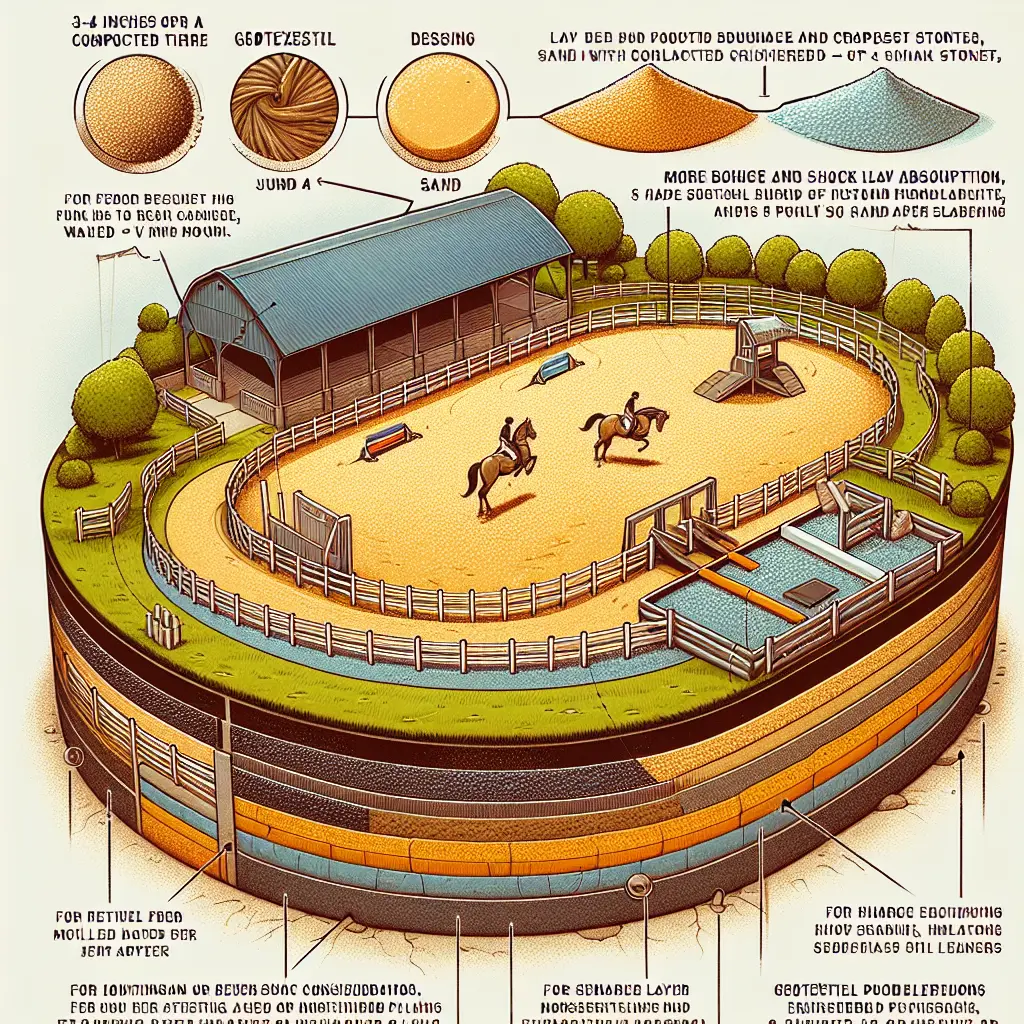 At the heart of a good arena is the footing material. The most common is sand, and not just any sand, but the specific type best suited for the arena’s needs:
- Grain sizes between 0.2-1.2mm depending on discipline.
- A mix of medium to coarse and angular grains for stability and grip.
For high-impact activities like jumping, sand combined with geotextile fibers, wax coatings, or engineered polymers offers optimal spring-back and shock absorption[3].
The Magic of Synthetic Additives
For disciplines demanding increased slide, such as reining, a firmer base with light sand and clay blending works wonders. These blends provide the slight slide needed for specific movements[3].
3. Waxed vs Non-Waxed Surfaces
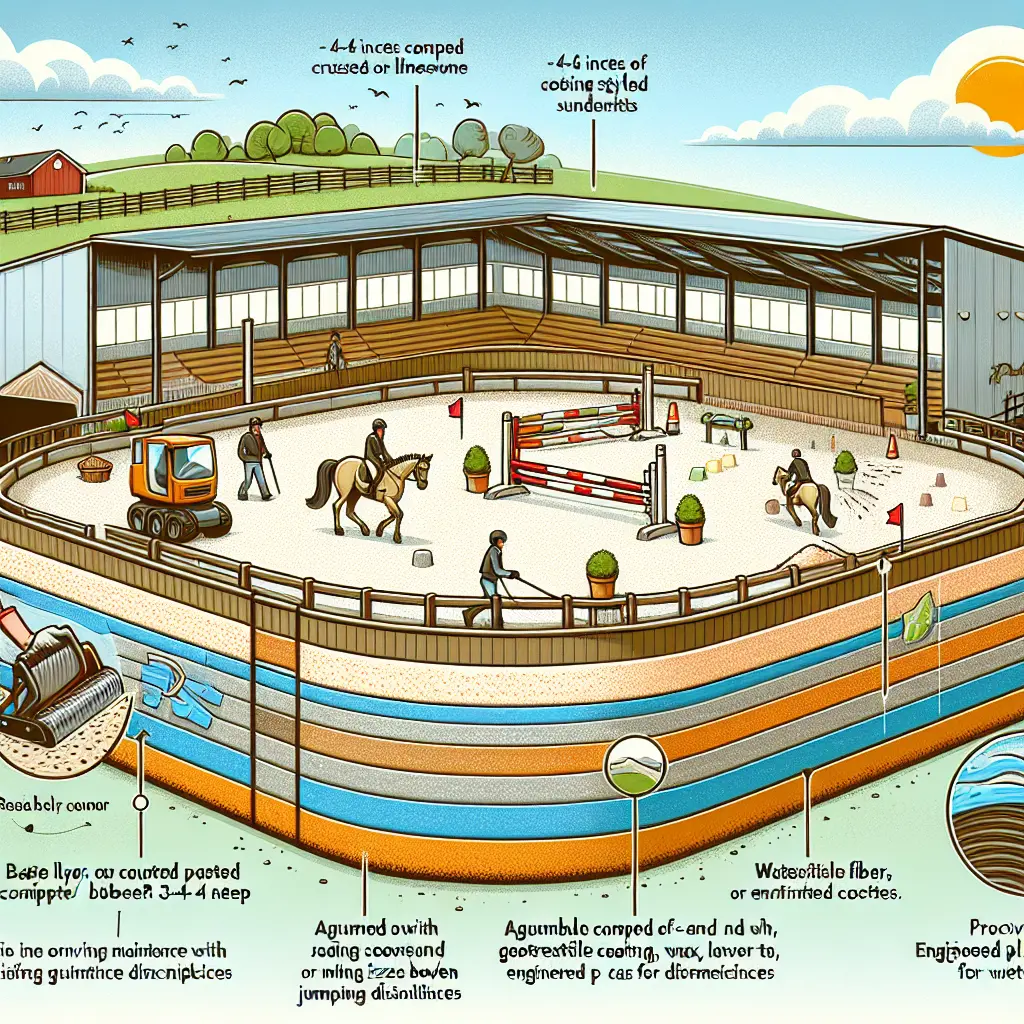 The debate between waxed and non-waxed surfaces is heated among equestrians. Wax coatings enhance cohesion, reduce dust, and extend the surface's life, albeit at a higher upfront cost. On the other hand, non-waxed surfaces are cost-effective but demand more frequent maintenance, making them ideal for wetter climates[1].
4. Key Maintenance Practices
Regardless of the material choice, regular maintenance is imperative to sustaining a quality surface. Activities like harrowing and watering help maintain the texture and reduce dust buildup. Think of it like grooming your horse—neglect it, and it’ll show!
Impact of Material Choice on Maintenance
The selected footing material directly influences dust control, compaction, and horse safety. With proper care, you not only ensure a pleasing riding experience but also extend the life of the arena. [4]
5. Matching Surface with Riding Disciplines
Each riding discipline has unique requirements for arena surfaces:
- Jumping and dressage benefit from surfaces with more bounce and shock absorption.
- Reining thrives with a slight slide, as provided by clay additives.
Tailoring the arena surface to the discipline enhances performance and longevity.
6. Factoring in Climate Conditions
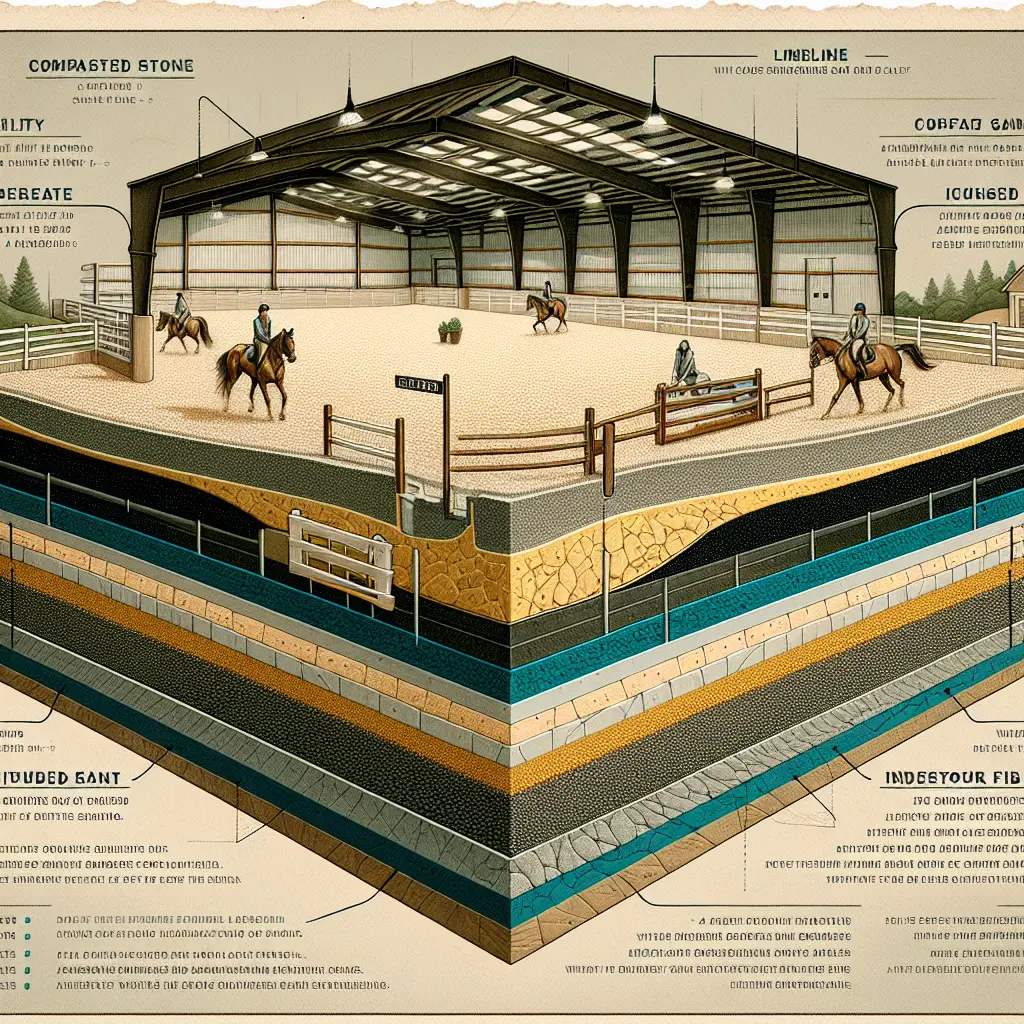 Climate plays a pivotal role in selecting the best arena surface. Wetter regions tend to benefit from highly-draining mixes if choosing non-waxed surfaces, whereas arid areas might prefer waxed materials for their dust reduction properties and cohesiveness.
7. Budget and Maintenance Balance
Balancing budget against the quality of footing is often a tightrope. Although high-quality engineered surfaces cost more initially, they substantially reduce long-term maintenance, saving money and ensuring horse health. Remember, investing wisely ensures fewer vet bills in the future.
8. Prioritizing Horse and Rider Safety
At the end of the day, the aim is to minimize concussion on horses' legs and joints. Proper cushioning significantly reduces injury risks, fostering a safer arena environment for riders as well. Safety, after all, is paramount!
9. Real-World Case Studies
Real-world examples confirm these practices' effectiveness. For instance, several Olympic-level arenas use a mix of sand and polymers, touting enhanced durability and safety. These insights offer valuable lessons for any arena construction project.
10. Conclusion and Final Recommendations
In summary, a successful indoor riding arena blends a well-compacted crushed stone base with precisely selected footing materials per discipline. Regular maintenance coupled with cutting-edge technology ensures maximal performance and enjoyment.
Not sure what to choose? Specialists from sources like Equestrian Surfaces UK and Performance Footing, provide extensive guidance tailored to your specific needs.
By prioritizing the right materials and maintaining your arena diligently, you optimize not just horse health and rider confidence, but also the longevity of your indoor riding environment.
11. Exploring Additional Equestrian Equipment and Supplements
In addition to your arena, explore our collections to enhance your riding experience. Consider our Jodhpur and Boot Collections, or keep your hands warm with our Horse Riding Gloves. Treat your horse too with our Horse Treats And Gifts.
No matter your discipline or climate, with the right surface and gear from Just Horse Riders, you're set for a top-notch riding experience.