

Can Dressage Reinvent Itself to Attract More Enthusiasts: Lessons from Arena Eventing?
Dressage, a graceful and skilled equestrian discipline, has earned its place as one of the most elegant forms of horse riding. Known for its precision and beauty, dressage is sometimes referred to as "horse ballet." Despite these accolades, dressage has found itself lagging in popularity compared to its more dynamic counterpart, arena eventing. As the equestrian world continues to evolve, the question arises: Can dressage borrow lessons from arena eventing to invigorate and broaden its appeal?
Current State of Dressage and Audience Challenges
The world of dressage currently hosts over 4,000 registered international-level athletes. Though this is a solid base, the numbers pale in comparison to other equestrian sports such as show jumping, which boasts around 53,000 riders. One of the core challenges that dressage faces is its perceived elitism and the complexity of its scoring system. These factors can be a barrier to attracting new fans and participants (Eurodressage). For instance, in 2024, only a dozen 8-year-old horses competed at Grand Prix levels, showcasing the slow progression that often deters new enthusiasts.
Growth and Popularity Trends in Arena Eventing
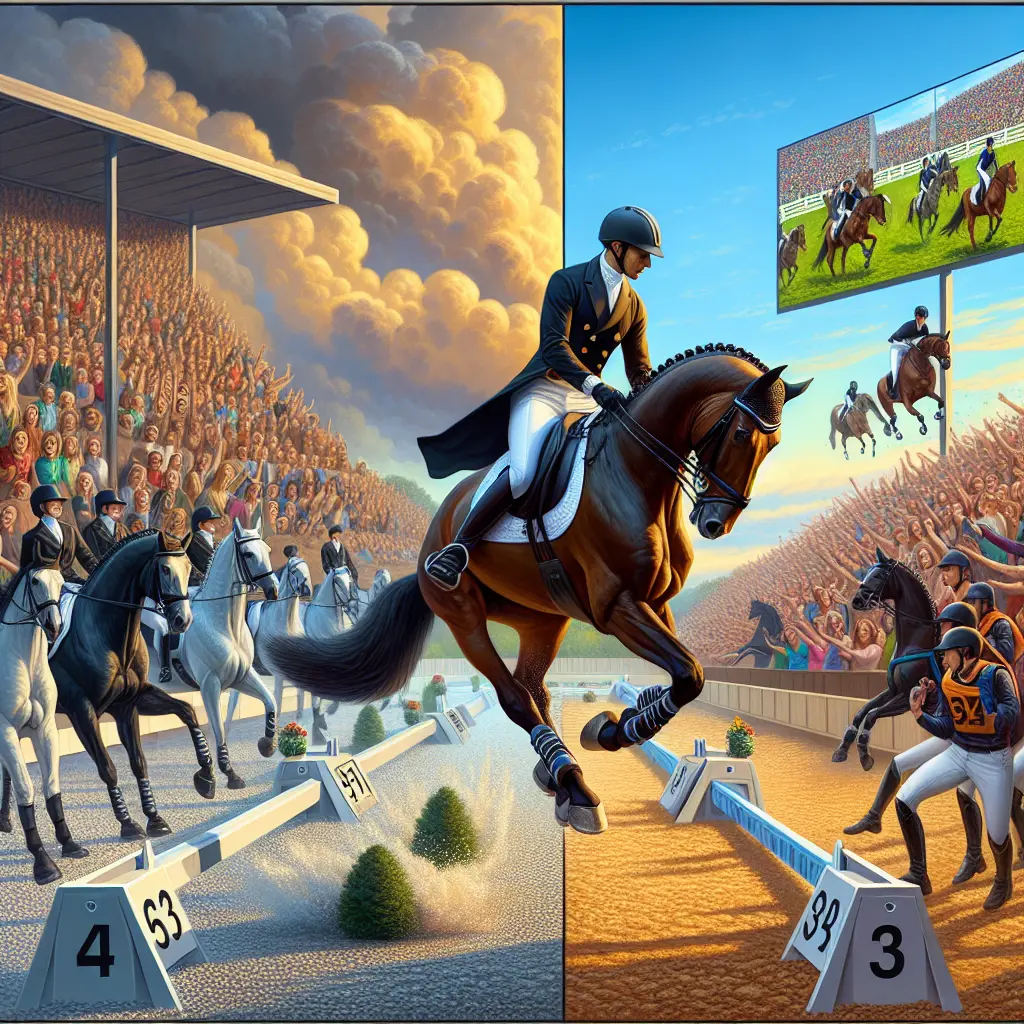
Arena eventing, a condensed version of traditional eventing, has gained momentum by combining elements of dressage, show jumping, and cross-country into a single format. Its fast-paced and dynamic nature makes it easily accessible and enjoyable for spectators and participants alike. Notably, in 2025, there was a 16% increase in class entries per rider in the National Collegiate Equestrian Association (NCEA), indicating a growing appetite for the multifaceted competition and versatility offered by arena eventing (USEF Strategic Plan).
What Dressage Can Learn from Arena Eventing
Simplify and Enhance Spectator Engagement
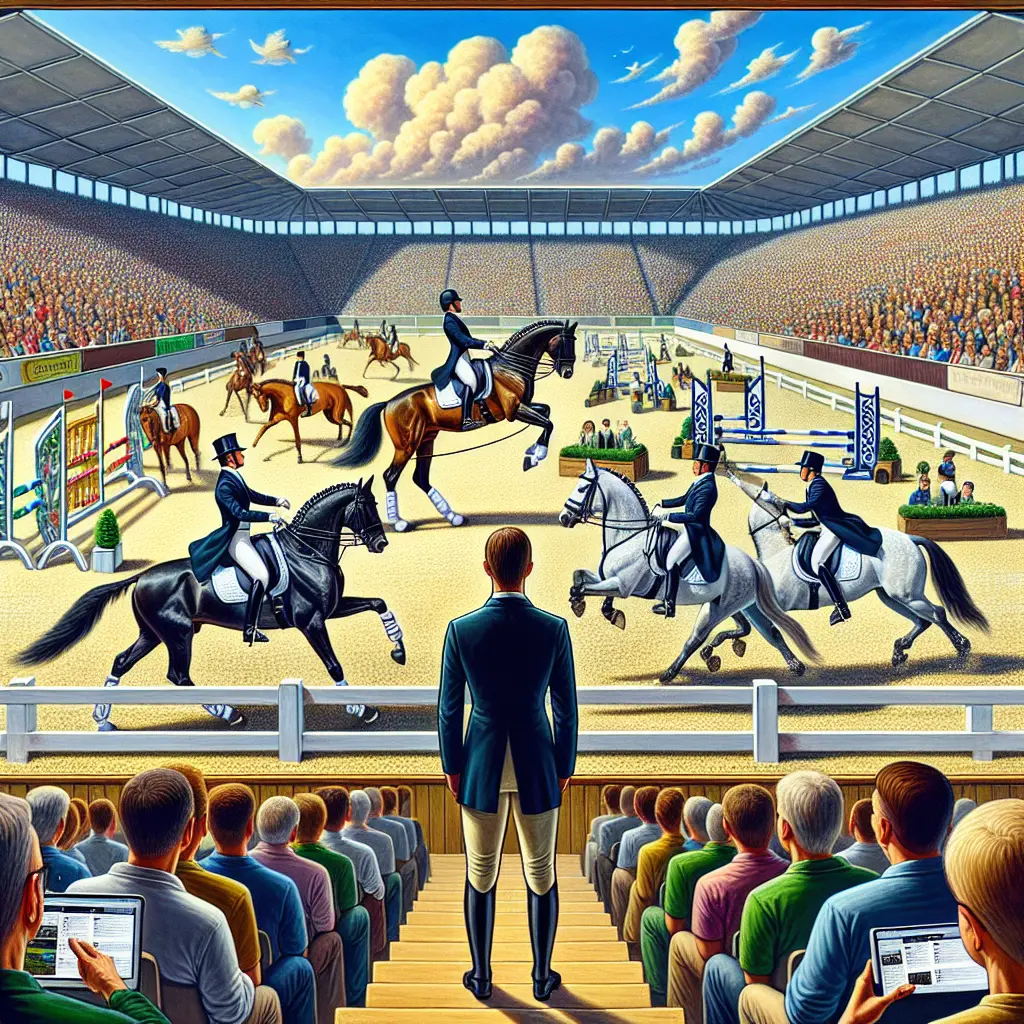
Arena eventing excels in engaging audiences by offering shorter, more varied phases that offer clearer scoring guidelines. These elements make the sport enticing to watch live. Dressage could benefit by exploring similar spectator-friendly formats, like interactive judging explanations or live commentary that demystifies scoring.
Broaden Appeal Through Innovation
The multidiscipline approach of arena eventing attracts younger riders and fans seeking variety and excitement. Dressage could explore innovations such as team competitions, freestyle routines with popular contemporary music, or events integrating elements from other equestrian sports while maintaining core dressage principles.
Youth Education and Accessible Training Opportunities
The success of arena eventing's growth is in part due to its active grassroots and youth programs. Initiatives like the 2025 USEF Dressage Training Series, which focuses on skill development for young athletes, have shown promise in growing the sport from the ground up (Chronicle of the Horse). Expanding access to training and encouraging youth involvement is crucial for bringing fresh energy to dressage.
Leverage Digital Media and Marketing
UPS Equestrian foresaw significant digital growth by leveraging social media, evidenced by 189% growth in video views in 2024. This growth illustrates the impact digital outreach can have in sports promotion (USEF Digital Growth). Harnessing these channels through engaging content, live streaming, and influencer partnerships could capture new audiences for dressage.
Transparent and Engaging Judging Systems

Judging in dressage has faced scrutiny for its subjectivity, which can detract from the sport's appeal. Arena eventing's straightforward scoring system simplifies understanding and enhances perceptions of fairness. Improving transparency in scoring, perhaps by revisiting collective scoring marks, could help dressage become more accessible to a broader audience.
Supporting Data and Trends
Data insights are vital for understanding the scope of change needed for dressage. For example, while there are around 4,000 dressage athletes internationally, eventing hosts about 9,000 riders (Eurodressage). Additionally, there have been notable increases in participation, with average class entries per rider rising by 16%, indicative of the demand for multidiscipline and accessible formats.
Conclusion: The Road Ahead for Dressage
Dressage, with its unparalleled artistry and skill, holds a special place in the equestrian community. But to secure its future and broaden its appeal, dressage must adapt and learn from arena eventing's emphasis on spectator engagement, youth programs, and digital presence. By embracing innovation and maintaining its core values, dressage can reinvent itself to captivate a wider audience, ensuring its long-term vibrancy and relevance in the horse riding world.