

Creating a 30-Day Horse Activity Plan for a Non-Equestrian Partner
If you're in a relationship with someone who adores horses but you don't quite share their enthusiasm, fear not—there’s a way for you to join in without diving headfirst into the saddle. Horses aren't just for riders; they offer companionship and learning opportunities that can enrich the lives of anyone willing to engage.
This 30-day plan is crafted for non-equestrian partners eager to explore the horse world in a fun, safe, and meaningful way. Each day offers a new activity, designed to increase your understanding and enjoyment of horses.
Why This Plan Works
Connecting with horses is about more than just riding; these social animals offer unique experiences through grooming, groundwork, and simply spending time with them. With the horse industry involving more than 4.6 million people in the U.S., it's no surprise that many find fulfillment without ever riding. This plan pulls from reputable sources like the Penn State Extension and Equitours to ensure every activity is safe and enjoyable.
Week 1: Getting to Know Horses
Day 1: Learn the Basics of Horse Behavior
Understanding horse behavior is fundamental. Horses use their body language, vocalizations, and facial expressions to communicate, just like us. For example, their ears are quite telling; forward-facing ears mean they’re alert, while pinned-back ears indicate discomfort. Penn State Extension offers insights into these signals, which are crucial for safe horse handling.
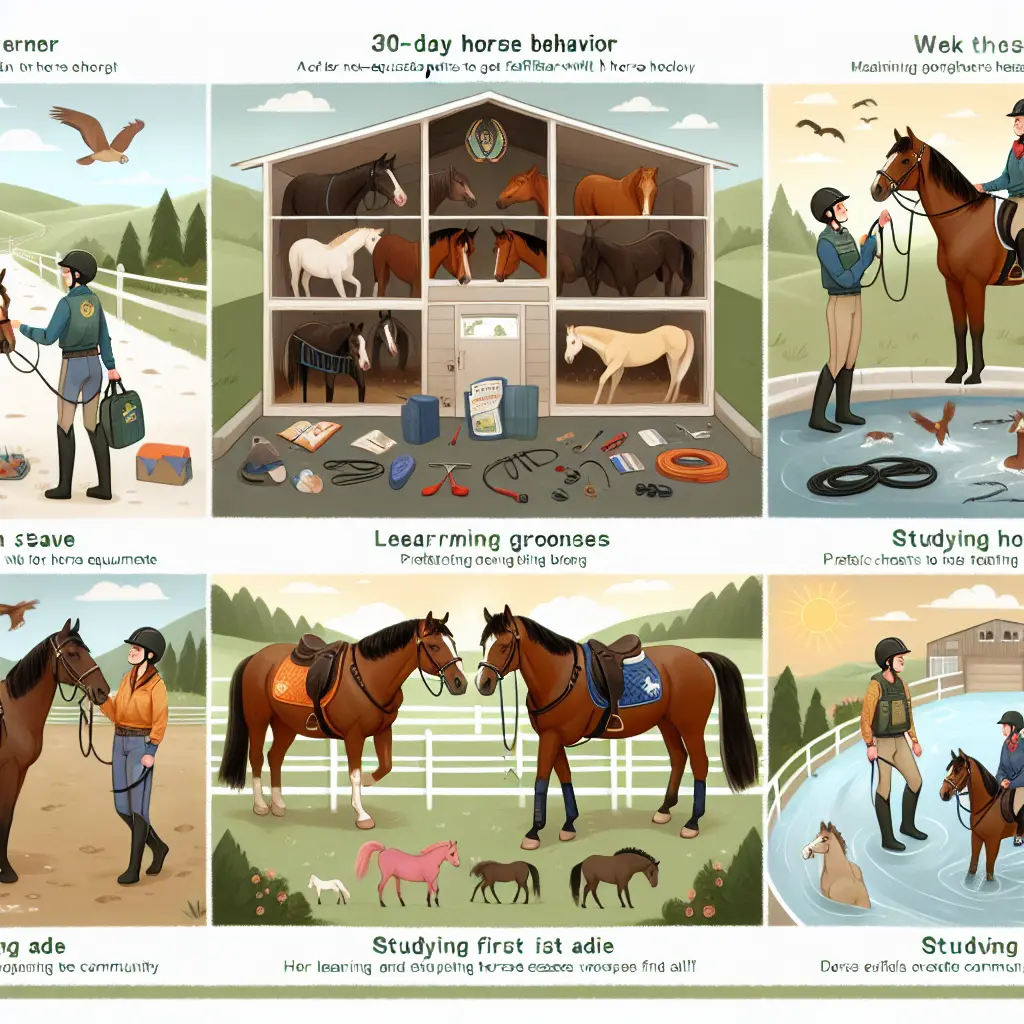
Day 2: Visit a Stable or Riding School
A visit to a local stable or riding school will give you first-hand exposure to horses. With over 8,000 horse farms in the U.S., finding one nearby shouldn’t be difficult. You'll likely get the chance to engage with horses and begin to demystify their care and management.
Day 3: Grooming a Horse
Grooming is a practical way to bond with horses. Through grooming, you build trust while promoting the horse's health. This hands-on task is both therapeutic for you and soothing for the horse as emphasized by Rusty Spurr Ranch.
Day 4: Learn About Horse Nutrition
The dietary habits of horses are both fascinating and essential. On average, a horse consumes about 1.5% to 2% of its body weight in food daily. That’s around 15 to 20 pounds of hay for a 1,000-pound horse. For more detailed horse feeding information, check out the guidelines from the Equine Nutrition Alliance.
Day 5: Practice Safe Horse Handling
Understanding how to handle horses safely is crucial. Always approach from the front or side and never wrap the lead rope around your hand. For more comprehensive guidelines on safe horse handling, refer to the resources provided by Penn State Extension.
Day 6: Watch a Horse Training Session
Witnessing a professional at work can be enlightening. Whether in person or online, observing training sessions provides insights into techniques like positive reinforcement. Equitours emphasizes groundwork as key in building trust and obedience.
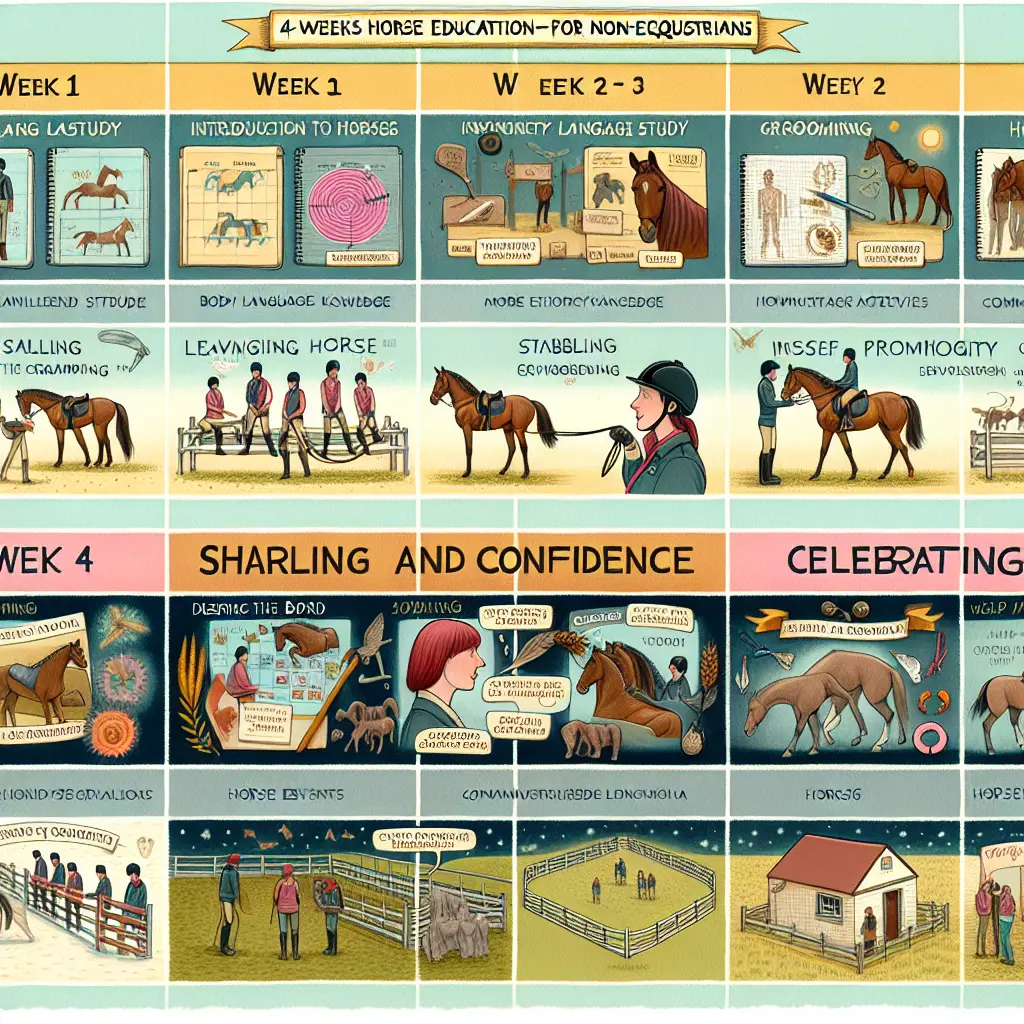
Day 7: Reflect on Your Experience
Take time to journal your thoughts. Reflecting on what you’ve learned and enjoyed during your first week sets a positive tone for the upcoming weeks. It also helps reinforce your newfound knowledge and skills.
Week 2: Building Skills and Confidence
Day 8: Learn About Horse Tack and Equipment
The role of saddles, bridles, and other tack in horseback riding cannot be understated. Each item has a specific purpose and learning about them will provide deeper insights into horse riding. The American Horse Council provides plenty of resources on tack safety and suitability.
Day 9: Practice Leading a Horse
Leading a horse with a lead rope fosters confidence and trust between you and the horse. Keeping the rope short and walking beside the horse's shoulder while using clear, calm commands helps solidify your control and the horse's obedience.
Day 10: Explore Horse Health Basics
Familiarize yourself with common horse health issues like colic and lameness. Being aware of these can help protect your equine friends. See the fact sheets provided by the American Association of Equine Practitioners (AAEP) for more information.
Day 11: Attend a Horse Show or Event
Horse shows are a treat for the senses. They offer a window into various disciplines and allow you to meet other enthusiasts. Look up events through the United States Equestrian Federation and get inspired.
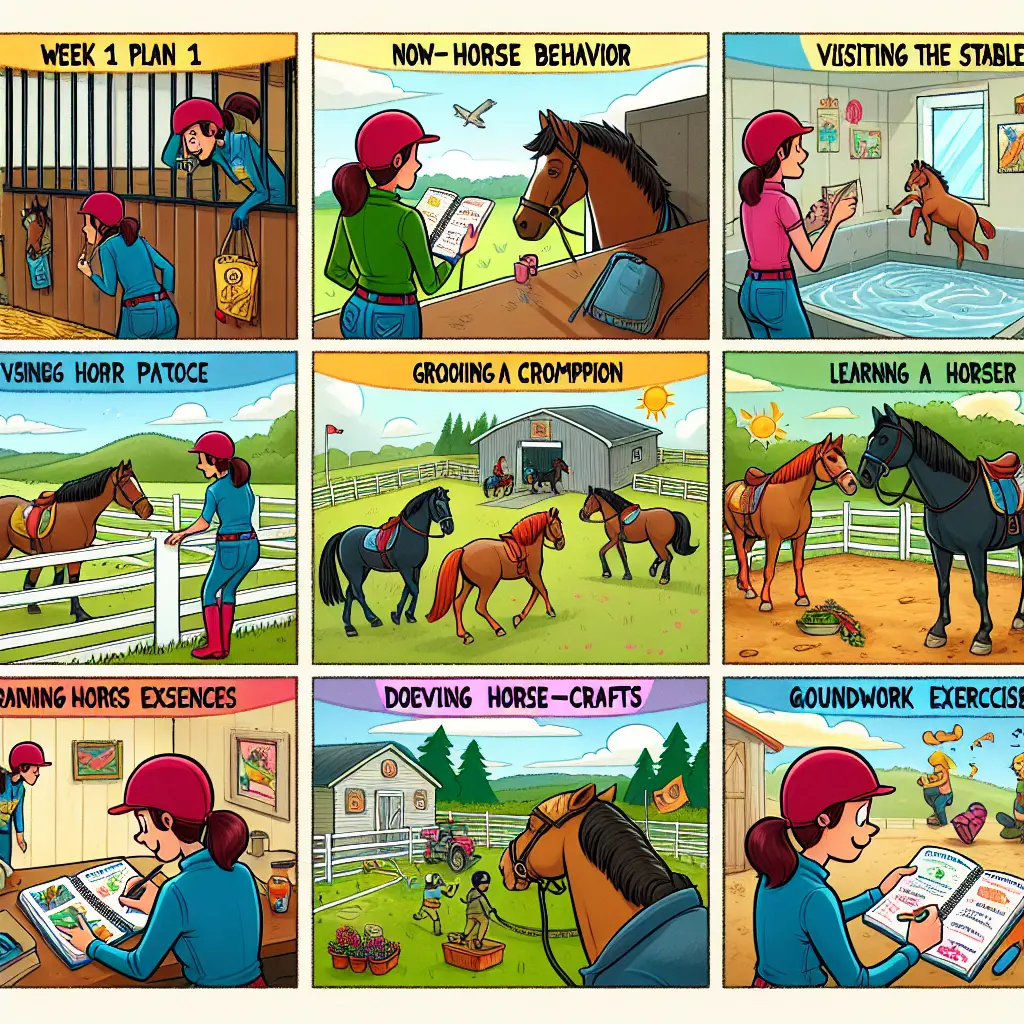
Day 12: Learn About Horse Breeds
Exploring the variety of over 300 horse breeds worldwide can be eye-opening. Research those that intrigue you, such as the Arabian, Quarter Horse, or Thoroughbred. Find detailed breed information on the American Livestock Breeds Conservancy.
Day 13: Practice Groundwork Exercises
Including activities like leading, stopping, and backing up in your routine not only enhances horse handling skills but also solidifies trust between you and your horse. Rusty Spurr Ranch recommends positive reinforcement to reward good behavior.
Day 14: Reflect on Your Progress
At week’s end, take a moment to reflect and track your progress. Journaling not only helps solidify your thoughts but also keeps you motivated as you move into the next week.
Week 3: Deepening Your Connection
Day 15: Learn About Horse Psychology
Understanding that horses are prey animals with a strong flight instinct can help in interacting more effectively. Explore more about their psyche and training advancements through the Equine Behavior Association.
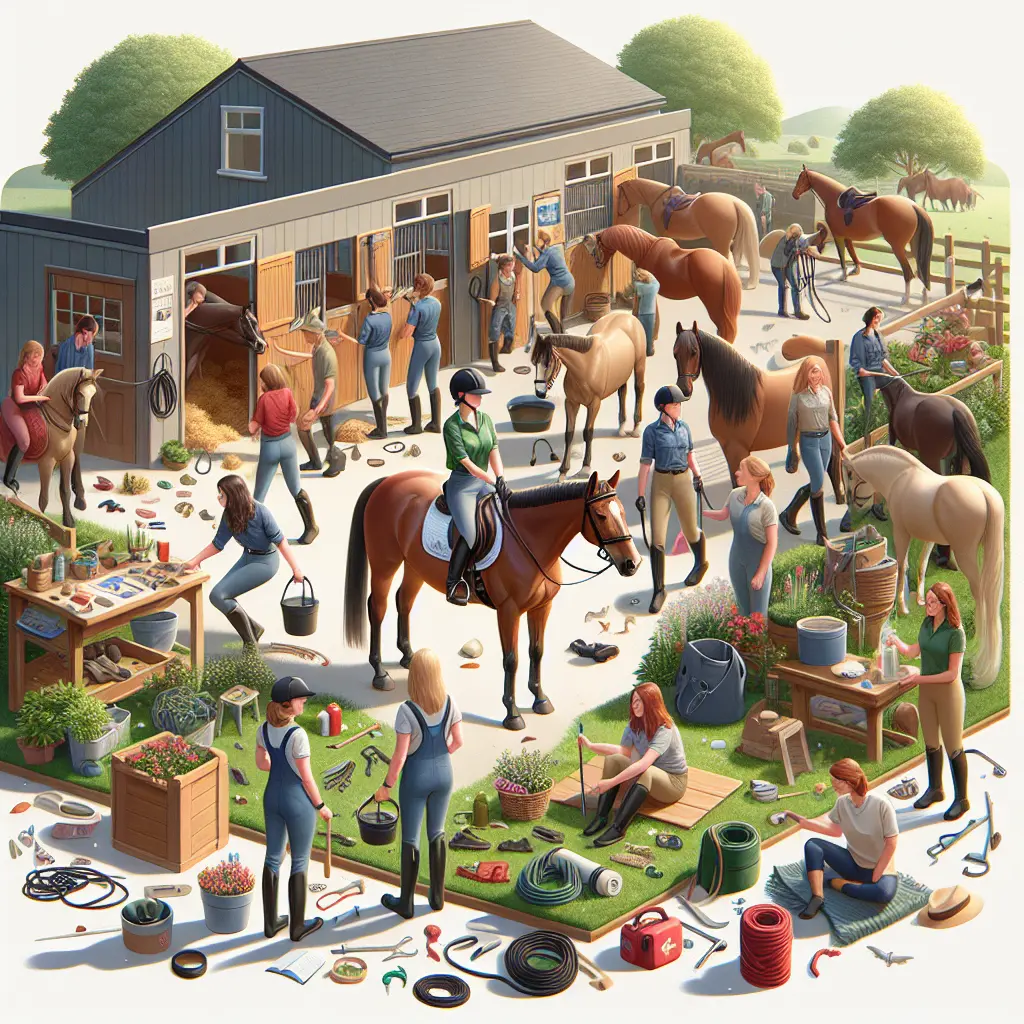
Day 16: Practice Grooming Techniques
Refining your grooming techniques builds an even stronger bond of trust. Listen to your horse’s responses and adjust your methods accordingly. This activity deepens your connection and mutual understanding.
Day 17: Learn About Horse First Aid
Acquiring basic first aid knowledge is indispensable for any horse handler. Learn to treat minor wounds and recognize signs of ailments. The AAEP provides comprehensive resources on horse first aid.
Day 18: Attend a Workshop or Class
Participating in a workshop on horse care, grooming, or groundwork is a practical way to advance your skills and meet like-minded enthusiasts. These classes can be both fun and educational.
Day 19: Explore Horse-Related Crafts
Unleash your creativity with horse-themed crafts such as painting, drawing, or scrapbooking. This artistic outlet celebrates your journey while expressing your unique perspective on engaging with horses.
Day 20: Practice Leading and Groundwork
Your foundational skills in leading and groundwork will benefit from consistent practice. Focus on clear communication and enthusiastic praise to encourage good manners and responsiveness.
Day 21: Reflect on Your Journey
Journaling about your journey helps solidify your experiences and set future goals. Consider how your relationship with horses and your partner has evolved over time.
Week 4: Sharing and Celebrating
Day 22: Share Your Experiences
Sharing knowledge with your partner can strengthen your bond and provide insight into your growth and achievements during this experience.
Day 23: Invite Friends or Family
This is a fantastic time to invite friends or family to join in a horse-related activity. Spread the joy and potentially spark interest in others who might be curious about horses.
Day 24: Learn About Horse Welfare
Delve deeper into ethical horse care principles which include their wellbeing and humane treatment. World Horse Welfare offers a wealth of resources to enhance your knowledge on such matters.
Day 25: Attend a Community Event
Participate in horse community activities like parades or fundraisers to meet other enthusiasts and support the equestrian community effectively.
Day 26: Practice Your Skills
Repetition is the key to mastering any skill. Continue refining the skills you’ve worked on—like grooming and groundwork—to build confidence and fortify your knowledge.
Day 27: Reflect on Your Achievements
Celebrate how far you’ve come and what you’re most proud of. Keeping a record helps underscore your achievements and prepares you for your next steps.
Day 28: Plan Your Next Steps
Think about the future and build a plan. Do you wish to try riding, partake in workshops, or volunteer for horse-related works? Planning these next steps keeps the fire alive.
Day 29: Share Your Story
Consider penning down your experiences in a blog or social media platform to inspire others and contribute to building a supportive community around you.
Day 30: Celebrate Your Journey
You have embarked on a remarkable journey full of learning and growth. Take a moment to relish your experiences and accomplishments thus far.
Final Thoughts
This 30-day plan merely scrapes the surface of what the equine world has to offer. Whether you aspire to continue learning or simply enjoy the company of these amazing creatures, you have taken a momentous step.
Remember, horses are not solely for riders. They are treasured companions providing opportunities for learning and a means to connect with nature and your loved ones in fascinating ways. Through this journey, you have enriched your life and strengthened your relationship with your equestrian partner.
References
- American Horse Council. (2023). Horse Industry Statistics.
- Penn State Extension. (2023). Safe Horse Handling.
- Rusty Spurr Ranch. (2023). Beginner Safety Tips for Horseback Riding.
- Equitours. (2023). Riding Safety Tips.
- American Association of Equine Practitioners. (2023). Horse Health and First Aid.
- Equine Nutrition Alliance. (2023). Horse Feeding Guidelines.
- World Horse Welfare. (2023). Principles of Horse Welfare.