

Embracing the Journey: Caring for a Pregnant Icelandic Mare
Owning a pregnant Icelandic mare at a new livery yard can be both rewarding and challenging. These majestic creatures, known for their endurance and unique gaits, bring a special joy but also require specific dietary and exercise considerations. This guide will walk you through the essentials of managing her pregnancy, integrating into a new environment, and ensuring the wellbeing of both mare and future foal.
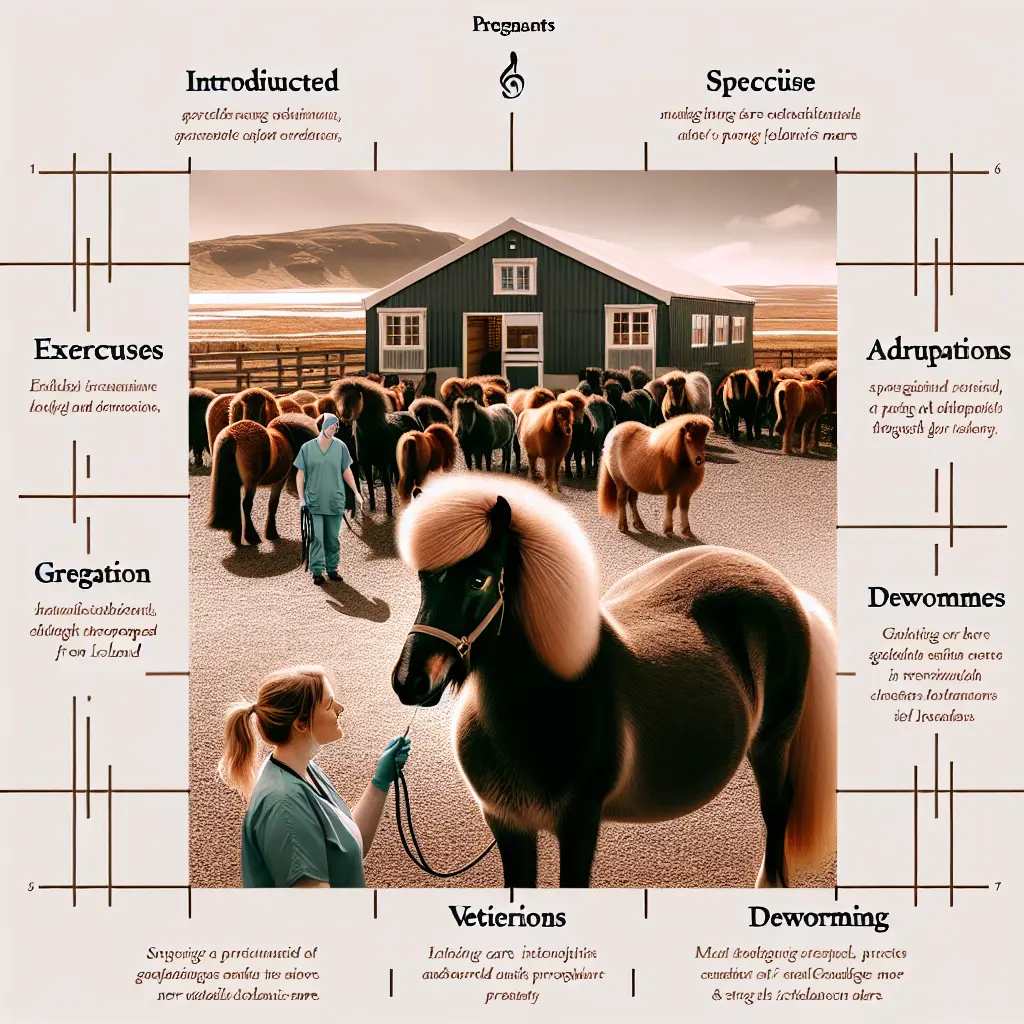
Understanding Pregnancy Management for Icelandic Mares
The nutritional and physical demands of an expecting mare can significantly alter during pregnancy. Let's explore this further.
Nutrition
During the first two trimesters, the mare's diet remains mostly unchanged, focusing on maintaining a good body condition. As the fetus grows in the last trimester, you'll need to increase her energy intake to support fetal development and lactation. Ensuring a balanced intake of higher protein concentrates and quality hay is key. Aim for a body condition score between 5 and 6.5, as improper conditioning can lead to complications (EquiManagement).
Exercise
Regular, moderate exercise is essential for maintaining circulation and lymphatic health. However, make sure not to over-exert the mare, especially in the final stages of pregnancy. Consistency is paramount; do not introduce new strenuous activities, but rather continue familiar routines and adjust as necessary (Merck Veterinary Manual).
Vaccinations and Deworming
Vaccines should be updated before breeding, with further vaccinations avoided in the early stages of pregnancy. As delivery nears, vaccinate her against diseases such as encephalitis and tetanus to ensure antibody transfer to the foal via colostrum. Deworm based on fecal egg counts to keep parasite loads manageable (Merck Veterinary Manual).
Monitoring and Foaling Preparation
Regular veterinary ultrasounds help assure fetal health and accommodate the unique physiology of purebred Icelandic mares. Create a clean, comfortable foaling space with straw bedding to enhance safety and cleanliness (EquiManagement).
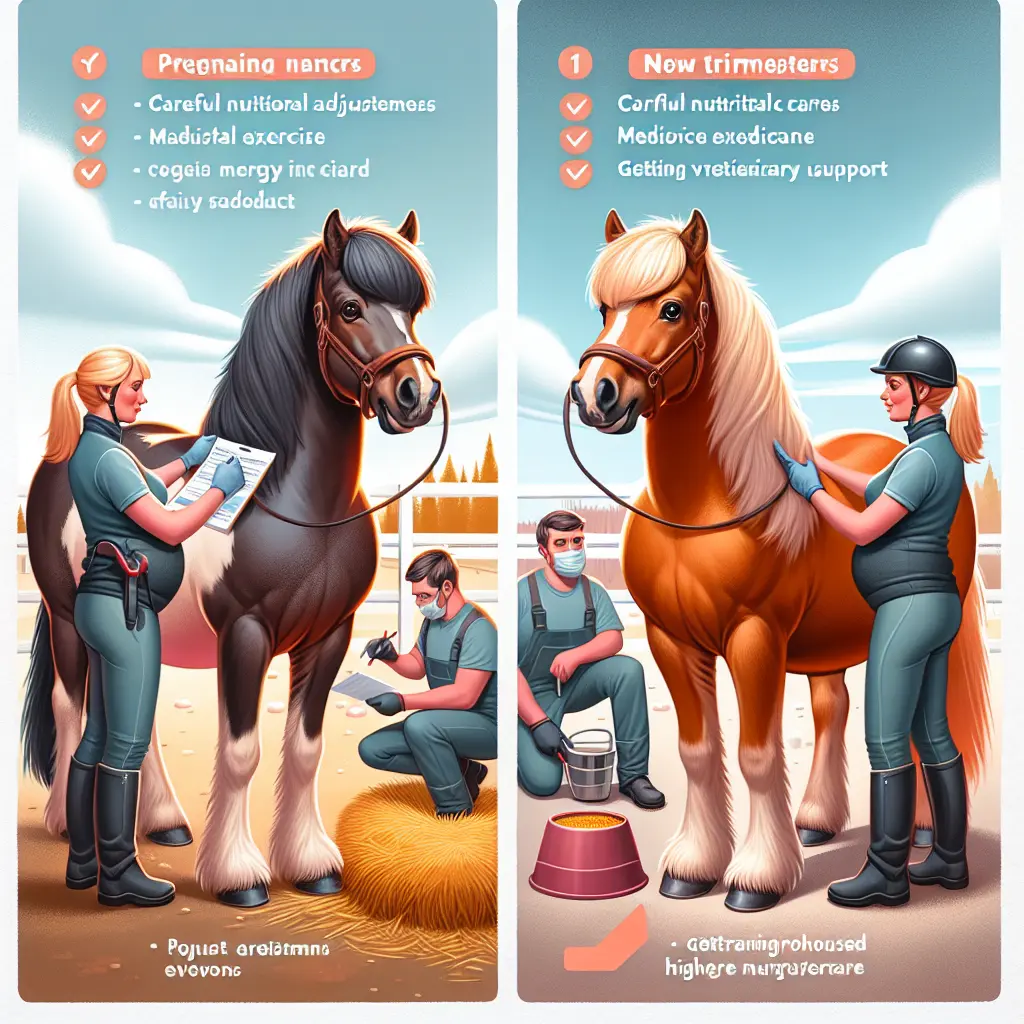
Navigating a New Livery Yard with a Pregnant Icelandic Mare
Moving to a new livery yard involves adapting to new surroundings, which can be stressful for a pregnant mare. It's important to manage her introduction carefully.
Biosecurity
To protect your mare from infections, keep her isolated from other potentially contagious horses. Utilize separate feeding and watering systems and discourage sharing equipment to minimize disease risks (University of Minnesota Extension).
Stable Environment and Socialization
Icelandic horses are naturally hardy and social, yet introducing them to new herd mates must be managed gradually to avoid stress. Ensuring compatibility with paddock companions helps maintain a peaceful environment (University of Minnesota Extension).
Routine and Familiarity
Consistency in feeding, exercise, and human interaction is crucial for a mare's emotional and physical health. Gradually introduce any changes in diet to avoid digestive issues (Merck Veterinary Manual).

Regular Veterinary Support
Having a vet experienced in equine reproduction can make a significant difference. Routine check-ups, timely vaccinations, and foaling preparations ensure prompt attention to any potential problems (EquiManagement).
Special Considerations for Icelandic Mares
Icelandic mares, famous for their purity and endurance, may have unique nutritional requirements. Efforts should be made to mimic their native conditions as closely as possible, ensuring high-quality forage during cold months (University of Minnesota Extension).
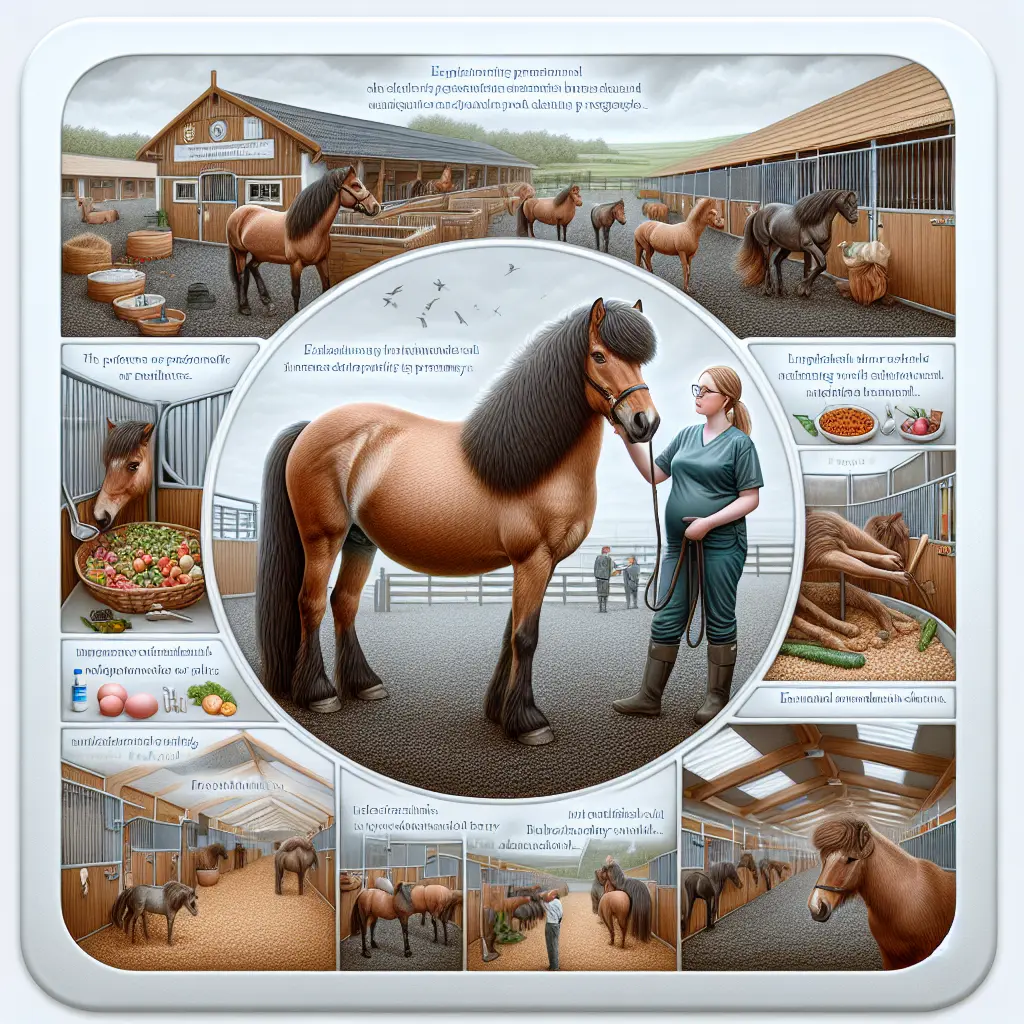
The Joys of Ownership
Despite the challenges, caring for a pregnant Icelandic mare offers profound satisfaction. Witnessing the birth of a new foal and being a part of the continuation of this historic breed is a deeply rewarding experience. Explore the joy of nurturing a unique lineage.
Conclusion
Managing a pregnant Icelandic mare in a new livery yard requires dedication, careful planning, and a touch of patience. By understanding her pregnancy needs, incorporating a well-structured routine, and offering compassionate care, you can support the mare and her foal through this exciting journey. Remember that the key is balancing research-backed practices with the joy of connecting with such a remarkable breed. Visit Just Horse Riders for more resources and products to enhance your equestrian experience.