

The Impact of Ancestry and Breeding on Horse Soundness: Is It Luck or Science?
As you trot into the world of horse breeding, one question often emerges: Is a horse's soundness dictated by luck, or can savvy science shape its future? For aficionados spanning breeders, owners, and stable-hands, understanding this is far from mere theory—it impacts how they care for and invest in these majestic creatures. In this article, we delve into the depths of how a horse's lineage and selective breeding contribute to soundness, leveraging science to leap beyond mere luck.
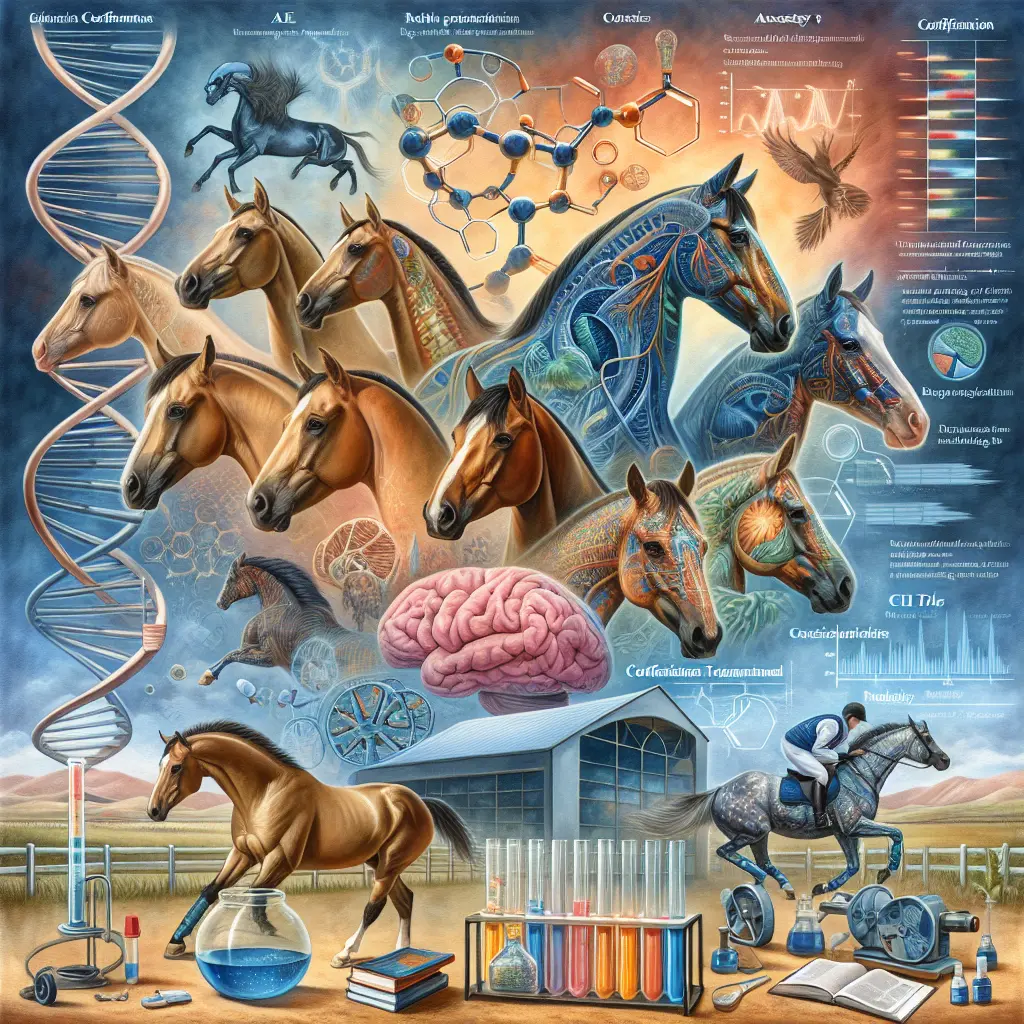
What Is Horse Soundness?
"Soundness" isn't just a buzzword but a linchpin for equine well-being. A sound horse is free from injuries or conditions that inhibit its workability—be it lameness, dental issues, or heart problems (Practical Horseman). Soundness embodies resilience, a trait breeders covet, especially for horses destined for competition and rigorous training.
The Role of Ancestry in Soundness
An equine's family tree often paves the way for its future soundness. While ancestry impacts traits like bone structure and health robustness, not every pedigree is created equally.
Inbreeding and Its Risks
Enter the contentious arena of inbreeding. While it might intensify favorable traits, it heightens the risk of health issues. A study on Thoroughbred horses underscored how inbreeding led to horses becoming more prone to start issues in races. Genomic data has spotlighted these challenges, reminding us that too much inbreeding fosters genetic bottlenecks, imperiling soundness.
Genetic Diversity and Soundness
Yet, it's not all hooves and gloom. Genetic diversity holds the promise of healthier progeny. Leveraging tools like DNA testing helps breeders ensure more genetically varied offspring, minimizing risks of inherited diseases (DNA My Horse). These tests shine a light on predispositions, aiding in making informed breeding choices.
Breeding for Soundness: Science Over Tradition
Historically, breeders were stalwarts of tradition, leaning on pedigree, performance, and aesthetics. But modern science revolutionizes this practice, providing layers of genetic insights.
Selecting for Durability
Today, emphasis shifts towards durability—horses not only need to be fast but also resilient. Tools like the Average Earnings Index (AEI) gauge a sire's ability to produce sound runners. Horses like "High Brite" exemplify this—strong performers on durability more than one-hit financial wonders.
The Importance of Conformation
Conformation, the physical framework of a horse, plays a pivotal role in determining soundness. Those with solid conformation face fewer injuries, easing the burden of training (Thal Equine). Breeders are advised against pairing horses with significant conformational flaws, aiming to pass on only their best physical attributes.
Genetic Testing and Disease Prevention
In the dazzling arena of modern horse breeding, genetic testing shines as a beacon. Identifying carriers of diseases like Polysaccharide Storage Myopathy (PSSM) through genetic testing ensures that offspring are not compromised by hereditary conditions. This testing not only helps in disease prevention but enriches breeding decisions by offering a comprehensive view of ancestry and potential genetic pitfalls.
Real-World Examples and Data
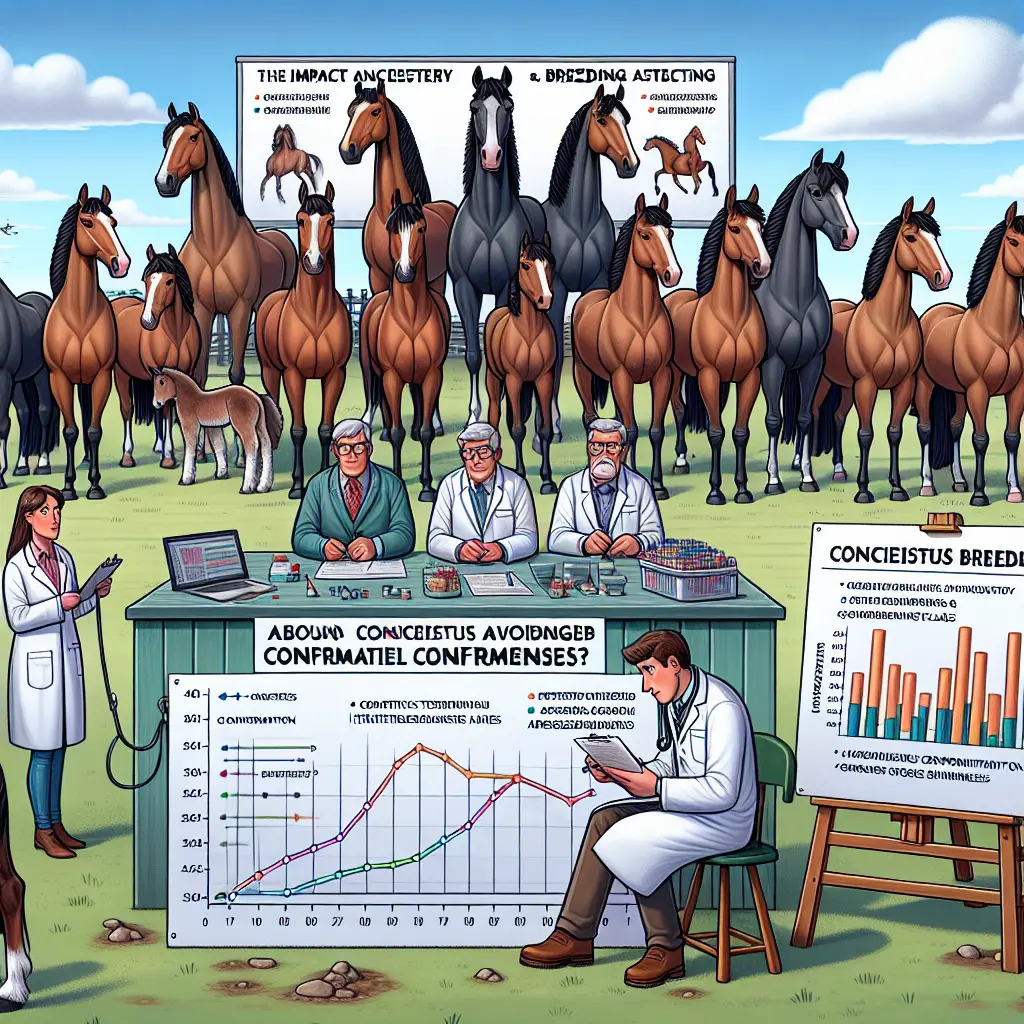
Concrete illustrations often bring clarity to theory. Let’s saddle up into some real-world scenarios reflecting how ancestry and breeding underscore soundness.
Thoroughbred Racing
In the swift realm of Thoroughbred racing, the quest for speed sometimes trumps soundness. A recent study involving 6,000 Thoroughbreds showcased the hurdles of excessive inbreeding, with an increase in race non-starters. Such data informs a gradual paradigm shift towards a balance between speed and longevity.
Sport Horses
In the world of sport horses, soundness is equally paramount. Genetic markers now flag traits vital for bolstering soundness, such as bone density and joint health. Breeding decisions thrive on DNA insights and conformation evaluations, choosing pairs that promise not only aesthetics but enduring soundness (DNA My Horse).
The Future of Horse Breeding
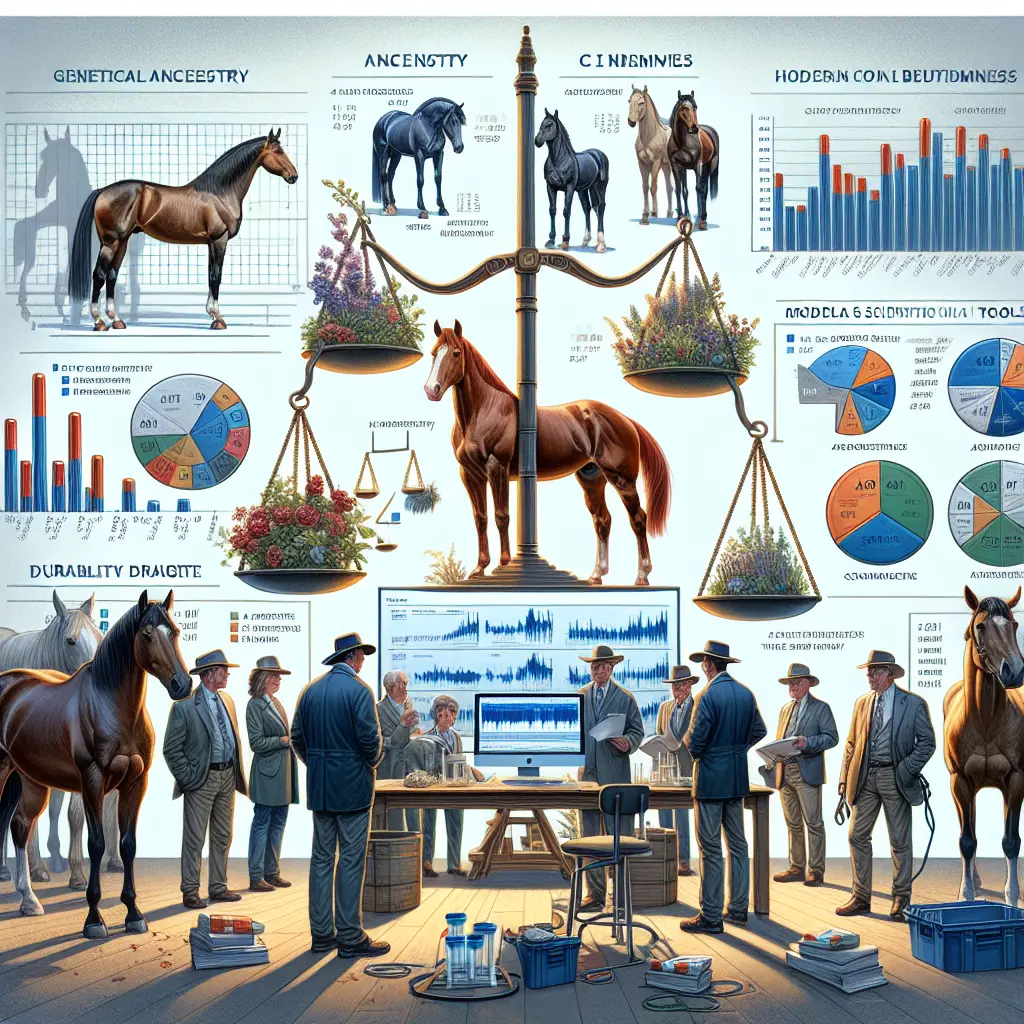
The equine future shines with potential—by harnessing both traditional insights and cutting-edge science. Pedigree and performance may hold sway, but the synergy of genetic testing will be indispensable to produce sound horses.
Key Takeaways for Breeders and Owners
- Utilize genetic testing to map out potential risks and ensure genetic variety.
- Select for more than speed—embrace durability and solid conformation.
- Evade over-inbreeding to minimize health concerns.
- Routinely perform veterinary exams and conformation assessments before breeding.
- Stay updated on research trends and breeding practices.
The Role of the Market
Buyers influence the breeding landscape significantly. By endorsing horses with soundness and robust conformation, the market moves towards healthier, more resilient stock.
Conclusion: Luck or Science?
So, navigating the course from breeding yard to racetrack, does horse soundness pivot around luck or scientific rigor? Truth be told, it’s a hybrid. Science grants a mane of possibilities to breeders, reducing reliance on mere chance. By comprehensively understanding ancestry, deftly wielding genetic insights, and selecting judiciously, breeders have the power to sculpt horses that are breathtakingly fast, impeccably sound, and dazzlingly durable.
Embrace the bright horizon with the elegant Jodhpurs collection or select horse riding boots that suit every gait. For a bonded experience with your equine companions, consider investing in horse treats and gifts or stay prepared for any course along the equestrian path.