

Understanding Tail Clamping Reflex in Horses: What It Means and Why It Matters
A horse's tail is much more than a decorative plume swishing gracefully with its every move. It serves as a vital component of their anatomy and a communicator of their health and well-being. One of the most telling signs of discomfort or injury in horses is the tail clamping reflex—a behavior that can highlight anything from minor irritations to serious concerns like neurological disorders.
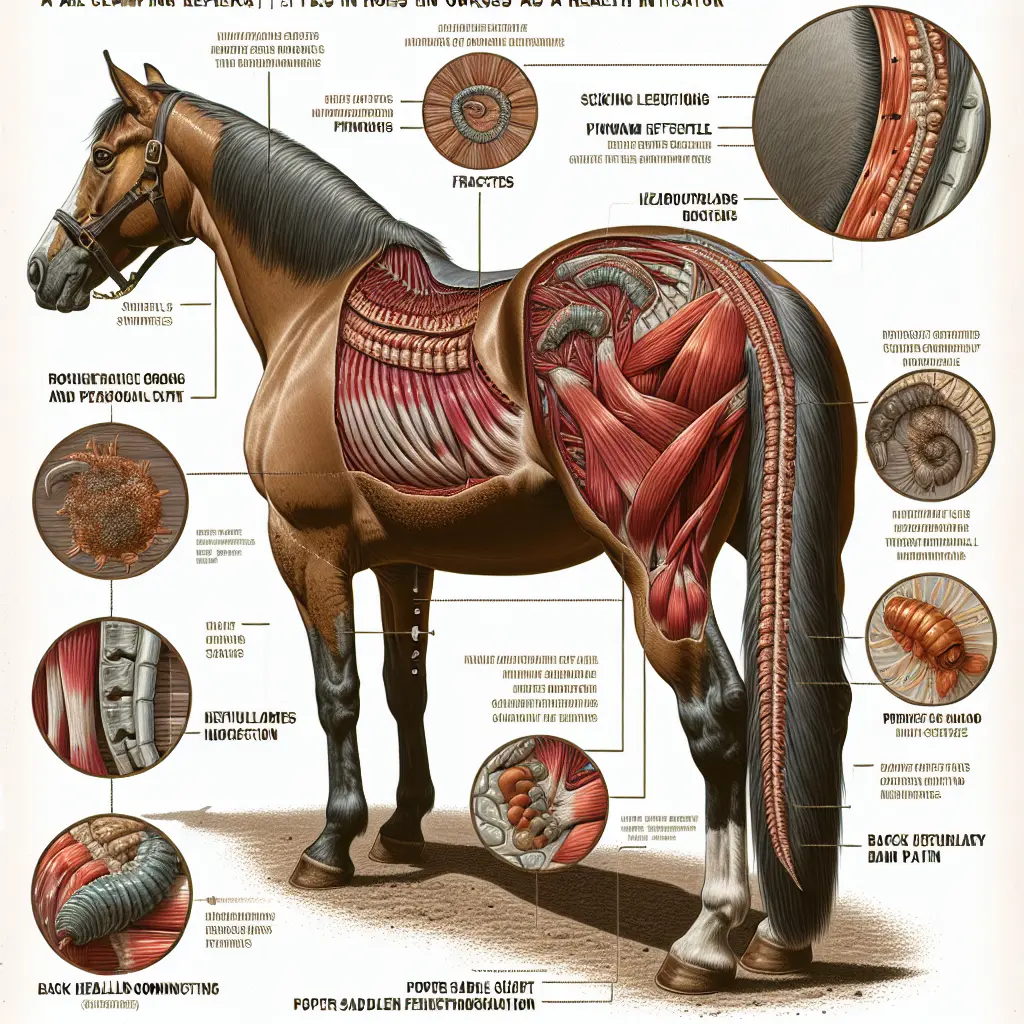
In this blog, we'll dive into what tail clamping means, why it matters, and when it's time to seek veterinary attention. We'll also explore the anatomy behind the tail, common causes of tail clamping, and how horse owners can help maintain their horse's health by understanding this crucial reflex.
What Is the Tail Clamping Reflex?
Tail clamping is a protective reflex where a horse holds its tail tightly against its hindquarters with minimal to no movement. Triggered by pain, irritation, or discomfort, this reflex serves to protect sensitive areas from further irritation. As noted by Petplan Equine, "lesions on the underside of the tail lead a horse to clamp its tail, preventing healing and increasing infection risk."
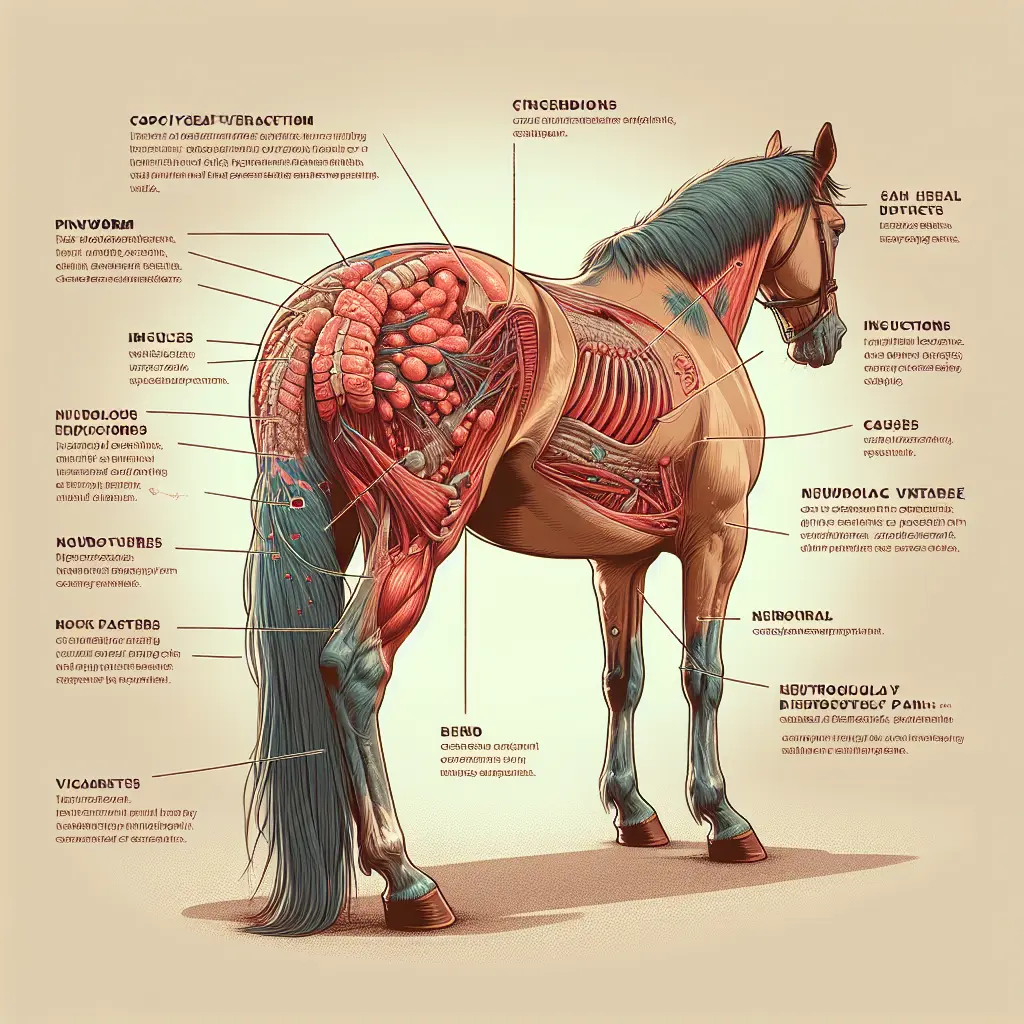
Anatomy of the Horse's Tail
The horse's tail is a continuation of the spine, containing between 15 and 21 coccygeal vertebrae, surrounded by muscles, nerves, and blood vessels. Due to its complex structure and connection to the spine, any irritation can impact the horse's health and behavior. Learn more in our Jodhpur Collection to keep your horse looking stylish whilst in comfort.
Common Causes of Tail Clamping
Skin Conditions and Lesions
Skin ailments around the tail can be intensely painful, prompting defensive behavior. The blocked blood flow combined with contaminated faecal material creates healing challenges. Additionally, consult our Practical Horseman article for more on skin issues.
Pinworm Infestation
Pinworms cause itching and irritation due to eggs laid outside the body. This often forces a horse to rub its tail or clamp it tightly. Unfortunately, treatment can be complex due to increased resistance to standard dewormers.
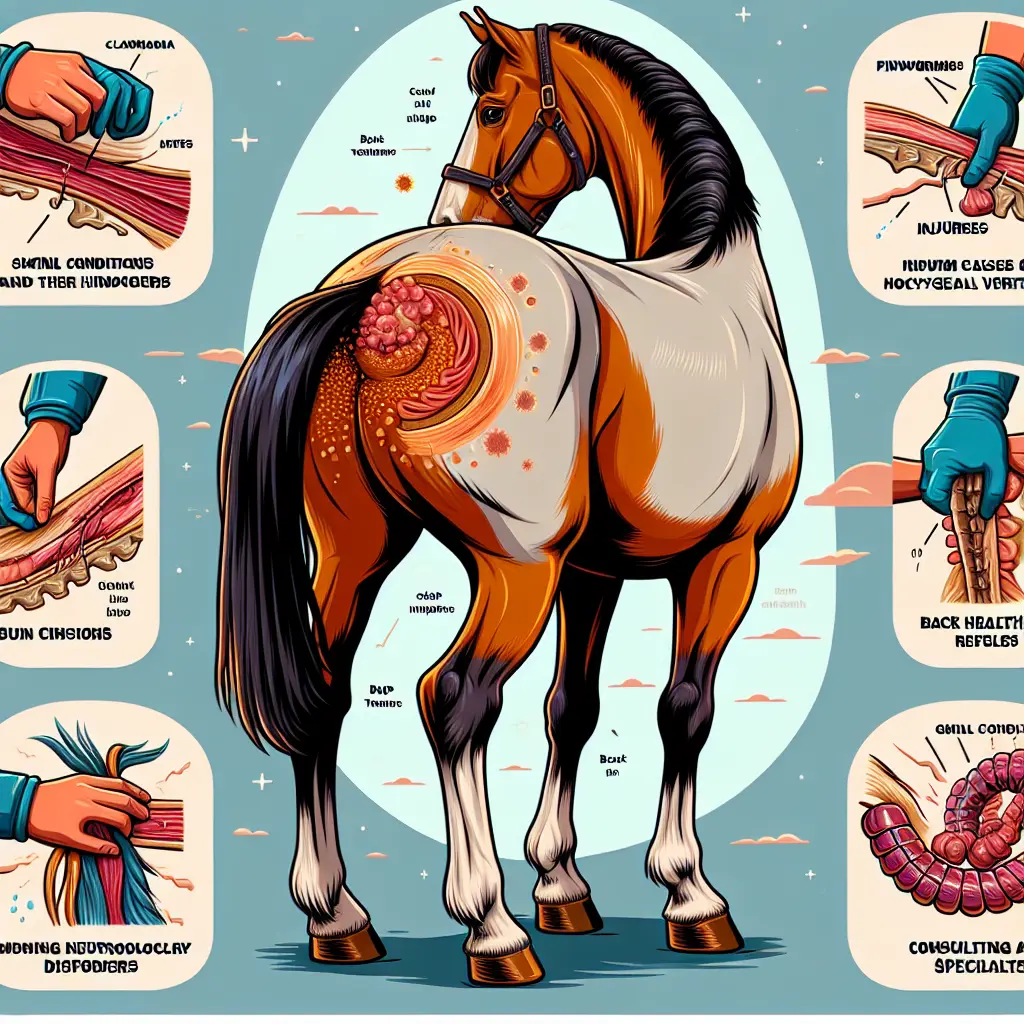
Injury or Fracture
Injuries from kicks or falls can lead to fractures or nerve damage. An oddly angled tail or hesitation in moving the tail are common indicators. Recovery often requires prompt veterinary care to alleviate discomfort and prevent further complications.
Neurological Disorders
Neurological problems can manifest through a clamped tail. Issues such as weak or non-responsive tails can signal complications in the spinal cord or nervous system. Regular check-ups are crucial for catching neurological signs early.
Back Pain or Sacral Restrictions
Restrictions in the sacrum impact tail carriage. These issues often arise from disciplines requiring rigorous back health, such as dressage. Assessing sacral alignment may prevent chronic pain or performance setbacks.
Why Tail Clamping Matters
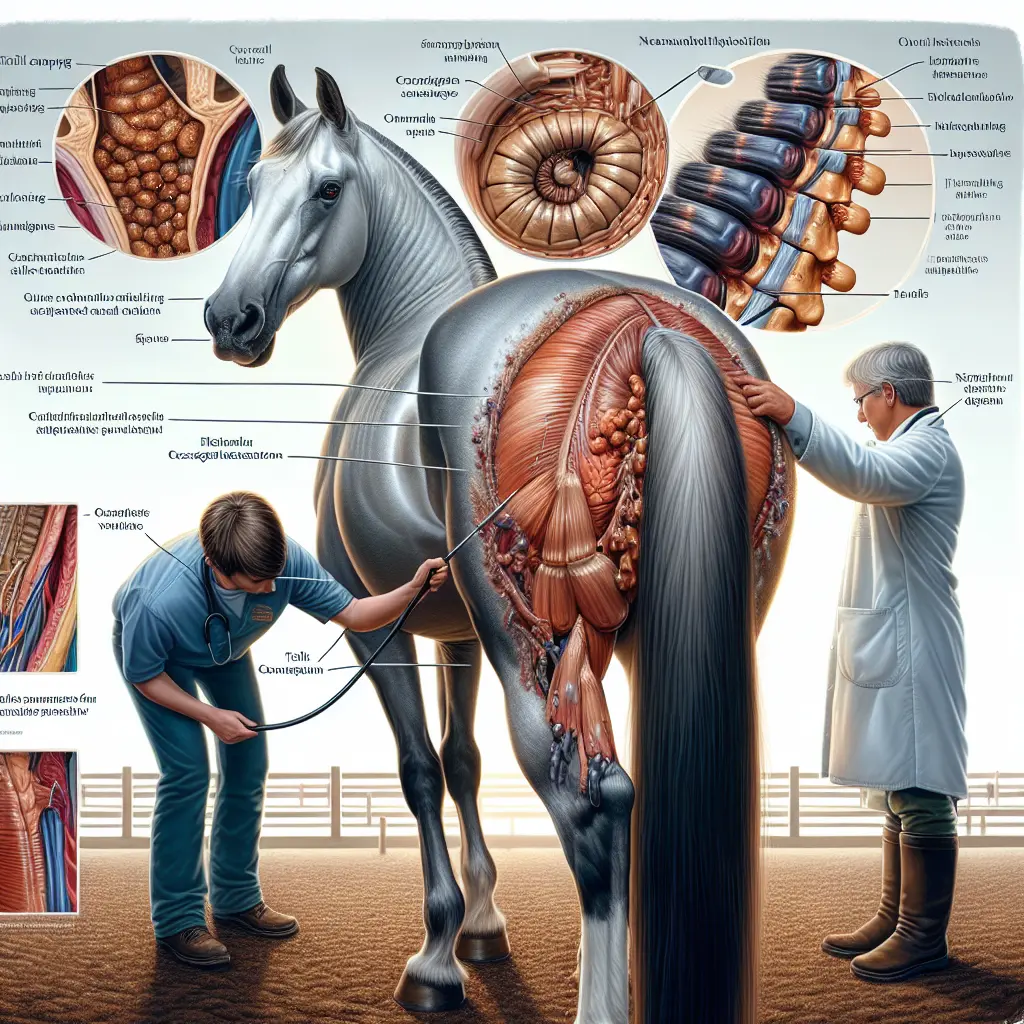
Tail clamping is more than a quirky behavior. It's a critical signal that something may be wrong. Ignoring it can delay timely diagnosis and treatment, leading to worsened conditions or discomfort that affects a horse's performance and quality of life.
What Should You Do If Your Horse Is Clamping Its Tail?
- Inspect the Tail and Hindquarters: Look for signs of injury or lesions.
- Monitor for Other Symptoms: Notice any changes in gait, behavior, or appetite.
- Consult Your Veterinarian: Prompt veterinary advice is essential if tail clamping persists with other symptoms.
Maintaining your horse's Everyday Horse Vitamins & Supplements can help support their health and prevent issues.
Supporting Your Horse's Health
Recognizing the tail clamping reflex empowers you to act swiftly when your horse is in distress. Regular grooming, effective parasite control, and attention to saddle fit and back health can mitigate many tail clamping triggers.
Conclusion
The tail clamping reflex offers insight into your horse's health. By identifying and understanding this reflex, you ensure your horse gets the care it needs for optimal comfort. Remember, a horse's tail is more than just a feature—it's a window into their well-being.
Stay informed, consult professionals, and preserve your horse's health. Visit Just Horse Riders today for a range of equestrian products designed to keep you and your horse at their best.