

Understanding Gas Colic in Horses: A Comprehensive Guide
Gas colic is a common digestive condition in horses that can cause significant discomfort. While most instances are mild, it's crucial for horse owners to recognize the signs early, provide appropriate initial care, and know when to seek veterinary assistance. This guide covers everything from symptoms and causes to management and veterinary interventions for gas colic.

What Is Gas Colic?
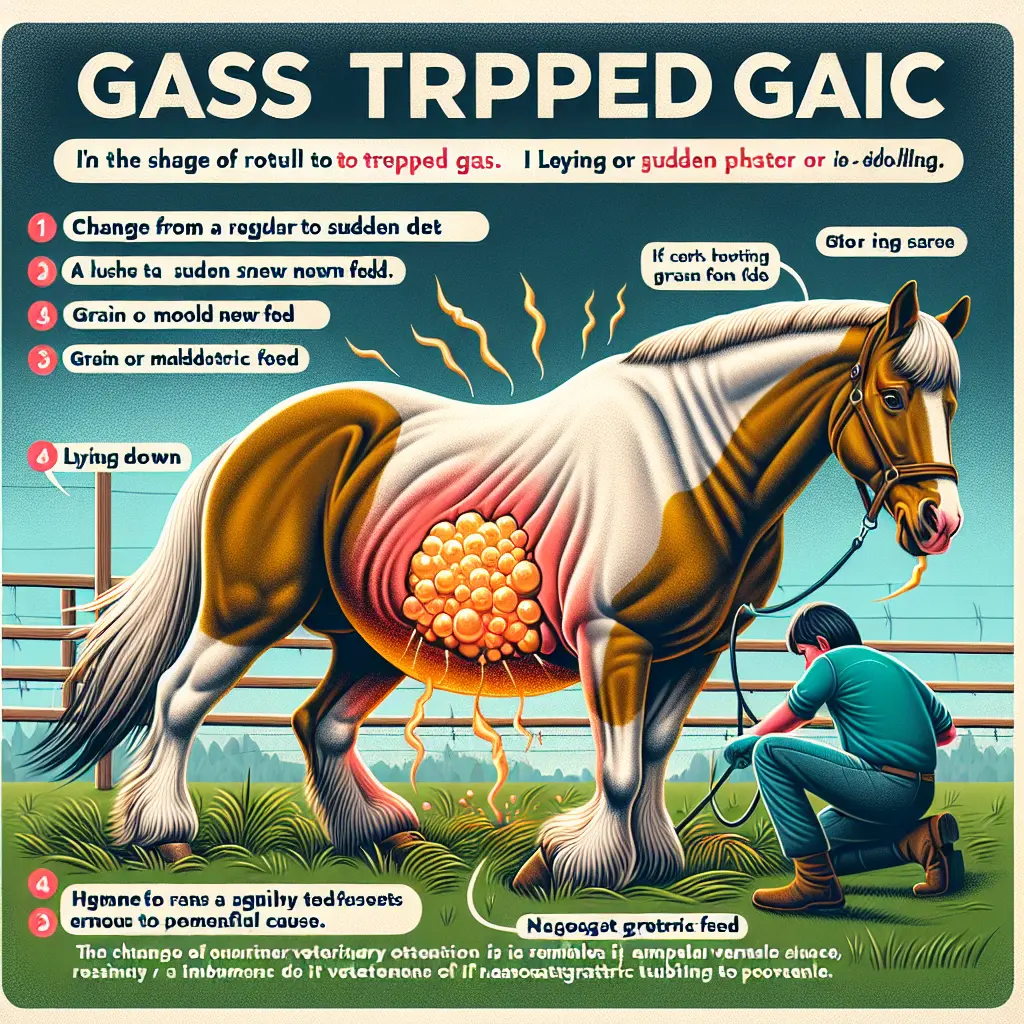
Gas colic involves the buildup of excess gas in a horse’s intestines, leading to distention and pain. Horses cannot burp, meaning they must eliminate gas through the digestive system. If gas accumulates too quickly, it causes intestinal discomfort resulting in colic symptoms.
Common Causes of Gas Colic
Gas colic can be triggered by numerous factors, such as:
- Dietary Changes: Sudden alterations of feed like switching hay or pasture.
- Rich Forage: Grazing on lush spring grass can ferment rapidly and produce excess gas.
- Overfeeding: Excessive grain or moldy feed consumption.
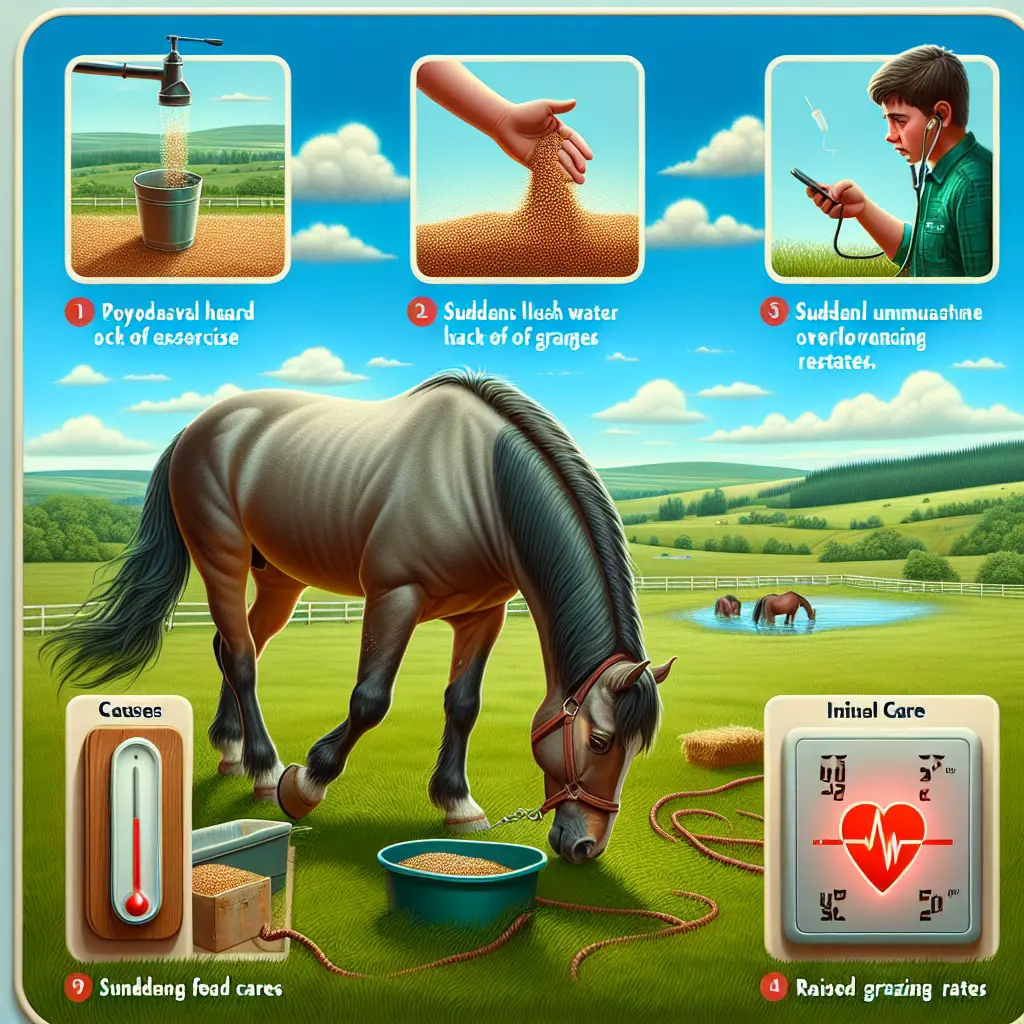
- Lack of Exercise: Inactivity or sudden decrease in physical activity.
- Parasites: Infestations that disrupt normal digestive function.
Recognizing the Signs of Gas Colic
Recognizing gas colic symptoms early can aid in prompt care. Common signs include:
- Pawing at the ground or kicking at the belly
- Exhibiting distress through rolling or frequent getting up and lying down
- Loss of appetite or refusal to eat/drink
- Observed alterations in manure production
- Visible sweating and elevated heart rate
Key Steps When You Suspect Gas Colic
If you notice colic symptoms, initiate the following quick steps:
1. Remove Feed
Immediately withhold food to prevent further gas buildup (SmartPak Equine).
2. Gentle Walking
Lightly walking your horse can facilitate the passing of gas. Avoid forcing movement if your horse is in considerable pain.
3. Monitor Vital Signs
Regularly check your horse’s heart rate and respiratory rate. Abnormal gum color may indicate dehydration.

When to Call the Veterinarian
It's imperative to involve a veterinarian if any of the following are observed:
- Persisting or severe pain
- No improvement after 60 minutes of walking
- Absence of manure passage for an extended period
- Signs of shock, such as cold extremities or weakness
Veterinary Treatment for Gas Colic
Veterinary intervention may involve:
- Administering pain relief and anti-spasmodic medications
- Percutaneous nasogastric tubing to evacuate intestines
- Inserting a nasogastric tube to relieve gas and check for reflux
- Fluid replacement therapy for dehydration
Prognosis and Recovery
The prognosis for gas colic is generally favorable. With timely intervention, most horses recover within 24 to 48 hours.
Preventing Gas Colic
Prevention is key to minimizing colic episodes:
- Introduce dietary changes gradually over several days
- Ensure consistent exercise and address stress factors
- Maintain a regular and effective parasite control program
Emergency Planning
Every horse owner should have a comprehensive plan ready for emergencies, incorporating vital signs knowledge and veterinarian contact information.
For a complete collection of horse riding equipment and apparel, including specialized jodhpurs, boots, gloves, and accessories, explore our exclusive ranges at Just Horse Riders, ensuring your equestrian adventures remain safe and comfortable.
Conclusion
Gas colic is manageable with early detection and appropriate care. By remaining vigilant and implementing preventive measures, you can reduce the risk of gas colic in your horses. Always prioritize prompt veterinary consultation if your horse exhibits severe symptoms or fails to improve rapidly.