

Navigating Vaccination Expectations for Young Horses: What New Owners Should Know
Bringing a young horse into your care is an exciting journey, filled with hope and responsibility. One of the cornerstone elements of ensuring your horse’s long-term health is a well-planned vaccination program. Vaccinations protect young horses from several potentially life-threatening diseases and are critical not only for their individual well-being but also for the health of the herd. For new horse owners, understanding the vaccination expectations for foals and yearlings can feel overwhelming. This guide breaks down what you need to know, backed by the latest expert recommendations and scientific data.
Why Vaccinations Matter for Young Horses
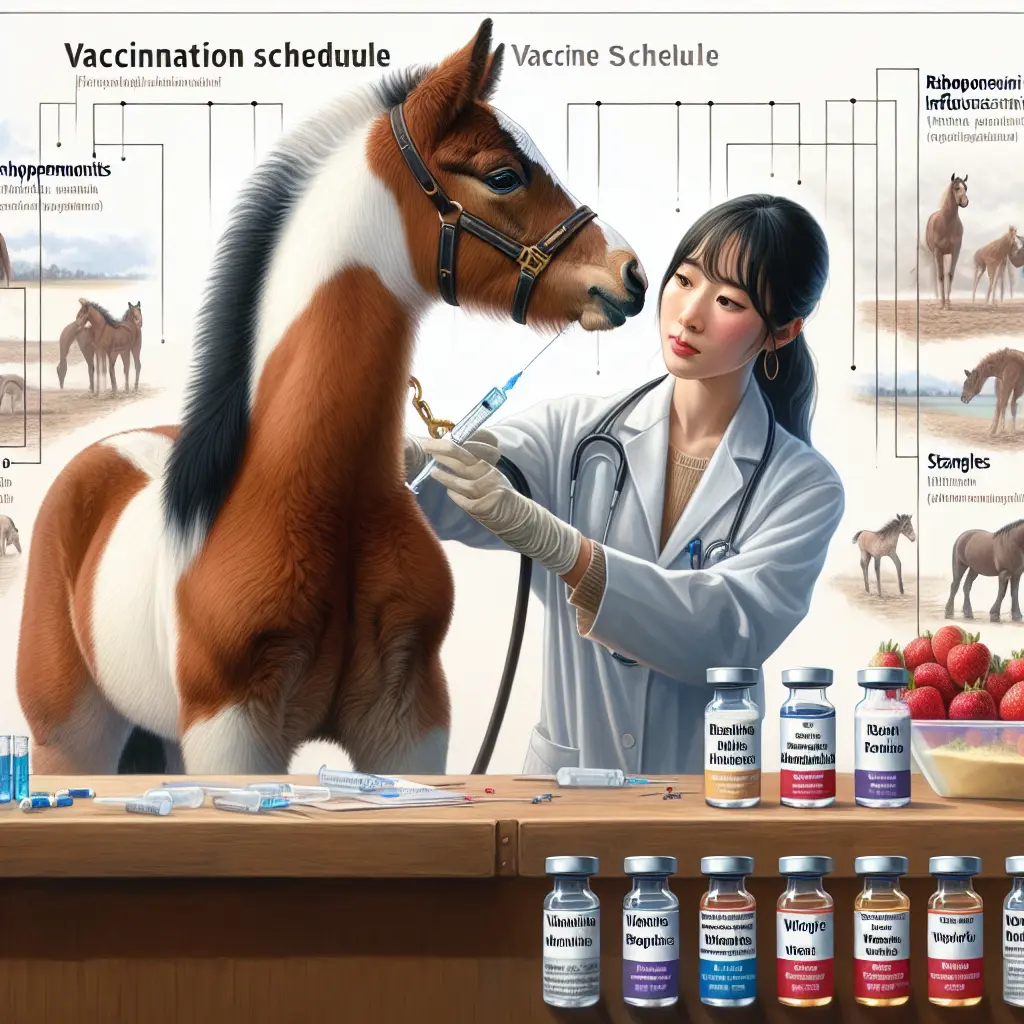 Young horses, especially foals and weanlings, are vulnerable to infectious diseases because their immune systems are still developing. Maternal antibodies passed on through the mare’s colostrum provide some early protection, but this wanes over the first few months. Proper vaccination helps stimulate the foal’s immune system to build its own defenses against common equine diseases like rhinopneumonitis (EHV-1/4), tetanus, influenza, strangles, and West Nile virus.
Core Vaccination Principles for Foals and Yearlings
Timing Is Critical
Foals born to vaccinated mares usually begin their vaccination series between 2 to 3 months of age because maternal antibodies can interfere with vaccine efficacy if given too early. For foals from unvaccinated or unknown vaccination history mares, vaccination may start earlier, typically between 1 to 3 months of age with a series of doses to ensure full immunity.
Series of Doses
Unlike adult horses that may only require annual boosters, young horses receive a multi-dose primary vaccination series. For example, a typical schedule for core vaccines involves three doses spaced 3 to 4 weeks apart, followed by boosters at 6 months and one year of age.
| Vaccine | Initial Dose Age | Dose Intervals | Booster Timing |
|---|---|---|---|
| Rhinopneumonitis (EHV-1/4) | 4 to 6 months (may start at 3 months in high-risk areas) | 3 to 4 weeks between doses | Boosters every 3-4 months until 1 year, then annually for adults |
| Tetanus | 3 to 4 months | 3 to 4 weeks between doses | Annual booster after primary series |
| Influenza | 6 months or older | 3 to 4 weeks between doses | Semi-annual or annual depending on risk |
| Strangles | 4 to 6 months | 3 to 4 weeks between doses | Annual booster recommended |
| West Nile Virus | 3 to 6 months (seasonal risk consideration) | 3 to 4 weeks between doses | Annual booster, may be semi-annual in high-risk areas |
Broodmare Vaccination Impact
 Vaccinating pregnant mares 4 to 6 weeks before foaling significantly improves the foal's initial immunity by providing high-quality colostrum. However, foals still require their own vaccination series after maternal antibody protection declines.
Risk-Based Vaccination
Additional vaccinations may be recommended based on the farm location, vector presence (e.g., mosquito-borne diseases), and exposure risk. Consultation with a veterinarian is essential to tailor a risk-based protocol.
Common Questions New Owners Have
Why do foals need multiple doses instead of just one?
Foals' immune systems are immature, and maternal antibodies can neutralize vaccines given too early. Multiple doses help ensure the foal’s immune system gets adequately stimulated once maternal antibodies wane, achieving effective protection.
Can vaccination harm my foal?
Vaccines licensed for use in foals are considered safe when administered according to guidelines. Side effects are usually mild, such as slight swelling or soreness at the injection site. Always report adverse reactions to your veterinarian.
When should I start vaccinating my foal?
For foals born to vaccinated mares, vaccination typically starts at 2 to 3 months old. For foals from unvaccinated mares, vaccination may start earlier, around 1 month of age. The exact initiation depends on the veterinary risk assessment.
The Role of Veterinary Partnership and Record Keeping
 A veterinarian is your best resource for developing and maintaining a vaccination schedule tailored to your horse’s unique situation and geographic risks. Continuous record-keeping of vaccines administered, dates, and reactions is essential for ensuring timely boosters and maintaining compliance with competition or travel requirements.
Conclusion
Vaccinating young horses is a critical step toward safeguarding their health and performance potential. By understanding the timing, types of vaccines, and the necessity of multiple doses, new horse owners can confidently navigate vaccination expectations. Always work closely with your veterinarian, stay informed about regional disease risks, and ensure your foal’s vaccination program is comprehensive and timely.
References for Further Reading and Authoritative Guidance
 For further reading, consult Mad Barn’s Vaccination Guide for Horses, which provides detailed vaccine schedules and protocols, the American Association of Equine Practitioners (AAEP) Vaccination Guidelines that highlight recognized standards for equine vaccination tailored by region and risk factors, and the Texas A&M AgriLife Extension on Equine Vaccination Schedules offering scientific background on timing and boosters. These resources provide valuable, up-to-date information to help new owners make informed decisions about vaccinating their young horses.