

The Ethical Considerations of Selling a Horse with a Health Issue
Deciding to sell a horse is no small feat, especially when the horse in question has health issues. Whether you're a seasoned equestrian or someone saying goodbye to a beloved companion, understanding your ethical responsibilities during this process is crucial. Let's dive into the key considerations needed to ensure both you and the horse navigate this transition smoothly.

The Ethical Landscape of Horse Sales
The realm of horse sales has seen a growing focus on animal welfare and transparency. Recent scrutiny over these practices highlights the importance of honesty when selling a horse with pre-existing health conditions. As a seller, you're responsible for ensuring the horse's well-being doesn't suffer under a new owner's care due to ignorance of its health issues.
Full Disclosure: The Cornerstone of Ethical Transactions
Complete transparency is not just important; it's indispensable. This means that every detail about your horse's medical history, behavioral quirks, and current health status needs to be disclosed. Failing to share this information could lead to legal consequences and the potential for the horse to be mistreated. Veterinary records are essential tools here—release them to prospective buyers to aid an informed decision-making process. For more tips on horse care, check out our Everyday Horse Vitamins & Supplements.
Why Written Agreements Matter
In matters of health, verbal agreements fall short of protecting involved parties. A comprehensive written sales contract will make clear all known health conditions, protecting both buyer and seller legally and ethically. The buyer should also accept the horse as-is, acknowledging the conditions listed.

The Pre-Purchase Examination (PPE)
Encouraging—or outright requiring—a pre-purchase vet examination serves both parties. For a seller, it shows commitment to ethical selling practices. For a buyer, it provides an objective look at the horse's health status. Covering aspects such as lameness, prior surgeries, and chronic conditions helps establish a full picture of what the buyer is stepping into.
Contingency Plans
If an immediate examination isn’t possible, include contingencies in your sales contract. Consider stipulating that the sale is contingent upon satisfactory vet results within a set timeframe. This safeguards both parties while letting the buyer secure confidence in their purchase.
Evaluating Buyer Suitability
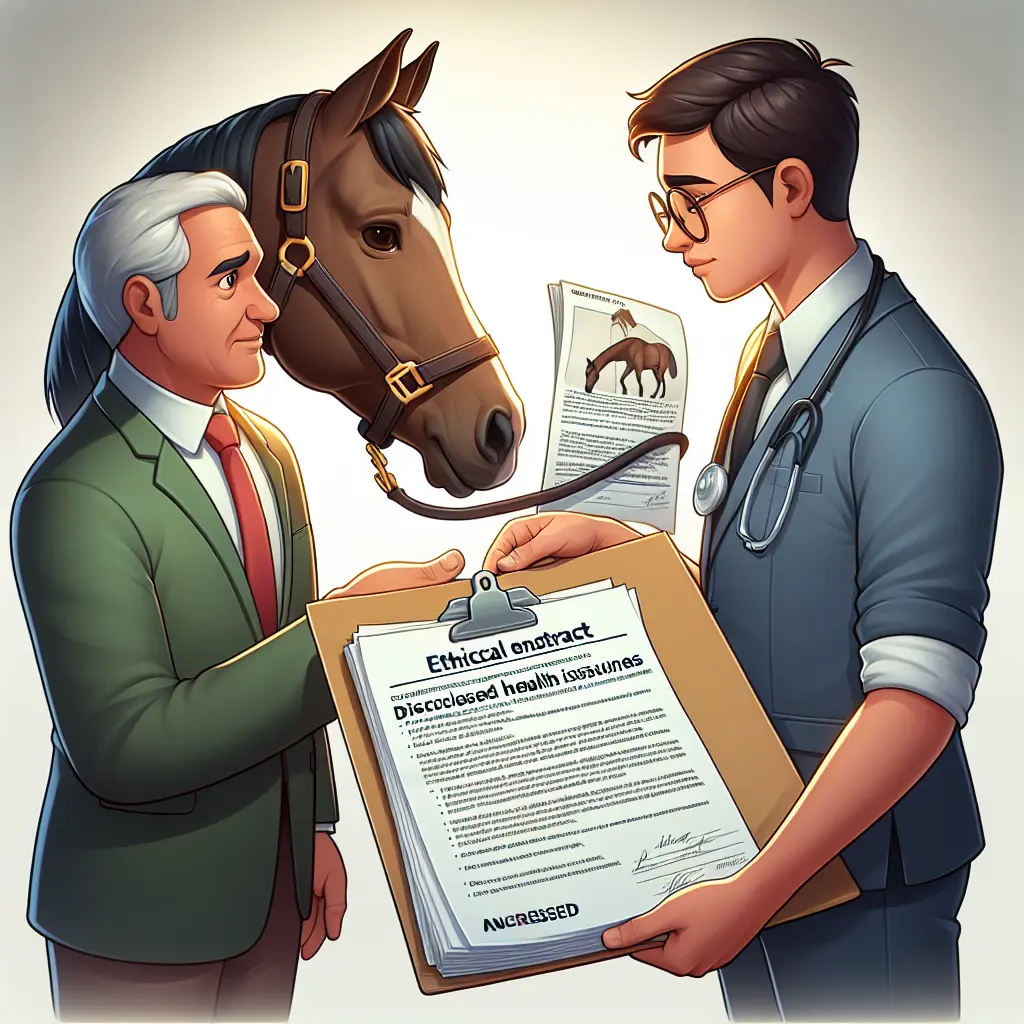
The buyer's financial and personal capability to care for a horse with health issues is a crucial consideration. Ask yourself:
- Does the buyer have the financial means for ongoing care?
- Are they genuinely interested, beyond the horse’s low cost?
- Do they have a clear plan if they can't manage long-term care?
A buyer unsure about their ability or having unclear intentions could lead to neglect or abandonment.
The Consequence of Neglect
Unsuitable home placements can lead to severe outcomes like neglect or abandonment. The financial crisis affecting horse slaughter sanctions has exacerbated this issue, particularly affecting Native American land where abandoned horses cause ecological damage. To avoid contributing to this, ensure your buyer is fit for the challenge.
Challenges with Low-Value Horses
Selling grade horses or those of low market value brings its own set of ethical challenges. Economic constraints may pressure sales but resist hasty transactions that might overlook a buyer's suitability. Ethical responsibility always trumps a quick sale.

Documentation and Liability
Drafting a thorough sales contract is fundamental for legal protection. It should cover health conditions, included veterinary records, pre-purchase exam results, buyer's agreement on conditions, payment terms, and dispute resolution provisions.
Industry Standards and Practices
The horse industry is adopting new animal welfare standards. Such advancements underscore the importance placed on ethical and transparent dealings. For guidance on ethical breeding practices, certain jurisdictions are mandating participation in welfare audits and upholding codes.
Tackling Ethical Horse Sales: A Checklist
For those selling horses with health issues, following this framework can be invaluable:
- Conduct a detailed veterinary evaluation before selling
- Maintain transparency throughout the sales process
- Encourage comprehensive pre-purchase exams
- Honesty assess the buyer's resources and plan
- Formalize agreements with concrete contracts
- Follow-up to ensure smooth transition post-sale
Looking for top-quality riding gear? Check out our Jodhpur Collection and Horse Riding Boots.
Avoiding Common Ethical Pitfalls
Don’t rush your decision-making when selling a horse. Avoid minimizing health issues, using vague descriptions, or hiding veterinary records. Transparency and full disclosure are key to finding a well-suited home for the horse.
Conclusion
Selling a horse with health concerns involves balancing ethical responsibilities, financial realism, and the animal's welfare. Through full disclosure, comprehensive documentation, and sincere diligence in evaluating buyer suitability, you're safeguarding the horse's future and reinforcing the equine community's trust. Ethical sales are not just best practices— they set a standard for the industry, ensuring our love for horses is matched by our responsibility to them.
Visit our site for more equestrian gear, like cozy Stable Rugs or protective Horse Fly Protection. Give our beloved equines the best care they deserve.