

How to Address Sudden Ear Pain in Horses: Exploring Causes and Solutions
Sudden ear pain in horses can be distressing for both the animal and the owner. Understanding the common causes and effective solutions is essential to promptly relieve discomfort and prevent complications. In this article, we'll explore the common causes of ear pain in horses and offer practical solutions to mitigate and prevent issues, helping equestrians ensure their equine friends remain healthy and comfortable.
Common Causes of Sudden Ear Pain in Horses
1. Parasites and Insects
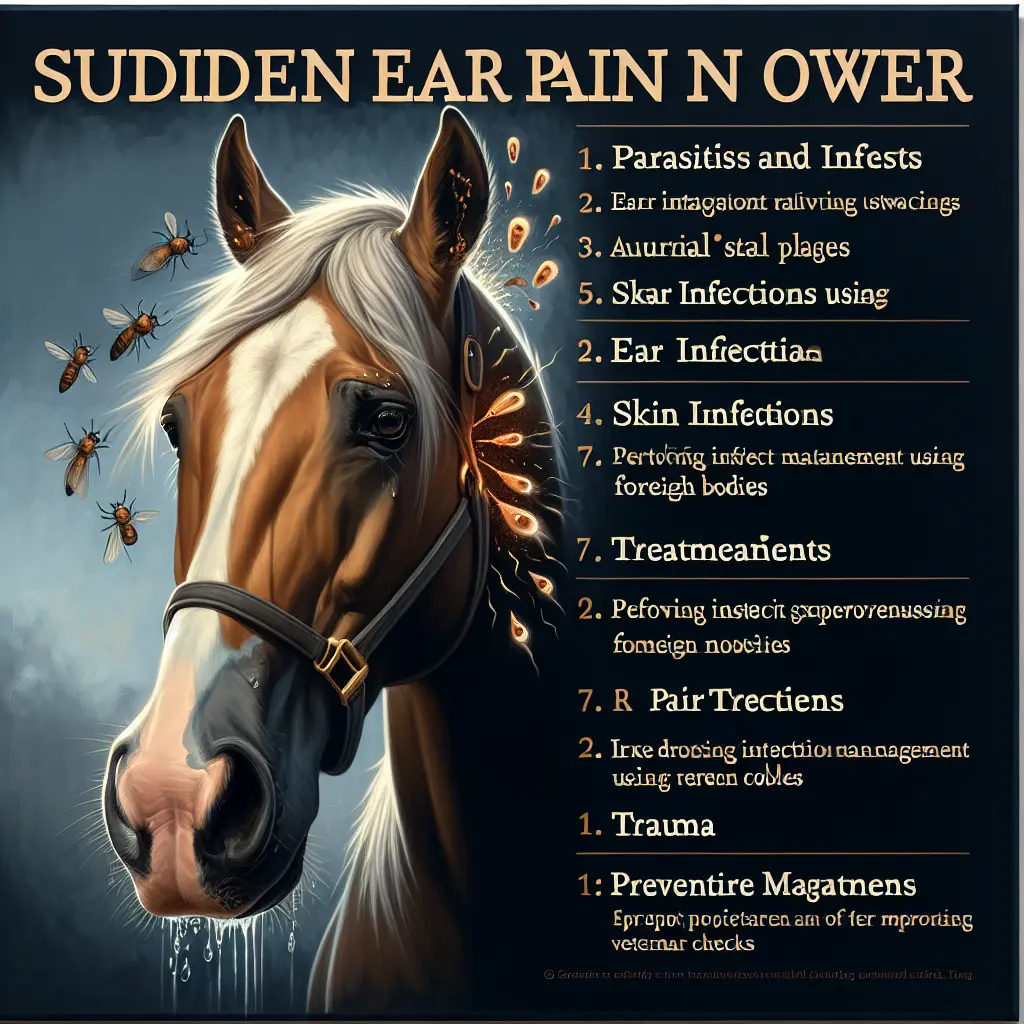
Ear ticks and mites are frequent culprits causing sudden ear discomfort. Ear ticks reside in the external ear canal, causing symptoms such as head shaking, ear rubbing, and a droopy ear. Psoroptic mites cause inflammation of the ear canal, leading to itching, bumps, scabs, hair loss, and sometimes head shaking or ear drooping. These parasites may directly damage the ear tissue or provoke allergic reactions. Explore protective Horse Fly Protection to safeguard against these nuisances [source].
2. Aural (Ear) Plaques
Ear plaques are raised wart-like growths on the inner ear surface, caused by papillomaviruses transmitted mainly by biting flies such as black flies. While these plaques are often non-irritating themselves, secondary inflammation from fly bites can cause discomfort, redness, scabs, and head shyness [source].
3. Skin Infections and Allergies
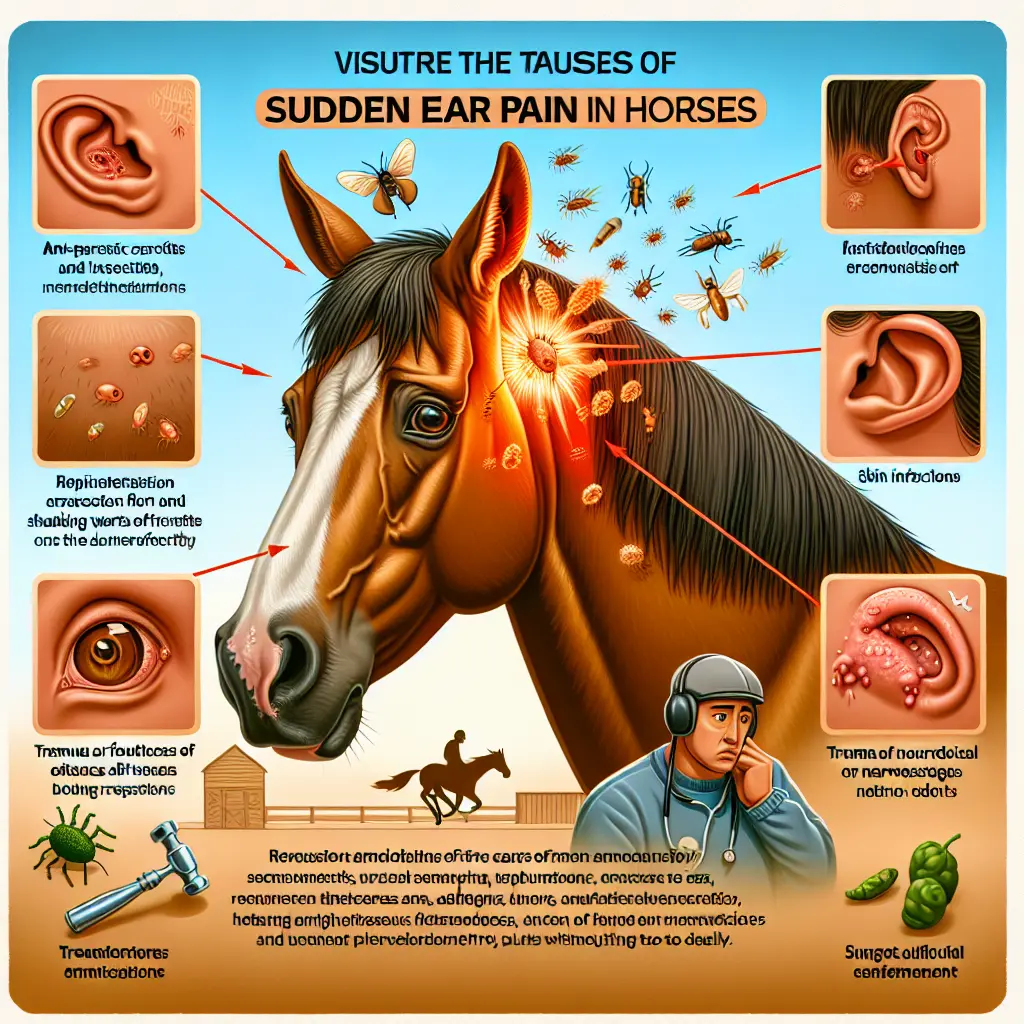
Various skin conditions, including dermatitis, may affect the outer ear (the pinna), causing redness, swelling, scabs, and blistering. These are frequently triggered by insect bites or allergic hypersensitivity reactions. Secondary bacterial or fungal infections can develop if the skin barrier breaks. Proper protective measures and suitable Stable Rugs can help prevent these issues.
4. Trauma or Foreign Bodies
Injury to the ear or foreign objects lodged in the ear canal can cause acute pain. Trauma can also lead to bleeding ears or scabbing. Quick examination and veterinary evaluation are essential because untreated injuries risk infections or chronic pain. Equestrians can invest in protective gear like Horse Riding Helmets to reduce the risk of such injuries [source].
5. Other Causes
Less commonly, ear pain may relate to deeper tissue or neurological issues, but such cases are rarer and typically present additional signs. A professional veterinarian's insight is crucial in diagnosing such conditions.
Recognizing Ear Pain in Horses
Signs of Ear Pain
Unlike humans, horses cannot verbally communicate pain, so owners must watch for behavioral and physical signs, such as:
- Head shaking or sudden aversion to ear touch
- Droopy or asymmetrical ears
- Frequent head rubbing or shaking
- Sensitivity or flinching when touching ears
- Changes in facial expression, such as tension around the eyes and muzzle
- General signs of discomfort including sweating or restlessness [source]
How to Address Sudden Ear Pain
1. Immediate Action
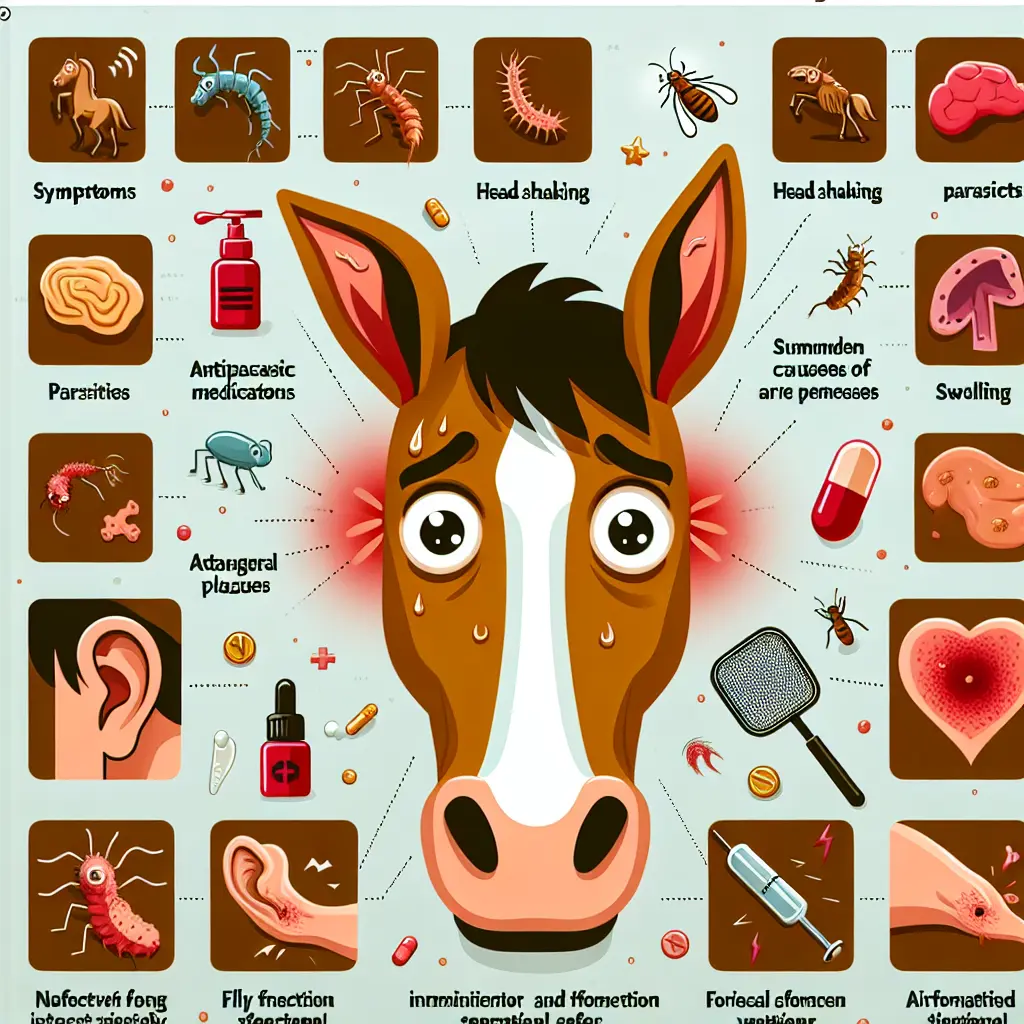
Observe your horse carefully, noting any head shaking, ear sensitivity, or other signs. Avoid poking around the ear or removing scabs, as this may aggravate pain or cause infections. Preventive measures such as using a Fly Mask can be helpful.
2. Consult a Veterinarian
A thorough examination is critical. Diagnosis often involves inspection, skin scrapings, and possibly microscopic examination to identify parasites, infections, or plaques. A veterinarian's prompt attention is key to effective treatment and care.
3. Treatment Options
Parasite Control
Veterinarians can prescribe acaricides or antiparasitic medications effective against ear ticks and mites. Treatment typically resolves inflammation and stops further tissue damage. Consider routine applications and check-ups to ensure equine comfort.
Managing Aural Plaques
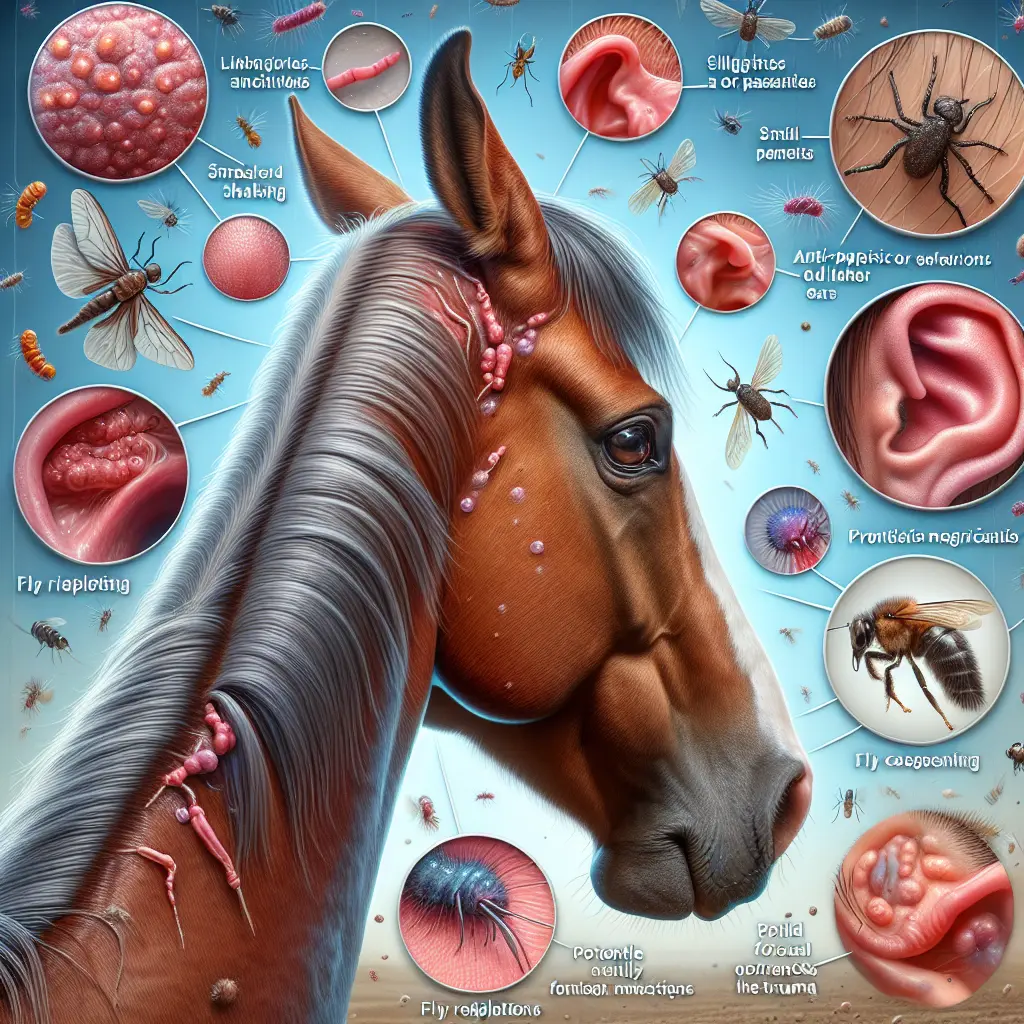
Although plaques are persistent, measures to reduce fly exposure—such as fly repellents and night stabling—can diminish irritation and secondary infections. In some cases, topical treatments may help reduce inflammation [source].
Infection Management
Bacterial or fungal infections require appropriate antimicrobial or antifungal medications. Thorough cleaning under veterinary guidance helps maintain ear health.
Pain Relief and Anti-Inflammatories
Non-steroidal anti-inflammatory drugs (NSAIDs) may be used to manage pain and swelling. Consulting with a vet for appropriate dosage and administration is vital.
4. Preventive Care
Reducing insect exposure by using fly masks, repellents, and maintaining clean stabling conditions can decrease the risk of ear problems. Routine ear checks help catch issues early. Supplementing with Everyday Horse Vitamins & Supplements can also bolster your horse's overall health.
Conclusion
Sudden ear pain in horses usually results from parasites, aural plaques, or skin infections often related to insect bites. Recognizing the signs of ear pain and seeking veterinary care promptly ensures appropriate diagnosis and treatment. Managing the environment to reduce insect exposure supports long-term ear health and comfort for your horse.
For detailed veterinary guidance, the Merck Veterinary Manual and PetMD offer comprehensive, evidence-based information that can be trusted for accuracy and authority.