

Transforming an Ex-Racer: The Journey from Stiffness to Strength and Well-being
Imagine hanging up your racing helmet after years of high-speed thrills, only to face a body riddled with stiffness, chronic pain, and a nagging sense of lost purpose. For many former racers—think ex-NASCAR drivers, Formula enthusiasts, or motorsport pros—this is the harsh reality post-career. But transformation is possible. Drawing from athlete recovery stories and research on elite sports retirees, this journey shifts from rigidity and discomfort to renewed strength and well-being through targeted rehab, mindset shifts, and lifestyle tweaks.
The Hidden Toll of a Racing Career: Stiffness and Beyond
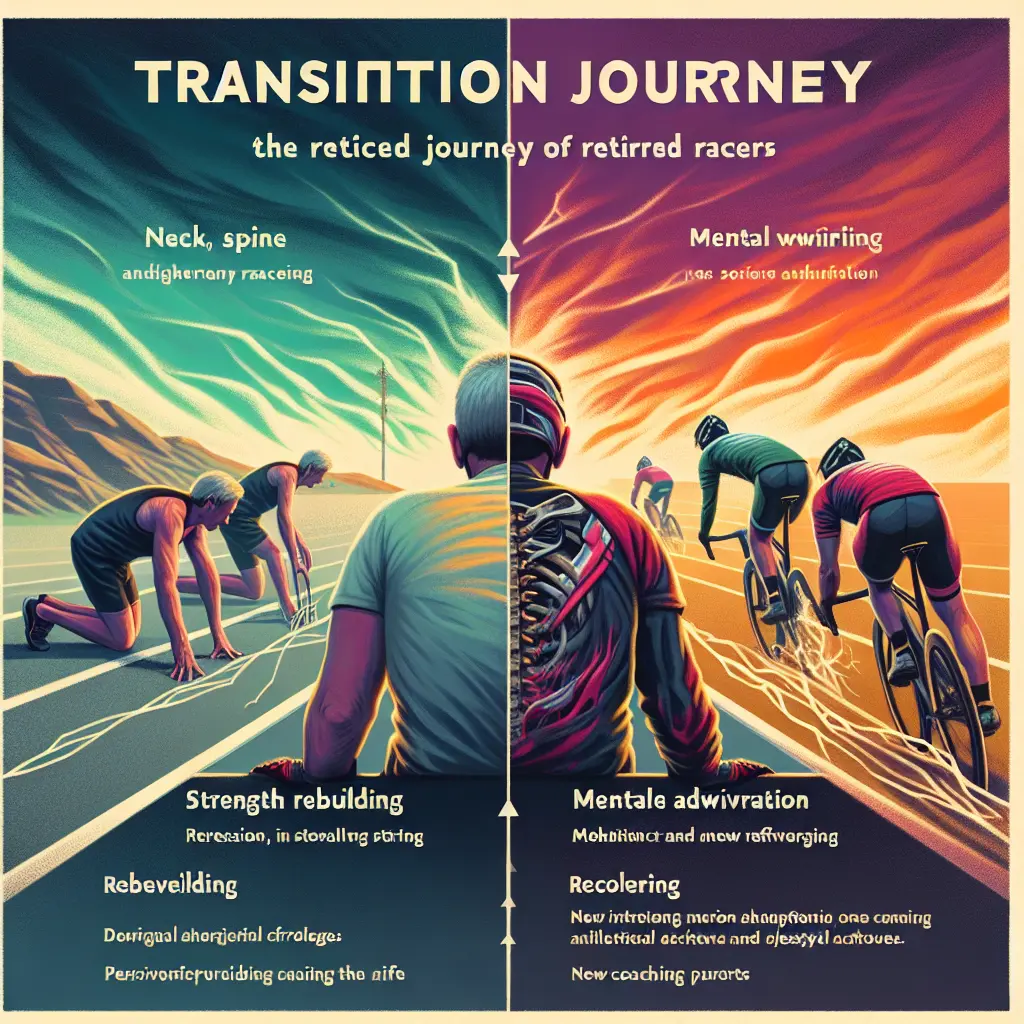
Racing isn't just fast laps; it's relentless physical punishment. High G-forces strain the neck, spine, and lower back, while hours in cramped cockpits lead to muscle imbalances and joint wear. Former NFL players, facing similar high-impact demands, report stark stats: 80% of retirees aged 30-49 experience daily joint pain—nearly four times higher than average U.S. males—and over 60% over 50 have arthritis in at least one joint [source].
The Mental Hurdle: From Identity Crisis to Resilience
Stiffness isn't just physical—it's mental. Retirement hits like a crash: loss of identity, structure, and adrenaline. Research on former college athletes shows a "post-athlete void," with struggles like depression (6.3% clinically significant among student-athletes), anxiety, and even 21% reporting high alcohol use tied to psychological concerns [source]. Ex-pros from MLB, NFL, and NBA face depression, anxiety, and substance risks during this shift, compounded by neurological issues like post-concussion syndrome (headaches, dizziness) [source].
Step-by-Step Transformation: From Stiffness to Strength
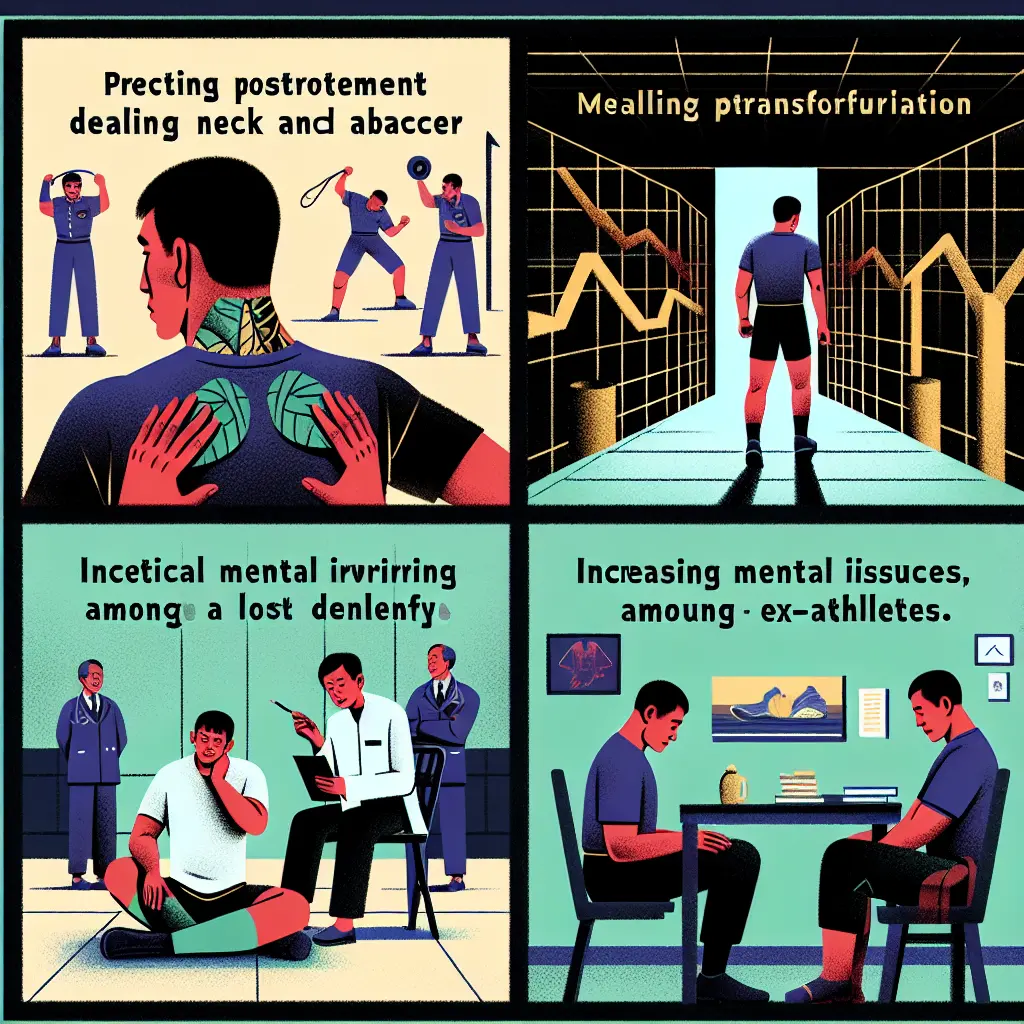
Recovery mirrors a pit stop: strategic, team-based, and progressive. Here's a proven path grounded in athlete research, tailored for ex-racers.
Assess and Address Physical Stiffness
Start with a biopsychosocial check—beyond X-rays, factor in pain history. Prioritize:
- Mobility work: Gentle neck and back stretches counter cockpit hunch. Former athletes note injuries like knees limit activity, so low-impact options like swimming ease the "post-athlete void."
- Strength rebuilding: Progressive loading for joints. NFL retirees' arthritis rates (41% under 50) underscore early intervention; aim for balanced routines reducing chronic pain odds [source].
Mental Rewiring for Well-Being
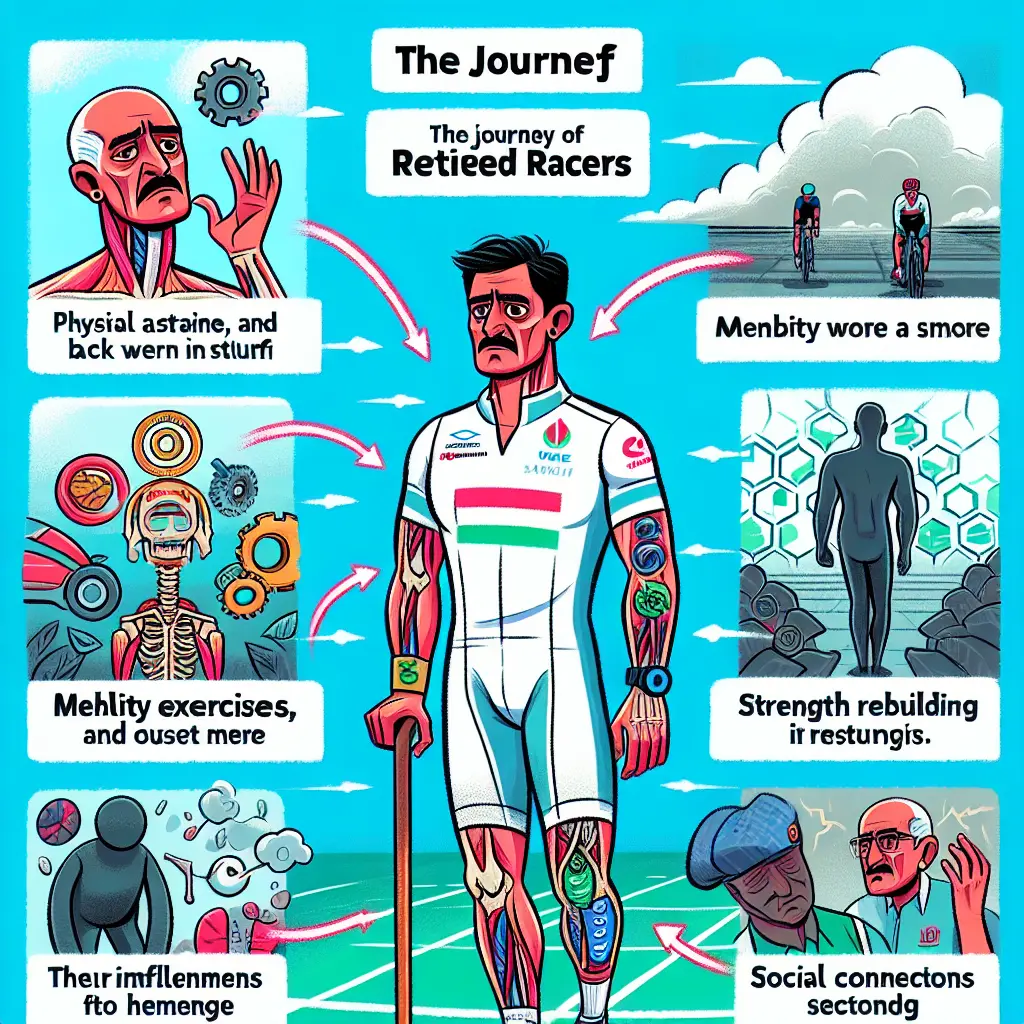
Empowerment tops recovery factors—athletes rate psychology and relationships highest. Tools:
- Mindset shifts: Journal fears, set micro-goals (e.g., "pain-free morning walk").
- Support networks: Clinician-coach-athlete bonds and team communication are crucial; former student-athletes thrive with structured mental health post-sport [source].
Lifestyle Integration for Lasting Strength
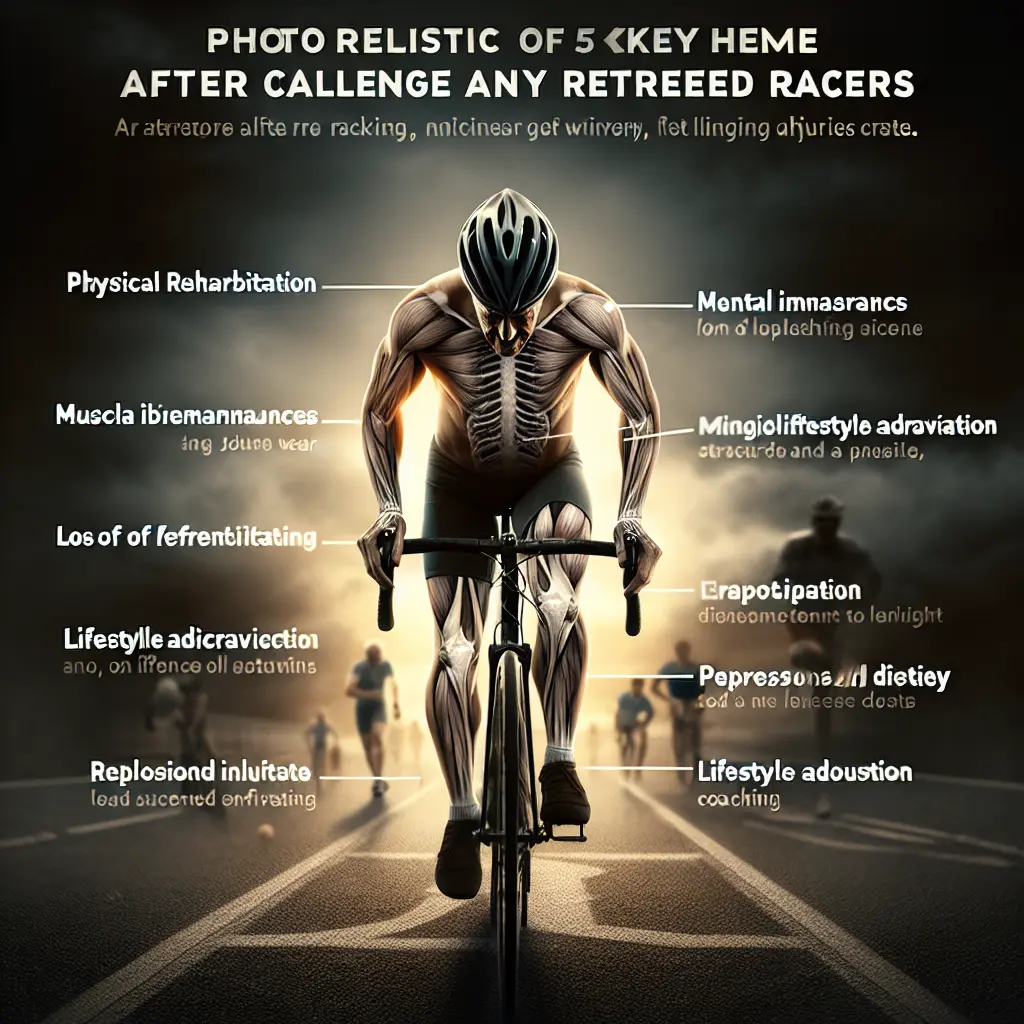
Diet and activity adapt to lower energy. Ex-athletes often mismanage intake, carrying "eat-anything" habits.
- Nutrition pivot: Cut calories by 20-30% post-racing (energy needs drop), focus on anti-inflammatory foods (omega-3s for joints).
- New pursuits: Coaching or recreational racing eases transition, delaying void while building fitness.
Real Stories of Racer-Like Comebacks
Ex-racers channel athletes like Damar Hamlin (NFL, cardiac arrest survivor) or Yordan Álvarez (post-rehab MLB star), proving mental fortitude fuels physical gains. Research affirms: transitioning athletes feel renewed energy after adapting activities [source].
Your Pit Stop to Strength
Ex-racers, your chassis isn't totaled—it's tunable. Prioritize psychology, relationships, and rehab plans as equals to exercises; they drive LBP recovery as much as meds [source]. Start small: consult a sports physio versed in high-impact retirees, track pain weekly, and connect with ex-athlete groups.
Conclusion
This journey isn't linear, but like lapping the field, consistent laps from stiffness to strength and well-being redefine your finish line. Explore the Jodhpur Collection, Horse Riding Boots, and other gear to support your equestrian journey as you make a stride towards well-being.