

Exploring Holistic Approaches to Managing Severe Eczema: Beyond Steroids and Traditional Treatments
Severe eczema, or atopic dermatitis, is a significant challenge for millions, causing intense discomfort and skin disturbance that affects daily life. While standard treatments like topical steroids offer relief for many, a considerable percentage experience persistent symptoms. This has led to growing interest in holistic approaches, targeting root causes and promising improved quality of life for sufferers.
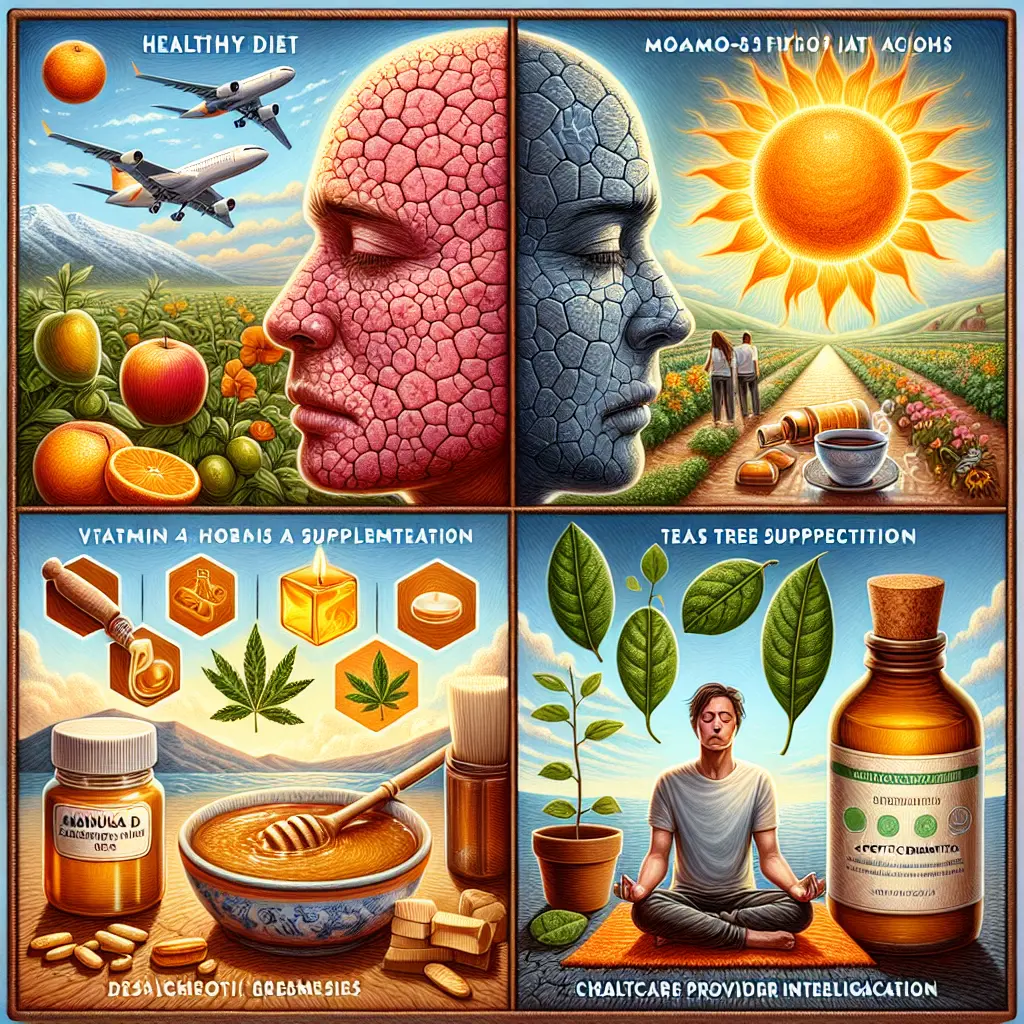
Understanding Severe Eczema and Why Holistic Care Matters
Eczema affects 5%-20% of children worldwide and often extends into adulthood. Countries like Sweden report the highest disability-adjusted life years due to its chronic nature (source: source). Traditional treatments have limitations, which makes holistic approaches essential for those seeking alternatives or supplementary therapies.
Dietary Adjustments: Fueling Skin from Within
Your diet plays a crucial role in managing eczema. Studies link a high intake of fast food with increased eczema flares, while fruits offer protective benefits (source: source). Here's how some dietary changes can make a difference:
- Vitamin D Supplementation: Increased vitamin D intake correlates with improved eczema severity scores.
- Chinese Herbal Tea: Evidence suggests significant symptom improvements with regular consumption.
Practical Tip
Maintain a food diary to track your diet. Prioritize anti-inflammatory foods like fruits, vegetables, and omega-3-rich fish. This can support your nutrient intake similar to equine supplements.
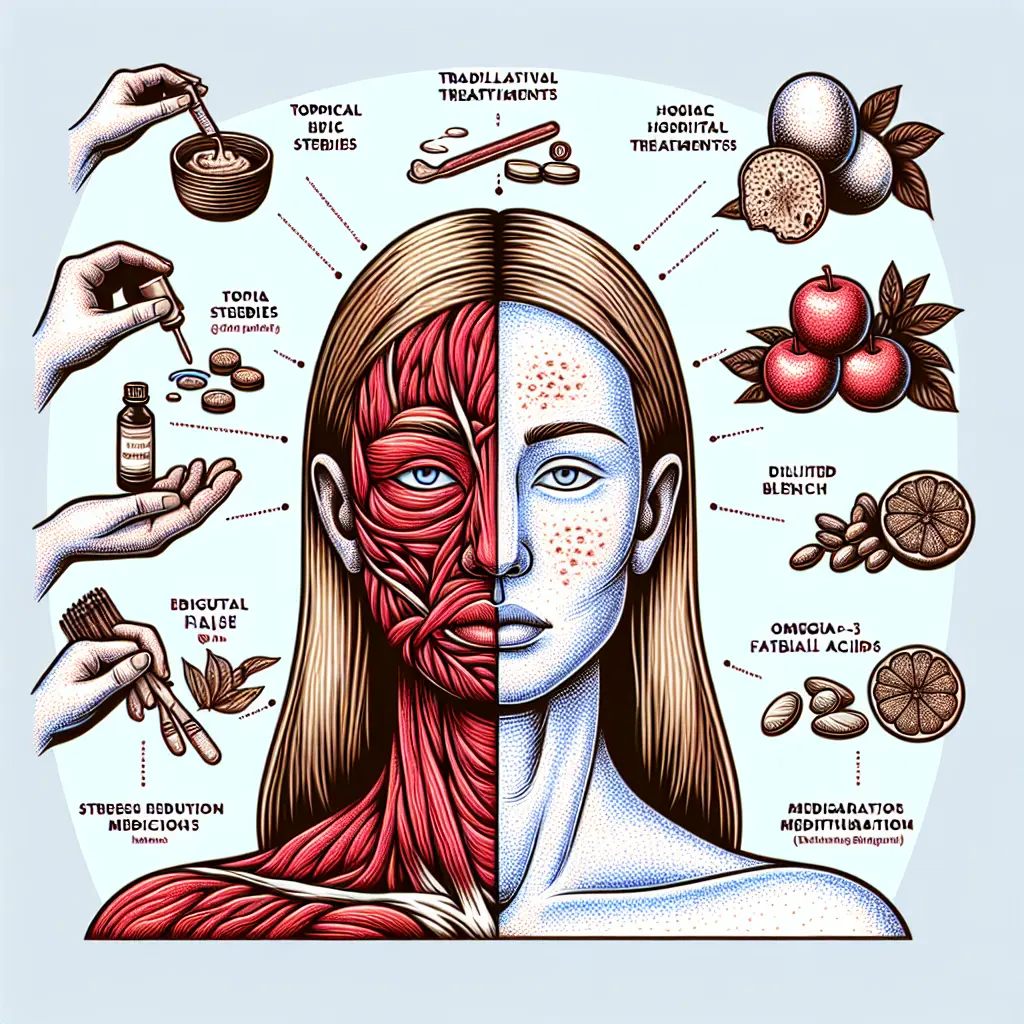
Bathing and Topical Natural Remedies: Gentle Skin Protection
Incorporating natural remedies into your routine can prevent infections and soothe eczema flare-ups.
- Dilute Bleach Baths: Effective in reducing eczema severity, recommended twice weekly.
- Manuka Honey and Tea Tree Oil: These natural antimicrobials offer healing properties and reduce irritation.
- Glycyrrhetinic Acid from licorice root: Known for its anti-inflammatory effects.
Quick How-To for Bleach Baths
- Fill your tub with lukewarm water.
- Add 0.5 cup of bleach.
- Soak for 5-10 minutes, then rinse and moisturize.
Mind-Body Practices: Reducing Stress and Itch Cycles
Stress reduction plays a pivotal role in managing eczema. Techniques such as biofeedback and hypnosis have shown significant improvements (source: source).
- Meditation: Integrating daily meditation can reduce stress and eczema severity.
- Support Groups: Provide emotional support and coping strategies crucial for managing stress-related flare-ups.
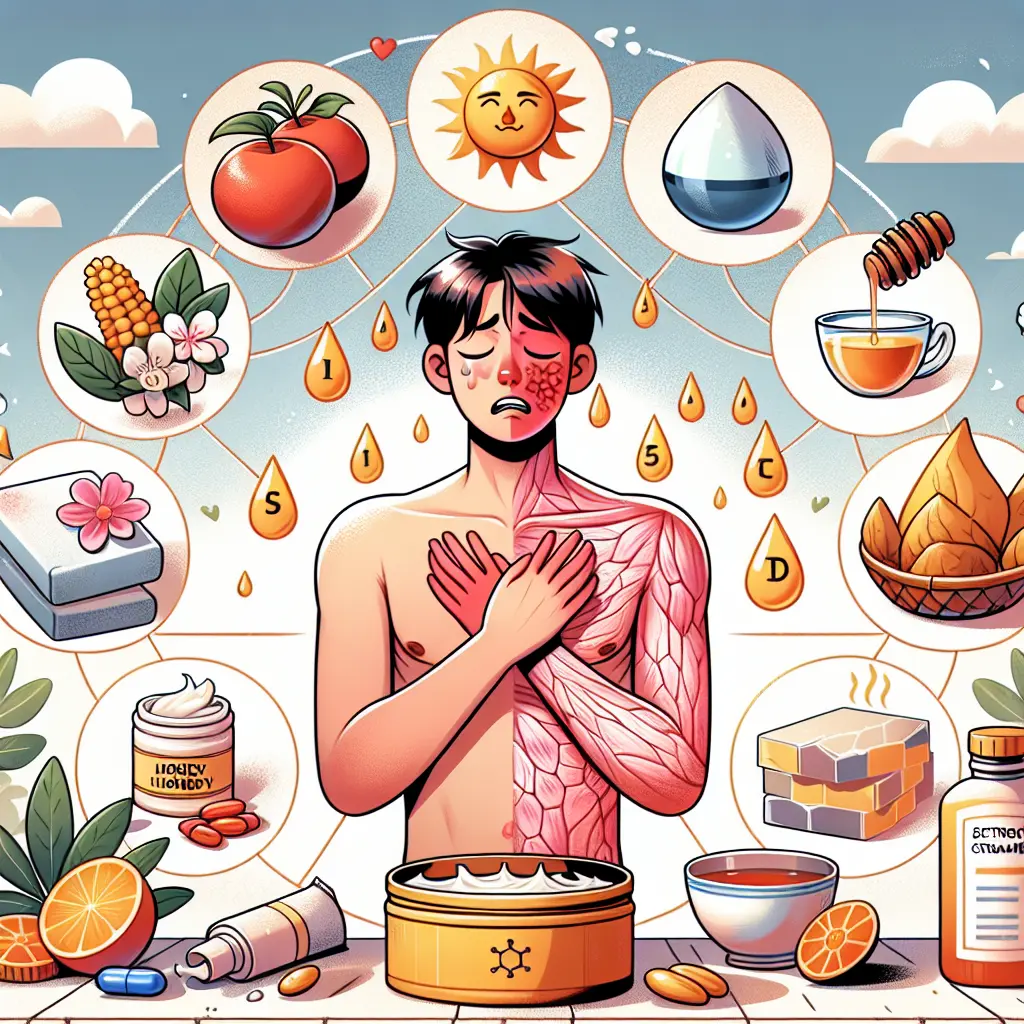
Herbal and Plant-Based Therapies: Nature's Anti-Inflammatories
Phytotherapy utilizes plant-based treatments to manage and reduce eczema symptoms.
| Therapy | Key Benefits | Evidence Highlights |
|---|---|---|
| Chinese Herbal Medicine | Reduces drug dependency, improves skin quality. | Studies confirm significant effectiveness (source: source). |
| Herbal Extracts | Provide anti-inflammatory relief. | 2020 review highlights their efficacy. |
Climatotherapy and Lifestyle Integration: Environmental Healing
Environmental factors, such as those experienced at the Dead Sea, can temporarily shift skin microbiomes to more favorable states. Integrating these with a consistent regimen, including protection gear like gloves and rugs, can further support eczema management.
Key Facts and Figures for Credibility
- 58.1% of non-responders to biologics experienced 50% improvement by week 16 (source: source).
- CHM meta-analyses present broad symptom relief results.
- Vitamin D: 1,600 IU/day intake improves severity.
- Bleach baths: Demonstrated as effective in recent meta-analyses.
Final Thoughts for Empowered Management
Embracing holistic approaches to severe eczema, such as dietary changes, natural remedies, and lifestyle adjustments, offers innovative paths to relief. Always consult with healthcare professionals to ensure safe integration with existing treatments. By tracking progress with tools like apps and focusing on consistent moisturizing, you are equipped to achieve clearer, healthier skin. Remember, the journey to managing eczema effectively is personal, and what works for one might not work for another.
Visit Just Horse Riders for more insights and updates on health and wellness.