

Exploring Vocal Fold Augmentation in Horses: Procedures, Challenges, and Success Rates
In the equestrian world, veterinary advancements are always evolving to improve the health and performance of our equine companions. Vocal fold augmentation in horses has emerged as one such innovative procedure. This surgical intervention primarily addresses complications due to laryngeal paralysis, notably improving airway function and swallowing issues.
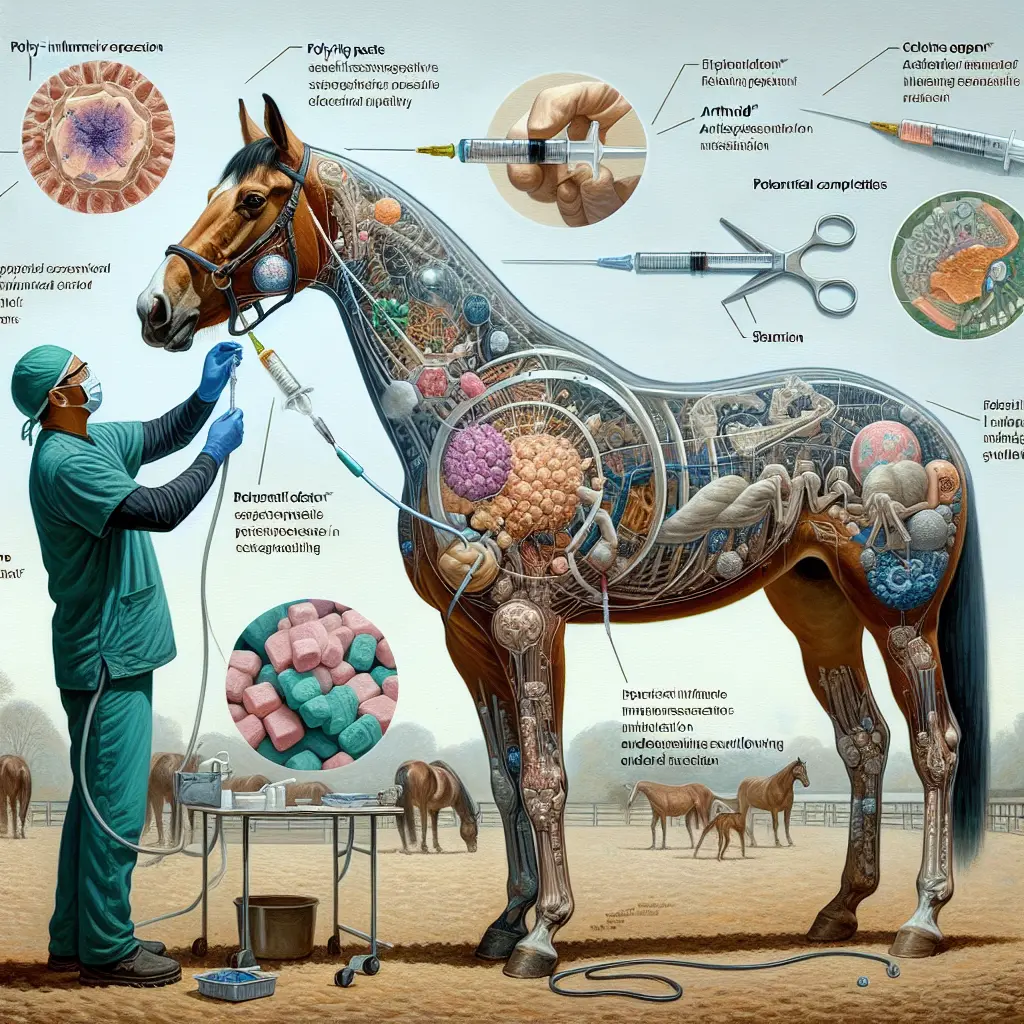
Understanding the Anatomy and Functionality
The horse's larynx plays a crucial role in breathing, swallowing, and vocalization. When laryngeal paralysis occurs, it causes the vocal folds to malfunction, leading to complications such as airway obstruction and dysphagia. Here, vocal fold augmentation comes into play.
Procedures and Techniques
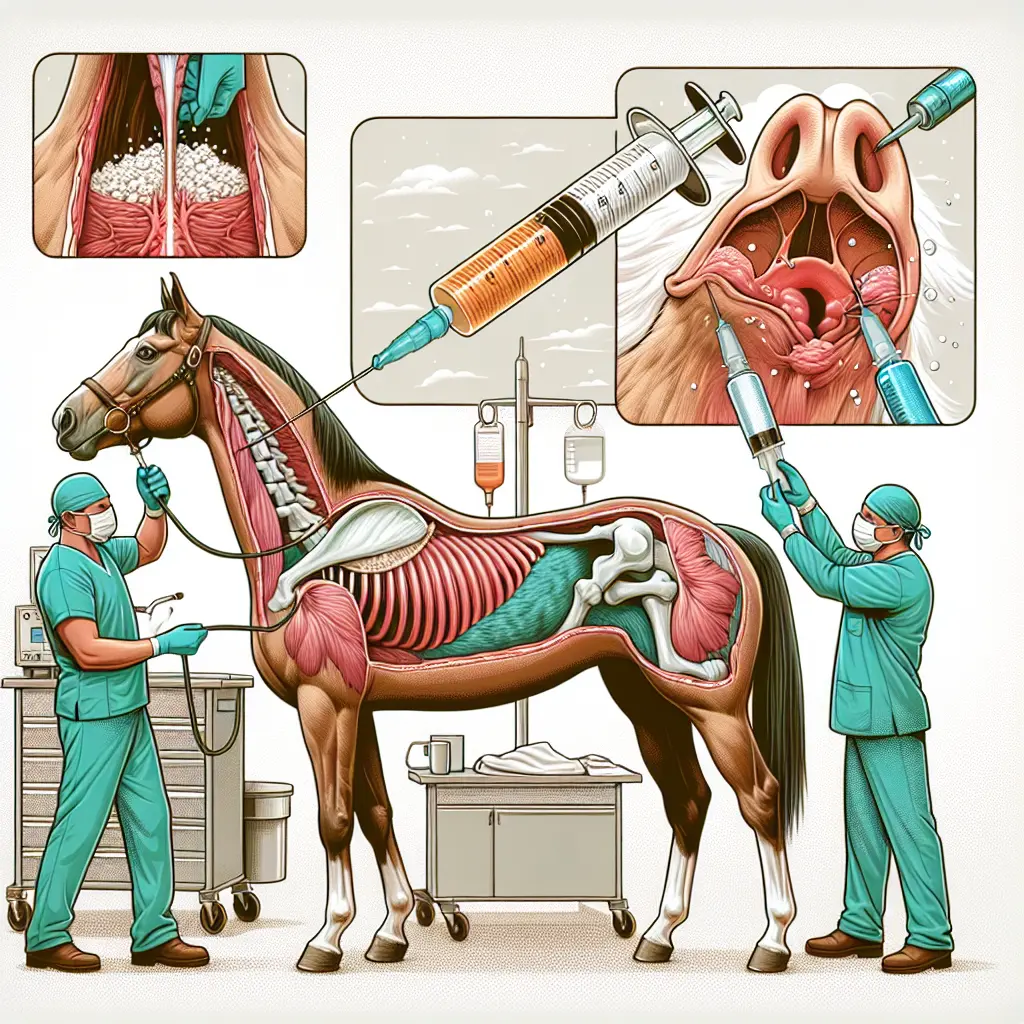
The augmentation procedure is carried out under standing sedation, minimizing risk. Local anesthesia is applied, and a needle is carefully inserted, typically via the cricothyroid ligament, to inject a bulking agent into the vocal folds. Substances used for this include polytetrafluoroethylene (polytef) paste, Arthramid®, and bone cement.
Studies reveal that injecting polytef paste submucosally can increase epiglottic thickness by 29-40%, improving airway closure and reducing aspiration risk. This key technique is especially helpful following prosthetic laryngoplasty surgeries.
Challenges and Complications
Despite its promise, vocal fold augmentation is not without challenges. Certain materials, such as bone cement, can trigger inflammatory responses, necrosis, or tissue sloughing. In some cases, augmentation effects dissipate within months (source).
Improper injection can lead to complications like mucosal ulceration or granuloma formation. Moreover, post-surgery, late-onset symptoms such as dysphagia and coughing are significant concerns, sometimes requiring repeat treatments or alternative strategies.
Success Rates and Clinical Outcomes
Clinical success is often measured by reductions in respiratory noise and improved swallowing function. Augmentation paired with prosthetic laryngoplasty offers extensive benefits for recurrent laryngeal neuropathy.
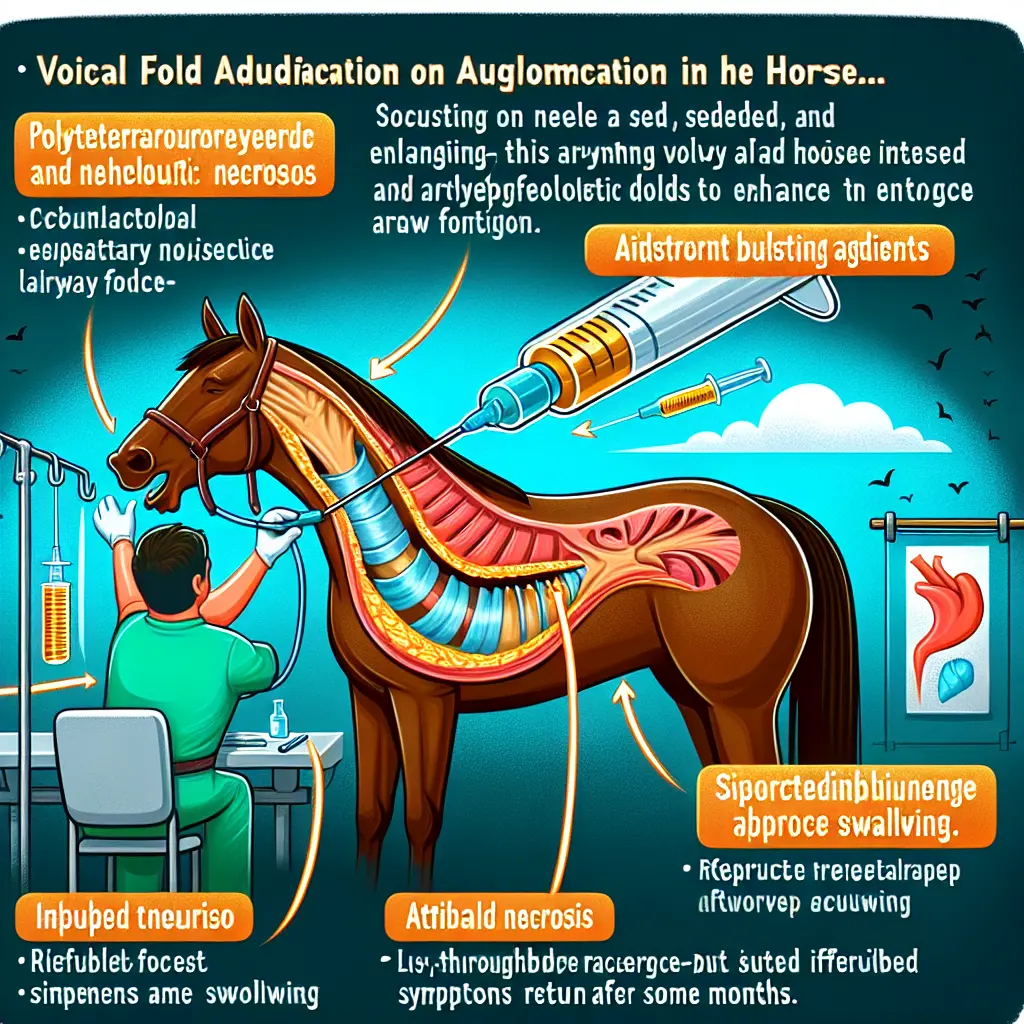
A documented case involved a Thoroughbred racehorse exhibiting coughing post-laryngoplasty. Partial improvement was noted within 24 hours post-surgery, though symptoms reappeared within three months, showcasing variability in long-term success (source).
Key Considerations for Horse Owners and Veterinarians
- Patient Selection: Ideal for horses with specific laryngeal dysfunctions.
- Material Choice: Important to choose the right bulking agent.
- Surgical Expertise: Requires precise endoscopic guidance.
- Postoperative Monitoring: Vigilance for inflammation or recurrence of symptoms is essential.

Implications for Enhancing Equine Performance
With successful surgical intervention, equine health and performance can be significantly enhanced. This gives owners and riders the ability to maintain optimal conditions for sporting or recreational events. Various equine supplements and attire, including our Jodhpur Collection, can further support overall equine health and performance.
Complementary Care for Your Horse
Alongside surgical procedures, incorporating everyday vitamins and supplements can help in bolstering a horse's immune system, ensuring their readiness for recovery and activity. Similarly, horse owners should consider equipping their horses with protective gear such as horse fly protection for general health and comfort.
Caring Beyond the Clinic
Beyond clinical settings, horse care extends into their everyday environment. Choosing the right stable and turnout rugs can ensure optimal warmth and protection. Check out options for stable rugs and turnout rugs available at Just Horse Riders.
Concluding Thoughts
The field of vocal fold augmentation in horses is continually evolving, with procedures showing promise for enhancing horse quality of life and performance. Despite challenges, emerging materials and techniques are refining the approach to increase success rates and minimize risks. As research progresses, these interventions might offer even better clinical outcomes for equine patients.
For more insights and quality products, visit our homepage.