

Retiring Your Senior Horse: A Comprehensive Guide
As horse owners, we form deep, lasting bonds with our equine companions. Understanding when and how to retire your senior horse involves balancing health considerations, companionship needs, and quality of life. In this article, we'll explore signs your horse might be ready for retirement and how to ensure they enjoy their golden years.
Understanding Senior Horses
Horses over 15 years of age are typically classified as seniors. These majestic creatures face various challenges as they age, which demands careful management and considered decisions regarding their retirement. While they represent about a third of the global equine population, the nuances of their care are still evolving.
Signs Your Horse Might Be Ready for Retirement
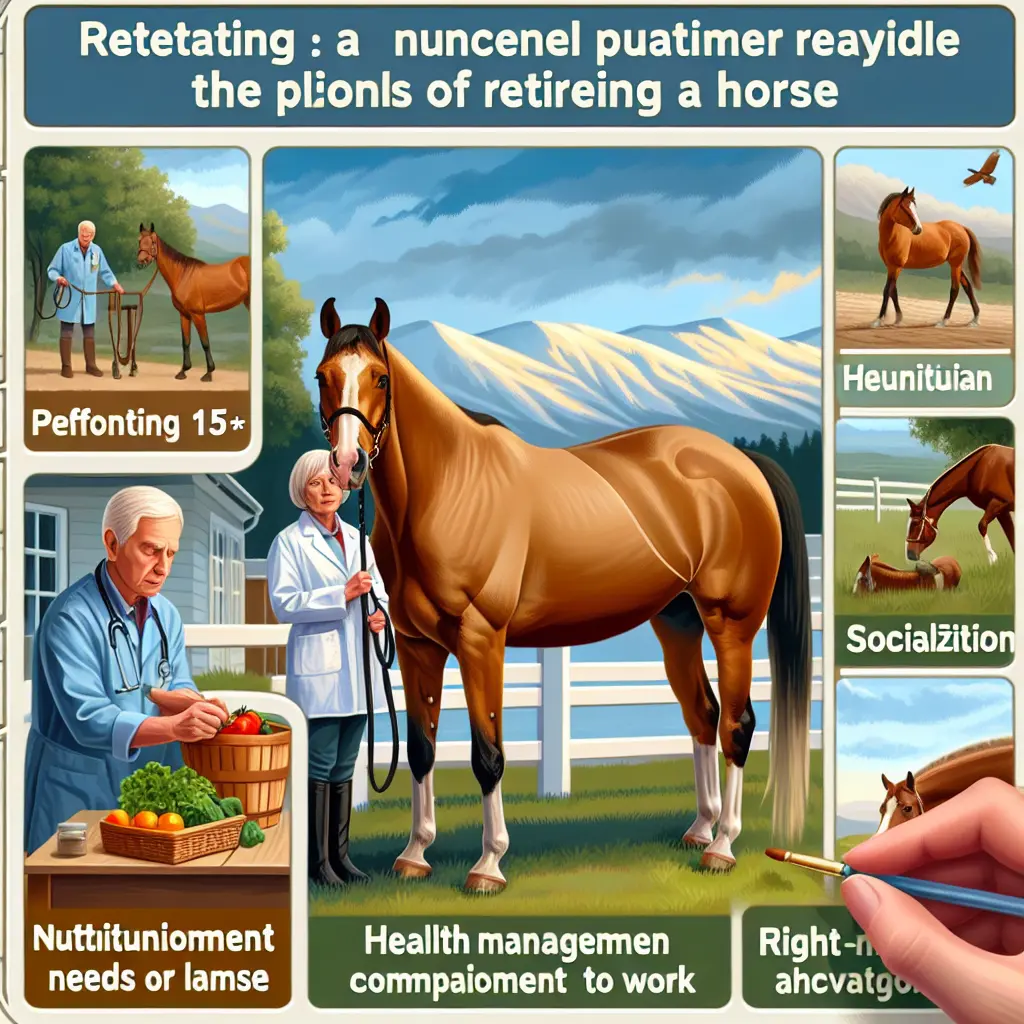
Deciding when to retire a horse isn’t about the number of candles on their birthday cake. It’s more about their health and comfort levels. Here are some indicators that your horse might be ready for a restful routine:
- Difficulty performing usual tasks or signs of pain or lameness.
- Behavioral changes such as reluctance to work or changes in gait.
- Chronic joint issues or soreness following exercise.
If these signs become apparent, it could be time to consider reducing their workload or moving them into full retirement [1].
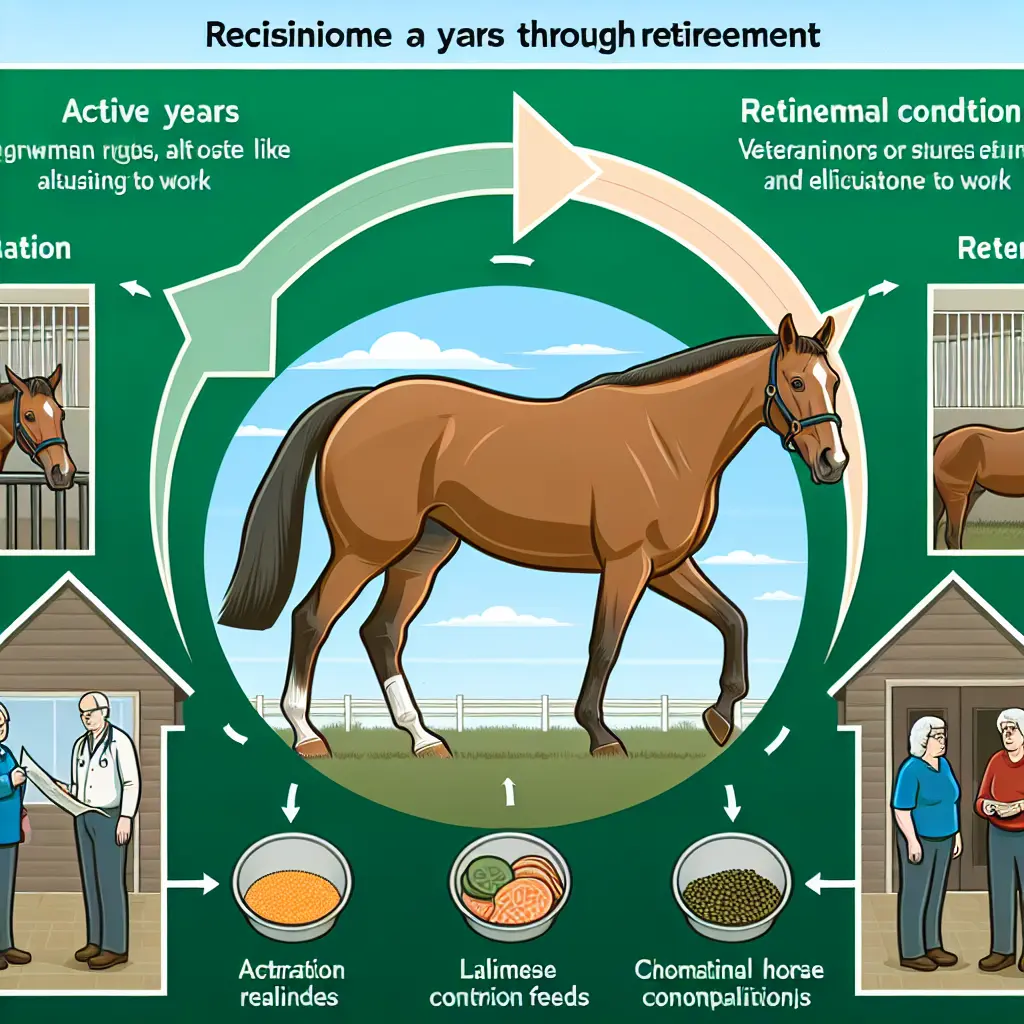
The Role of Veterinary Care in Prolonging Active Years
Regular veterinary care is your best ally in ensuring a high quality of life for your senior horse. Early intervention in health issues can often prolong their active years, keeping them as fit and pain-free as possible.
Transitioning to New Roles: Companionship and Breeding
For many retired horses, their new role focuses on companionship or lighter activities. For instance, a significant number of retired Thoroughbreds become either pleasure or companion horses or are used for breeding. This transition can provide continued value and companionship to both the horse and its owner [2].
Planning for End-of-Life Decisions
As much as we hope to avoid it, planning for the end-of-life stages for your horse is crucial. When confronted with severe health conditions, euthanasia is sometimes the most humane option. On the brighter side, creating a loving, stress-free environment allows for natural passing, preserving the horse's dignity throughout its life.
Nutritional Needs of Senior Horses
Senior horses have distinct dietary requirements to maintain health and weight. At Just Horse Riders, we offer essential Everyday Horse Vitamins & Supplements that focus specifically on the needs of our cherished senior friends. Ensuring they receive proper nutrition will have profound impacts on their health and well-being, allowing them comfortable, healthy later years.
Creating a Comfortable Living Environment
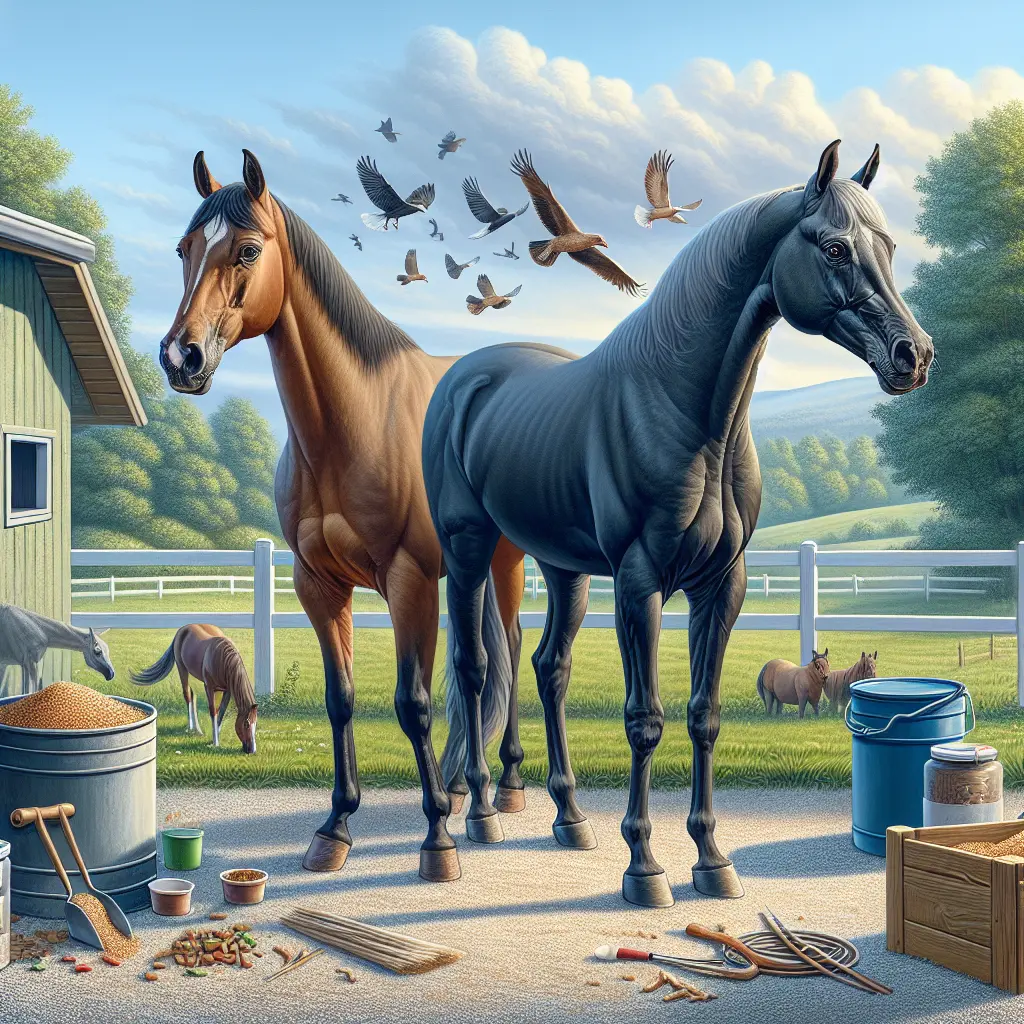
The physical environment of a retired horse should focus on comfort and safety. Providing Stable Rugs and Turnout Rugs ensures warmth and protection against weather changes. Selecting high-quality equipment, like those from our Jodhpur collection, can also contribute to maintaining comfort.
Prioritizing Pain Management and Health Checks
Regular health checks and pain management plans are crucial in senior horse care. Constant communication with your vet helps to address health issues before they escalate, making all the difference in prolonging a horse's quality of life and activity levels.
A Fulfilling Retirement: Respect and Care
Offering respect for your horse's dignity while maintaining their well-being ensures that retirement is a positive chapter in their life. Regular interaction and light exercise within their capabilities can maintain their spirits and foster the strong bond you share.
Ensuring Social Connections
Horses are social creatures. An integral part of retirement is ensuring your equine buddy still has regular interaction with fellow horses. Social bonds keep them mentally stable and engage their playful sides, which is important for their overall health.
Summarizing Recommendations for Senior Horse Care
In summary, whether deciding to follow a more leisurely course or maintaining light activity, care for the senior horse should tailor to their individual needs. Rely on both professional guidance and personal observation to navigate this transition successfully.
Exploring More Resources
For more in-depth insights into managing your senior horse, consider reading the recent survey by the Gluck Equine Research Center or the guidelines by Dr. Reynolds Cowles. These resources provide scientifically-backed advice and expert perspectives.
Conclusion: Embracing Retirement with Your Horse
Balancing the respect and care for an older horse enables an enriched, content retirement. As their companion, your decisions make a significant impact on their remaining years, ensuring they pass through them with dignity, health, and cherished companionship.