

Exploring Ribbleton Training: An Alternative to Positive and Negative Reinforcement?
Whether you're new to horse training or have been in the saddle for years, the conversation about effective training methods is always evolving. At the center of traditional practices are positive and negative reinforcement—techniques that have served equestrians well. But as the field diversifies, fresh ideas like Ribbleton Training offer a different lens through which to see the horse-human partnership.
What Is Ribbleton Training?
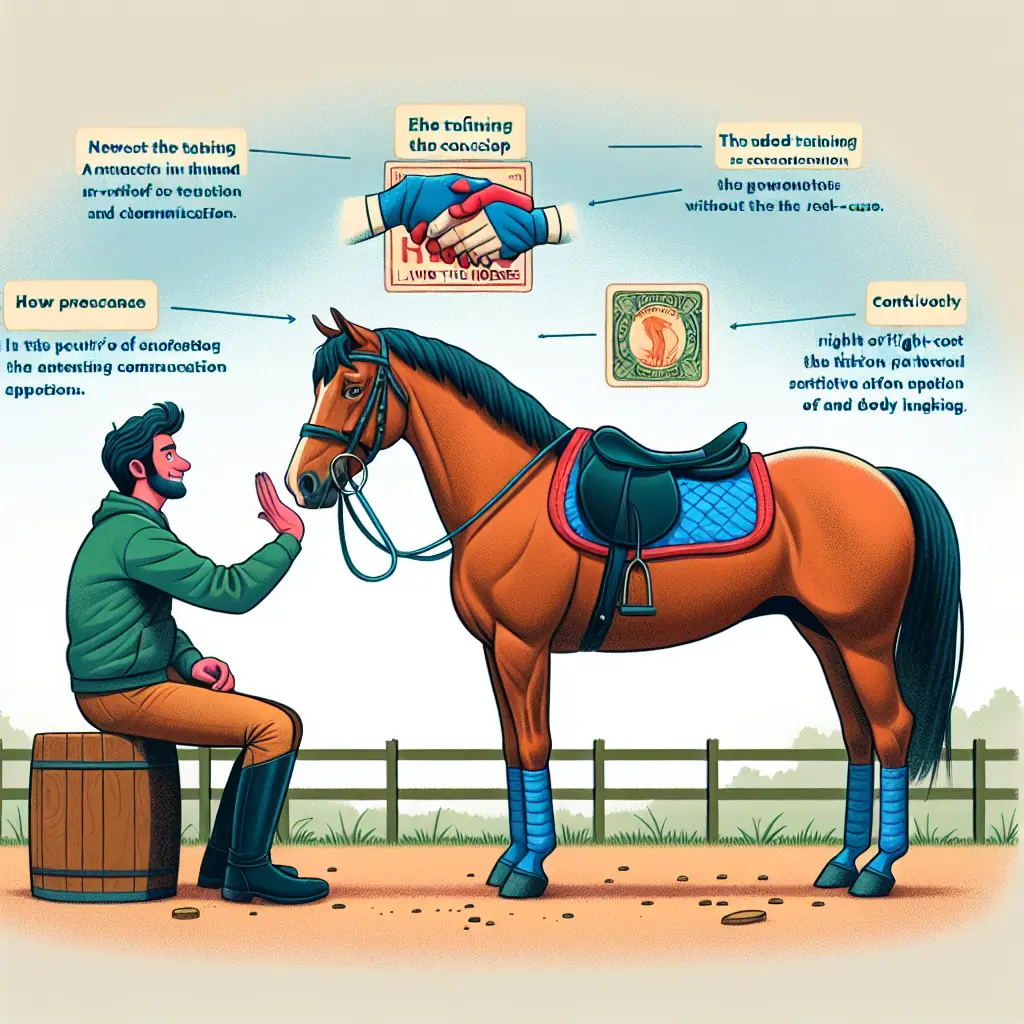
Instead of focusing on cues or treats, Ribbleton Training prioritizes presence, connection, and communication. Developed by Paulette Ribbleton (now Clark), it encourages trainers to maintain authenticity and energy when interacting with their horses. Through mutual respect and self-awareness, a profound bond can form, surpassing traditional methods in many ways.

This approach serves as the foundation for courses like Living the Horse, an immersive experience that challenges participants not just to work with horses differently, but to reflect profoundly on their relationships and broader life perspectives.
How Does Ribbleton Training Differ from Positive and Negative Reinforcement?
We can define positive and negative reinforcement as follows:
- Positive reinforcement: Rewarding desired behavior with treats or praise.
- Negative reinforcement: Removing an unpleasant stimulus when the desired behavior occurs.
Both methods are rooted in behavioral psychology and have shown effectiveness and measurability. In contrast, Ribbleton Training focuses on aspects like:
- Non-verbal communication: Guiding horses through body language and presence.
- Mutual respect: Building trust and consistency.
- Self-awareness: Encouraging reflection on emotions and intentions.
The Science (and Controversy) Behind Ribbleton Training
Ribbleton Training is an unconventional approach without scientific backing to rival reinforcement-based methods. However, principles like emotional regulation and relationship-building find support from research in animal psychology.

For instance, studies revealed that horses can detect and react to human emotions, such as distinguishing between happy and angry facial expressions, as reported by Animal Cognition in 2016. This supports the idea that the energy a trainer carries plays a significant role in horse behavior.
Yet, skeptics argue that Ribbleton Training lacks the structure and accountability reinforcement-based methods offer. The financial and accessibility aspects of the Living the Horse course, costing up to £4,000, also raise concerns about whether it is prudent for all horse enthusiasts.
Real-World Applications and Testimonials
Despite its controversy, many participants claim transformative experiences with Ribbleton Training. They report heightened self-awareness and improved connections with their horses.
A common theme emerges from testimonials—participants notice changes not only in their horses but also in their outlook on their lives. They find themselves more grounded and intentional, which reverberates positively to their equestrian pursuits.
Is Ribbleton Training Right for You?
Contemplate these questions if you're considering Ribbleton Training:
- Do you wish for a relationship-centric approach to horsemanship?
- Are you comfortable with a method that's unstructured yet intuitive?
- Are you open to dedicating time, energy, and finances without guaranteed outcomes?
If you value connection and authenticity rather than sticking to technical evaluations, this training may provide personal and equestrian enrichment. However, if you crave metric-based methods, traditional reinforcement techniques may suit your needs better.
A Diverse Equestrian World Awaits
For those delving into different horse training philosophies or those simply interested in enhancing their bond with these magnificent creatures, a variety of approaches are available. Whether considering apparel from the Jodhpur Collection, Horse Riding Boots, or practical essentials like Everyday Horse Vitamins & Supplements, the market offers a wealth of resources.
Products like Horse Fly Protection and Stable Rugs further exemplify commitment to horse care, enhancing any training philosophy.
Conclusion
Ribbleton Training challenges the conventional ways of engagement with horses, offering a path lined with holistic, relationship-first tactics. Although lacking conventional scientific endorsement, its emphasis on mutual understanding entices many equestrian enthusiasts. Consider your personal values and goals—Ribbleton might just be the training evolution you’ve been seeking!