

Introduction to Equine Nutrition
The world of equine nutrition has significantly evolved with horse owners increasingly turning to science and innovation to enhance their beloved animals' health and well-being. In this blog, we explore popular supplements in the equine community, why horse owners choose them, and what the latest research indicates. Whether you own a spirited thoroughbred or a charming miniature pony, understanding these trends can help you make informed decisions for your equine companion.
The Booming Equine Supplement Market
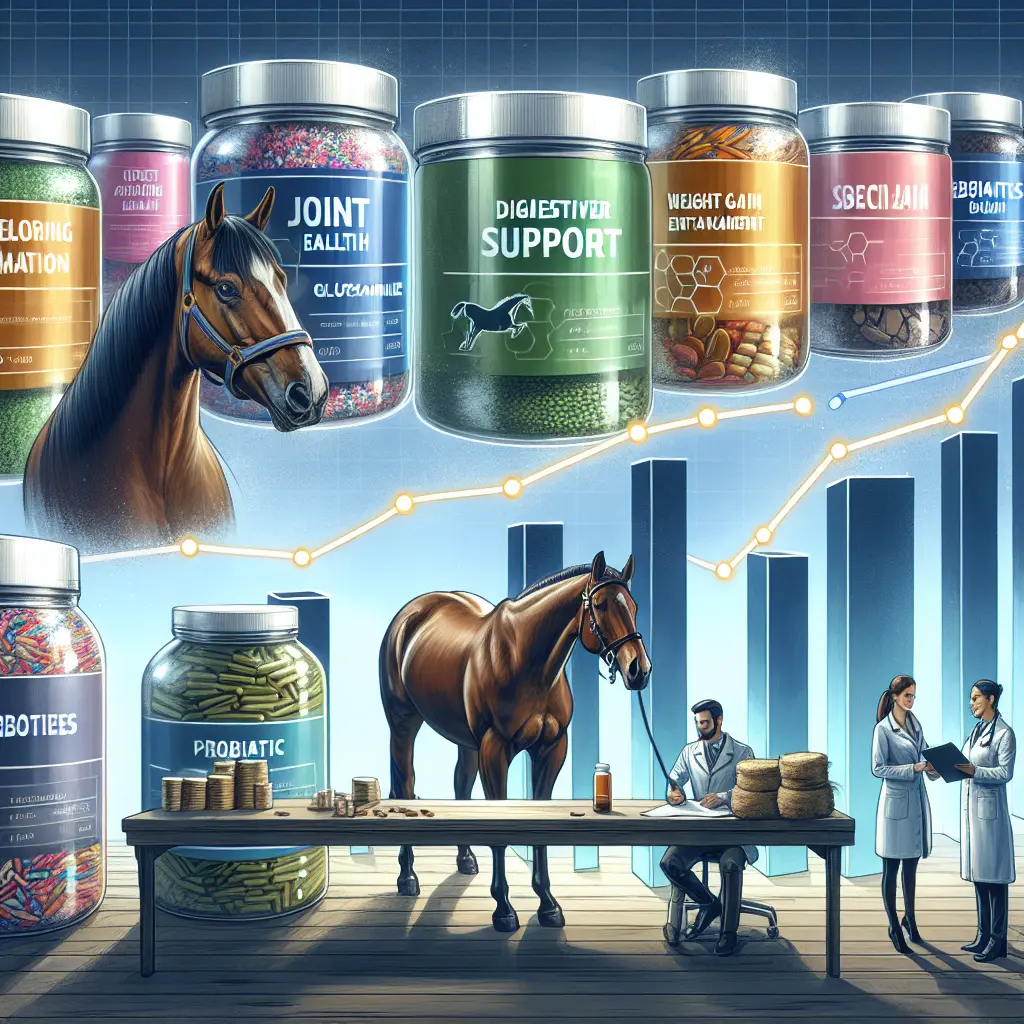
The global equine supplement market is forecasted to reach $91.15 million by 2025 and further expand to $118.32 million by 2032, exhibiting a steady annual growth rate of 3.8% (source). Driven by the increasing dedication of horse owners to their animals' health, the market is reflecting this shift toward specialized nutrition.
Why Are Horse Owners Using Supplements?
Rising Awareness of Animal Health
The level of awareness about the critical role of nutrition in maintaining overall vitality and well-being is on the rise. Owners are learning about the impact of proper nutrition on the performance, joint health, and digestive support of their horses (source).
Increased Participation in Equestrian Sports
With more people participating in equestrian activities for both leisure and competition, the need for products enhancing stamina and recovery is apparent. As these sports gain popularity, horse owners demand high-quality supplements tailored to these specific needs (source).
Greater Disposable Income
Rising incomes enable owners to spend more on premium supplements, reflecting a trend of treating animals like family members, also known as “pet humanization.” This surge allows for better customization and targeted nutrition (source).
Desire for Prevention and Maintenance
Proactively addressing potential issues like gastric ulcers, poor hoof quality, or lackluster coats is a growing priority among horse owners. Supplements act as preventive measures, warding off problems before they arise.
Types of Equestrian Supplements
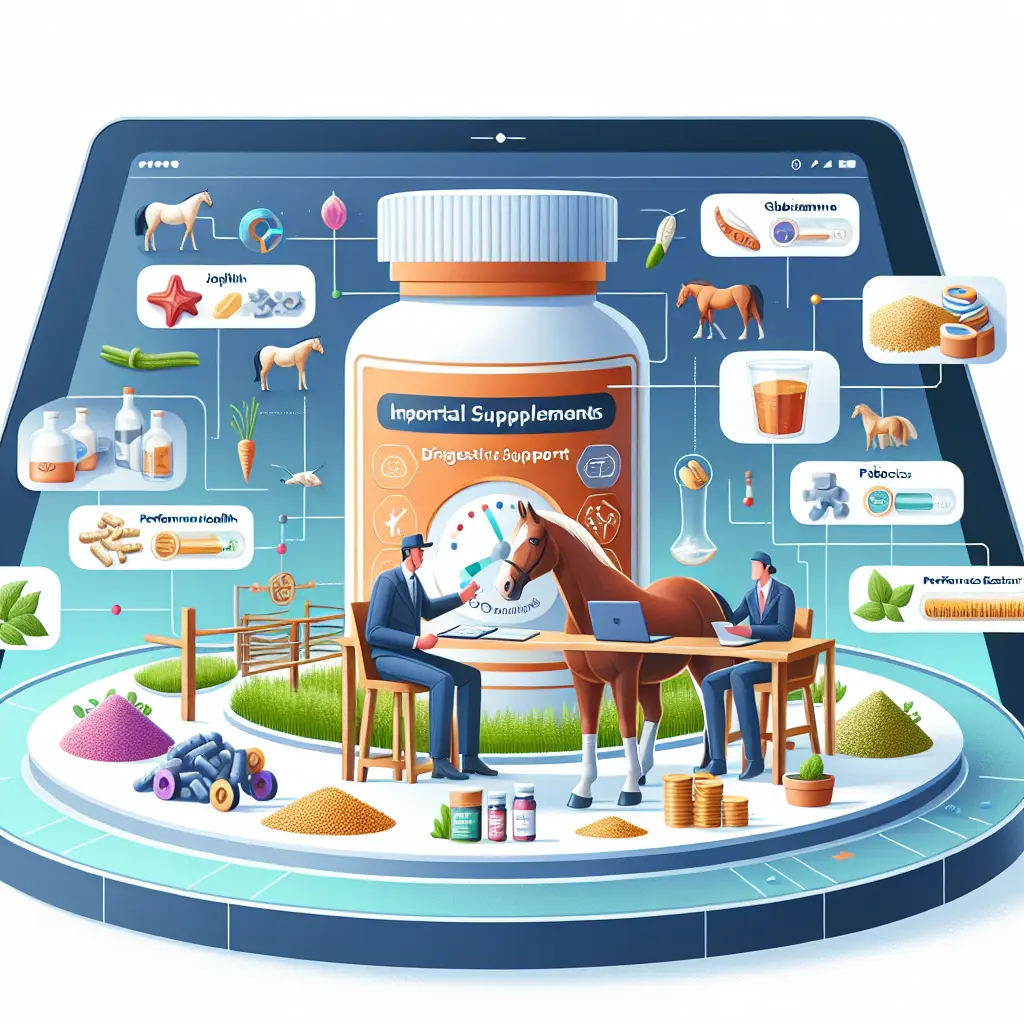
The diverse world of equine supplements spans several categories, each aiming to fulfill specific needs:
Joint Health Supplements
These often contain glucosamine, chondroitin, MSM, hyaluronic acid, and collagen. They're designed to support mobility and reduce inflammation, crucial for active horses.
Digestive Support Supplements
Probiotics, prebiotics, and ingredients like L-glutamine and aloe promote gut health and help prevent conditions like ulcers (source).
Weight Gain Supplements
Composed of vegetable fats, rice bran, flax meal, and amino acids, these supplements help increase calorie intake for horses struggling to maintain weight.
Skin and Coat Supplements
Products with rice bran, flax seed, biotin, zinc, and vitamin E enhance shine and improve skin health. A glossy coat is a sign of overall health.
Performance and Recovery Supplements
Electrolytes, amino acids, and antioxidants are key components in products that boost stamina and aid in recovery after exercise.
Evaluating Supplement Research
Despite the market's rapid growth, scientific research is still catching up. Let's look at some noteworthy findings thus far (source):
- Probiotics: Promising studies suggest their role in improving athletic fitness and reducing hindgut acidosis in horses.
- Omega-3 Fatty Acids: Known for their anti-inflammatory properties, these are studied for potential joint and skin benefits.
- Cannabidiol (CBD): A new interest area, with ongoing research on its safety and effects in equines.
Challenges and Considerations When Using Supplements
Cost
The price of high-quality ingredients can be prohibitive, particularly in areas with lower disposable incomes, posing a challenge for some owners.
Regulatory Issues
Lacking strict regulations in some regions makes it crucial to select reputable brands and seek expert advice to ensure quality and safety (source).
Over-supplementation
Balance is key as overdoing supplements can lead to imbalances or toxicity. Always start with a nutrient-rich diet and add supplements cautiously.
Guidelines for Choosing the Right Supplements
Consult Your Veterinarian
Professional advice is invaluable when introducing new supplements so that existing health issues or nutrient requirements are respected (source).
Choose Reputable Brands
Look for brands that commit to research and transparent ingredient lists, adhering to superior manufacturing practices.
Start Slow
Add new supplements one at a time, closely monitoring your horse's response and adjusting as needed.
Focus on Diet First
Before supplements, ensure your horse's basic diet needs are met with high-quality forage and feed (source).
Keep Detailed Records
Documenting what supplements are used and any health changes is crucial to understanding what works best for your equine friend.
The Future of Equine Nutrition
Innovation, digital technology, and sustainable development promise to steer the equine supplement market toward more personalized, evidence-based solutions. As research progresses, horse owners can look forward to advanced products that truly meet individual needs.
Conclusion and Key Takeaways

The equine supplement market continues to thrive, driven by a blend of growing health awareness, increased participation in equestrian sports, and rising equine expenditure. Popular supplements cater to joint health, digestion, weight gain, and performance needs. Notwithstanding their popularity, scientific backing for many products is still evolving. Therefore, prudent use under veterinary guidance is recommended. The importance of beginning with a balanced diet remains paramount, with supplements used to enhance—and not replace—stable nutrition.
For more insights, explore our collections of Horse Riding Boots, Gloves, Socks, and a special selection of Treats and Gifts.