

How to Choose the Perfect Livery Yard: Factors to Consider for Your Horse's New Home
Choosing a livery yard is one of the most important decisions you'll make as a horse owner. Your horse will spend a significant portion of their time at this facility, and the quality of care, amenities, and environment can directly impact their health, happiness, and performance. Whether you're a first-time horse owner or an experienced equestrian looking to relocate, finding the right livery yard requires careful consideration of multiple factors.
This comprehensive guide will walk you through the essential criteria to evaluate when selecting a livery yard, helping you make an informed decision that prioritizes your horse's welfare while also meeting your own needs and lifestyle.
Understanding Livery Yard Options
Before you begin your search, it's important to understand the different types of livery arrangements available. The type of livery you choose will significantly influence which yards are suitable for your needs. Each option offers different levels of care and facilities, so identifying which works best for you and your horse is the crucial first step in your selection process.
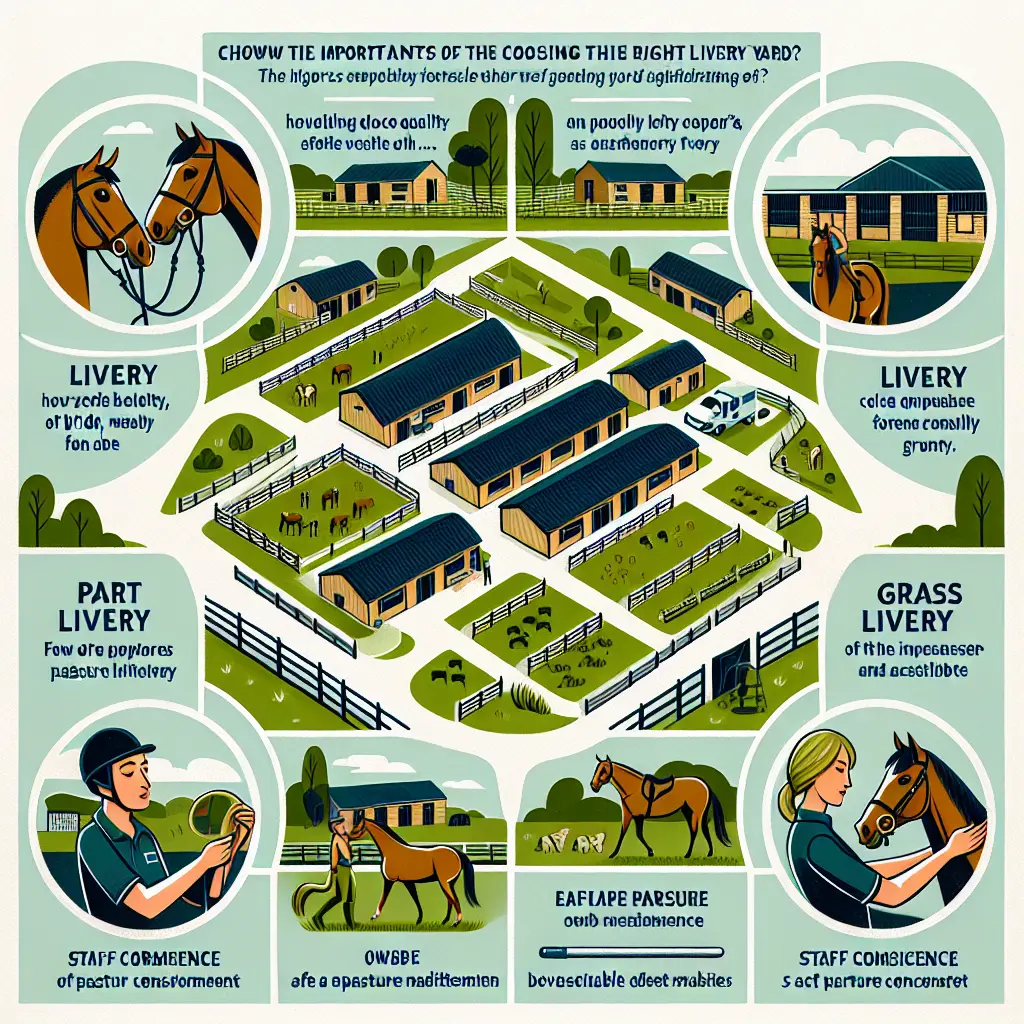
Full livery typically includes all daily care such as feeding, mucking out, and turnout management, making it ideal for owners with limited time or those who travel frequently. Part livery offers a middle ground where you handle some tasks while the yard manages others. Grass livery, where your horse is kept primarily in pasture with minimal facilities, is often the most affordable option but requires more owner involvement.
Image: Beautiful Pastures Await
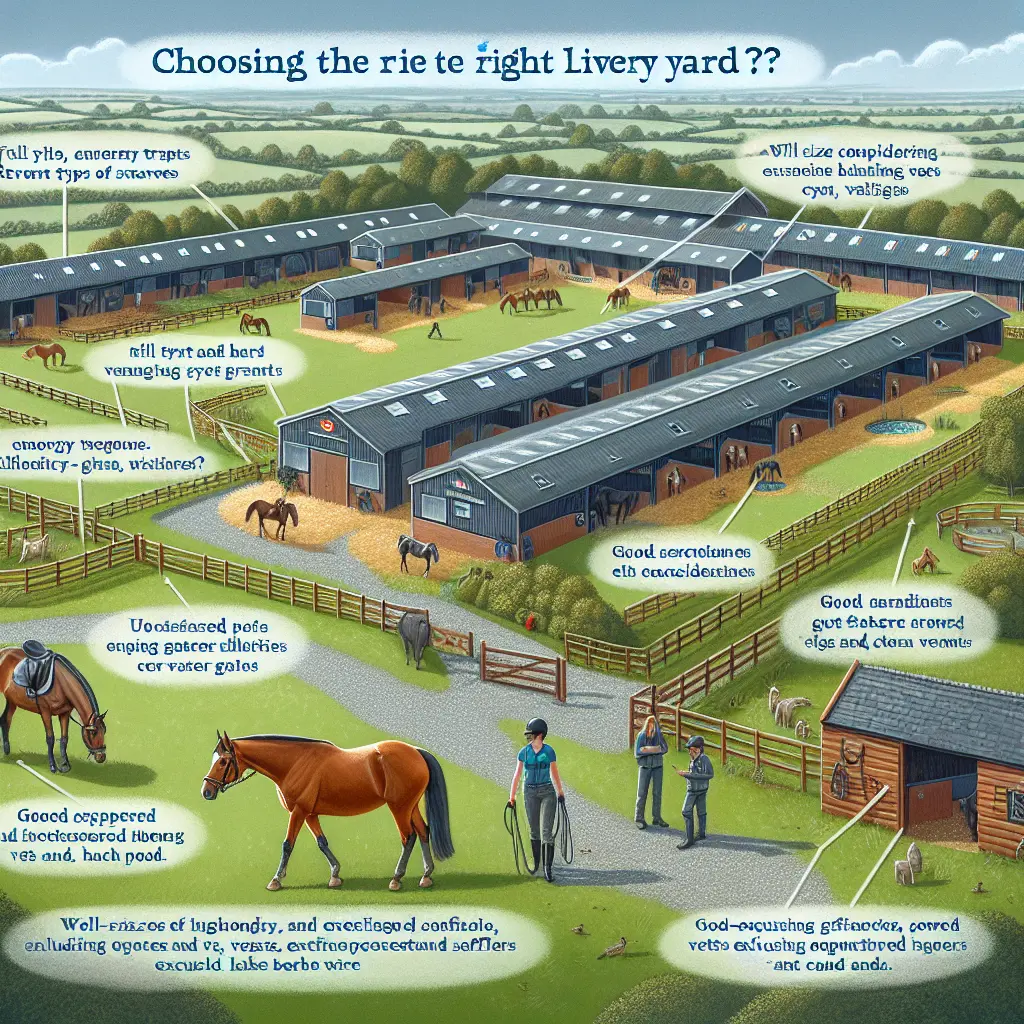
Understanding these distinctions will help you narrow down your search to yards that offer the arrangement that suits your circumstances.
Location and Accessibility
Convenience matters more than you might think. The location of your chosen livery yard should be easily accessible from your home, particularly if you plan to visit regularly. Regular visits are essential for building trust with your horse, monitoring their health, and maintaining your riding schedule.
Beyond personal convenience, location also impacts your horse's quality of life. The yard should either be close enough to quality grazing land or have sufficient grounds of its own to provide adequate exercise and turnout. Poor accessibility can lead to frustration and inconsistency in your horse care routine, which ultimately affects your horse's wellbeing.
When evaluating location, consider:
- Travel time from your home – Can you realistically visit your horse several times per week?
- Distance to bridleways and hacking routes – Easy access to off-road routes enhances your riding opportunities and your horse's mental stimulation
- Road conditions – Avoid yards where extensive roadwork is necessary to access hacking routes, as this increases safety risks
- Local area facilities – Consider proximity to veterinary clinics, farriers, and equestrian suppliers
Take time to familiarize yourself with nearby bridleways before committing to a new area. Some owners find it helpful to explore the surrounding area by bike or car to understand the full scope of available riding routes.
Assessing Staff Knowledge and Experience
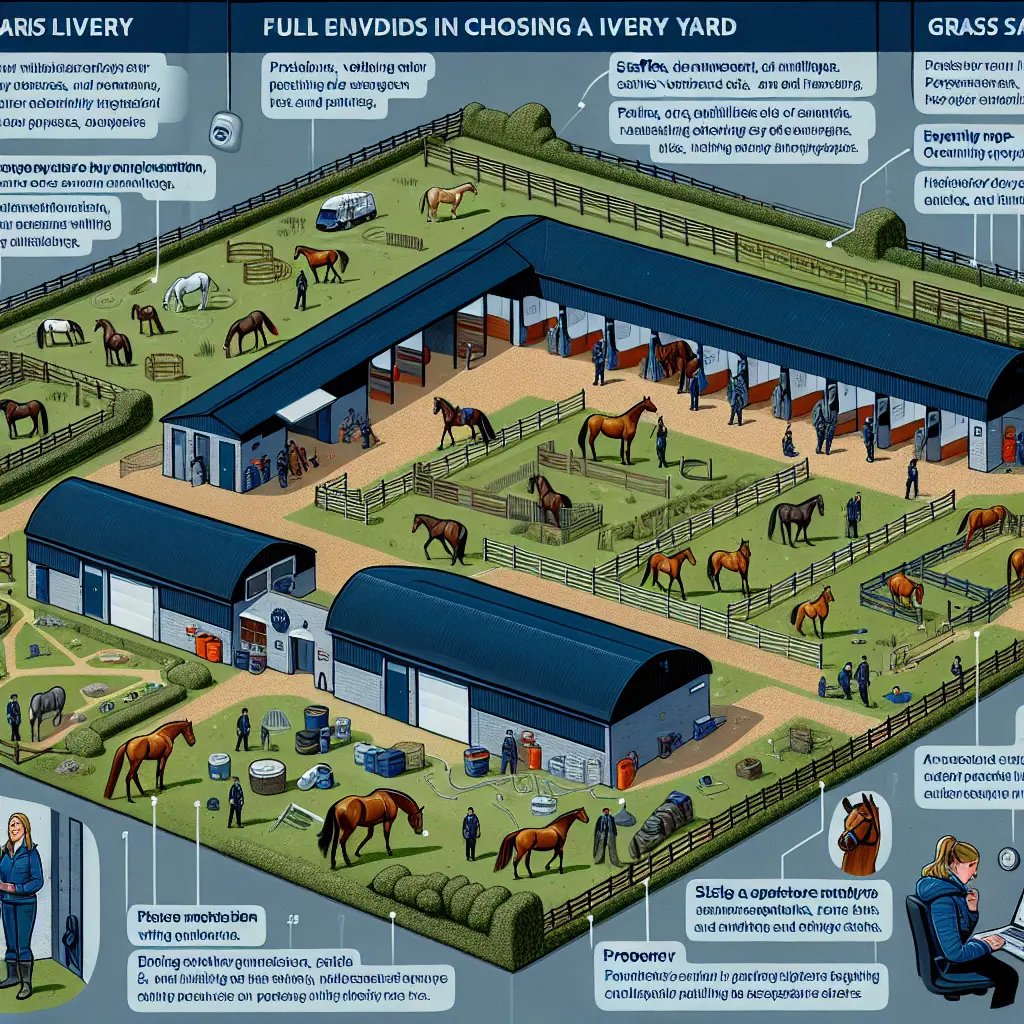
The quality of staff at a livery yard is paramount to your horse's care and safety. Your yard should employ knowledgeable staff who are experienced in horse care and understand the specific needs of individual horses. Staff expertise directly influences how well your horse is managed on a daily basis, from recognizing signs of illness to implementing proper nutrition and exercise routines.
When evaluating staff competency, ask:
- How long has the yard been in operation? Established yards with years of experience typically have refined systems and protocols
- What qualifications do the staff hold? Look for certifications in equine care or similar recognized credentials
- How do they handle emergency situations? Ask about their protocols for colic, injury, or other medical emergencies
- Is there someone on-site 24/7? This provides critical peace of mind, as on-site supervision means your horse receives immediate attention if there's an emergency
Don't hesitate to request references from current livery clients. Speaking directly with other horse owners can provide invaluable insights into the day-to-day management and care standards.
Reputation and Reviews
A livery yard's reputation is a reliable indicator of its quality and reliability. Before committing, research what other horse owners say about their experiences. Sources for reputation research include:
- The British Horse Society (BHS) Approval Scheme – This provides horse owners with a useful guide when choosing facilities
- Online reviews and testimonials – Check websites, social media, and equestrian forums for feedback from current and former clients
- Personal recommendations – Ask your veterinarian, farrier, or riding instructor for recommendations
- Yard visit feedback – If possible, speak with other owners at the yard during your visit
Stable and Housing Facilities
The quality and size of stabling facilities directly affects your horse's comfort and health. The British Horse Society recommends that a stable should be a minimum of 12x12ft for an average-sized horse to allow them to lie down comfortably. If you have a larger horse, ensure the stable is appropriately sized for their frame.
Beyond size, evaluate:
- Construction quality – Stable construction should be safe and well-maintained
- Ventilation – Proper airflow is essential for respiratory health
- Drainage – Good drainage prevents moisture accumulation and reduces disease risk
- Flooring – Non-slip, well-drained flooring reduces injury risk
- Emergency stabling – Even if you choose grass livery, adequate stabling facilities should be available for emergencies
Ask to be shown around the facilities during both dry and wet conditions if possible. Summer conditions may look very different from winter arrangements, which could affect drainage and general maintenance.
Pasture Management and Turnout
Quality grazing is essential for your horse's physical and mental wellbeing year-round. The level and quality of turnout available should be a primary consideration in your decision.
Image: Horses Enjoying the Sunshine
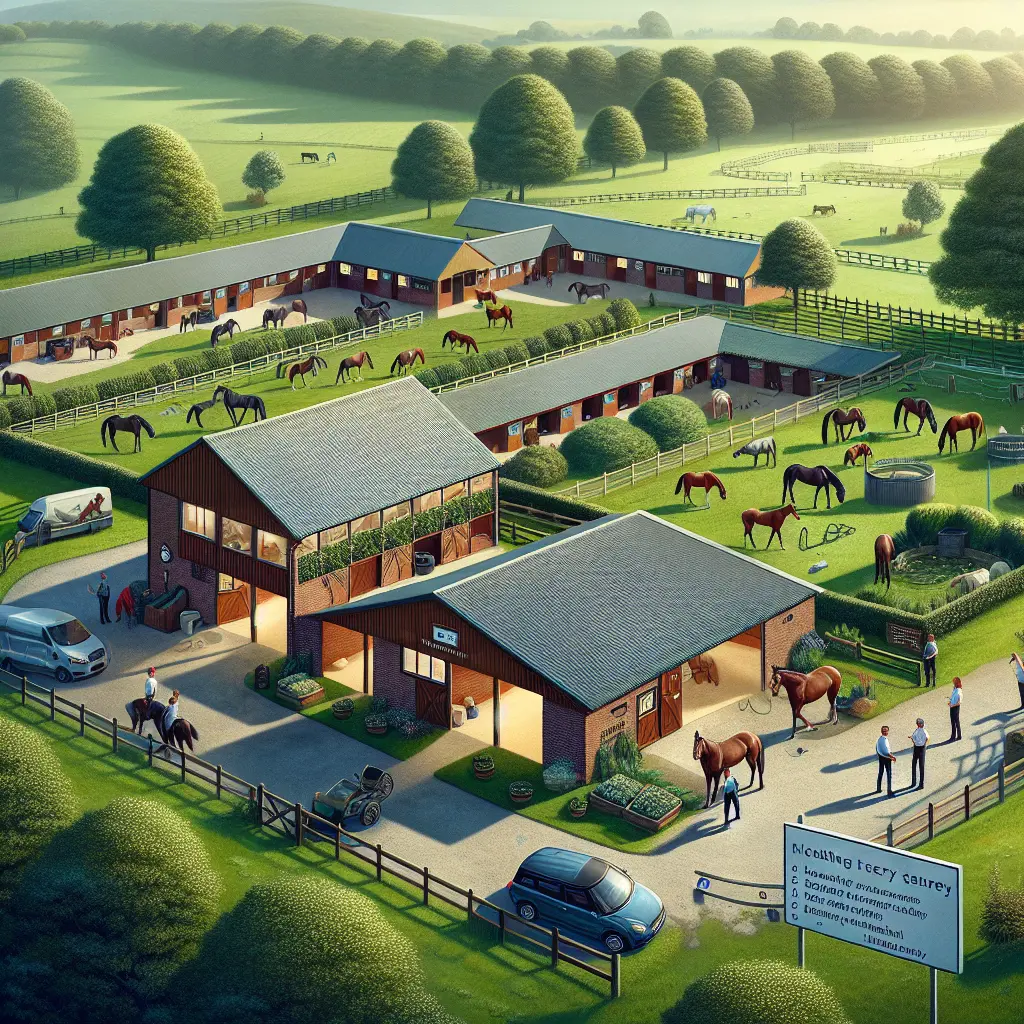
Key pasture management questions include:
- How much turnout is available for the number of horses at the yard throughout the year?
- What is the field rotation system? Field rotation to allow grass to rest and recover is an important part of land management
- Is individual or group turnout available? If you want individual turnout, make sure the yard can provide it
- What are seasonal turnout restrictions? Access to good grazing and socialization with other horses year-round is essential
- Water supply – Adequate and clean water supply forms the basis of good horse welfare
Well-maintained pasture with proper management of droppings reduces the risk of parasitic infection and creates a healthier environment for grazing. Access to quality grazing in the summer can reduce your bills if your horse can live out for longer, and well-maintained land is less likely to become poached in winter, reducing the chance of turnout restrictions.
Fencing and Field Safety
Your horse's safety in the field is non-negotiable. Poor fencing is a dealbreaker – don't be tempted to move to a yard on the promise that fencing problems will be remedied when you arrive.
When inspecting fields, look for:
- Fencing quality – Horse Safe Fencing made of good quality material and professionally erected and maintained is essential
- Maintenance standards – Fences should be regularly inspected and repaired
- Height and security – Fencing should be high enough and secure enough to contain your horse safely
- Gate condition – Gates should be secure and in good repair
- Hazard removal – Fields should be free of dangerous objects, broken fencing, or unsafe structures
Arena and Riding Facilities
For many horse owners, access to quality riding facilities is crucial. If an arena is available, ensure it meets your needs and expectations.
Evaluate arena facilities by asking:
- Is the arena well-maintained? The surface should be suitable for your discipline and properly maintained to prevent injury
- What amenities are available? Ask if there are jumps or other equipment available for your discipline
- Booking requirements – Must the arena be reserved in advance, or is there open access?
- Usage restrictions – Are there specific times when you cannot ride in the arena?
- Indoor options – Access to shared facilities such as an indoor school or arena is a significant advantage, particularly in areas with poor winter weather
Storage and Support Facilities
Often overlooked but essential, adequate storage and support facilities make daily yard management significantly easier.
Consider:
- Tack room – A safe, secure tack room is essential for storing expensive equipment
- Feed room – A well-maintained feed room prevents contamination and pest issues
- Storage space – Adequate storage for your equestrian supplies, rugs, hay, and equipment
- Toilets and facilities – Toilets should be well-maintained, clean, and hygienic
- Rug storage – A dedicated rug storage area prevents damage to expensive rugs
- Hose points and wash areas – Convenient locations for cleaning equipment and horses
Health, Safety, and Biosecurity
A responsible livery yard prioritizes health and safety protocols that protect all horses on the premises.
Essential safety considerations include:
- Biosecurity measures – Quarantining procedures for new arrivals prevent disease transmission
- Health documentation – Comprehensive livery contracts should clearly outline health requirements
- Targeted worming programme – A documented worming schedule helps control parasitic infections
- Vaccination requirements – Clear policies on required vaccinations
- Fire safety – Documented fire drills and emergency procedures provide critical protection
- On-site security and safety procedures – Clear protocols for preventing theft and ensuring emergency response
- Health and Safety audits – Documented effective Health and Safety audits undertaken as routine practice
Cost Considerations
While budget is a practical consideration, it shouldn't be your only deciding factor. Different livery packages command different prices based on the level of care, facilities, and services provided.
When evaluating costs:
- Compare what's included – Different yards offer varying packages; ensure you understand exactly what services are covered
- Hidden costs – Ask about additional charges for farrier visits, veterinary care, or special services
- Seasonal variations – Some yards adjust fees seasonally based on turnout availability and feed costs
- Payment terms – Clarify billing cycles and payment expectations
Remember, the cheapest option isn't necessarily the best value, and the most expensive facility isn't guaranteed to be right for your horse.
Your Horse's Personality and Needs
Every horse is an individual with unique preferences and requirements. Consider what environment will best suit your horse's temperament and needs.
Key questions to ask yourself:
- What is your horse's temperament like? Would your horse prefer a large, busy livery yard with a strict routine, or would they be happier in a smaller, quieter yard?
- Does your horse have specific health conditions that require special management?
- What is your horse's age and stage? Younger horses may benefit from social interaction with others, while older horses might prefer quieter arrangements
- Does your horse require individual turnout due to aggression, injuries, or other behavioral issues?
Your Own Needs and Lifestyle
Choosing a livery yard isn't just about your horse – it's also about your own happiness and satisfaction. Consider factors that affect your experience:
Consider:
- Social atmosphere – Do you want a friendly, social environment with other horse owners, or would you prefer a more independent setup?
- Yard culture – Some yards have strict routines and rules, while others are more flexible. Which suits your lifestyle?
- Visiting frequency – Be realistic about how often you can visit and choose a yard that accommodates your schedule
- Cost alignment – Ensure the facility's pricing aligns with your budget
- Personal preferences – What amenities or services matter most to you?
The Yard Visit: What to Look For
An in-person visit is absolutely essential before making your decision. Look for:
Key considerations include:
- First impression – A positive overall first impression of the centre and facilities suggests good management standards
- General cleanliness – Well-maintained common areas indicate attention to detail
- Staff interactions – Observe how staff interact with horses and owners
- Horse condition – Look at the condition of horses at the yard – they should appear healthy and well-cared-for
- Facility maintenance – Are fields, stables, and common areas well-maintained?
- Safety standards – Look for evidence of safety protocols and well-maintained facilities
Making Your Final Decision
No livery yard is perfect, and there will always be pros and cons to consider. Before making your final decision, prioritize what matters most to you in terms of cost, amenities, health and safety, social atmosphere, and your horse's needs.
Take your time to do the research that will lead you to the right livery yard for your horse. Being sure that it's the best livery yard means that your horse can enjoy their home at the livery with peace of mind. A thoughtful selection process now will pay dividends in the years to come, ensuring your horse receives excellent care while you enjoy the riding and horse ownership experience you deserve.