

How to Determine Fair Pricing for DIY Livery Yards Without Arenas
Setting fair pricing for DIY livery yards without arenas can feel like trying to saddle a wild horse—tricky, but not impossible. In this article, we trot through the essentials of pricing, from understanding the livery market to factoring in operational costs. If you're a yard owner looking to fine-tune your pricing strategy, saddle up for a comprehensive ride through the world of DIY livery.
Understanding the DIY Livery Market
DIY livery offers affordable horse care by allowing owners to personally manage daily tasks, excluding premium facilities like arenas. Current UK market rates for basic stable and grazing facilities range from £30 to over £110 per week, reflecting variances in location, facilities, and local competition. Knowing your position in this spectrum is crucial for competitiveness and profitability.
The True Cost of Running a DIY Livery Yard
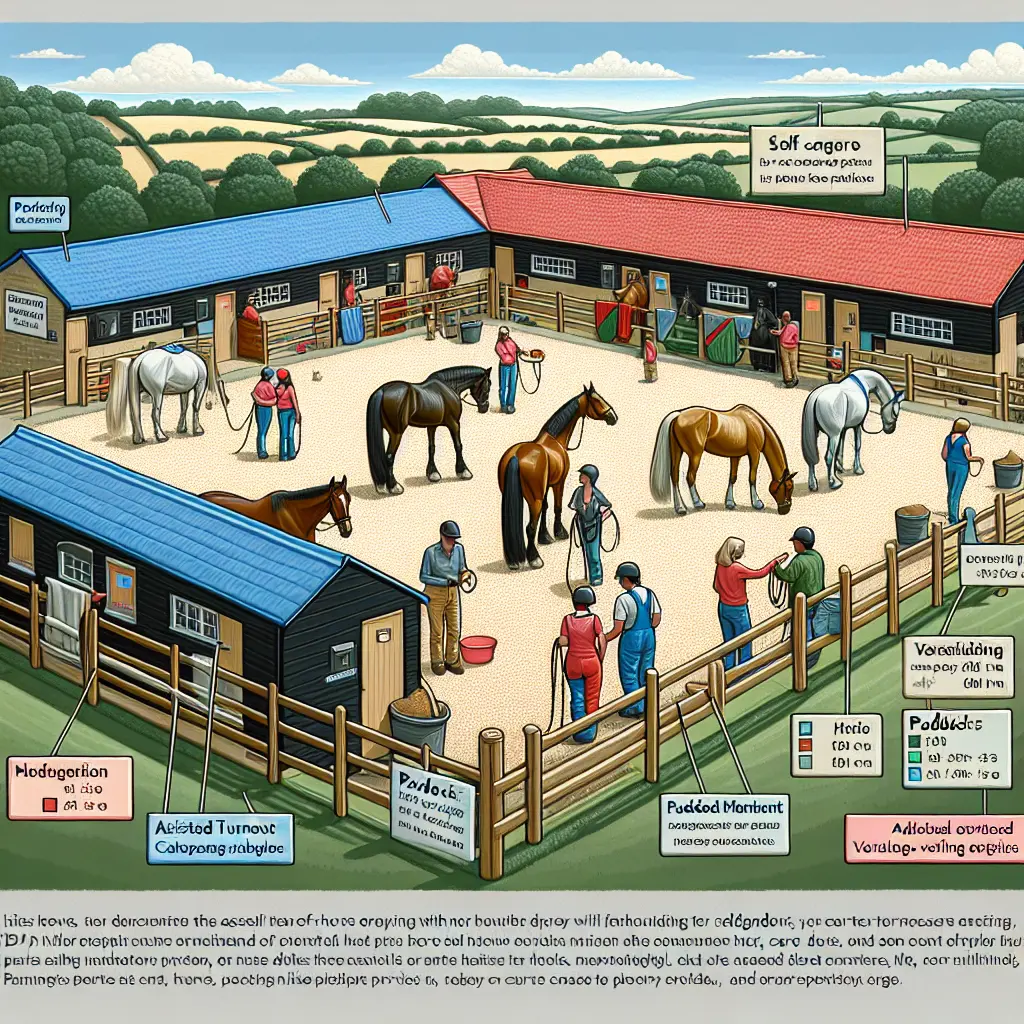
Before setting prices, it's crucial to understand your costs. Beyond obvious costs like feed and bedding, consider overhead expenses: insurance, utilities, maintenance, and field care. Yards without arena facilities must focus on field maintenance as fields double as turnout spaces.
Establishing Fair Pricing: Market Comparables
Gathering data on existing market comparables helps establish a fair pricing range. Smaller yards typically charge £30-£48, while mid-range yards operate at £50-£65 per week. Aim for a sweet spot that reflects your offerings without compromising profitability [source].
Key Pricing Considerations for Yards Without Arenas
Arenas are great, but so are the cost savings when you don't have one. Leverage your absence of arena costs to offer competitive pricing. Highlight value propositions like personalized service and excellent field maintenance to attract horse owners [source].
Regional Variations and Local Market Dynamics
Pricing isn't one-size-fits-all. Geographic location significantly impacts pricing. Areas with high demand or few alternatives often justify higher rates, while rural locations might necessitate competitive pricing strategies to draw in clients.

Monthly versus Weekly Pricing Structure
To optimize cash flow, many yards employ a monthly advance payment model. Pricing at £45 per week translates to £180 monthly, ensuring stable revenue for yard operations. This strategy safeguards funds before services are rendered, enhancing financial stability.
Additional Revenue Opportunities
Without arenas, consider boosting revenue by offering complementary services. Assisted turnout, rug changes, and paddock maintenance are services that enhance customer convenience and business profitability [source].
Transparent Communication of Pricing Structure
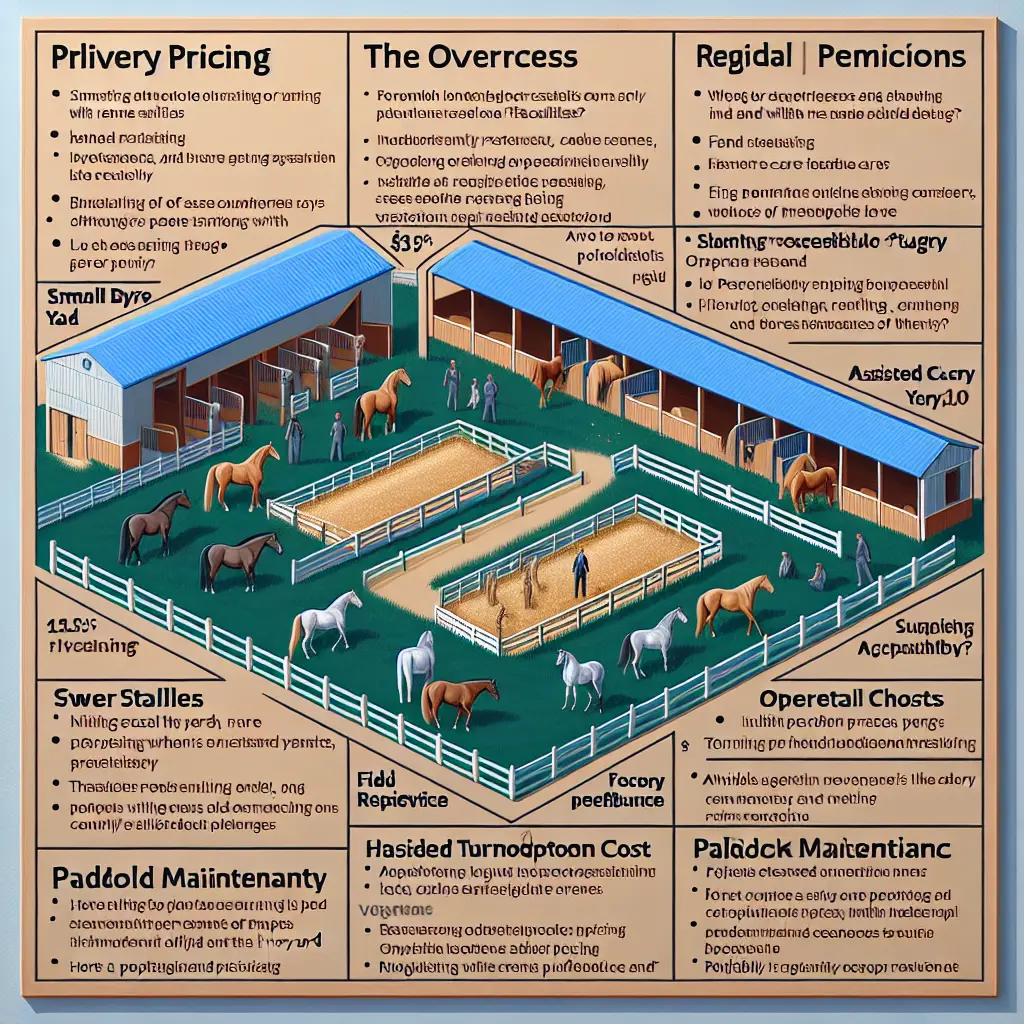
Clear and honest communication regarding your pricing structure prevents misunderstandings and fosters client trust. Clearly list what's included and excluded in your fees, and provide a documented payment schedule to help your clients budget effectively.
Evaluating Profitability and Sustainability
Profitability requires a realistic assessment of both fixed and variable costs. Yards must balance expenses with revenue, maintaining a stable occupancy rate to ensure financial sustainability [source].
Reviewing and Adjusting Pricing
Regular pricing reviews keep your business aligned with market trends and inflationary pressures. Ensure annual adjustments are communicated transparently, reinforcing trust and understanding with clients.
Conclusion: Setting Fair Pricing for Your Yard
Setting fair pricing for DIY livery yards without arenas is a multifaceted task that requires strategic considerations of costs, market dynamics, and client expectations. By emphasizing your strengths and aligning your pricing strategy with market norms, you can ensure a sustainable and competitive operation.