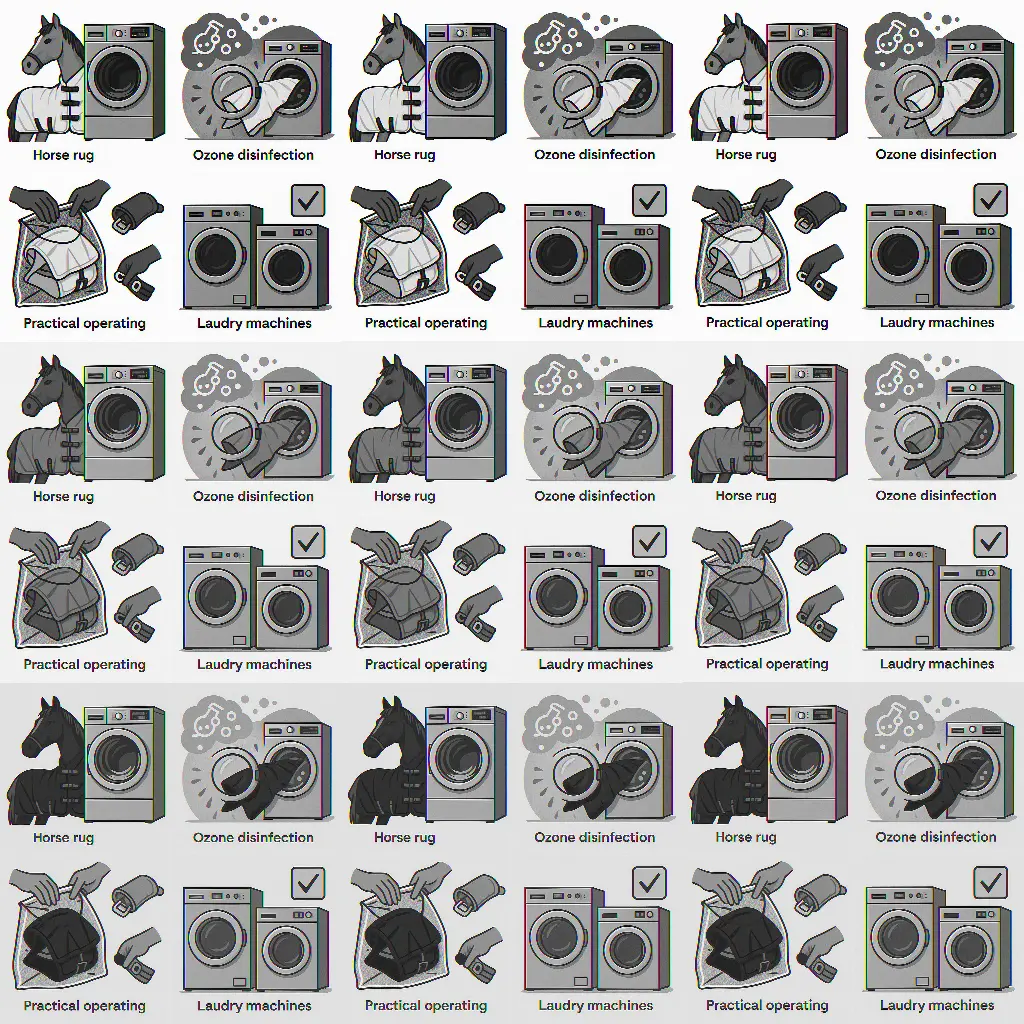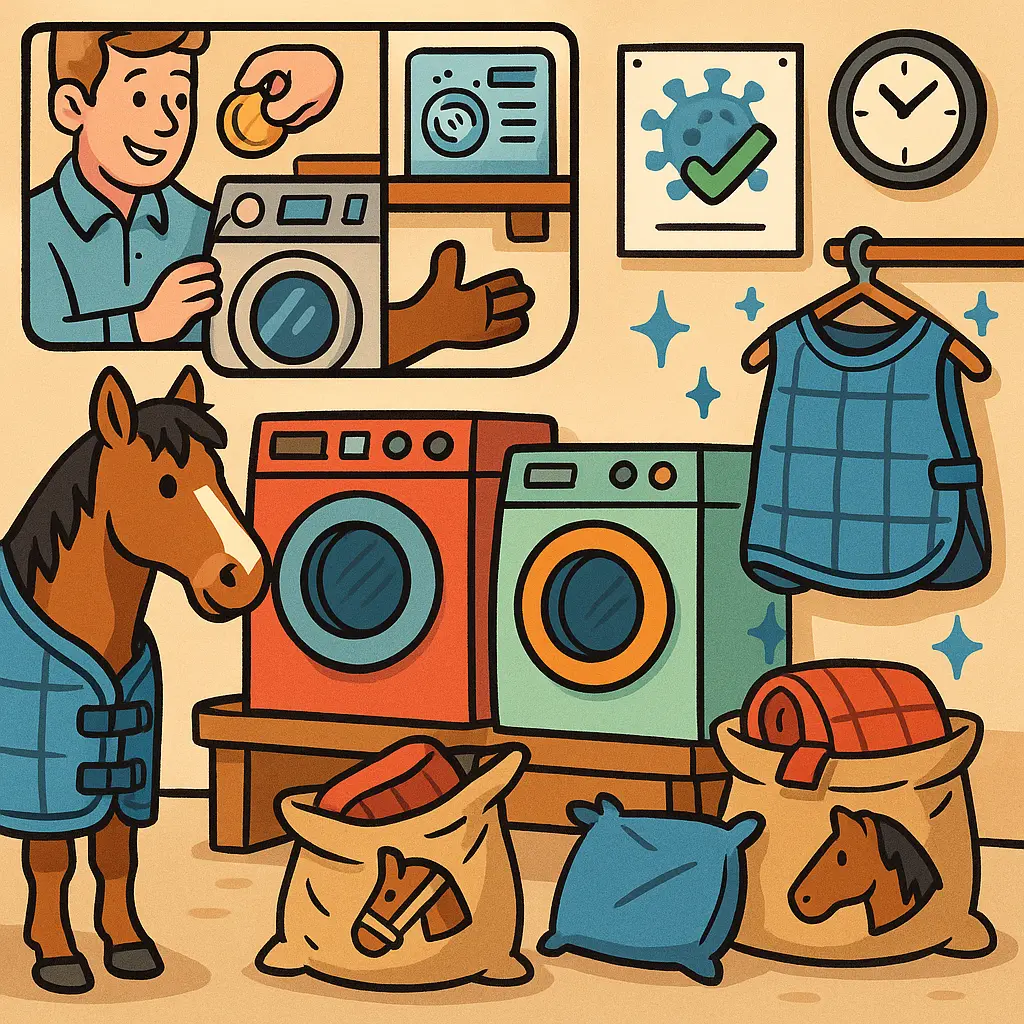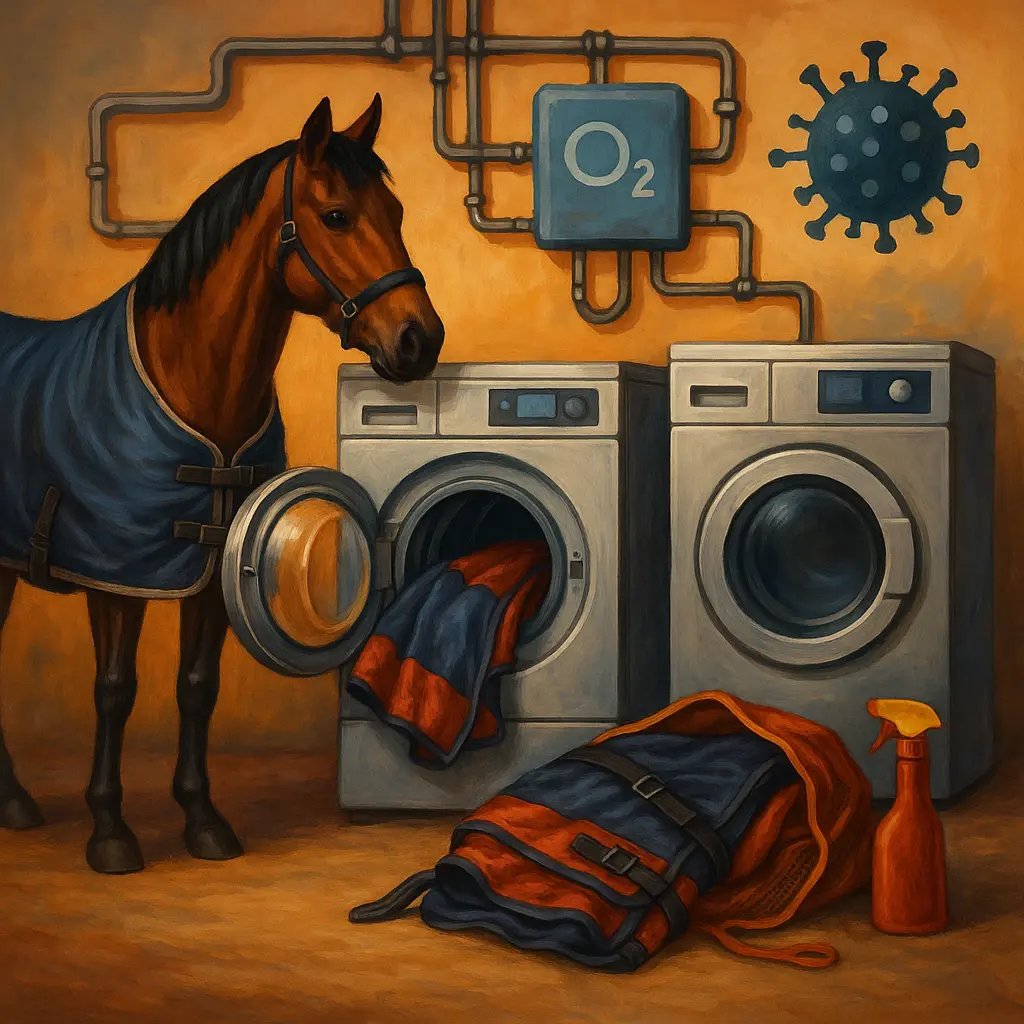
Muddy UK winters and busy show seasons make clean, waterproof rugs non‑negotiable. The right washing machine turns a slog into a system that protects your horse’s skin, your rugs, and your time.
Here’s the short answer: you need a commercial washer with a 10–23kg drum for horse rugs, with 20kg giving the best all‑round results. Domestic machines won’t clean or proof properly, and pairing your washer with a tumble dryer is essential in the UK’s damp climate.
What size washing machine you actually need
For horse rugs, choose a commercial washer with a 10–23kg drum; 20kg is ideal for consistent, high‑quality results. Smaller 7–10kg machines suit saddle cloths and small items only.
Equestrian laundry specialists recommend drum sizes in the 10–23kg range specifically for rugs, with businesses often starting at 10kg and scaling up as volumes grow. A 20kg machine is widely recommended for “best quality results” on bulky turnout rugs, liners and stable rugs, giving space for water and detergent to move through heavy fibres properly. References: Laundry Machines; MAG Laundry Equipment.
Weigh rugs before loading, and never exceed the machine’s stated dry weight capacity:
- 7–10kg: numnahs, saddle cloths, boots, light exercise sheets
- 10–15kg: summer sheets, fly rugs, light stable rugs
- 15–23kg: medium/heavy stable rugs and turnout rugs (especially with necks or liners)
Always remove detachable necks, leg straps and fillet strings, and protect buckles to avoid tearing the rug or the machine’s drum. Proof waterproof rugs immediately post‑wash to restore their barrier (more on this below).
Why domestic machines won’t do the job
Domestic machines can’t agitate, rinse or proof bulky rugs effectively and are at risk of damage; use commercial equipment to protect both rugs and hygiene.
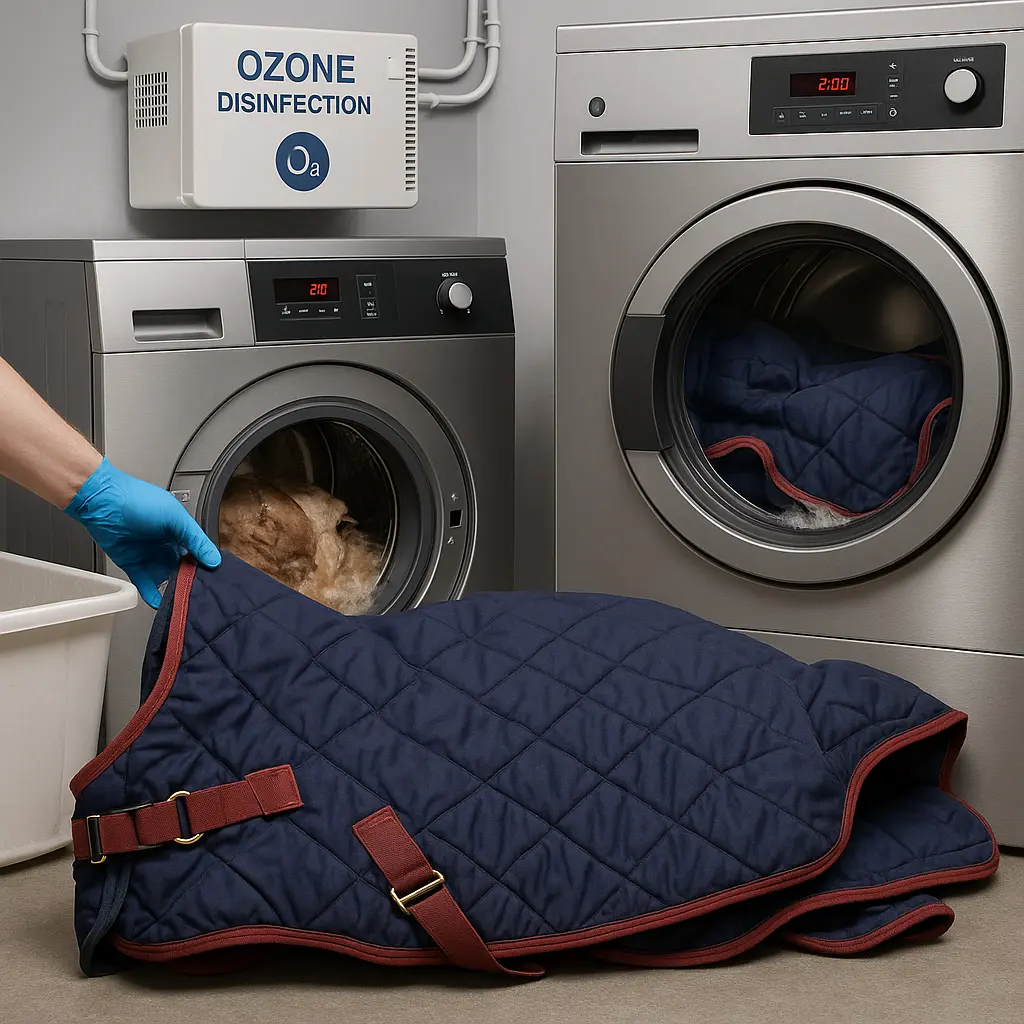
Specialist suppliers are clear that horse rugs are demanding to clean and require the right kit. As Allsop & Francis put it, “Washing blankets in a simple domestic machine will not achieve the desired result; it is a specialist job.” Source. Disease control is another reason to go commercial: systems such as JLA’s OTEX ozone can eliminate up to 99.99% of bacteria per cycle, reducing risks like strangles when rugs and tack are shared between horses. Source.
“Horse rugs are a product that can be very demanding to clean and it’s very important that the correct machines are used.” — Caroline Edmondson, Owner, Gee Up Equine Laundry (source)
At Just Horse Riders, we recommend you reserve domestic machines for human kit and small, light yard textiles. Keep rugs in their own commercial system to maintain waterproofing, avoid fungal skin issues from inadequate rinsing, and prevent costly breakdowns.
How many rugs per load? Real capacities you can plan around
A typical professional 10–13kg washer handles 1 winter blanket, 2 summer sheets, or up to 7 saddle cloths per cycle. Plan throughput around these real‑world figures.
Miele Professional washer‑extractors used in equestrian centres (e.g., the PW6107) quote these capacities across multiple suppliers, giving you a reliable baseline for scheduling. References: Millers UK; Allsop & Francis. Entry‑level professional setups often pair a PW6107 with a PT8253 tumble dryer, letting you process one winter rug (or equivalent) per load through wash and dry without bottlenecks.
If you go bigger (15–23kg), you gain margin for heavy turnout rugs with necks, multiple liners, or a stack of saddle cloths. The extra drum volume improves rinse quality and reduces creasing—important if you’re proofing or finishing rugs for competition use.
Essential washer features for equestrian laundry
Choose washers with equine programmes at 30–60°C, proofing cycles, wide doors, high spin speeds, and robust hair/fluff filtration to avoid blockages.
Equestrian‑specific controls matter because horsehair and mud are very different to domestic loads. Look for:
- Dedicated programmes: 30°C and 40°C for delicates and fly rugs; 60°C where fabric allows for deeper hygiene; and a proofing cycle for waterproof turnout rugs. References: Allsop & Francis.
- Wide doors and strong hinges: to load bulky winter rugs without snagging.
- High spin extraction: to cut drying time without aggressive mechanical action that can crease or stress fibres.
- Fluff filters/dirt traps: designed to cope with horsehair and arena grit so drains don’t clog. References: Laundry Machines.
- Hygiene technology: ozone systems (e.g., JLA OTEX) kill up to 99.99% of bacteria per cycle and reduce cross‑contamination risks in shared yards. References: JLA.
Modern equestrian‑ready washer‑extractors from brands such as Miele offer capacities from 8–32kg, so you can match drum size and programme range to your yard’s volume. References: Allsop & Francis.
Quick tip: Pre‑groom rugs with a stiff brush and pick off dried mud before loading. It saves your filters and improves wash performance. If you’re due an upgrade, browse our grooming tools for efficient de‑hairing before the wash.
Drying and proofing: fast, safe and waterproof
Pair your washer with a tumble dryer (electric, gas, or LPG) and use a proofing cycle to restore waterproofing after every wash of turnout rugs.
Drying is the real pace‑setter in UK yards where sunshine is unreliable eight months of the year. Professional suppliers pair equine‑ready washers with matching tumble dryers to finish bulky loads quickly and evenly. Gas and LPG models need installation by a Corgi‑registered engineer; electric dryers offer simpler installs but may be slower depending on capacity. References: Laundry Machines; Millers UK.
Proofing is essential for turnout rugs used in prolonged wet weather. Use the machine’s proofing programme with an appropriate re‑proofing product to rebond the water‑repellent finish after washing. Without it, rugs wet out faster, get heavier on the horse, and lose thermal efficiency—exactly what you don’t want in a sleety Yorkshire week.
Consider finishing equipment (rotary irons or simple finishing tables) if you prep rugs for competition stables. It’s not about making rugs “pretty”; it’s about laying fibres flat so proofing sets evenly and straps sit correctly for a smart, safe fit. References: Allsop & Francis.
Pro tip: Don’t over‑dry. Stop when the outer is dry and the core is just warm—residual heat will finish the job on the rack while preserving fabric elasticity and tape seals.
Setting up at your yard or starting a rug‑wash service
Start with a reconditioned 10kg washer and a dryer to prove demand, or step straight to a 20kg drum for best results; complete risk assessments and, if operating commercially alongside riding instruction or livery, check UK licensing requirements.
Plenty of successful UK rug‑wash businesses began with a reconditioned 10kg machine before adding capacity and a dryer as word spread. Suppliers report strong support networks and service agreements for small operators. References: Laundry Machines; MAG Laundry Equipment.
For a simple, safe setup at a yard:
- Weigh and triage: separate by weight, fabric, and soiling. Keep turnout rugs and fleece/fabric items in separate loads.
- Prep the rug: remove detachable parts, protect buckles in sleeves, and use wash bags for straps and small items.
- Select the right cycle: 30–40°C for delicates and fly rugs; 60°C only where the fabric label allows; finish with proofing for waterproof turnout rugs.
- Dry appropriately: match load size to dryer capacity and avoid over‑drying.
- Finish and repair: check binding, straps and tapes; quick repairs reduce future damage. Keep a stock of horse boots and bandages clean and rotated while you’re at it.
If you’re operating commercially within or alongside a livery or riding instruction business, the UK’s animal activities licensing framework may apply. Expect to complete risk assessments for machinery, maintain hygienic facilities (hot/cold water and handwashing), use non‑slip floors, and ensure appropriate drainage (1:80 gradient is commonly cited in yard standards). References: GOV.UK.
Coin‑operated options can be a neat revenue stream at busy livery yards, letting clients wash saddle cloths and coolers during peak muddy months. If you choose gas or LPG dryers, schedule installation with a Corgi‑registered engineer and keep certificates on file. References: Millers UK; Laundry Machines.
Quick tip: A tidy flow matters. Set up a “dirty in” to “clean out” pathway with clear signage, sealed hair traps, and lined bins for strap offcuts and broken hardware. It speeds the day and keeps biosecurity tight.
Seasonal strategy for UK yards: what to wash and when
Wash and proof turnout rugs at the end of autumn and mid‑winter; rotate stable rugs routinely; and deep‑clean fly rugs, numnahs and boots in spring/summer.
UK demand spikes in wet autumn/winter when turnout rug use soars. Plan two key proofing cycles for waterproofs—one pre‑winter and one mid‑season—so rugs stay breathable and shed water rather than soaking. Have a spare set of winter turnout rugs ready while one set is in the wash; it’s a simple way to keep horses dry and warm during weather swings.
Stable rugs pick up dust and ammonia; frequent lighter washes keep skin healthier than one heavy scrub. Through spring and summer, swing your attention to fly protection and work gear—clean your fly rugs, coolers, and especially saddle cloths to avoid sweat build‑up under the saddle. For new kit, premium brands like WeatherBeeta are popular with our customers for reliable waterproofing and robust hardware that stand up to repeated cleaning.
Don’t forget the human side. Darker afternoons and roadside hacks call for hi‑vis for riders, and show prep is smoother when competition pieces are clean and ready. If you compete, build time into your wash rota for jackets, stock ties and show shirts—our range of competition clothing holds its shape best when laundered routinely and stored dry.
Finally, use seasonal reviews to retire threadbare rugs and replace them before the next weather change. If a rug has lost loft or lamination, it won’t insulate or repel water properly—better to upgrade than over‑wash a tired piece. Browse fresh stable rugs for winter stabling, then rotate to turnout‑weight layers as the forecast shifts.
Hygiene and biosecurity: stop disease spread
Disinfect every load, separate equipment by horse or yard where possible, and maintain filters and drums to remove hair and bacteria after each cycle.
Cross‑contamination is a real risk in shared UK yards, particularly with diseases like strangles. Ozone disinfection systems such as JLA’s OTEX eliminate up to 99.99% of bacteria per cycle, while correct temperature selection and thorough rinsing reduce fungal and bacterial load even without ozone. References: JLA.
Practical steps that work:
- Bag and label loads by horse or yard, and keep washing/drying baskets separate.
- Clean fluff filters and door seals between loads; hair traps reduce plumbing issues and bio‑load.
- Dry completely before bagging to prevent musty odours and bacterial regrowth.
- Store clean rugs off the floor, away from feed rooms and muck bays.
Our customers often pair laundry days with tack and kit checks—boots, bandages and brushing boots benefit from routine washes to reduce skin irritation. Build a rotation using our horse boots and bandages so you’ve always got a clean set ready.
Quick tip: A quick pre‑wash rinse knocks mud out before the main cycle, boosting detergent performance and protecting machine seals.
FAQs
What size washing machine do I need for horse rugs?
Choose a commercial machine between 10–23kg; a 20kg drum gives the best all‑round results for winter turnouts and layered rugs. Smaller 7–10kg machines are fine for saddle cloths and light sheets but won’t move water through heavy insulation effectively. References: Laundry Machines; MAG Laundry Equipment.
Can I wash horse rugs in a domestic machine?
No. Domestic machines struggle with bulk, can’t rinse or proof properly, and risk damage. Specialists advise commercial equipment for proper cleaning and finish, especially for competition standards and biosecurity. References: Allsop & Francis; JLA.
How many rugs fit in one load?
As a rule of thumb in professional 10–13kg machines: 1 winter rug, 2 summer rugs, or up to 7 saddle cloths per cycle. Larger drums (15–23kg) handle heavier turnouts with necks or multiple liners more comfortably. References: Millers UK; Allsop & Francis.
Do I need special cycles for equine laundry?
Yes. Look for equine/delicate cycles at 30–40°C, 60°C where labels allow, and a proofing programme for waterproof turnouts. Robust hair/fluff filtration and a wide door are also important to handle mud and buckles safely. References: Allsop & Francis.
What dryer should I use for rugs?
Pair your washer with a commercial tumble dryer—electric, gas or LPG. Gas/LPG models must be installed by a Corgi‑registered engineer and typically dry faster; electric can be simpler to install. In the UK’s damp climate, a dryer is essential for reliable turnaround. References: Laundry Machines.
When should I wash and proof turnout rugs in the UK?
Plan a full wash and proof at the start of autumn and again mid‑winter, with spot cleaning in between. Rotate sets so your horse always has a dry, waterproof rug ready. If you need a spare, see our current winter turnout rugs.
Do I need a licence to run a rug‑washing service at my yard?
If it’s part of or alongside a commercial livery or riding instruction operation, you may fall under the UK animal activities licensing framework. Expect risk assessments for equipment and clear hygiene facilities. Check the latest guidance here: GOV.UK.
Ready to streamline your winter routine? Build a simple rotation, keep proofing on schedule, and stock a spare set of stable rugs and turnouts so you’re never caught short on a wet week. For reliable performance season after season, our customers rate WeatherBeeta rugs, and don’t forget to stay visible on winter hacks with our hi‑vis for riders.