

How to Help Your Horse Overcome Sensitivity to Headgear: A Guide for Horse Owners
Horses are majestic, powerful creatures. Yet, they can also be unexpectedly sensitive. One common area of sensitivity is headgear, where many horses express discomfort or aversion. In this comprehensive guide, we'll explore headgear sensitivity in horses, its causes, and strategies for overcoming this challenge.
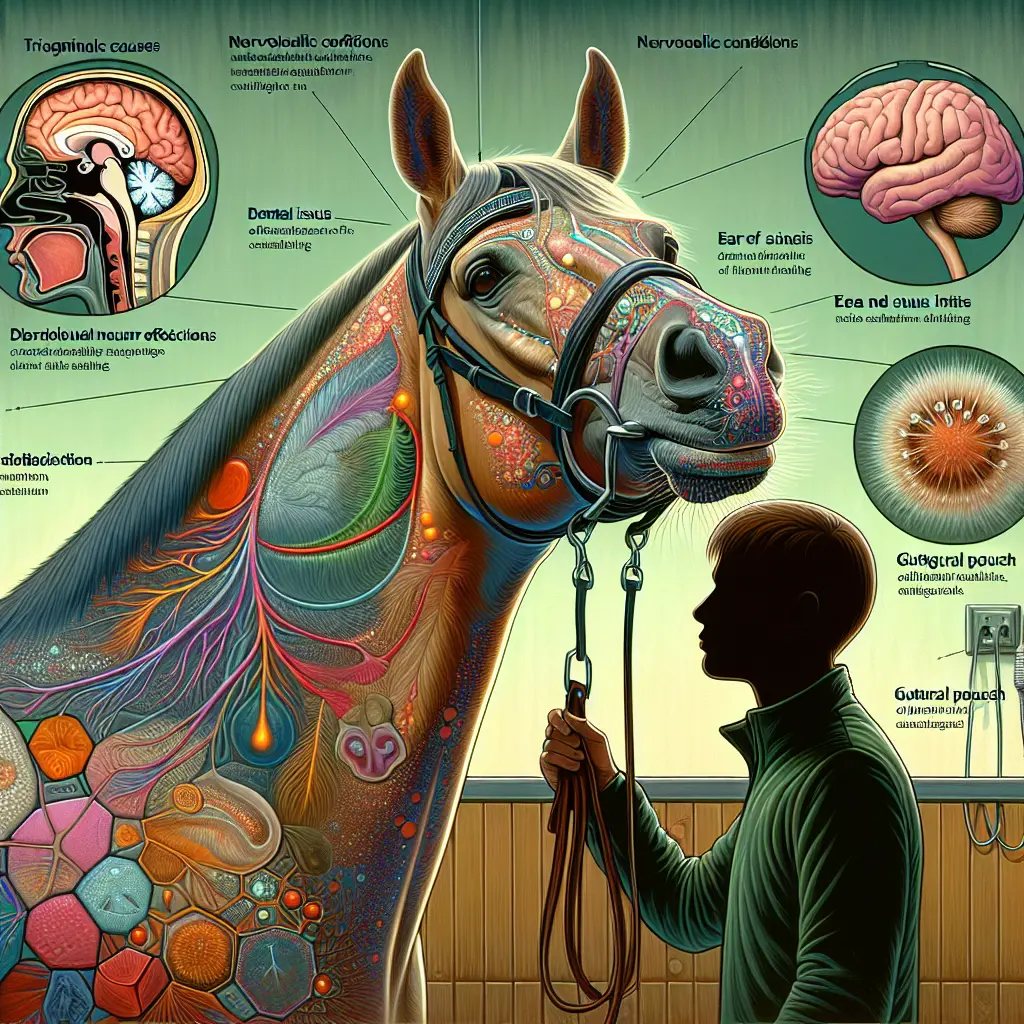
Understanding Headgear Sensitivity in Horses
Headgear sensitivity in horses, also known as girthiness or head-related aversion, is a behavioral issue signaling discomfort or anxiety. When a horse reacts negatively to halters or bridles, it often indicates past negative experiences or an underlying medical condition. Our mission as horse owners is to decode these signals through a patient, knowledgeable approach.
The Connection Between Headgear and Equine Sensitivity
Why Horses React Negatively to Headgear
The trigeminal nerve, responsible for facial sensation, often plays a significant role. A horse's headgear sensitivity can be triggered by this nerve when improperly fitted harnesses apply pressure, leading to discomfort or heightened sensitivity.
Common Underlying Causes
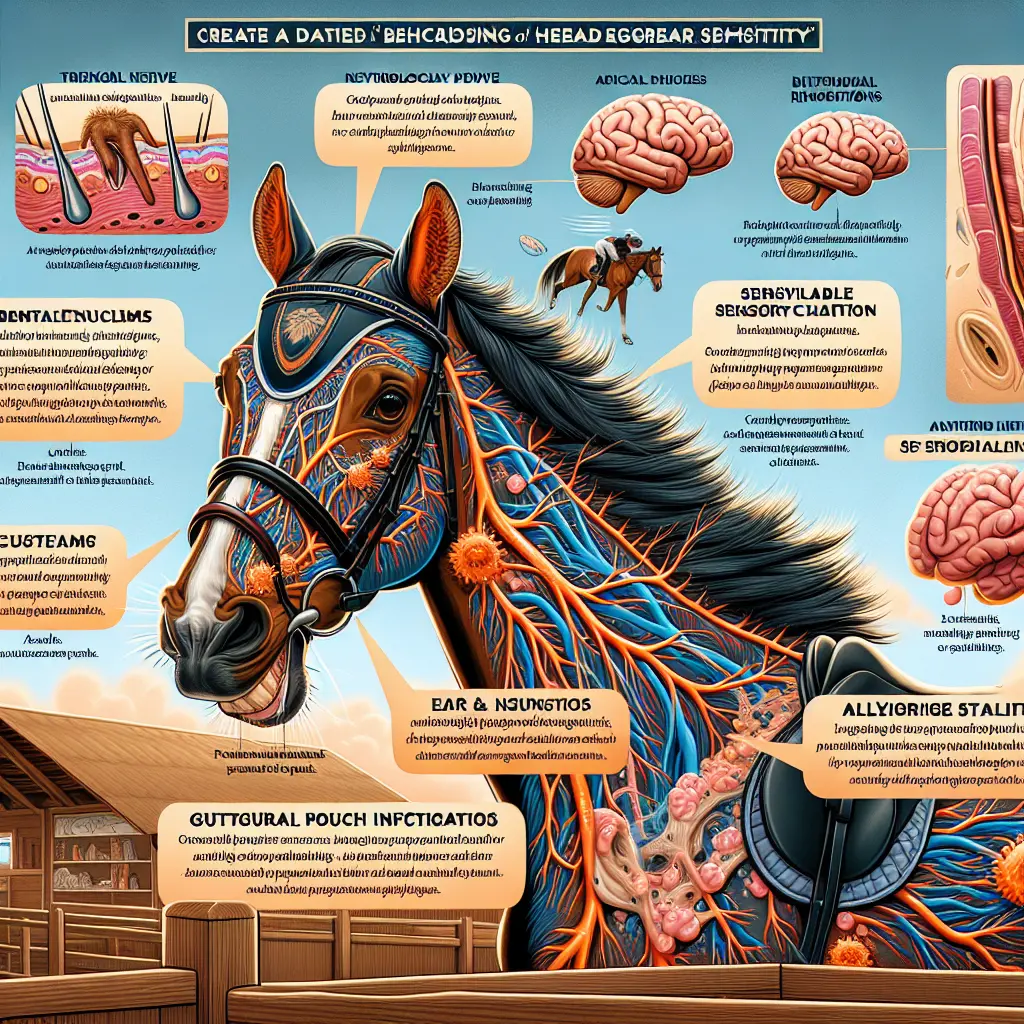
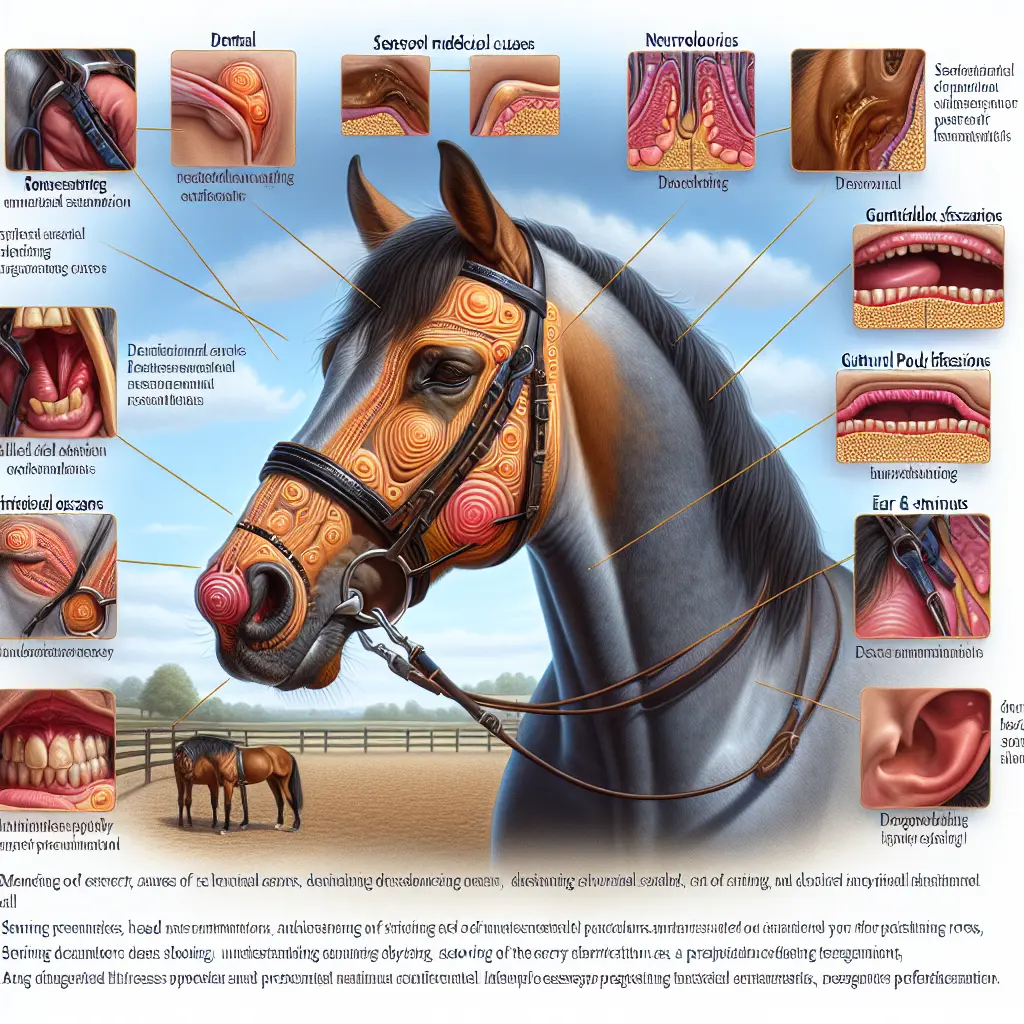
Several medical issues might contribute to headgear sensitivity:
- Dental Problems: Horses with dental pain are often sensitive to headgear. It's critical to have a veterinary dentist assess potential issues. You can learn more about equine supplements that support dental health here.
- Neurological Conditions: Conditions like trigeminal-mediated headshaking often worsen seasonally. Further details can be found in medical studies [5].
- Ear and Sinus Issues: Sinus infections or ear problems can cause head sensitivity, making headgear uncomfortable [3].
- Guttural Pouch Infections: Located near the throat, infections here could also cause pain and headgear sensitivity [3].
- Allergic Rhinitis: Seasonal allergies could enhance nasal and facial sensitivity. Identifying patterns can assist in managing these challenges [3].
Diagnostic Steps: Determining the Root Cause
Our primary focus should be ruling out medical issues. Work closely with a veterinarian to:
- Perform a physical examination for any visible signs of discomfort.
- Conduct a dental evaluation to check for oral health concerns.
- Run a neurological assessment to evaluate any nerve-related discomfort.
- Consider diagnostic imaging if necessary.
Only after these potential issues are addressed should we move into management and training strategies. Choosing the right stable rugs can be part of the management strategy.
Training and Management Strategies
Starting with Trust and Desensitization
Building trust with your horse is the cornerstone of any training strategy. Here’s how:
Step 1: Groundwork Without Equipment
Engage with your horse by touching its face gently. Comfort must be prioritized at all times and rewarded consistently with horse treats.
Step 2: Introduction to Halter or Bridle
Allow your horse to explore the equipment at its own pace. Familiarity is key to reducing fear.
Step 3: Incremental Application
Start by putting on the halter briefly. Gradually increase the time and adjust tightness as your horse's comfort increases.
Step 4: Positive Reinforcement
Associating headgear with positive experiences, for example, delicious treats, helps create positive connections.
Environmental Considerations
Managing your horse's environment is crucial for success:
- Managing Triggers: Reduce sensitivity by managing environmental factors like sunlight. A fly mask or hood can alleviate symptoms.
- Seasonal Adjustments: Utilize less reactive seasons to build positive experiences with headgear.
Choosing the Right Equipment
Fit and Design Considerations
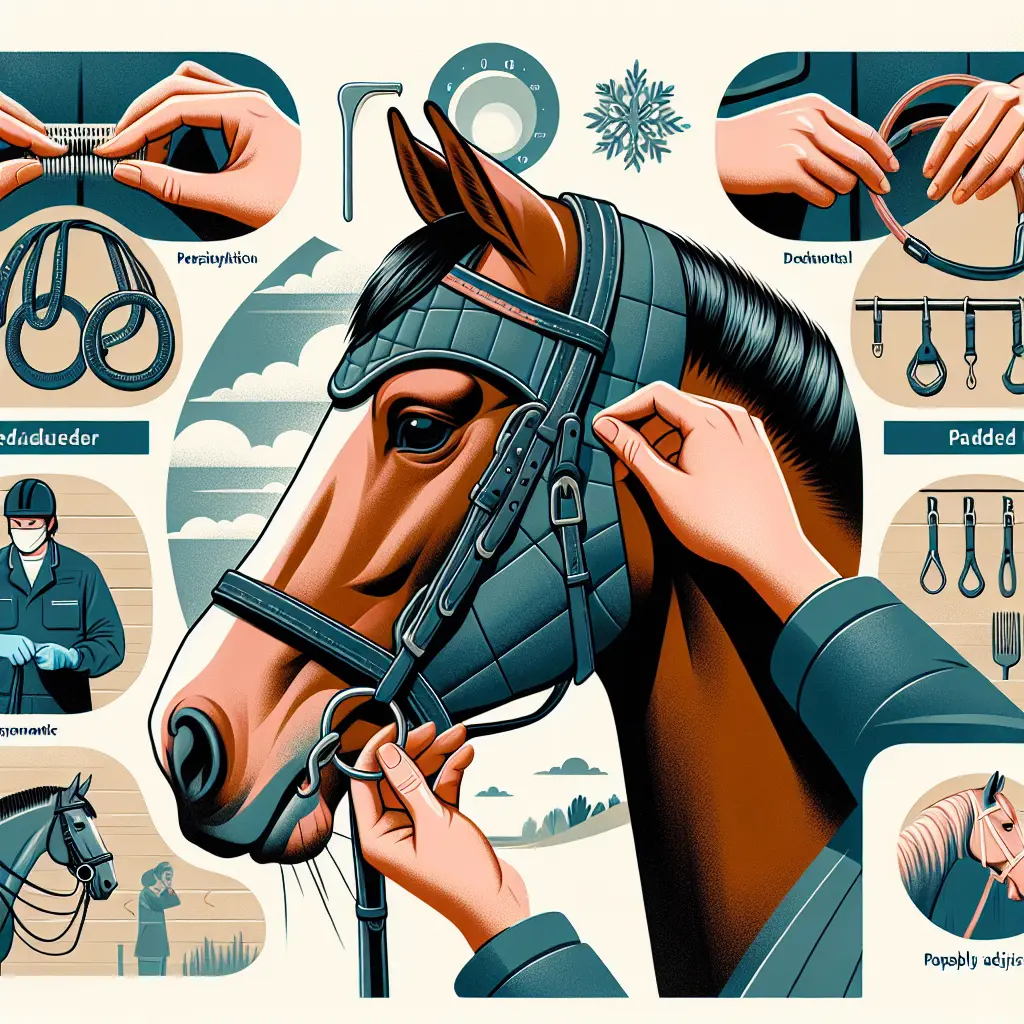
Properly fitted components are vital to decreasing head sensitivity. Here’s what to look for:
- Halter Fit: Ensure no tightness near the temples or sensitive ocular regions.
- Bridle Fit: Focus on correct bit alignment and loose nosebands.
More comfortable alternatives for horses include bitless bridles and other user-friendly designs. For sensitive horses, consider exploring the Jodhpur collection for added comfort.
Material and Construction
Opt for soft materials like leather which are more forgiving than synthetics. Ensuring ample padding in susceptible areas is also essential.
Medical and Therapeutic Interventions
When to Consult Specialists
If ongoing efforts prove insufficient, consult a specialist or veterinarian regarding medications or supplements:
- Anti-inflammatories or supplementation may be recommended for pain management.
- Behavioral medications should supplement training, not replace it.
For more options on equine health management, check out the Equestrian Supplements.
Professional Training
Working with professionals can greatly aid recovery by providing expertise not readily available to individual owners.
Creating a Long-Term Management Plan
Consistency and Patience
Remember, success doesn't happen overnight. Consistency and patience pay off in the long run.
Record Keeping
Document exposure to triggers and responses. This can assist in evaluating strategies and improving protocols.
Regular Veterinary Check-ups
Even when issues subside, regular veterinary visits are crucial to maintain health and detect potential problems early.
The Importance of Addressing Root Causes
Treat headgear sensitivity seriously. It's often not merely a behavioral problem but a response to considerable discomfort. Address root causes and foster a better relationship relating to headgear with your horse. With the right approach, most horses can return to comfort and cooperation.
Explore more accessories to complement your horse's routine and maximize comfort during equestrian activities.