

Preparing Your Horses for the Transition to Winter: Tips for Managing the Shorter Days
The transition from the warm, vibrant days of summer to the chilly grasp of winter doesn't only demand us to grab our oversized sweaters from the attic, but it also requires ensuring our equine friends are well-prepared for the upcoming temperature drop. As you might imagine, preparing your horses for winter requires a bit more than just throwing a stable rug over them. Let's delve into this frosty journey together, tackling everything you need to know to keep your horses happy, cozy, and healthy through winter's darker days.
Assess Your Horse's Condition
Before Jack Frost makes his frosty debut, take a long, contemplative look at your horse. Are they tipping the scales, or could they compete in horsey fashion week as a slender steed? Heavier horses actually benefit from cool temperatures, which can help trim their frame without the need for fashionable dieting plans. Conversely, if your horse is looking a bit svelte, it's time to start increasing their caloric intake before temperatures truly plummet. Seeking advice from a vet to eliminate sneaky health issues such as dental problems might mean the difference between a chill winter or a frosty disaster.
High-Quality Forage and Additional Options
A balanced diet is the secret ingredient to surviving the cold. When temperatures begin to rival the arctic tundra, increase forage in your horse's diet. Forage doesn't only satisfy hunger pangs—its fiber content helps generate heat, making it a culinary blanket of sorts. Adding high-calorie oils rich in omega-3 fatty acids can provide extra energy without bogging down your horse's diet with grain.
Water Management
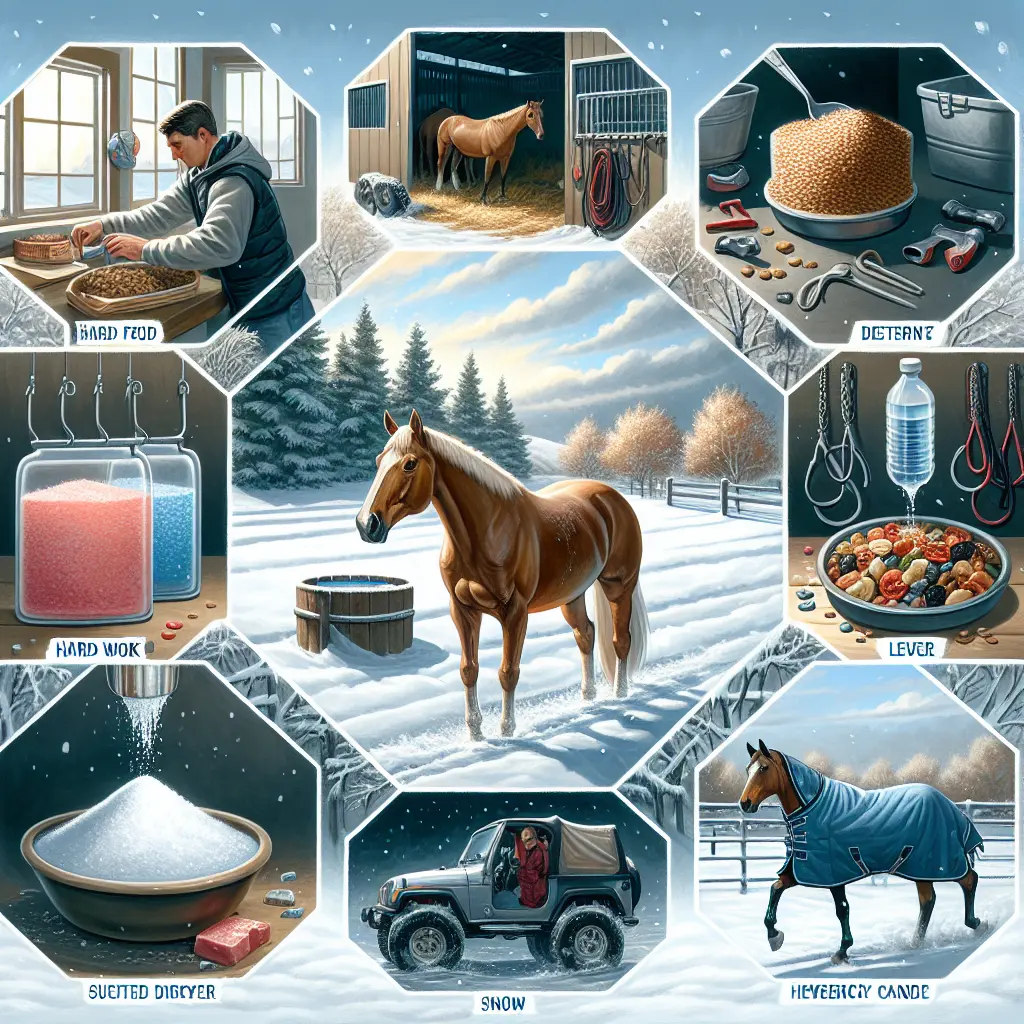
Horses need their version of a hot cocoa fix for hydration. Ensure their drinking water is enticingly lukewarm, ideally within the cozy 45-65°F range. Use salt blocks to spark thirst and add warm mashes to increase water consumption. Always be on the lookout for dehydration; it can sneak up faster than you can say "neigh."
Gradual Transition from Hard Work
Your summer training has transformed your horse into a muscle-bound powerhouse, but as competition season winds down, it's crucial not to slam the brakes on their routine overnight. Gradually decrease their workload over several weeks, reducing grain rations at the same time. Also, increase pasture turnout time to help ease them into a more relaxed routine. This gentler transition lets them slow down gracefully before their winter hibernation.
Blankets and Shelter
When considering whether to transform your horse into a fashion-forward, blanketed equine, factor in their coat length and just how harsh the winter chill will be in your region. A cozy, dry shelter to shield them from gusty winds isn't just a luxury—it's a necessity. A combination of turnout rugs and strategic sheltering can create a warm environment your horse will thank you for.
Hoof Care
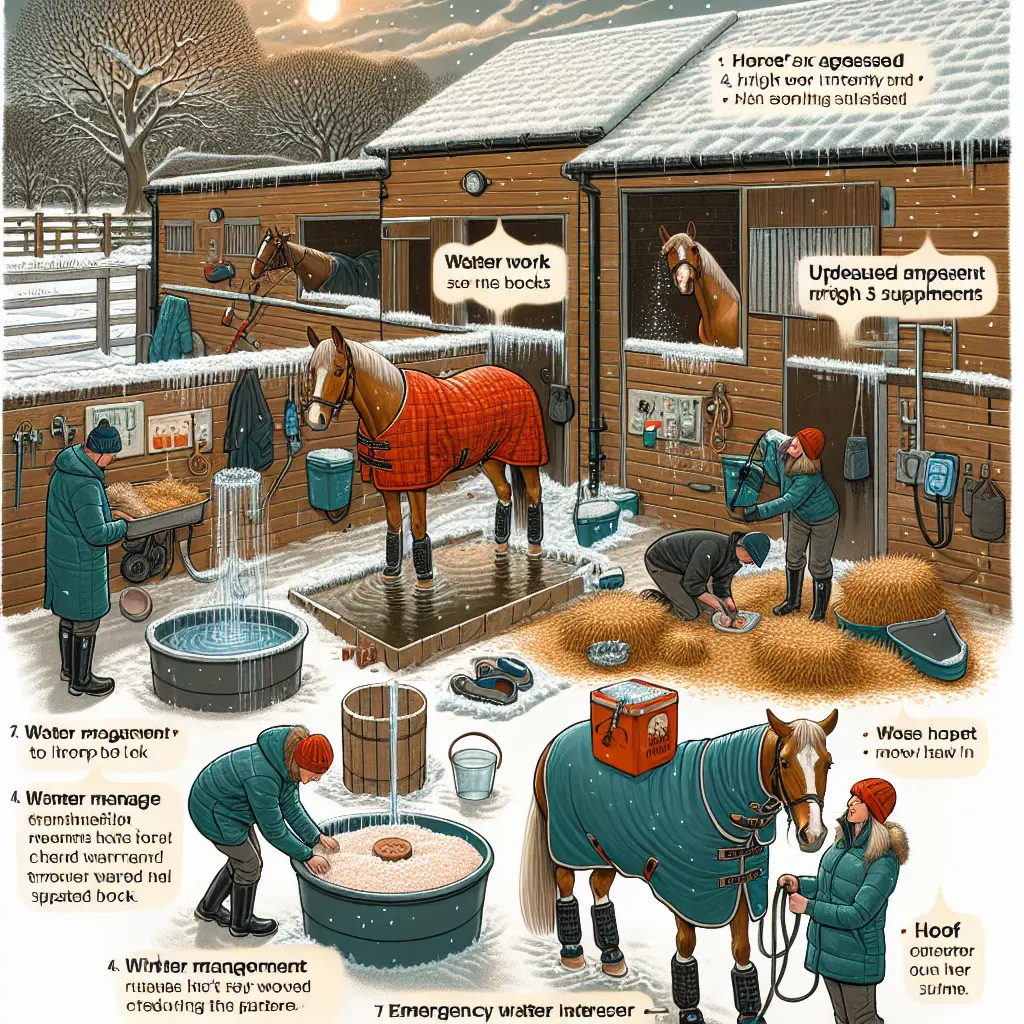
Winter means your horse's hooves face new challenges that cold weather delivers with chilling precision. Consider fitting shoes with snow pads to prevent unexpected slips. Ensure you regularly inspect for cracks or damage, as these kinks can worsen and become quite the "achilles hoof" in icy conditions.
Emergency Winter Weather Preparations
Nobody wants the surprise of cracking open an iced-over water trough. Keep a toolkit ready for breaking ice and consider using insulated buckets. Spare buckets can be lifesavers when water sources freeze—and remember, monitoring water intake is key to preventing dehydration.
Blankets and Shelter
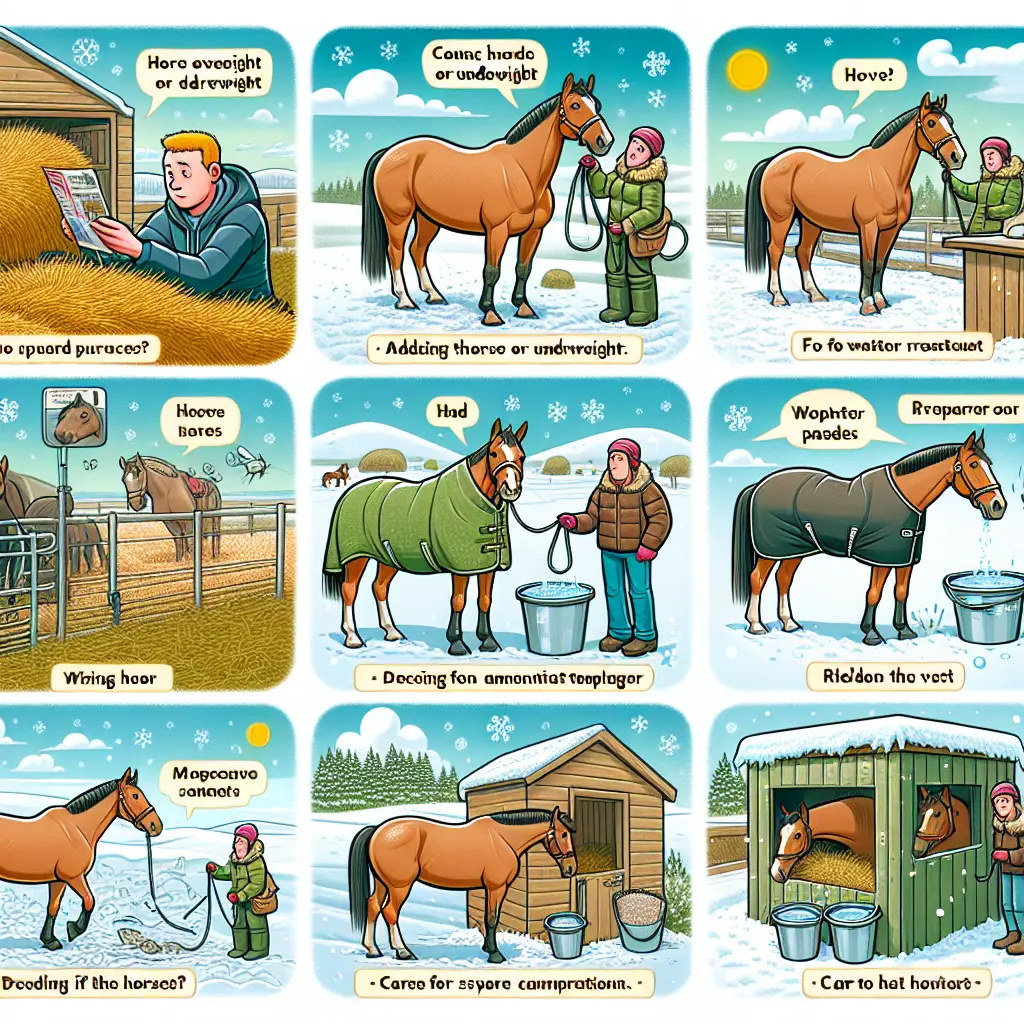
While shelter is essential, not every horse requires a blanket. Depending on their coat and the severity of winter in your locality, decide if a horse needs a winter blanket. Make sure their shelter is durable and dry to combat harsh elements.
Considerations for Severe Weather
When preparing for the worst, hope for the best but plan for the worst. Have strategies for maintaining water sources free of ice, keeping extra buckets for rotation, and closely monitoring water consumption.
Clothing and Gear Preparation
Just as humans swap swimsuits for sweaters, equestrian equipment must adapt for winter. Jodhpurs transition from summer sunshine to winter warmth, requiring different materials like those found in the Jodhpur Collection. Consider adding layers, like horse riding gloves and horse riding socks, to keep riders snug and comfortable.
Specialized Footwear
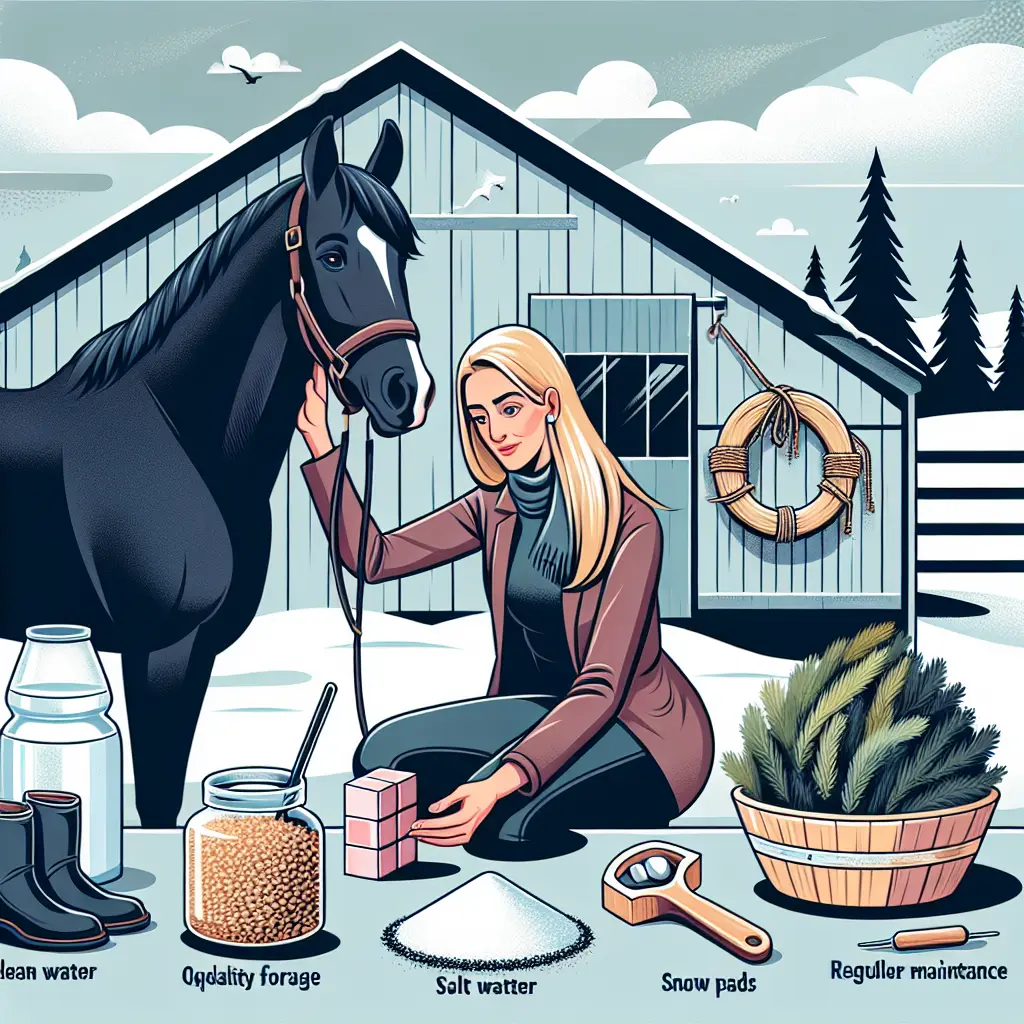
Before you find yourself joined at the hip with the icy ground, consider a switch to durable, winter-appropriate riding boots. It's as essential as hot cocoa on a winter morning—but less tasty.
Feed and Nutritional Supplements
Supplementing your horse's diet with essential nutrients and vitamins can be the difference between a lively gallop and a lethargic plod. Take advantage of the everyday horse vitamins and supplements to give that extra energy boost needed in cold months.
Handling Winter Health Challenges
Winter is as much about health vigilance as it is about warmth. Keep an eagle eye out for signs of illness—this season's challenges can range from respiratory issues to inadequate nourishment. Monitoring these conditions with your trusted veterinarian can keep potential issues from becoming persistent problems.
Maintaining Bonding and Training During Winter
The bond you share with your horse doesn't hibernate just because snow blankets the ground. Regular grooming and mild exercise can maintain your relationship and keep your horse physically and mentally active, dispelling winter blues (or "neigh-sayers") as effectively as any holiday spirit.
Conclusion: Winter-Proofing Your Equine Friend
Winter preparation for your horse isn't merely logistical; it's a labor of love that shows your equine companion you cherish their role in your life. By dressing, assessing, and providing the proper care, winter can transition from a challenge to a delightful season sprinkled with frosty adventures taken head-on together.