

Exploring the Benefits and Challenges of Riding Without Stirrups: A Guide for Equestrians
Riding without stirrups is an effective training method that can significantly elevate a rider's performance by enhancing balance, core strength, and connection with the horse. This blog will delve into the many benefits, challenges, and practical advice for integrating no-stirrup work into your riding routine.
Benefits of Riding Without Stirrups
Improving Balance and Core Strength
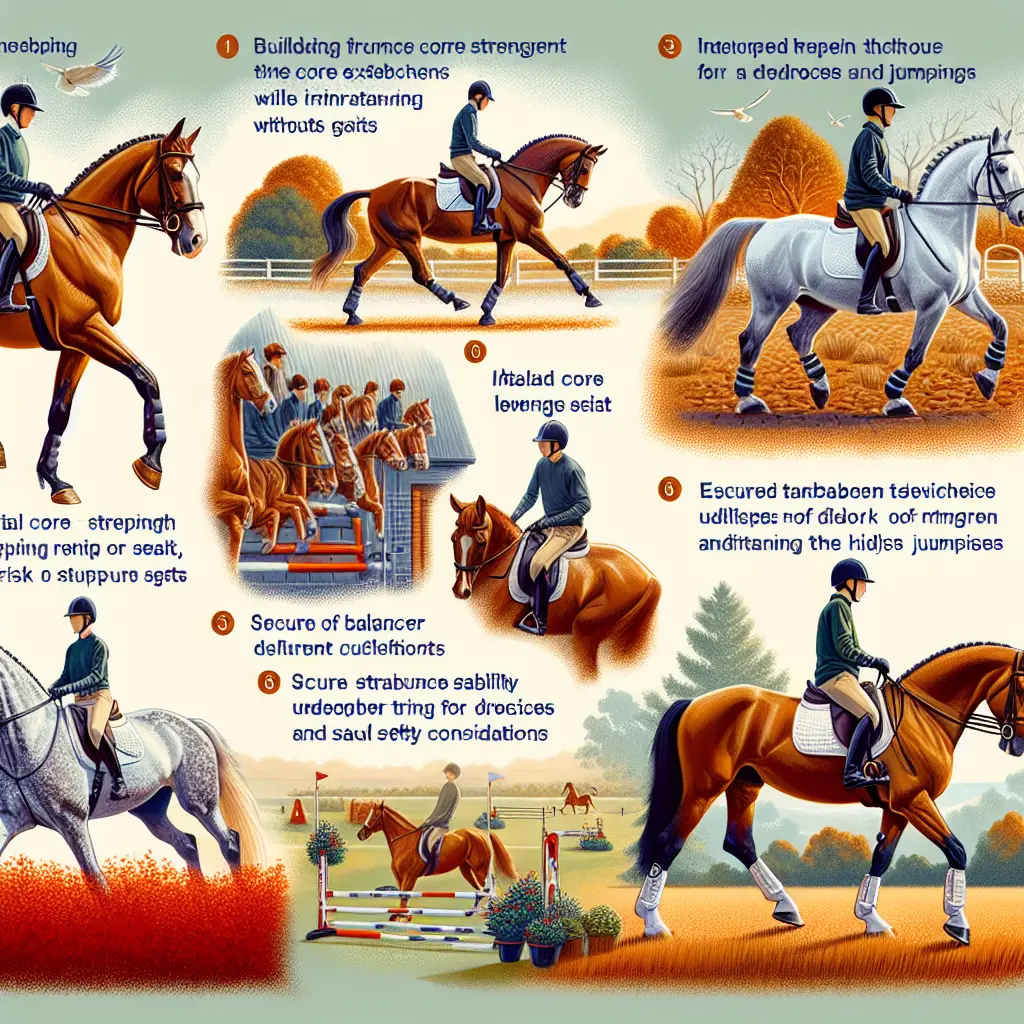 Riding without stirrups forces riders to fully engage their core muscles, leading to enhanced stability and balance. This method necessitates using abdominal and back muscles, which strengthens them over time and helps riders adjust to various gaits like the walk, trot, and canter.
Developing a Secure and Independent Seat
One of the key aspects of no-stirrup riding is developing an independent, supple seat. By eliminating reliance on stirrups, riders cultivate supple legs and better muscle control, essential qualities for advanced riding disciplines such as dressage and jumping.
Enhancing Rider-Horse Connection and Rhythmic Feel
No-stirrup riding sharpens a rider's feel for their horse's movement, fostering harmony and synchronization. This heightened awareness is crucial for building a strong partnership and improving overall performance.
Increasing Rider Awareness and Biomechanical Understanding
Riding without stirrups enhances a rider's understanding of their biomechanics and how it interacts with the horse. This knowledge translates to better control and improved posture, beneficial for all riding disciplines.
Leg Strength and Positioning
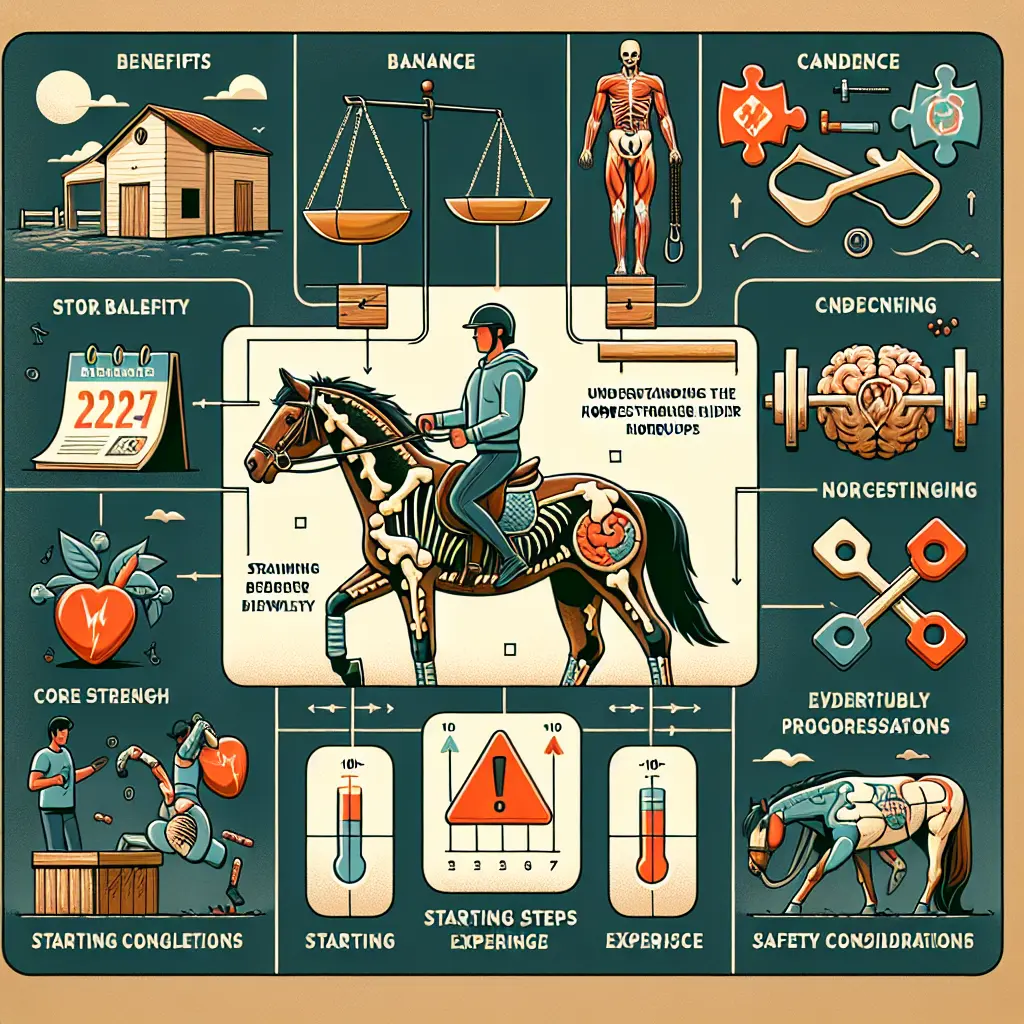 Practicing without stirrups develops leg strength coined as "legs of steel," allowing for a secure, immobile lower leg position crucial for control and communication. This refined leg position benefits both flatwork and jumping.
Common Challenges of Riding Without Stirrups
Initial Stability and Discomfort
For many riders, the first experiences of riding without stirrups can be uncomfortable and challenging. Balancing without the usual support brings fatigue, particularly in the legs and core.
Risk of Straining the Horse
If not executed properly, no-stirrup riding can strain the horse. Tension or soreness may develop if exercises are rushed without allowing the horse to relax. It's advisable to start at a slow pace, focusing initially on the walk or trot.
Safety Considerations
It's essential to ensure an appropriate skill level before attempting no-stirrup work, particularly at faster gaits. Supervision from a qualified instructor and choosing a calm, well-trained horse can mitigate risks of falls or injury.
How to Start Riding Without Stirrups
Start with Simple Exercises
Begin your journey with basic exercises like walking or trotting without stirrups, preferably in a controlled environment or on a lunge line, to gradually build confidence and strength.
Structuring Your Practice
Utilize structured approaches, such as participating in "No-Stirrup November," to practice regularly. Consistent sessions encourage progress in strength and technique.
Incorporating Core Engagement Exercises
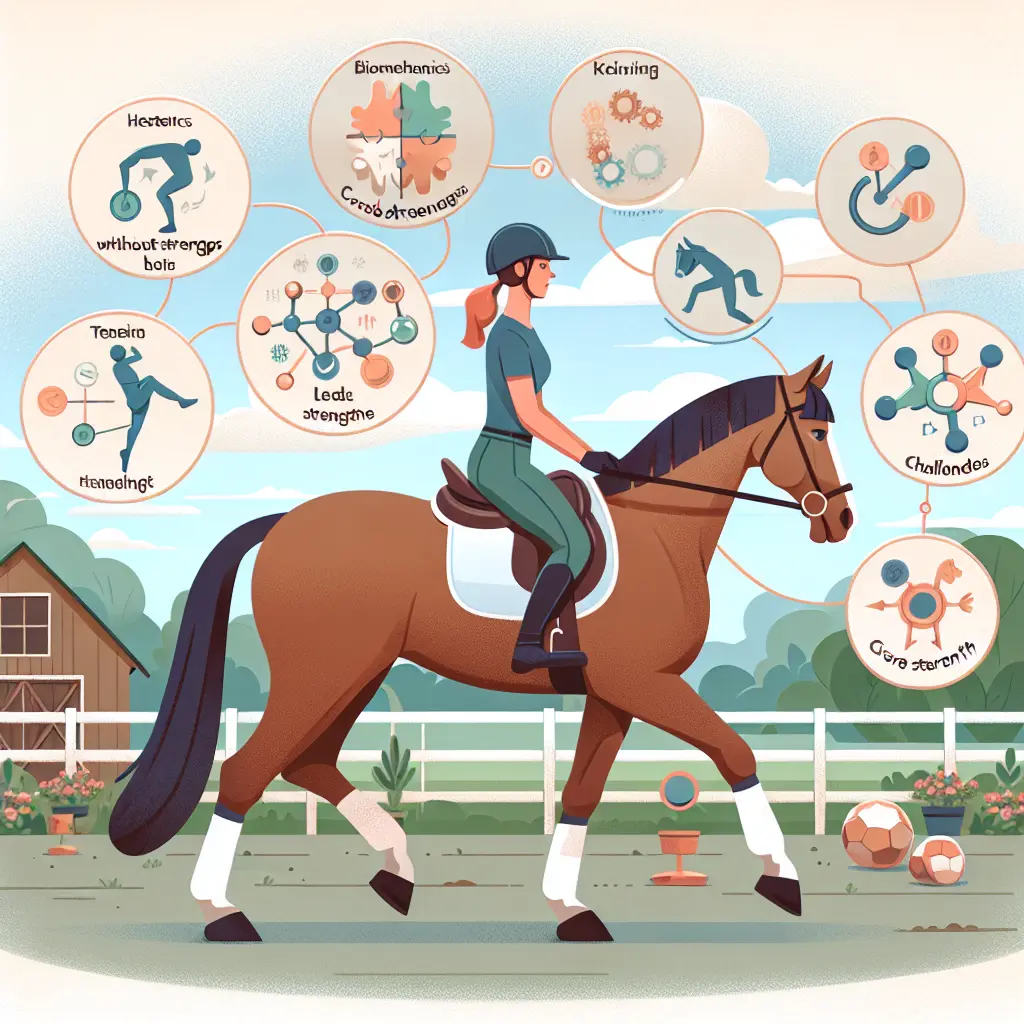 Exercises that enhance core engagement, like the rising trot without stirrups, help build the foundation needed to progress to no-stirrup canter and beyond.
Scientific and Expert Recommendations
Consistency is Key
Experts stress the importance of regular practice for maximizing the benefits of riding without stirrups, noting significant improvements in balance and muscular endurance over time.
Combine with Other Conditioning Exercises
Integrating other conditioning exercises, in and out of the saddle, can promote muscle development and reduce the risk of injury. For example, off-horse conditioning exercises such as Pilates and yoga can complement no-stirrup work.
Conclusion
Embracing no-stirrup exercises can substantially bolster a rider's physical capabilities and strengthen the rider-horse connection. With the right approach, equestrians can safely incorporate this practice into their training, reaping benefits that translate across various riding disciplines. For more resources on cultivating this skill, consider exploring educational platforms like Stargazey Equine Therapy, Dressage Today, and Pony Club Blog.