

There’s no denying that recent Novembers have been warmer than ever, shaking up not only weather records but also horse care routines. The truth is, as the climate changes, horse owners are faced with the challenge of adapting their care practices to ensure their horses remain healthy and comfortable. This article explores the impact of climate change on horse care, especially focusing on the unusual warmth of past Novembers.
The Science Behind Milder Novembers: Climate Change at Work
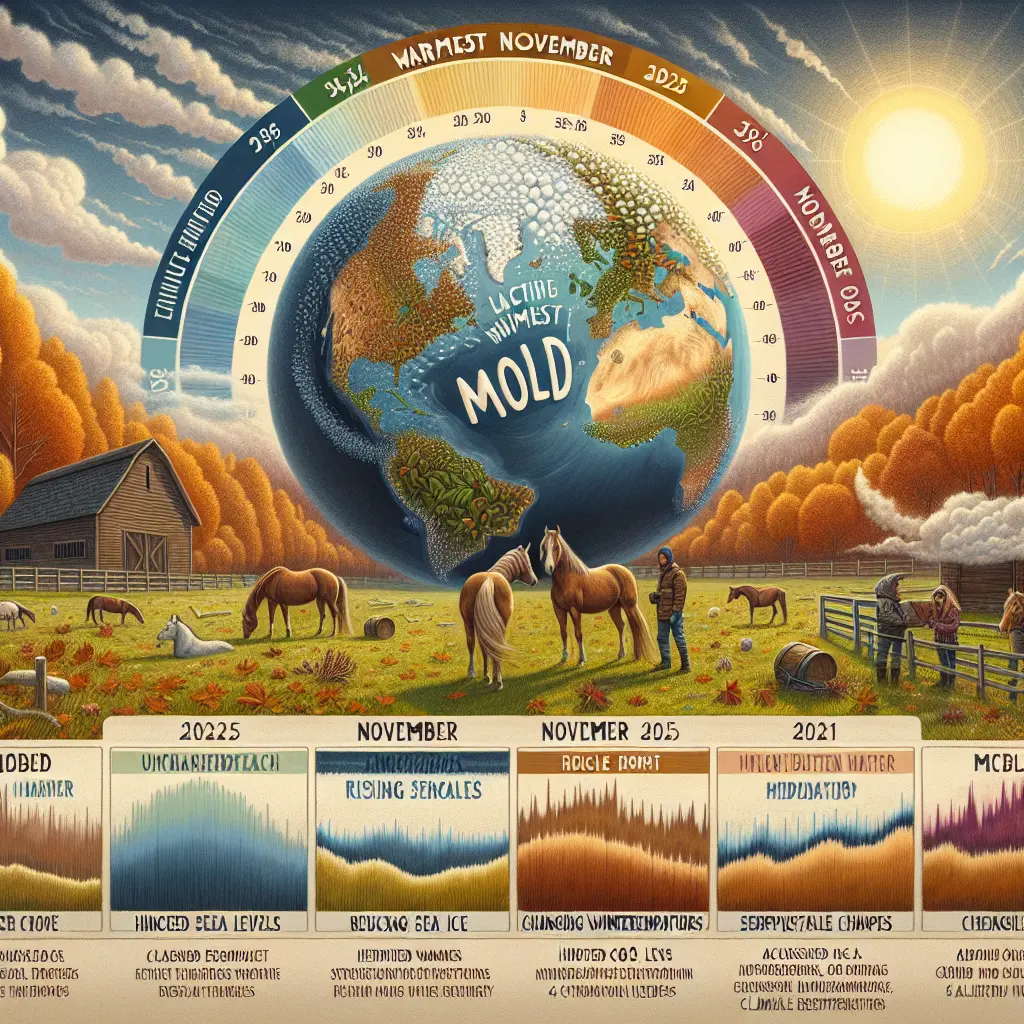
Human-induced climate change is making it harder to predict seasonal norms. November 2025, for instance, was the third-warmest November on record globally, with temperatures soaring 1.18°C above the average of the 20th century. This warmth was notable across the U.S., leading to the fourth-warmest November on record.
Why This Matters for Horses: Health Risks from Extended Mild Weather
Horses are heavily dependent on seasonal signals for natural processes like coat growth and metabolism changes. However, these milder Novembers disrupt these cues, which can pose several health risks to our equine friends. Let’s look at some specific concerns.
Delayed Winter Coat Growth
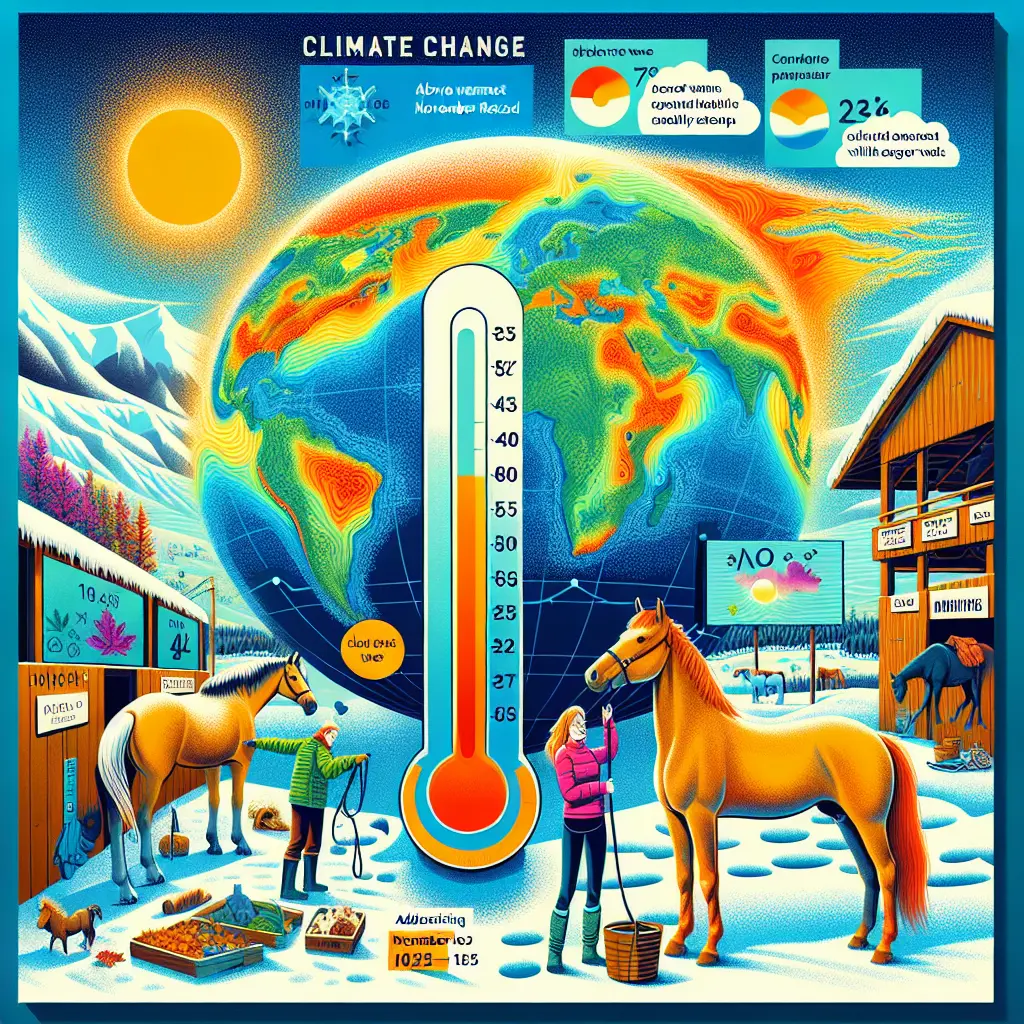
In order for horses to prepare for winter, they need to develop a thick coat. However, with the increasingly warmer weather, the trigger for coat growth is delayed. This can leave horses vulnerable to sudden temperature drops. To prevent issues, consider utilizing stable rugs and turnout rugs early in the season.
Pasture and Forage Challenges
Warmer weather leads to prolonged grass growth, but often results in reduced nutritional quality. Extended grazing periods might cause weight change or digestive issues like colic. Testing pasture quality and incorporating equine supplements can ensure your horse gets the nutrients it needs.
Increased Disease and Insect Pressure
With temperatures remaining high, insects like mosquitoes and ticks thrive longer, extending the window for diseases they carry, such as West Nile Virus. Implementing fly protection measures and maintaining vaccinations can reduce these risks.
Hoof and Joint Stress
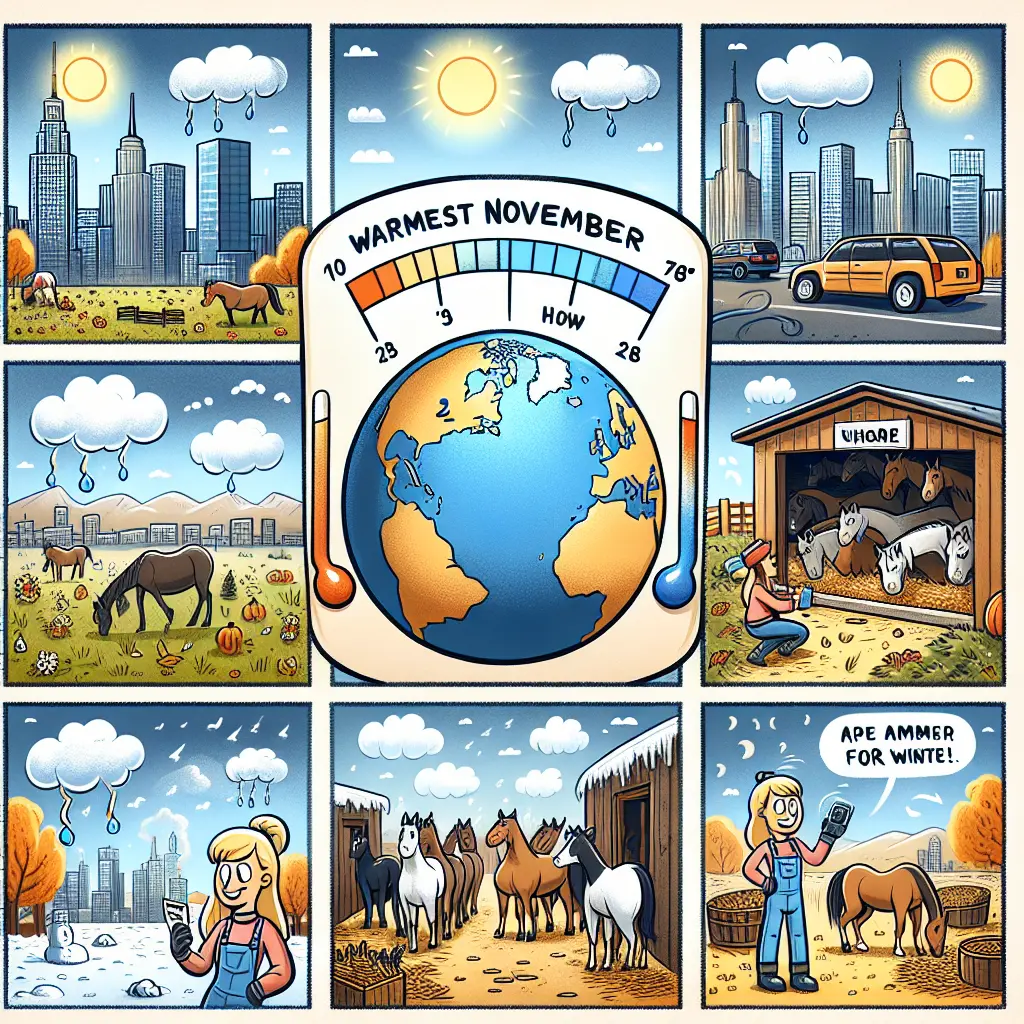
Alternating wet and dry conditions can cause hooves to crack and joints to ache. Staying vigilant with your horse’s hoof care by increasing turnout time and addressing any cracks promptly will help mitigate these issues.
Water and Hydration Shifts
Though mild air may feel comfortable, it can still lead to dehydration in horses, impacting their performance and health. Ensure there is constant access to clean, lukewarm water and consider mixing in electrolytes for horses working in warmer conditions.
Practical Horse Care Adjustments for a Warmer November
Adapting care practices can significantly safeguard horse health as temperatures rise. Here are some helpful adjustments:
Monitor Conditions Regularly
Use weather apps for anomaly alerts and track body condition scores regularly; reacting swiftly to changes is key. Sticking to a routine helps horses throughout seasonal swings.
Nutrition Adjustments
Ensure your horse is receiving adequate roughage as daylight shortens. Supplementing with fat can enhance coat and energy levels.
Exercise Regimen
Take advantage of the mild weather for outdoor rides, but begin incorporating arena work to transition into cooler conditions effectively.
Looking Ahead: What Warmer Winters Mean for Horse Owners
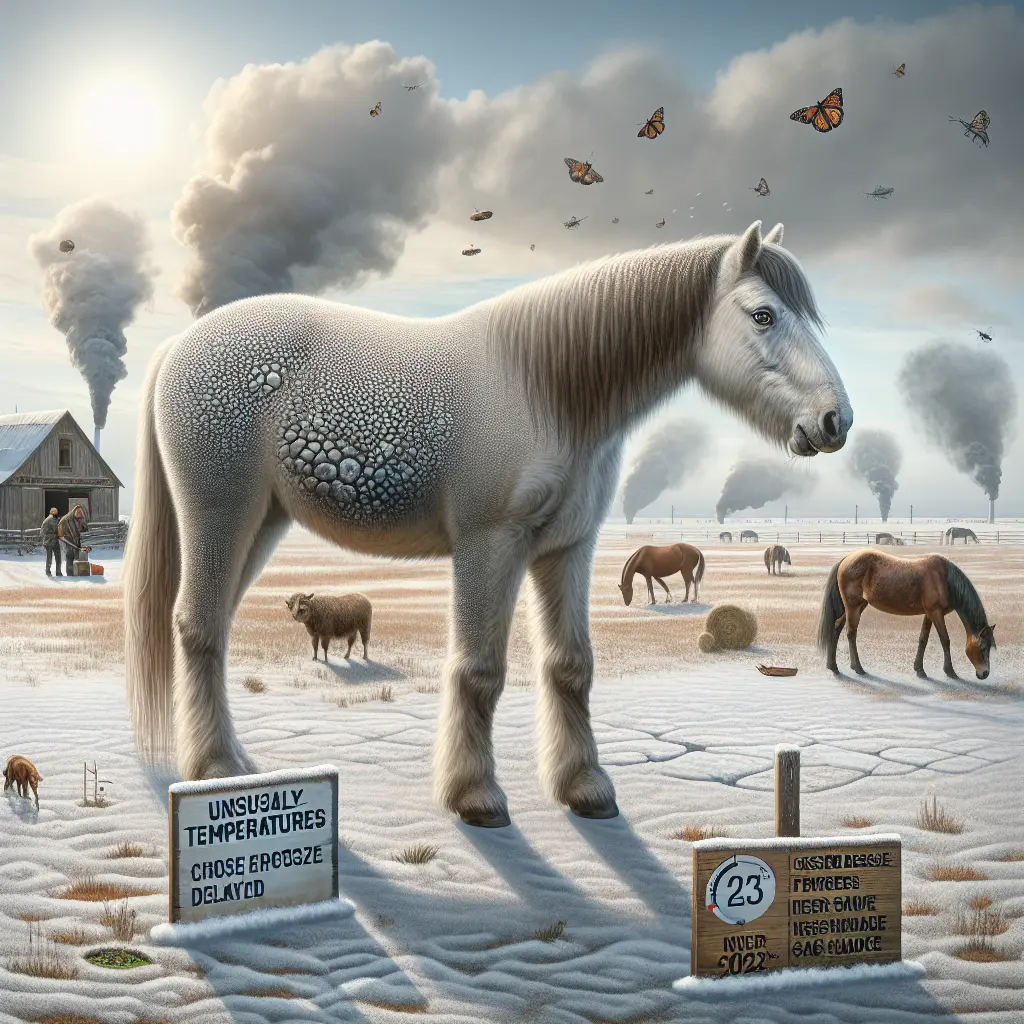
Current trends predict more mild Novembers ahead, due to ongoing CO2 emissions. As we face these changes, understanding climate impacts and adapting proactively can ensure a healthy future for your horse.
Engage with our diverse range of equestrian products like jodhpurs, riding boots, and everything else your equine companion needs to feel comfortable and perform well in varying weather conditions.
By staying informed and adapting care routines, horse owners can navigate these unusual weather patterns, ensuring their equine friends stay happy and healthy regardless of what the climate throws their way.