

What Are the Legal Consequences for Neglecting and Starving Horses?
Imagine coming across a field where horses stand emaciated, bones jutting like mournful sculptures, under the uncaring sun. As tragic as it is, horse neglect and starvation are alarming issues that carry severe legal consequences across the United States. Understanding the legal frameworks that support equine welfare is crucial for any horse owner or caretaker. From hefty fines and prison sentences to animal forfeiture, the penalties are designed to hold individuals accountable and deter future mistreatment. This comprehensive guide will walk you through the ramifications and real-world cases that demonstrate these laws in action.
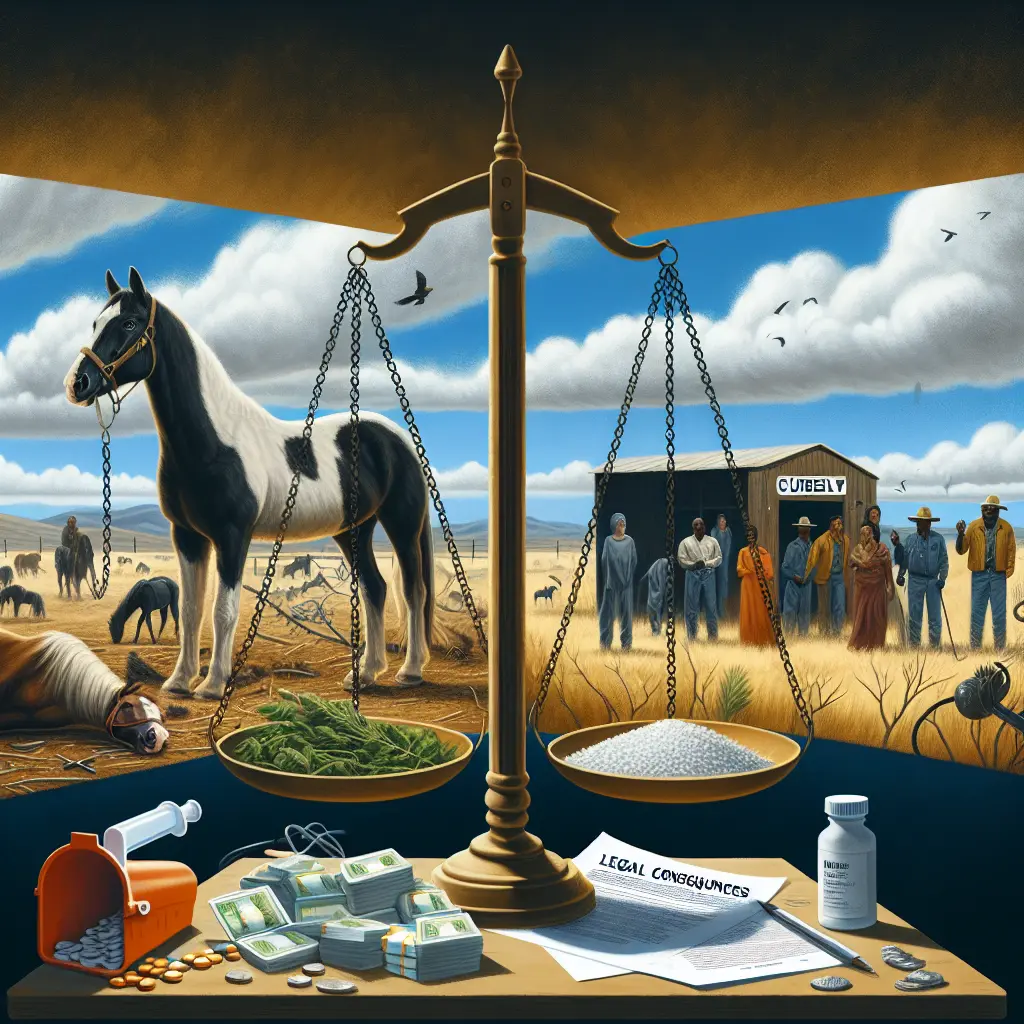
Understanding Horse Neglect and Starvation Laws
Horse neglect is a criminal offense in all 50 states, with varied penalties depending on jurisdiction. Neglect generally involves the failure to provide essential food, water, shelter, or veterinary care to a horse under one’s ownership or custody. For instance, Texas law states that a person commits an offense if they fail unreasonably to provide necessary food, water, or care for a livestock animal. This "unreasonable" deprivation of care means that even minimal provision falling below essential nourishment can lead to criminal charges.
Examples of State Laws
Texas and New York serve as examples where specific laws articulate the standard for animal care. In New York, aggravated animal cruelty is a felony under Section 353-a of the Agriculture & Markets Law. Learn more about protective gear for horse riders with our Jodhpur Collection.
Criminal Penalties for Horse Neglect
Prison Sentences
The consequences for horse neglect often include potential prison time alongside rigid financial penalties. For instance, under Texas law, a first-time offense might result in 30 days to two years in jail, while a second offense increases the likelihood of prison time up to five years.
Fines and Financial Penalties
Financial penalties are designed to be prohibitive. In Texas, convicted individuals can pay fines up to $1,000, excluding additional charges in severe cases. The infamous Montgomery County case in Texas saw the owners facing over $122,000 in financial costs for neglecting 207 horses, highlighting the intensive financial and emotional burdens these legal proceedings can generate.
Forfeiture of Animals
A conviction for neglect risks more than just freedom or finances. Courts can order the permanent forfeiture of animals found in a state of neglect, severely impacting individuals’ ability to ever reclaim ownership. This penalty reinforces accountability in large-scale neglect instances, forcing owners to recognize the gravity of their actions.
Real-World Cases: The Legal System in Action
The Montgomery County Seizure
One dramatic instance involved the seizure of over 200 horses in Montgomery County, Texas. Convicted for cruel treatment, the owners had to bear the costs of care incurred by the Houston SPCA, demonstrating that large-scale neglect faces aggressive prosecution and significant liability.
The Verona Stable Case
This headline-grabbing case saw a stable owner plead guilty to aggravated animal cruelty, serving as a strong reminder of the legal system's commitment to ensuring animal welfare and oversight at private facilities. The charges underscored the substantial legal ramifications for failing to uphold basic care standards.

Center Brook Farm: 177 Horses
The case at Center Brook Farm illustrates the importance of prompt intervention; years after initial reports, 177 horses were found in distress based on news alerts regarding neglected horses being shipped for slaughter. Due to delayed action, many animals were unfortunately beyond help, further emphasizing the need for timely measures. For high-quality horse boots, check out our Horse Riding Boot Collection.
California Equine Retirement Foundation Settlement
Even organizations with a mission to save horses can fall short. The California Equine Retirement Foundation faced lawsuits after managing properties poorly, leading to the removal of 44 horses to uphold welfare standards. Legal actions like these ensure rescue entities remain accountable under animal protection laws.
Civil Seizure and Emergency Removal of Animals
How Seizure Works
Beyond criminal charges, authorities can undertake civil seizures of horses already under duress. This process often operates swiftly to save animals before trials conclude. Upon probable cause of cruelty, search warrants authorize these actions, preventing further suffering within owner facilities.
Bonding Requirements
After seizure, those charged might have to post bonds covering the cost of care while criminal proceedings unfold. Failing to post this bond heightens the chance of permanent animal forfeiture. The financial barrier, as seen in the Montgomery case, limits many from reclaiming their equines. Learn more about equine protection with our Horse Fly Protection gear.
Federal Protections: The Horse Protection Act
Federal support for equine welfare further underscores this commitment through the Horse Protection Act, ensuring oversight on a national level. Administered by APHIS, this act imposes civil penalties up to $2,000 per violation and could disqualify offenders from owning or handling horses henceforth.
Why Enforcement Matters
The enforcement of equine protection laws is vital because horses themselves cannot advocate for their rights. Prosecutors, law enforcement, and vigilant citizens collectively shoulder responsibility to curb such abuses. As one legal expert noted, persistent and caring officials, coupled with civilians ready to report mistreatment, are essential to ensuring justice.
Key Takeaways for Horse Owners
If you are a horse caretaker, staying cognizant of the legal landscape is crucial. Ensure adequate food, water, and shelter are consistently available, and always manage necessary veterinary care attentively. Additionally, maintaining comprehensible records of care can offer protection should your practices ever be examined.
Strong community awareness and intervention signal wrongful behavior, which could prevent worse consequences later. Users need commitment to providing horses with owed humanitarian rights.
Conclusion
The punishments for neglect and starvation can be severe, reflecting the societal emphasis on protecting livestock and maintaining ethical standards of care. For those managing stables or private facilities, the need to abide by these standards is paramount, ensuring readiness and proficiency in equine care.\n By understanding these legal duties, horse owners preserve the safety of their animals as well as protect themselves from substantial legal and financial repercussions.
Visit Just Horse Riders for more information on equine apparel and products supporting a healthy and comfortable life for your horses.