

Is Long-Term Use of Bute Ethical for Retired Horses with Lameness?
When a beloved retired horse develops lameness, deciding on pain management options like Bute involves weighing ethical concerns and potential medical risks. This article explores the clinical nuances, ethical dilemmas, and possible alternatives to using Bute for managing chronic lameness in retired horses. Let's jump in!
Understanding Bute and Its Mechanism
What is Bute?
Bute is a well-known non-steroidal anti-inflammatory drug (NSAID) in equine medicine. It works by blocking the COX-2 pathway, reducing inflammation and pain. It's an effective solution for inflammation-induced pain scenarios.

The Recommended Dosage
The official recommendation is two to four grams daily for a 1,000-pound horse. Use should initially be intravenous for up to five days, followed by oral administration.
The Safety Concerns Associated with Long-Term Bute Use
Short-Term vs. Long-Term Administration
For short-term injuries, Bute is safe for up to 14 days. For chronic issues, like retired horses' lameness, it poses greater risks and requires careful consideration.
Gastrointestinal Complications
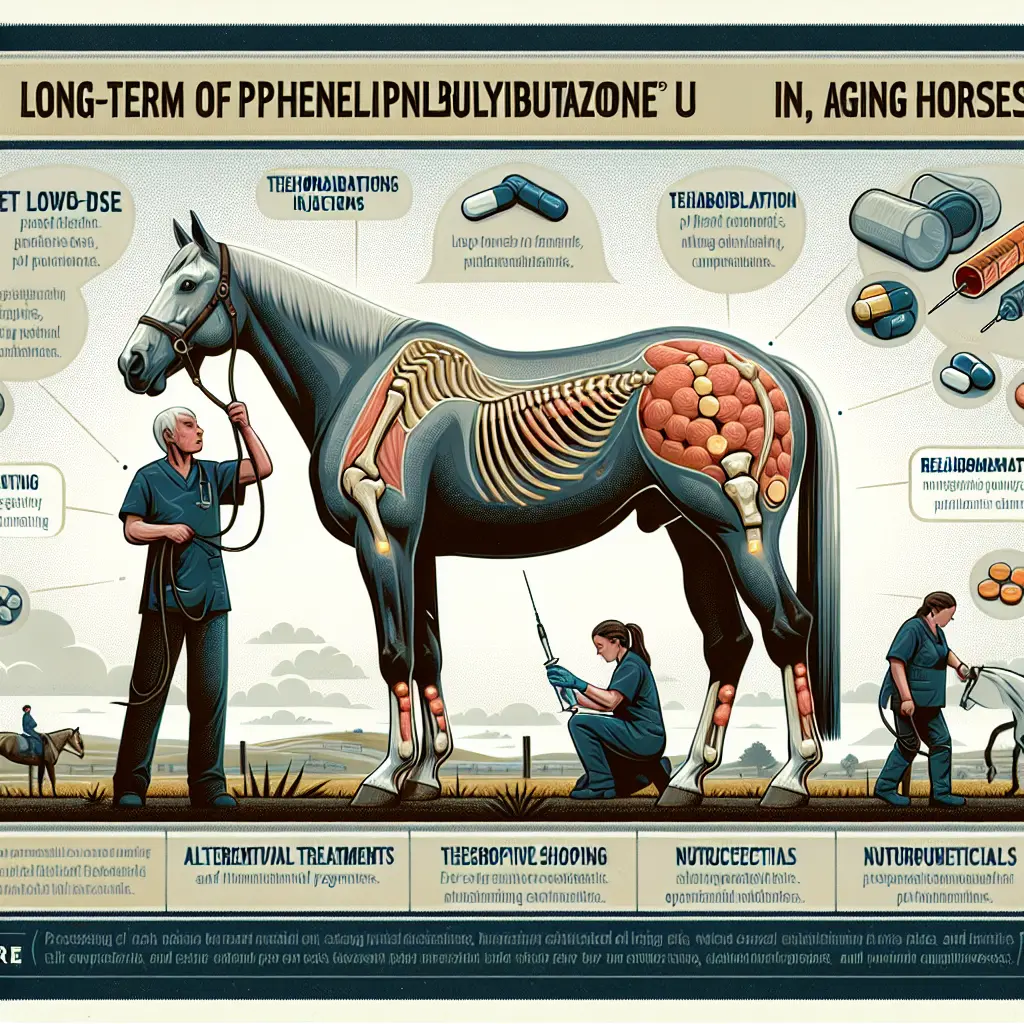
Long-term Bute use can damage the gastrointestinal tract due to its non-selective COX inhibition. Risks include gastric ulcers and right dorsal colitis (source).
Kidney and Hepatic Effects
Bute can impair kidney function, especially in dehydrated horses, raising concerns for horses with existing liver or kidney ailments (source).
Ethical Weighing of Quality of Life vs. Medical Risk
Individual Assessment
Each horse is unique. A customized approach to Bute treatment involves thorough exams and blood work, providing a blueprint for ethical care.
Chronic Low-Dose Administration
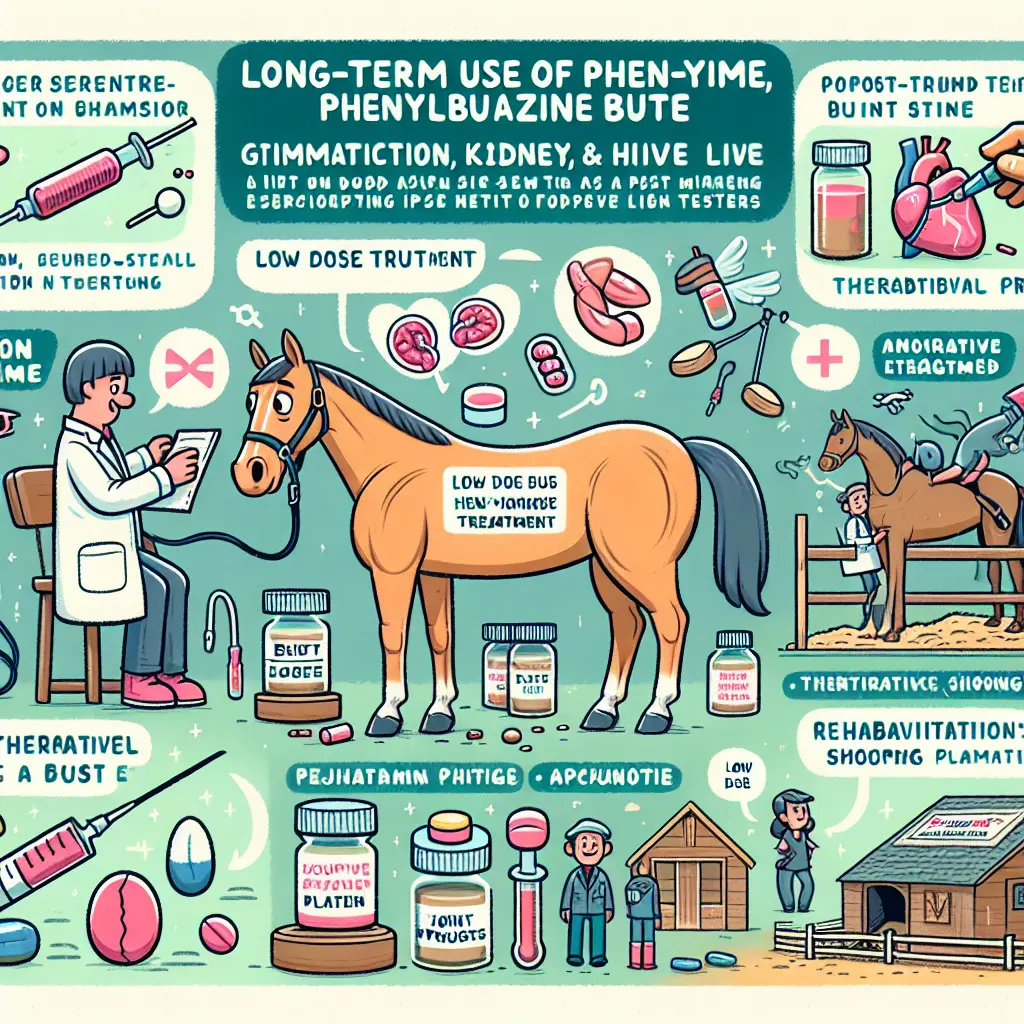
Surprising? Research shows low doses over time are safer than high-dose treatments. Many cases benefit from merely two grams daily.
Importance of Regular Monitoring
Long-term Bute therapies should include periodic blood tests to ensure kidney and liver health, ensuring responsible drug management (source).
Clear Clinical Indications
Only under veterinary supervision and for specific clinical needs should Bute be used. Everyday dosing without apparent health challenges could be unethical.
Problems with Daily Administration
Systemic Accumulation
Bute builds up in the bloodstream, increasing in toxicity risk. Even young horses experience heightened sensitivity, challenging a simplistic "daily dose" approach.
The All or Nothing Fallacy
Envision a middle ground: Rather than defaulting to daily Bute or enduring pain, explore a comprehensive treatment plan including non-drug methods.
Exploring Safer Alternatives
Newer NSAID Options
Veterinary medicine offers newer NSAIDs with different safety profiles. It could be worth discussing with your vet for long-term management plans.
Non-NSAID Pain Management
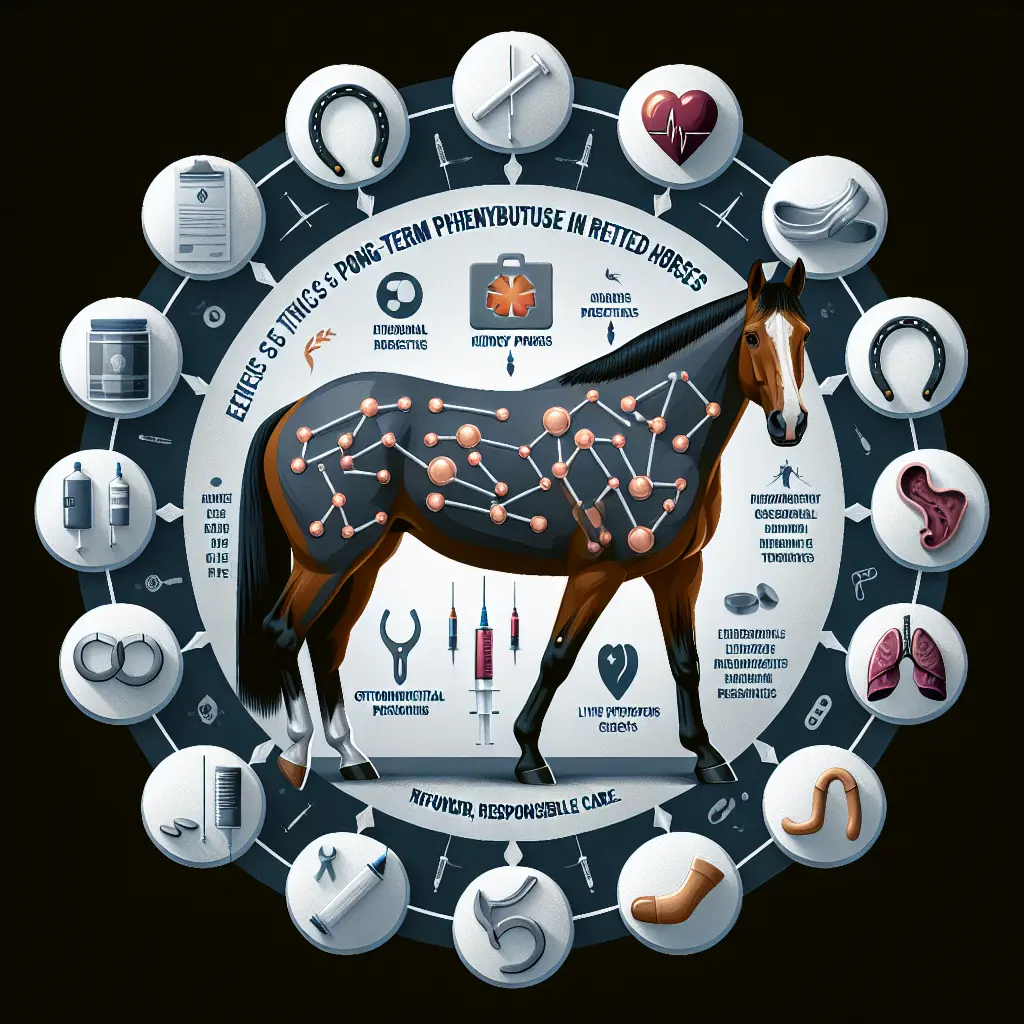
- Joint injections with substances like hyaluronic acid
- Therapeutic farrier work and hoof care
- Physical rehabilitation programs
- Nutraceuticals such as omega-3 and joint supplements
- Complementary therapies like acupuncture
Combination Approaches
Consider multimodal approaches: Intermittent Bute, combined with joint care techniques, custom farrier work, and nutraceutical supplements.
Practical Guidelines for Ethical Long-Term Use
Before Starting Bute
Perform baseline evaluations like blood tests to verify liver and kidney health, ensuring safety and ethical use.
During Treatment
Adopt the minimum effective dose, ensure consistent hydration, and monitor the horse for any adverse signs.
Ongoing Assessment
Regular reassessment is key: Continuously evaluate the necessity of Bute and explore dose reductions where impactful.
The Practical Reality: Balancing Risks with Benefits
Long-term Bute use in retired horses with chronic lameness demands a thoughtful approach, balancing potential risks with meaningful quality of life improvements. Ethical use considers baseline health, monitored dosing, and exploring complementary therapies.
Conclusion: Navigating the Ethical Landscape
The question of ethical long-term Bute use ultimately depends on a nuanced understanding of each horse's unique needs. Thoughtful application and vigilant oversight can maximize both ethical treatment and the horse’s welfare, ensuring your beloved companion enjoys its years in stride. For a wide selection of [Jodhpurs](https://www.justhorseriders.co.uk/collections/horse-riding-jodhpurs-breeches-tights), [Boots](https://www.justhorseriders.co.uk/collections/boots), and other delightful [Horse Treats](https://www.justhorseriders.co.uk/collections/gifts), visit the Just Horse Riders homepage.