

Exploring the Surging Costs of Horse Ownership in Today's Market
Owning a horse has always been a cherished dream for equestrians and enthusiasts. However, as we move into 2025, the financial reality of horse ownership has become challenging. This blog delves into the multifaceted costs, from the initial purchase to ongoing care, allowing prospective and current owners to make informed decisions.
The Initial Investment: What It Really Takes to Get Started
Many prospective horse owners focus only on the purchase price of the horse, which is just the tip of the financial iceberg. Let's explore the real initial investment needed.
The Horse Purchase Price
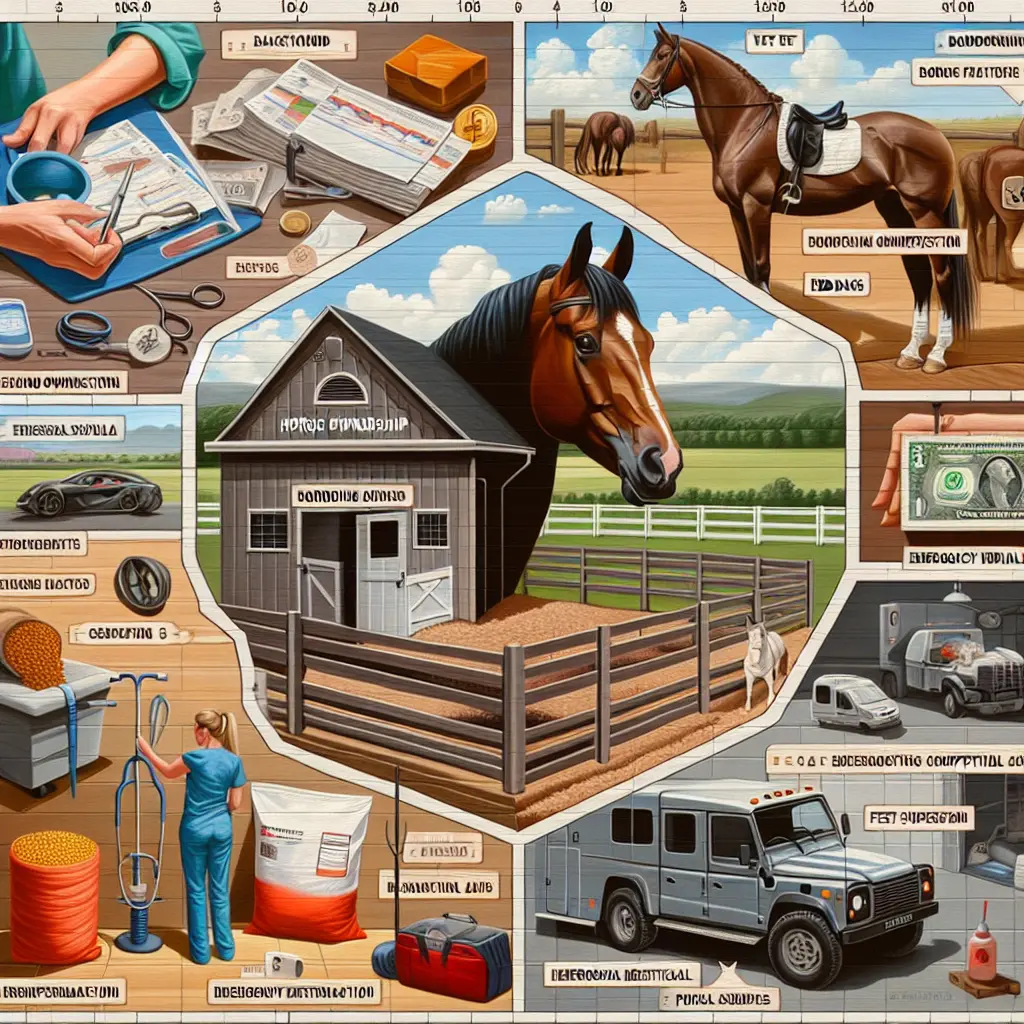
The cost is generally influenced by the horse's age, breed, and training. While a beginner horse costs between $3,000 to $5,000, a seasoned competitor might run you up to $20,000 or more. [8]
Essential One-Time Setup Costs
In addition to buying the horse, new owners should prepare for one-time expenses such as veterinary checks, tacking equipment, and transportation. These essentials can tally between $1,000 and $5,000. For a breakdown of gear prices, explore our Jodhpur Collection.
Pre-buy Veterinary Examination
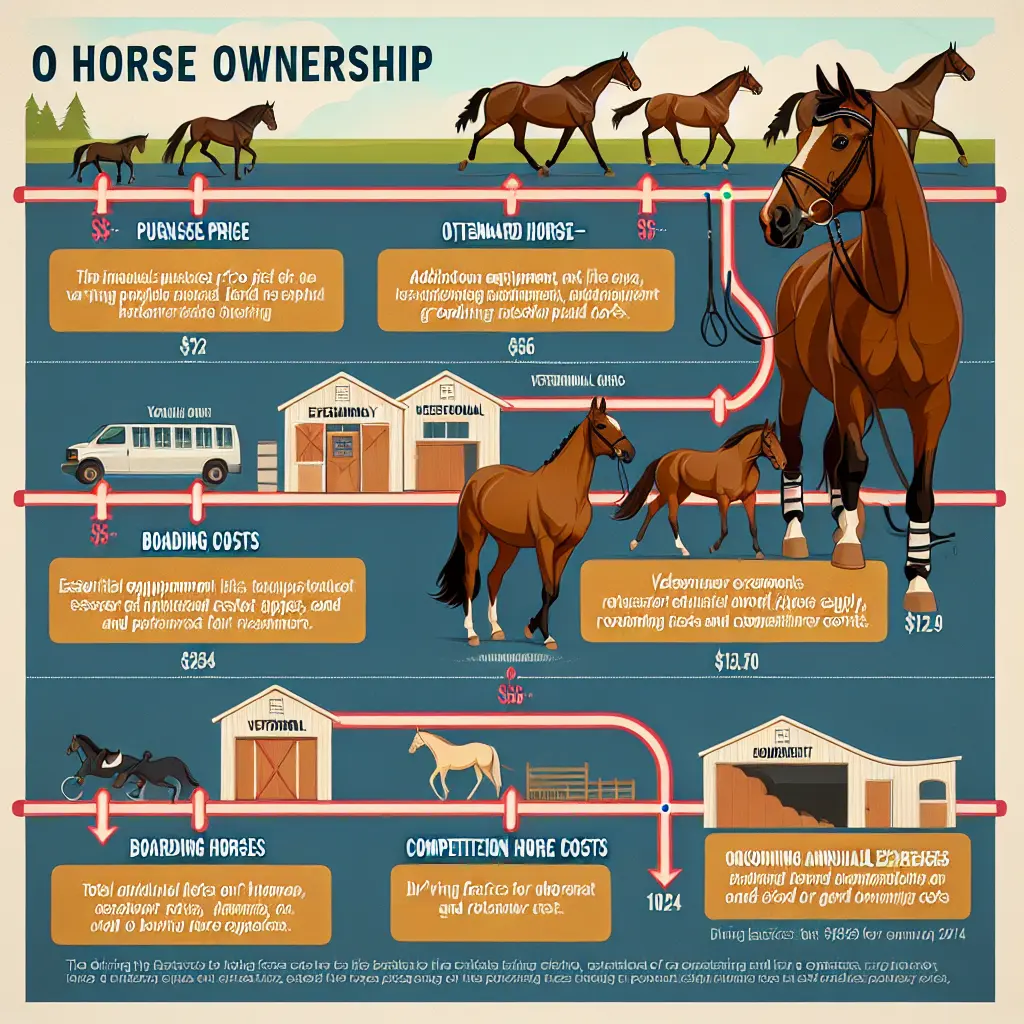
These crucial exams cost between $250 and $500, a small price to ensure your equine partner's health. Oftentimes, these exams can highlight potential health issues, potentially impacting future care costs.
Tack and Equipment
The initial outlay on tack—such as saddles and bridles—can range from $500 to $2,000. Variations depend on the riding style, too. For example, English and Western saddles differ in price and design. Why not explore our Horse Riding Boot Collection?
Transportation and Infrastructure Costs
Bringing your horse home may set you back $100 to $1,000 based on distance and logistics. Additionally, infrastructure costs for those opting to set up their own facilities can be hefty.
Understanding Annual Ownership Costs: The Real Financial Burden
The annual costs of horse ownership far exceed the initial investment, encompassing everything from feed to veterinary care, depending on your circumstances.
Breaking Down the Major Expense Categories
These primary expenses include boarding, feeding, and veterinary care. Every horse owner must allot a budget for these areas.
Boarding and Housing Costs
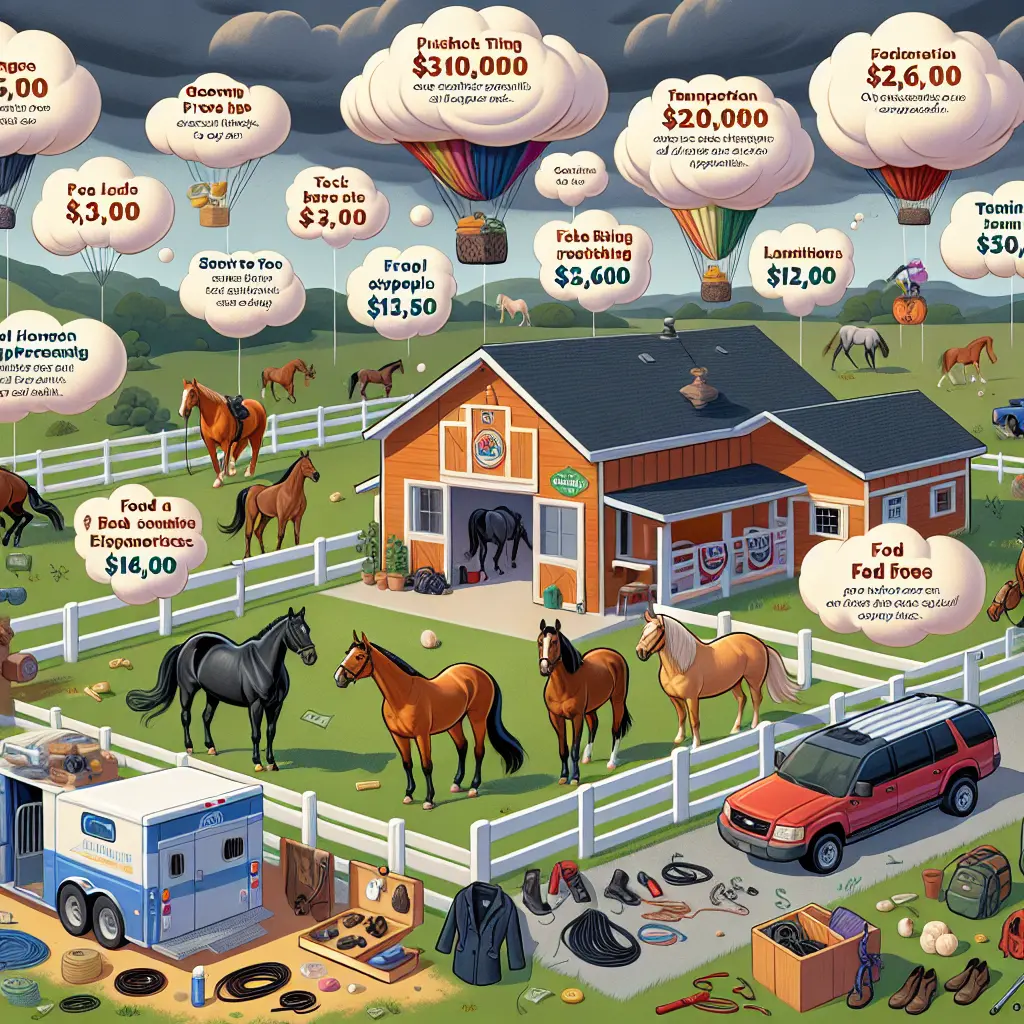
Boarding is often the largest ongoing expense, varying by boarding type and location. Rates can range from pasture board at $100 per month to full-service board reaching $750 monthly. This means an annual expenditure of $1,200 to $9,000. [8]
Feed and Nutrition Expenses
Expenses on feed range between $1,200 and $2,500 annually. A horse's size and diet specificity significantly influence this cost. Consider premium feed options from our Horse Treats And Gifts collection.
Veterinary Care and Hoof Maintenance
Basic veterinary care costs between $200 and $500 annually, while emergencies can skyrocket into thousands. Hoof care is integral too, with regular farrier visits costing $120 to $1,200 annually. [8]
Total Annual Cost Ranges: What Different Ownership Situations Cost
Annual expenses are contingent on whether you're housing your horse at home or in a facility. Here's a closer snapshot:
Backyard and Pastured Horses
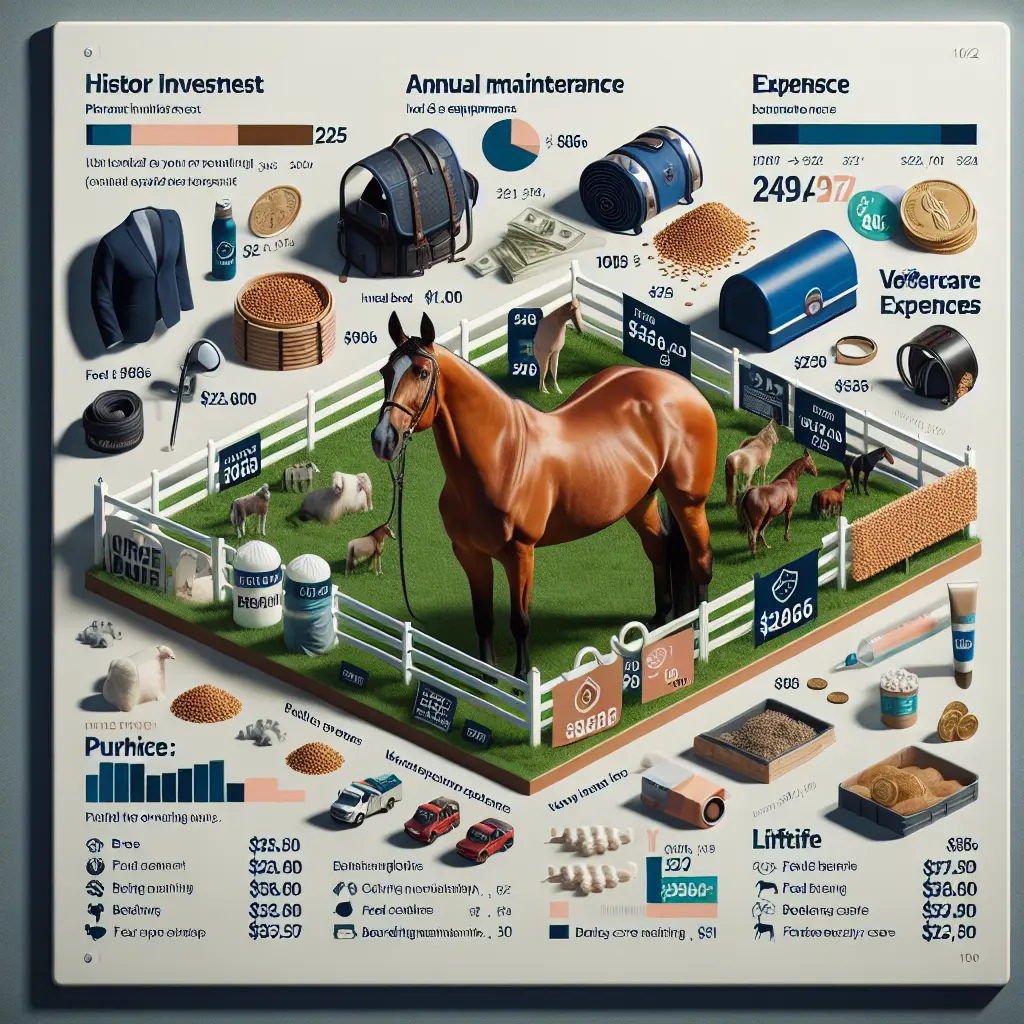
Those keeping horses at home should anticipate annual costs of $11,538, resulting in a lifetime commitment of around $289,000.
Recreational Owners
Recreational riders usually spend approximately $16,460 yearly, with lifetime costs pushing north of $412,000. Be sure to check out our Horse Riding Gloves Collection for quality gear.
Competition and Sport Horses
Competing seriously can set owners back about $36,851 annually, with a lifetime price tag of around $924,270. For high-end gear, our Stable Rugs are a must-see.
General Annual Cost Framework
Annual equine costs generally range from $3,000 to $20,000 based on care levels and competitive participation. The average sits around $6,719 annually. [8]
The Lifetime Financial Commitment
A horse's lifespan typically spans 25 years, presenting a substantial lifetime investment. The costs not only include routine expenses but also unforeseen emergencies and retirement care. By understanding these aspects, prospective owners can better align their financial planning.
Why Costs Continue to Surge
Factors like feed price inflation, increased veterinary costs, and facility rates all contribute to rising costs in the equine world. More than half of equine industry professionals pinpoint horsekeeping expenses as a leading concern. [8]
Making an Informed Decision
If you're considering horse ownership, thorough research and realistic budgeting are crucial. Questions such as, "Do you have space?" or "Do you plan to compete?" are vital and dictate your total costs. Explore our Horse Fly Protection products as part of your research.
Conclusion
Horse ownership is an enriching journey and can be incredibly rewarding if approached with financial preparedness. By accounting for possible expenses from $3,000 for basic care to over $36,000 for competitive realms, one can ensure a harmonious love affair with their equine companions.