

Mastering Overnight Hay Portions for Miniature Horses
Managing hay portions properly for miniature horses overnight is as essential as finding that perfect pair of jodhpurs. With careful balance, you ensure your equine friend remains happy, healthy, and free of digestive issues.
The Importance of Proper Feeding
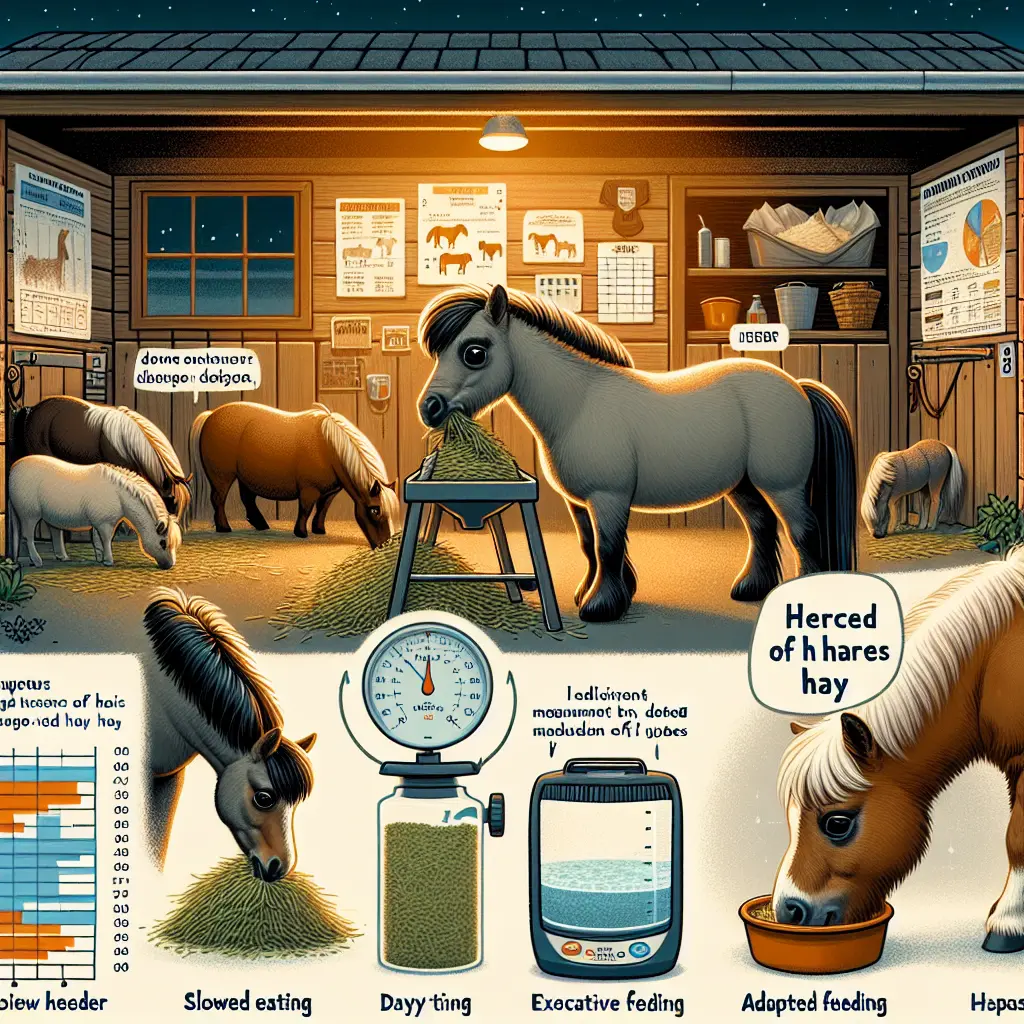
Just like humans, miniature horses benefit from a diet that suits their size and lifestyle. They typically require about 1.5% to 2.5% of their body weight in forage daily. Splitting this into frequent meals keeps their gut health in check and reduces risks like colic. According to Mad Barn's feeding guide, a miniature horse weighing 150 kg (about 330 lbs) would need around 3 kg (6.6 lbs) of hay per day.
Balancing Day and Night
Adjusting hay portions for overnight feeding requires knowing how much daytime grazing occurs. Typically, overnight leads to the need for around 10 to 12 hours of hay provision, ensuring they don't go more than 4 hours without eating.
Mimicking Natural Grazing
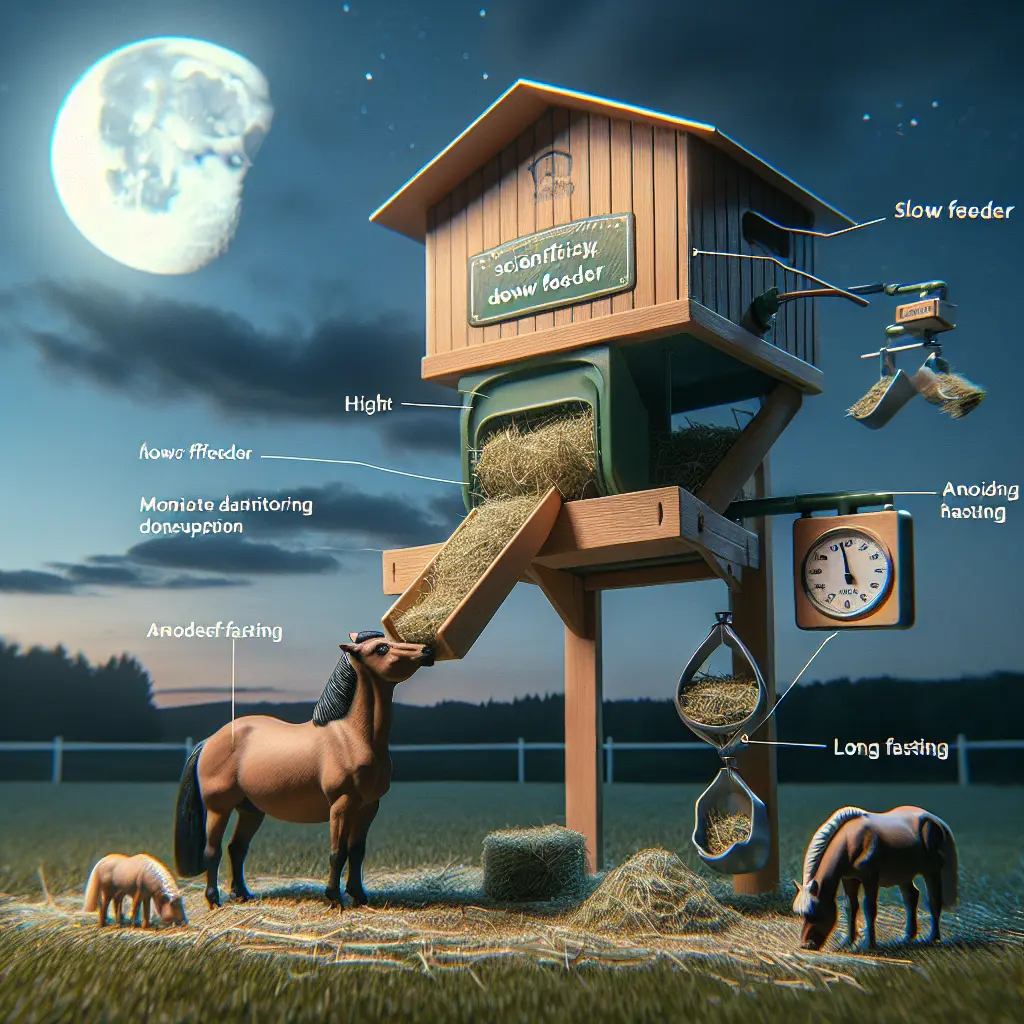
Horses are adapted to grazing up to 18 hours daily. To mimic this, offering hay in small, frequent feedings or using slow feeders, like hay nets, extends feeding time overnight. This helps in reducing boredom and digestive issues.
Tools of the Trade: Slow Feeders
Miniature horses can be little piggies when it comes to hay! They tend to wolf down food quickly, especially when stabled overnight. Using slow feeders or hay nets can regulate their intake, ensuring it doesn't resemble a scene from a pie-eating contest.
Considering Grazing Patterns
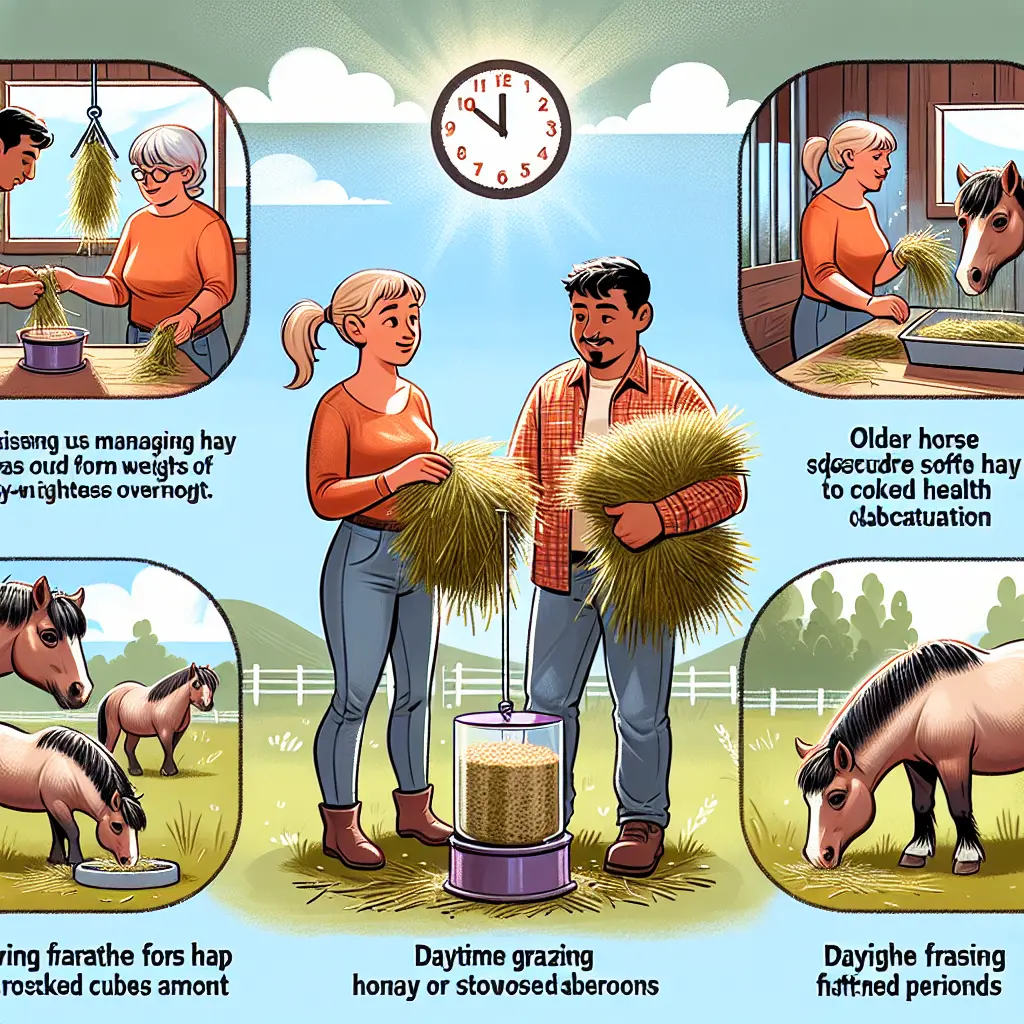
If your miniature horse has daytime access to pasture, you might need less hay overnight. Conversely, if they're stabled in a dry lot, you'll need to provide a full complement of hay during those precious nod-off hours.
Dental Health and Hay Type
Older horses or those with dental concerns might require softer, less fibrous hay. In such cases, alternate forage forms like soaked hay cubes or pellets can prevent choking and promote safe chewing.
Adjusting Based on Consumption
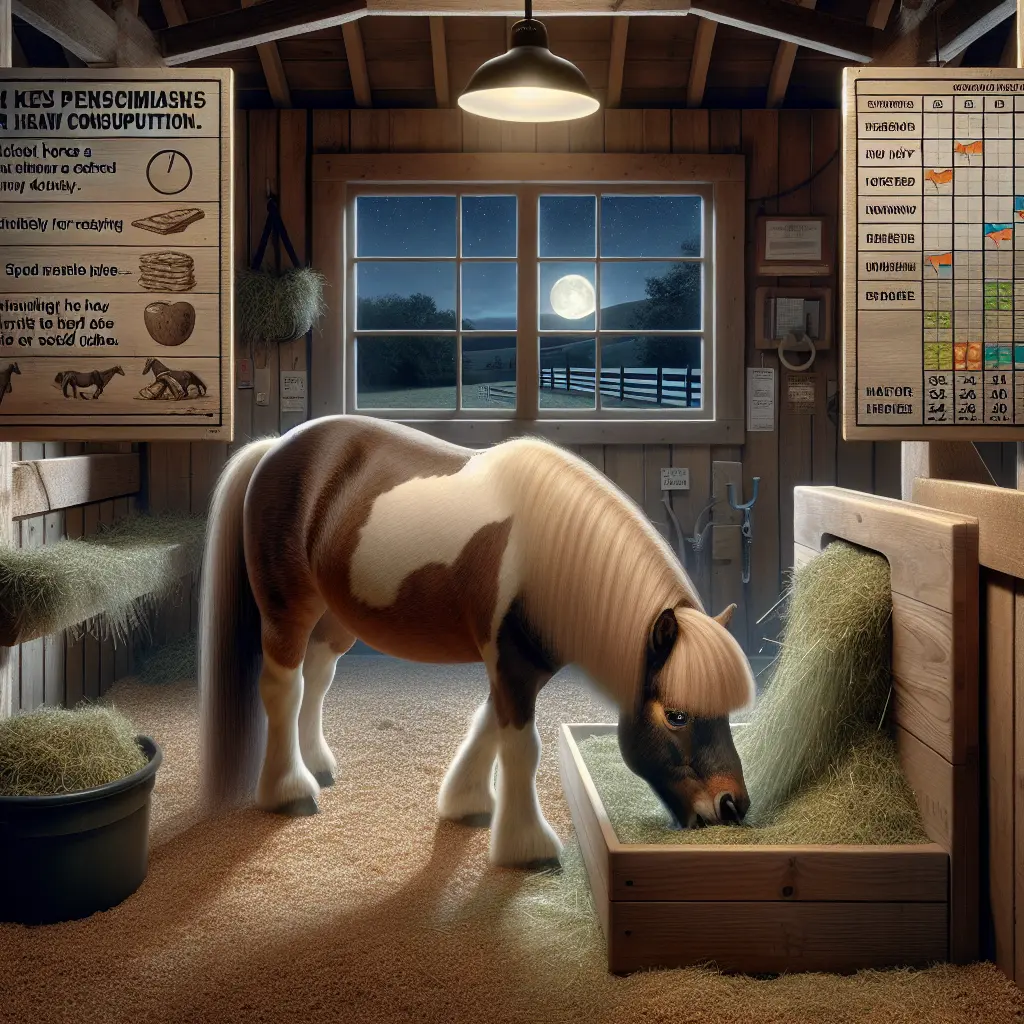
Being the attentive horse owner you are, track how much your miniature equine is actually consuming. Some report horses devouring 6 to 9 kg of hay overnight, but anything more could cause health issues and an unwanted increase in waistline!
Continuous Feeding for Digestive Health
One of the biggest no-no's is letting your horse go more than four hours without forage. Ensure that overnight feedings provide continuous access or “nibbling” opportunities for optimal health.
Case Study and Real-Life Example
Let's consider Daisy, the spirited miniature horse. Her owner, after reading insights from Miniature Horse Talk, started incorporating slow feeders. The result? Daisy now gracefully savors her hay overnight, munching slowly and preventing morning-time growls.
Conclusion: A Perfect Balance
Providing balanced hay portions overnight is crucial for maintaining your horse’s health and happiness. Just like you wouldn't settle for less than perfect riding gloves, settle for nothing less than optimal feeding.
Final Thoughts and Recommendations
Remember, each horse is unique! Be sure to adjust hay portions based on their specific needs and conditions, much like how you’d choose the perfect riding boots to match your style and comfort level. Happy feeding and riding from all of us at Just Horse Riders!
For further exploration of how to keep your equines at their best, explore our collection of supplements to complement their diet perfectly.