

How to Transition Horses Between Overnight Grazing and Stabling
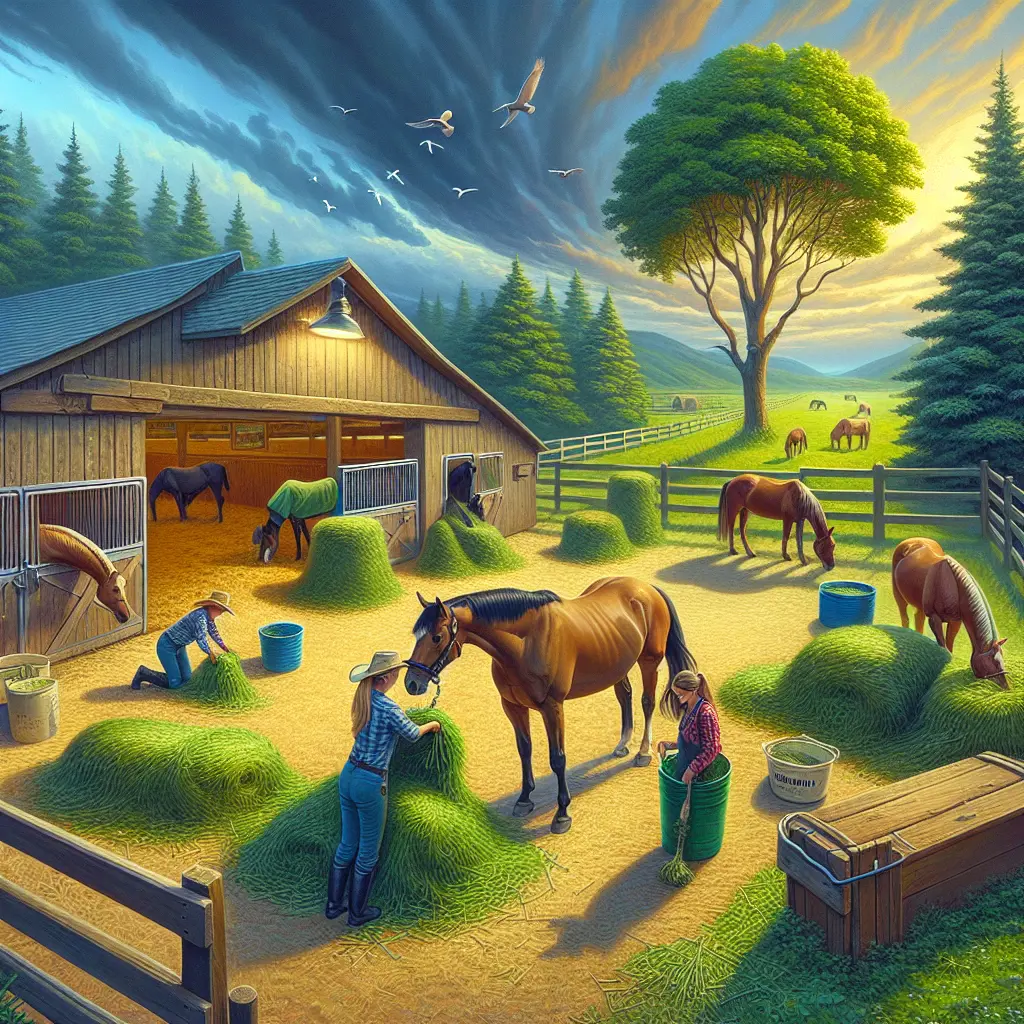
As the seasons change, many horse owners face the challenge of transitioning their horses between overnight grazing and stabling. Whether you’re moving your horse from pasture to stable in autumn or from stable to pasture in spring, a thoughtful, gradual approach is essential for your horse’s physical health, mental well-being, and overall comfort.
Why Transitioning Matters
Horses are creatures of habit, and sudden changes to their routine can cause stress, digestive upset, and even behavioral issues. According to World Horse Welfare, a gradual transition helps minimize the risk of stress and supports both physical and mental health during these seasonal changes.
When moving from pasture to stable, horses may experience restricted movement, limited access to forage, and reduced social interaction. Conversely, moving from stable to pasture can lead to digestive upset from a sudden change in diet, overexcitement or overgrazing, and an increased risk of laminitis, especially in spring. A slow, monitored transition helps your horse adapt to these changes safely and comfortably.
Transitioning from Overnight Grazing to Stabling
Step 1: Start Gradually
When transitioning from overnight grazing to stabling, begin by increasing the amount of time your horse spends in the stable each night. World Horse Welfare recommends starting with just 10 extra minutes per day for the first few weeks, then gradually increasing the time as your horse adjusts. Monitor your horse’s body language for signs of stress, such as pacing, weaving, or refusal to eat.
Step 2: Maintain Social Contact
Horses are social animals, and being separated from their herd can be stressful. If possible, stable your horse near other horses or allow them to see and interact with their companions. This can help reduce anxiety and make the transition smoother.
Step 3: Provide Adequate Forage
When stabling, ensure your horse has access to plenty of forage, such as hay or haylage. This helps mimic natural grazing behavior and supports digestive health. According to Penn State Extension, horses should have access to forage at all times to prevent digestive issues.
Transitioning from Stabling to Overnight Grazing
Step 1: Assess Pasture Readiness
Before turning your horse out for overnight grazing, make sure the pasture is ready. The grass should be at least 6 inches (15 cm) tall to prevent overgrazing and ensure your horse has enough to eat (Tribute Equine Nutrition).
Step 2: Begin with Short Grazing Periods
Start by allowing your horse to graze for short periods each day, gradually increasing the time. Tribute Equine Nutrition suggests beginning with 15 minutes of grazing for the first few days, then increasing by 15 minutes each day until your horse can graze for several hours.
Step 3: Monitor for Digestive Upset
Watch for signs of digestive upset, such as loose manure or hoof sensitivity. If you notice any issues, slow down the transition or consult your veterinarian. Most horses should be able to graze for 3-4 hours daily after a couple of weeks, but sensitive horses may need more time (Penn State Extension).
Step 4: Supplement with Hay
During the transition, continue to provide hay or haylage to ensure your horse gets enough fiber. This is especially important if the pasture is not yet fully established or if your horse is prone to digestive issues (Tribute Equine Nutrition).
Key Tips for a Smooth Transition
- Monitor Your Horse’s Behavior: Pay attention to changes in appetite, behavior, and manure. These can be early signs of stress or digestive upset.
- Adjust Based on Individual Needs: Every horse is different. Some may adapt quickly, while others need more time. Tailor the transition to your horse’s specific needs.
- Maintain a Consistent Routine: Try to keep feeding and turnout times as consistent as possible to minimize stress.
- Provide Adequate Forage: Whether stabled or grazing, ensure your horse has access to plenty of forage to support digestive health.
Expert Advice and Further Reading
For more detailed guidance on transitioning horses between overnight grazing and stabling, refer to the following authoritative sources:
- World Horse Welfare: Changing Horses’ Routines
- Penn State Extension: Transitioning Horses to Spring Grazing
- Tribute Equine Nutrition: Safe Spring Pasture Transitioning for Horses
Conclusion
Transitioning horses between overnight grazing and stabling is a crucial part of seasonal horse care. By following a gradual, monitored approach and paying attention to your horse’s individual needs, you can ensure a smooth and stress-free transition. Remember, a little patience and planning go a long way in keeping your horse healthy and happy throughout the year.
Explore More Horse Riding Gear
For those interested in upgrading their horse riding equipment, explore our comprehensive collections: