

What Are the Ideal Rider Height and Weight Considerations for Backing a Stocky Cob Cross?
Whether you’re a new rider or an experienced equestrian, choosing the right horse is just as important as selecting the right saddle—and when it comes to riding a stocky cob cross, weight and height considerations are crucial for both horse welfare and rider enjoyment. This blog explores the facts, figures, and practical advice you need to make an informed decision.
A cob cross is a sturdy, compact horse with a broad build, often crossed with ponies or other breeds to combine strength, stamina, and a calm temperament. The stocky cob cross is renowned for its robust body, strong legs, and often abundant feathering, especially if the Gypsy Cob is part of its lineage. Cobs are valued for their versatility, suiting riders of varying experience levels, from children to adults.
Rider Weight and Horse Size: The Science
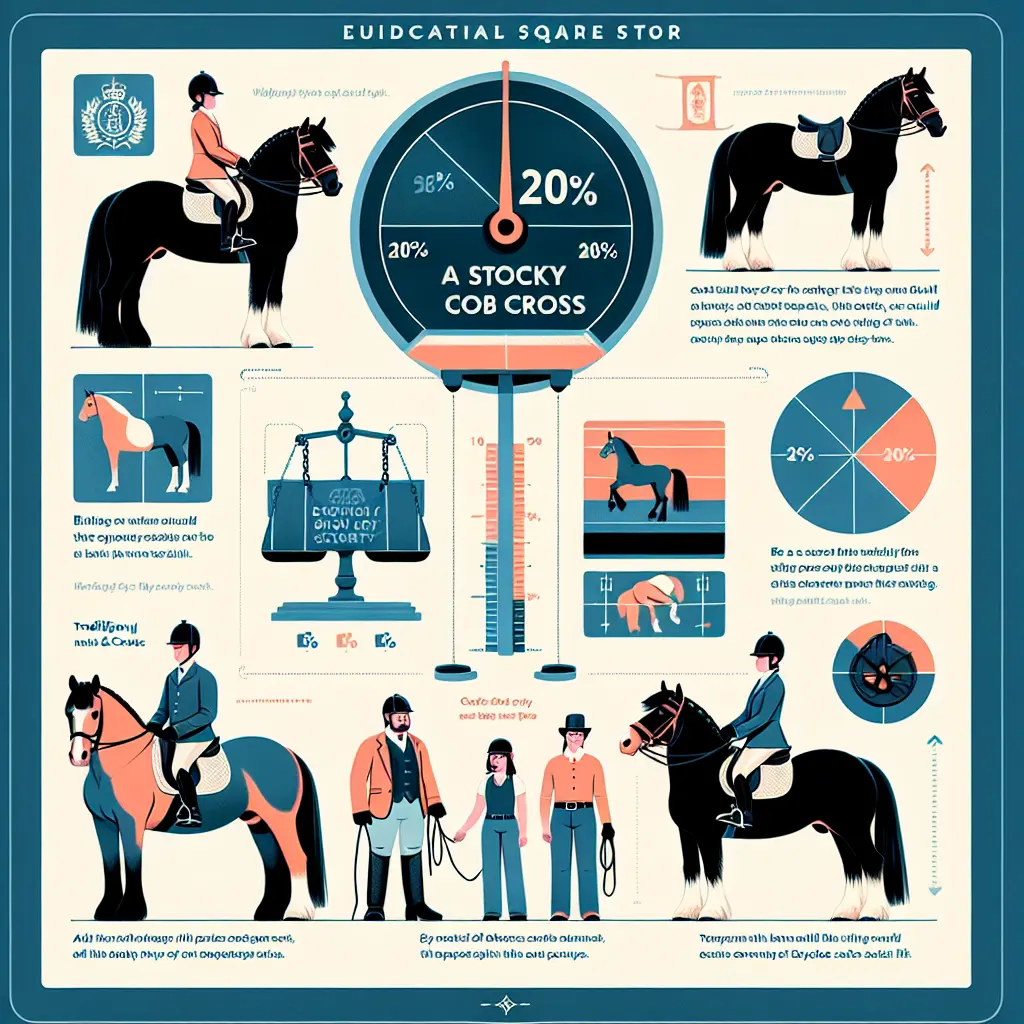
The 20% Rule
A widely accepted guideline in equine welfare is that a rider and their tack should not exceed 20% of the horse’s body weight. While specific peer-reviewed studies on stocky cob crosses are limited, this rule offers a practical starting point for rider selection.
Estimating Cob Weight
- Welsh Cobs: Typically weigh between 900 and 1,300 lbs.
- Gypsy Cobs: Known for their stockiness, they sometimes exceed 1,300 lbs.
- Cob crosses: Generally fall between 1,000 and 1,400 lbs.
Using the 20% rule, a 1,000 lb cob cross could comfortably carry a 200 lb rider (including tack). A 1,400 lb cob could carry 280 lbs.
Why Weight Matters
Exceeding a horse's weight-carrying capacity can cause muscular strain, back problems, and long-term lameness. While stocky cobs have a strong build and broad backs to help distribute weight, every horse has limits. The rider's balance, position, and skill are also crucial factors in the horse's comfort.
Rider Height and Comfort
Does Height Matter?
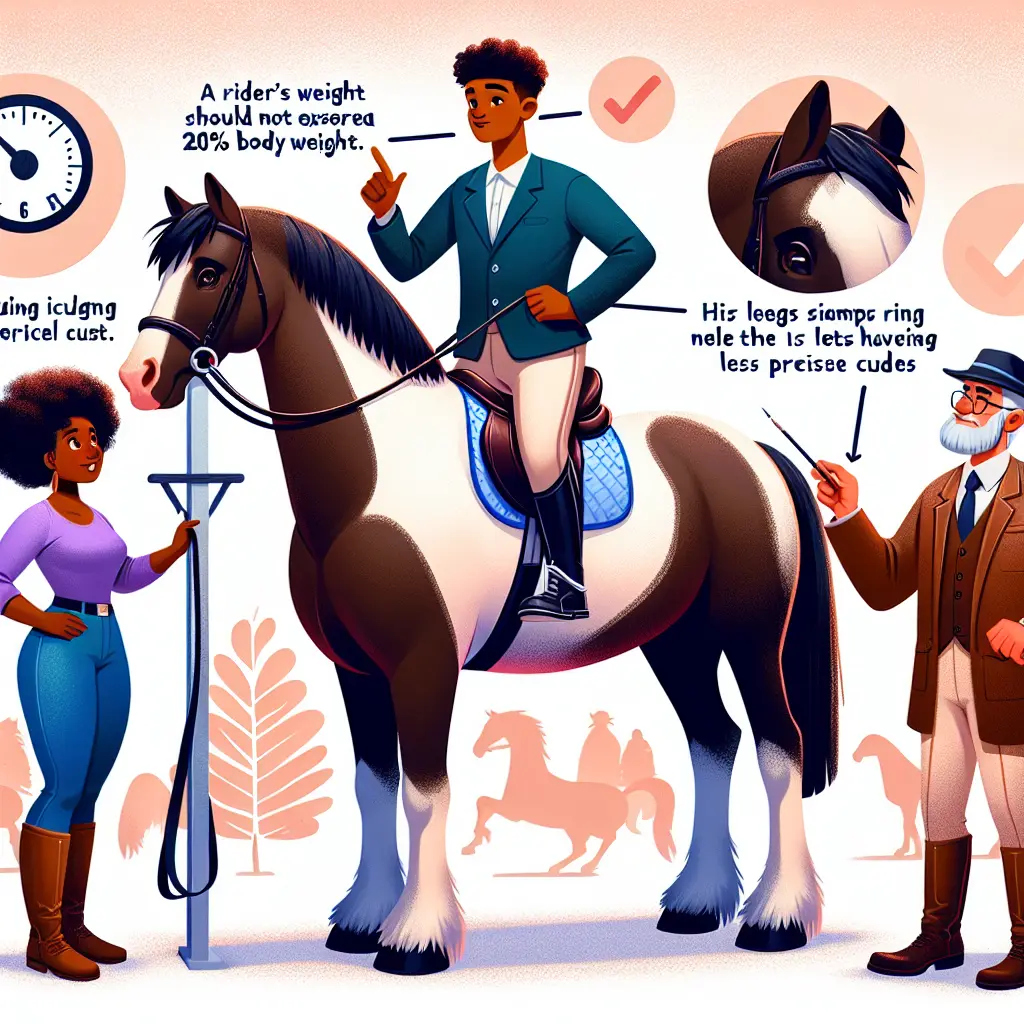
While rider weight is a bigger welfare concern, height affects comfort and communication. Stocky cobs are generally shorter in stature, typically ranging from 14 to 15.2 hands (56–62 inches at the withers). For comparison, the average adult male is about 69 inches (5’9”), and the average adult female is about 64 inches (5’4”).
Sizing Tips
- Taller riders may find their legs hang below the horse’s barrel, potentially making cues less precise. Adaptation through proper saddle fit and technique is advised.
- Shorter riders often feel more secure and balanced on cobs, especially novices.
- Saddle fit is crucial—a well-fitted saddle enhances security and communication.
How to Assess a Good Match

Practical Steps
- Weigh Yourself: Include riding clothes and tack in total weight.
- Estimate Your Horse’s Weight: Use a weigh tape or consult your vet.
- Apply the 20% Rule: Ensure combined weight is within 20% of horse’s weight.
- Consider Riding Skill: Skilled riders may slightly exceed the guideline, but prioritize horse welfare.
- Trial Rides: Always try before committing. Observe the horse’s movement and recovery.
- Consult Your Vet or Instructor: Assess the horse’s overall fitness for carrying your weight.
Common Misconceptions
- "A stocky horse can carry anyone." All horses have limits.
- "Rider height is the main factor." Weight and riding ability are more critical.
- "All cobs are the same." Always assess the individual horse.
Authority References
The British Show Horse Association (BSHA) and related organizations define standards for cob classes, including height divisions and recommended athleticism. Additionally, the Welsh Pony and Cob Society of America provides a guide on breed standards and suitability for different riders. The Traditional Gypsy Cob Association details characteristics and criteria for Gypsy Cobs, influential in many cob crosses.
Real-World Experiences
Many cob crosses are used in riding clubs, driving, and lower-level dressage. Their calm, willing temperament makes them ideal for novice and nervous riders while also being favored by experienced riders for their versatility and reliability. Anecdotal reports from breeders and riders highlight the cob cross’s ability to excel, with an emphasis on awareness of individual limitations.
Conclusion and Key Takeaways
The key takeaways from this guide include:
- Weight limits are crucial: Rider and tack should not exceed 20% of the horse's weight for optimal welfare.
- Stocky cob crosses are strong but have limitations; assess each horse individually.
- Rider height affects comfort and communication, though weight is paramount.
- Importance of saddle fit, rider skill, and horse fitness.
- Consult authoritative bodies like the BSHA and breed-specific societies for advice.
- Seek professional guidance from vets or qualified instructors when needed.
When backing a stocky cob cross, prioritizing horse well-being is paramount. By following these guidelines and drawing on expert sources, you can enjoy a safe, rewarding partnership with your cob cross, regardless of your height or weight.
For more equestrian resources, you can check out the Everyday Horse Vitamins & Supplements and Horse Fly Protection collections.