

How to Navigate and Overcome Suspensory Injuries in Horses for a Successful Ridden Career
Suspensory ligament injuries are a prevalent concern for horse riders across various disciplines. From racing to dressage, these ailments can significantly affect a horse's performance. Understanding, detecting, and managing these injuries early can help horses return to their optimal performance levels. This article delves into the nuances of suspensory injuries and outlines steps to ensure a successful equestrian journey.
Understanding the Suspensory Ligament: The Horse's Shock Absorber
The suspensory ligament (SL) acts like a spring in the horse's leg, stabilizing the fetlock joint and reducing energy costs during movement. Injuries can occur due to sudden overload, poor fitness, repetitive stress, or anatomical quirks. It is crucial for horse owners to distinguish this from 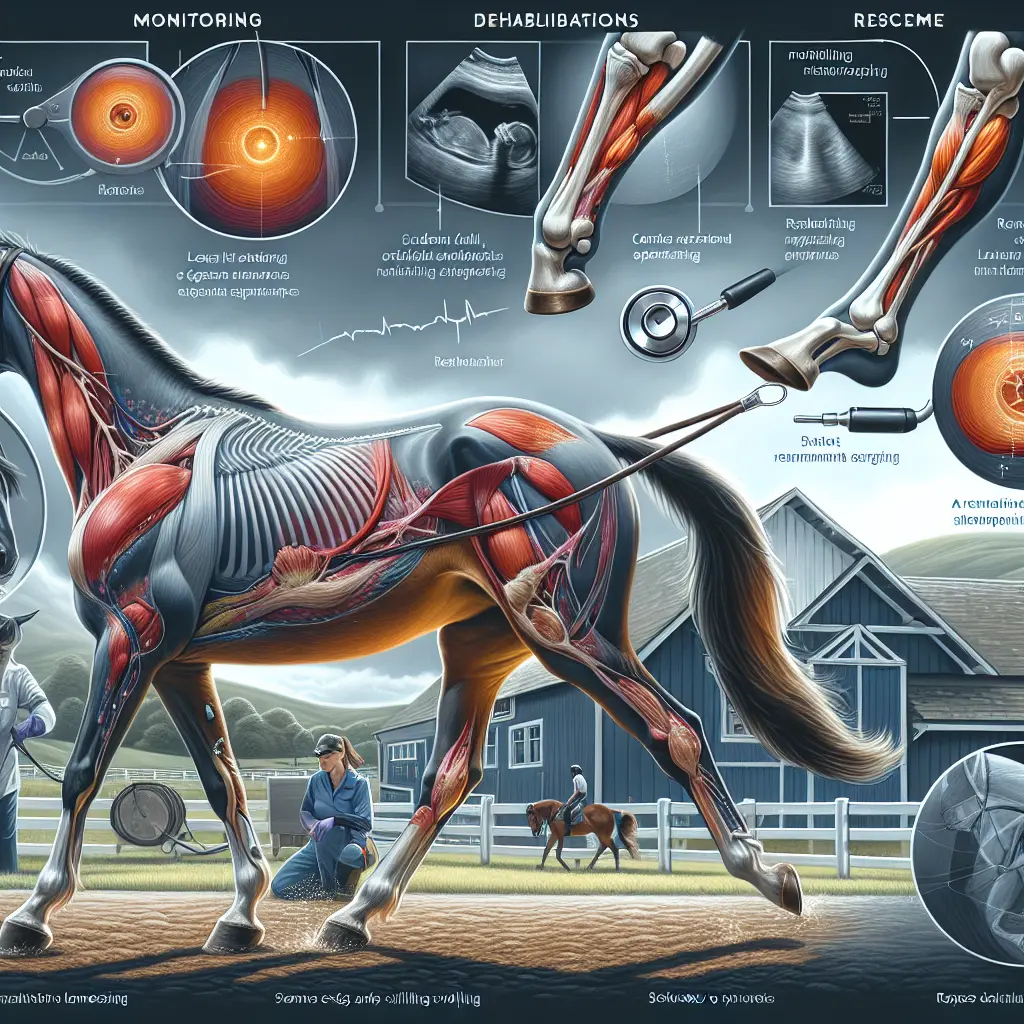 degenerative suspensory ligament desmitis (DSLD), a condition affecting multiple limbs that does not heal with rest.
Spotting Suspensory Injuries Early: Don't Wait for Lameness
Prevention starts with vigilance. Initial signs could be subtle lameness, swelling, or heat. Diagnosing early through lameness exams and ultrasounds is vital. When caught early, mild to moderate cases have significantly better recovery outcomes. For detailed examination, MRI or scintigraphy may be required for complex cases.
Treatment Options: From Rest to Cutting-Edge Therapies
Addressing the injury involves reducing inflammation, promoting ligament alignment, and rebuilding strength. Conservative treatments like rest and controlled exercise can be potent. Innovative therapies such as stem cells and platelet-rich plasma can expedite recovery, even in severe cases. 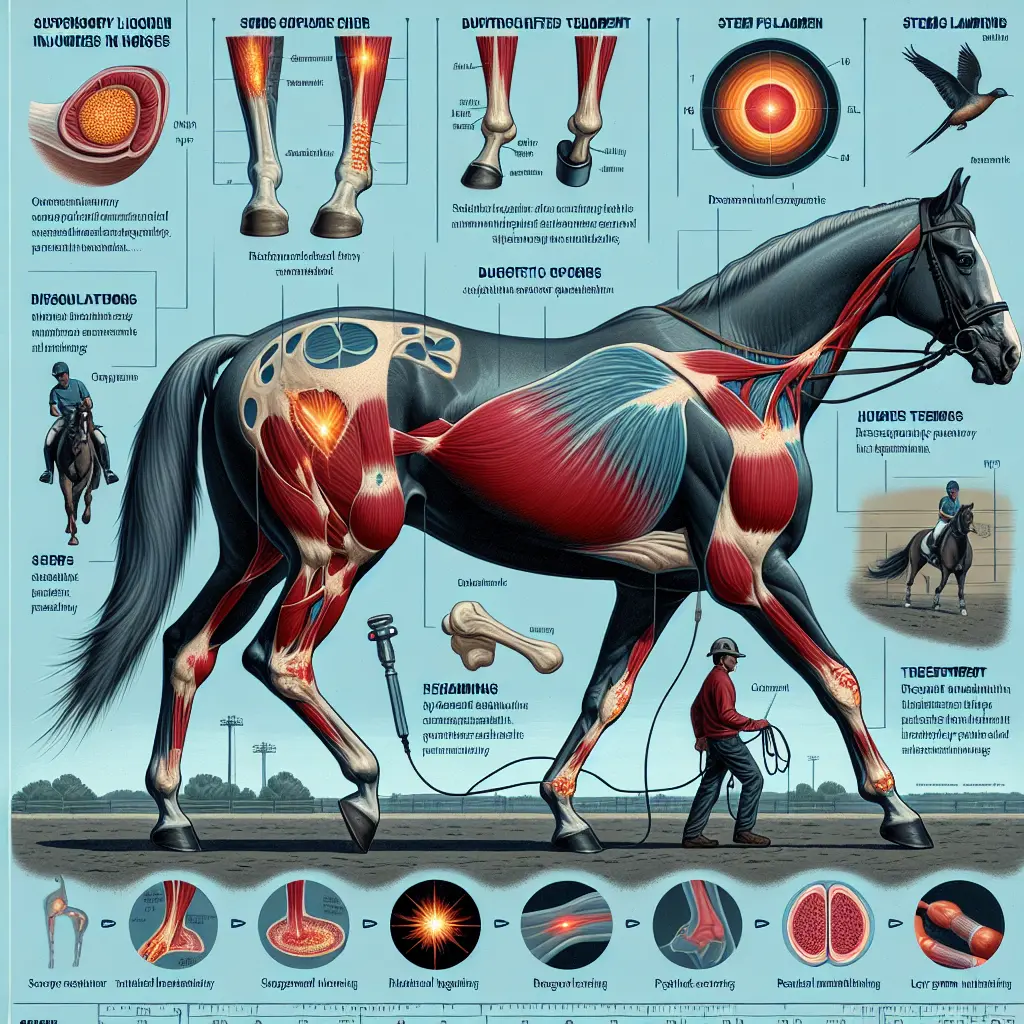
Conservative Treatment
- 6-12 months of rest and controlled exercise.
- Field turnout later in the rehabilitation process.
Regenerative Therapies
- Use of stem cells and PRP.
- Shockwave therapy for quicker recovery.
Rehabilitation Roadmap: Step-by-Step Back to Riding
Rehabilitation must be structured and phased to prevent reinjury. Here's a step-by-step guide:
- Phase 1: Acute rest, regular check-ups.
- Phase 2: Gradual controlled walking.
- Phase 3: Trotting with increasing complexity.
- Phase 4: Returning to saddle, resume riding discipline-specific activities.
Long-Term Success: Keeping Your Horse Sound for Years
Once your horse has successfully healed, maintaining the success involves matching fitness levels with workload and maintaining a balanced diet with appropriate supplements. Paying attention to genetic predispositions and adapting veterinary recommendations based on real-time performance data is crucial. Regular fitness audits and veterinary check-ups help safeguard against reinjury.
Even horses with previous failures or complex cases can recover fully with diligent care and cutting-edge therapeutic interventions. Consistent diagnosis and adherence to personalized rehabilitation protocols are the foundations of sustained equestrian success.
Through strategic rehabilitation, horses can defy the odds and resume rewarding competitive careers. Embrace early diagnostic tools, employ therapies informed by the latest research, and craft recovery stages tailored to each horse's unique needs. Your dedication will pave the way for a thriving equestrian partnership over the years.
Conclusion
Suspensory injuries can be daunting, but with awareness and the right tools, they are manageable. Early detection, proper treatment, and dedicated rehabilitation can restore your horse's full potential. Never underestimate the role of supportive equipment and supplements available at Just Horse Riders in ensuring a successful recovery and continued equestrian excellence.