

How to Manage and Train a Pushy Yearling: Tips and Techniques
Managing and training a pushy yearling horse can be a challenge, but with the right mix of patience, consistency, and understanding of equine behavior, you can channel their natural exuberance into good manners and cooperation. Yearlings, with their boundless energy and curiosity, often test boundaries as they grow. Applying effective techniques early on sets up a foundation for a safe and responsive horse.
Understand the Yearling’s Mindset
Yearlings, typically aged between one and two years, are at a stage of independence while still learning the social hierarchy—akin to their wild counterparts engaging in 'pecking order' games. They're receptive learners with fragile physical development, making gentle, consistent training paramount.
Key Techniques for Managing a Pushy Yearling
Establish Ground Manners Early
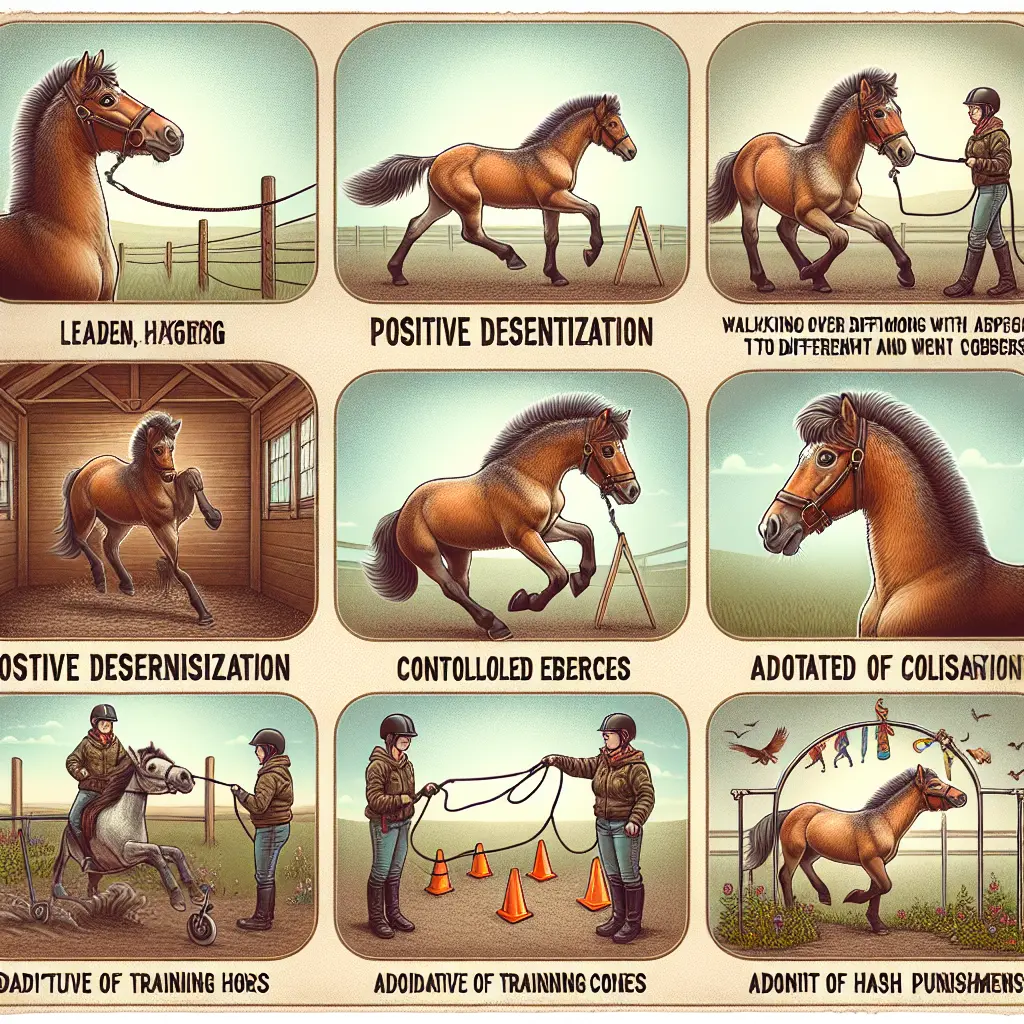
Begin with basic ground manners such as leading, haltering, and tying. Patience is key for pushy yearlings who might have skipped these lessons as weanlings. Reinforce walking politely beside you, stopping when asked, and yielding to pressure for calm behavior [2].
Use Positive Desensitization
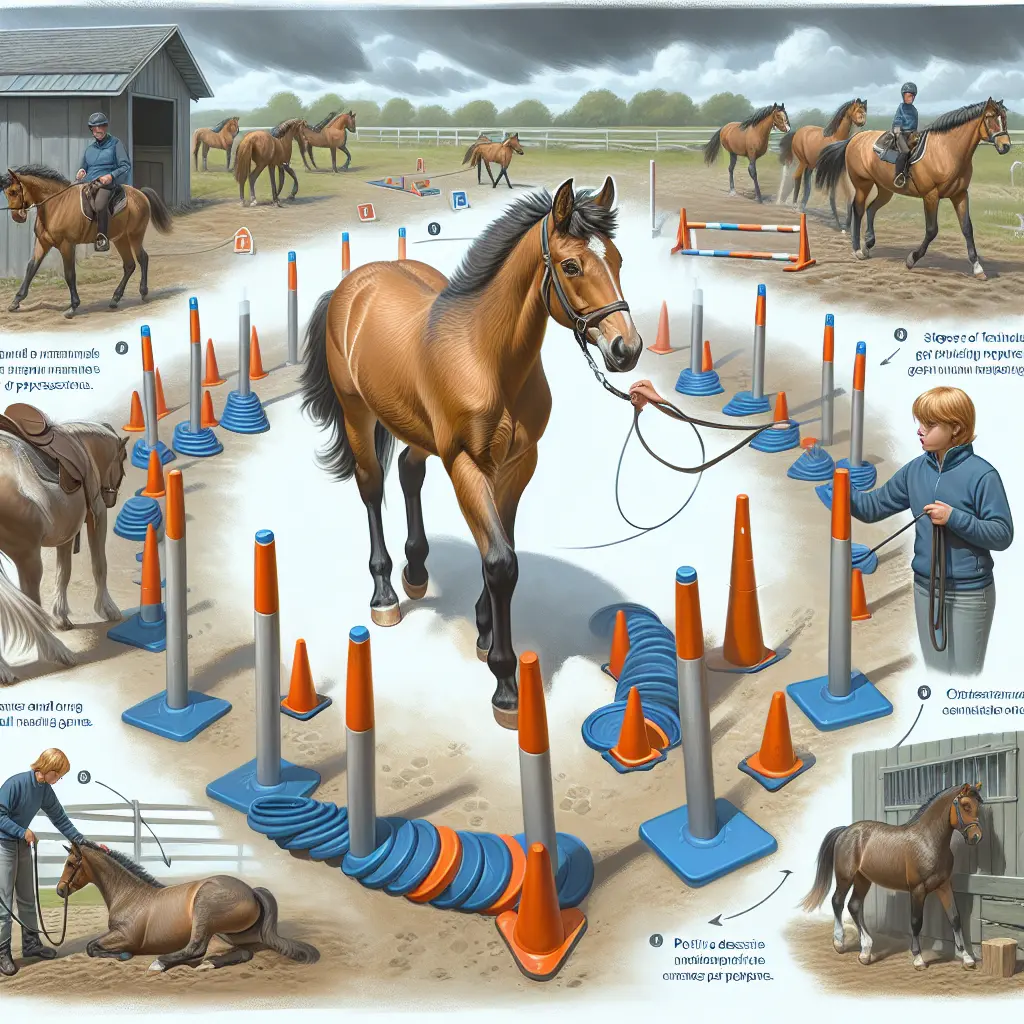
Pushiness often arises from fear or uncertainty. Gradual exposure to various stimuli—like plastic bags, tarps, or unusual objects—can desensitize the yearling and boost confidence. Gently rubbing a small pad or lightweight brushes relaxes the horse [4][5].
Introduce Controlled Exercises and Obstacles
Engage your yearling in low-impact activities, such as walking over bridges, tarps, and poles or weaving through cones. These exercises build their confidence, balance, and focus, reducing pushy tendencies. They also mentally stimulate the horse, cutting down on boredom-related misbehavior [2].
Play Natural "Prey Animal" Games in Moderation
According to Parelli Natural Horsemanship, engaging in the “Seven Games” with young horses taps into their natural learning instincts without physical stress. This approach helps teach leadership and trust in a fun way that suits energetic yearlings [3].
Consider Castration for Colts
If dealing with a colt (intact male), consider early castration. Geldings typically have calmer temperaments, which ease handling and training. Many handlers note a significant positive behavioral change following surgery [1].
Regular Exposure to Different Environments
Introducing your yearling to new environments via transport can socialize them, strengthen their immune system, and reduce stress. This helps create a well-rounded, less pushy horse as they mature [2].

Important Considerations
- Avoid physical punishment or harsh methods; these damage trust and increase pushiness.
- Avoid overworking young horses—their developing bones and joints require moderate, positive training sessions that are more effective and safer [3].
- Consistency is key, but be flexible in your approach, adapting to your yearling’s temperament.
- Consult a veterinarian regarding vaccination schedules and castration timing to ensure health and behavioral benefits [1].
Conclusion
Training a pushy yearling means establishing a groundwork of respect, confidence, and communication through gentle, consistent techniques. By setting up good ground manners, utilizing desensitization, incorporating engaging obstacles, and considering castration, you can transform a rambunctious young horse into a manageable partner. The effort pays off, leading to a safer and more enjoyable relationship with your horse.
For more in-depth guidance on training yearlings and managing pushiness, consider resources like EquiSearch's article on Yearling Training and methods from Passionate Horsemanship and Parelli Natural Horsemanship, which offer practical advice grounded in equine psychology and welfare [1][2][3].
Explore our Jodhpur Collection or visit our Horse Riding Boot Collection to equip yourself with the best for your equestrian journey.