

Exploring the Legal and Ethical Implications of Horse Loan Agreements: Lessons from a Tragic Incident
The world of horse loan agreements is rife with legal and ethical nuances that protect both the lender and the borrower. With potential risks lurking at every corner, understanding these agreements is essential for anyone involved in the equestrian world. This blog will dive into the intricacies of horse loan agreements, highlighting a tragic incident that underscores the importance of clear communication and ethical considerations.
Understanding Horse Loan Agreements: The Basics

A horse loan agreement is a legally binding contract where an owner lends their horse to someone else, often for no financial compensation, in exchange for care and usage. Ownership remains with the lender, and the loanee takes on daily responsibilities. Detailed terms covering veterinary care, expenses, and usage are crucial to mitigate potential disputes (source, source).
Key Elements to Consider
According to equine law experts, the agreement should include the duration of the loan, a detailed description of the horse, usage rules, care responsibilities, financial obligations, and clauses for termination and disputes. Customization to fit specific circumstances is advised, as generic templates often fall short in particular cases (source, source).
The Importance of a Trial Period
To ensure compatibility, a trial period ranging from 14 to 30 days can be beneficial. This allows both parties to evaluate the arrangement without committing to a long-term contract. Comprehensive documentation and clarity in expectations are crucial to avoid disagreements.
A Tragic Incident: When Agreements Fail
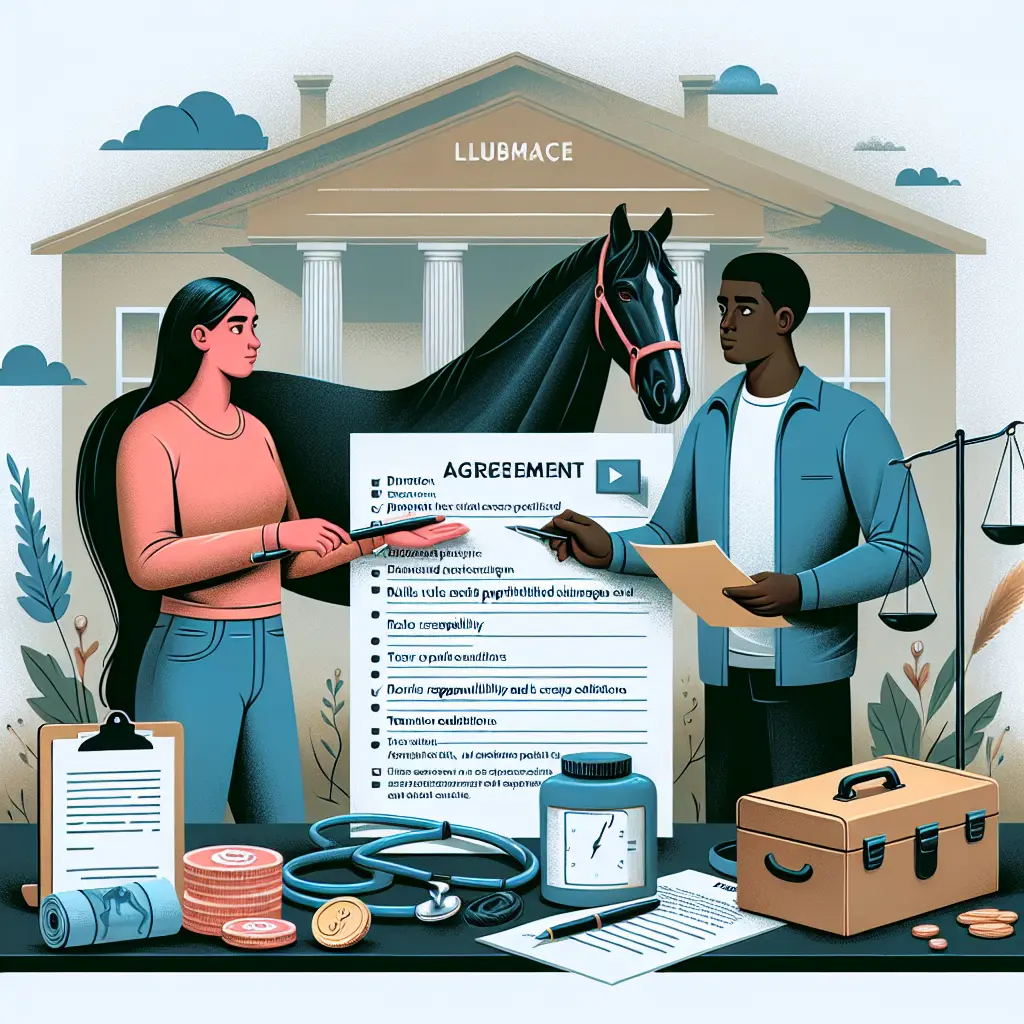
In 2023, a United Kingdom-based showjumper suffered a fatal colic due to ignored feeding protocols and delayed veterinary care. Despite the owner's successful lawsuit for damages since the agreement laid out clear responsibilities, the horse's death revealed ethical oversights that contracts alone couldn't prevent (source, source).
Common Pitfalls
This case isn't isolated. Equine solicitors frequently handle disputes stemming from poor communication or misunderstandings, with litigation costs often running between £10,000 and £20,000 on average (source). Ethical considerations, while not legally binding, play a crucial role in ensuring a successful loan arrangement.
Legal Implications: Protecting All Parties
Horse loans primarily revolve around contract law. Breaching the terms, such as unauthorized breeding or sale attempts, can nullify the agreement and lead to replevin, demanding the return of the horse. Importantly, the horse's passport doesn't signify ownership transfer, acting as a safeguard against fraudulent sales (source).
The Need for Insurance
Insurance is indispensable in these agreements. Third-party liability covers injuries to people or property, while comprehensive equine insurance addresses vet bills. Lack of insurance led to 25% of disputes in one equine law firm's caseload (source, source).
Understanding Legal Risks
Legal risks can emerge from various sources, such as breaches in care standards or unauthorized uses. Fortunately, detailed agreements can mitigate these issues effectively by specifying routines, responsible parties, and clear prohibitions.
| Legal Risk | Common Cause | Mitigation |
|---|---|---|
| Breach of Care | Disputed vet bills | Specify care routines and responsibilities |
| Unauthorized Use | Illegal breeding | Explicit usage prohibitions |
Ethical Considerations: Beyond the Contract
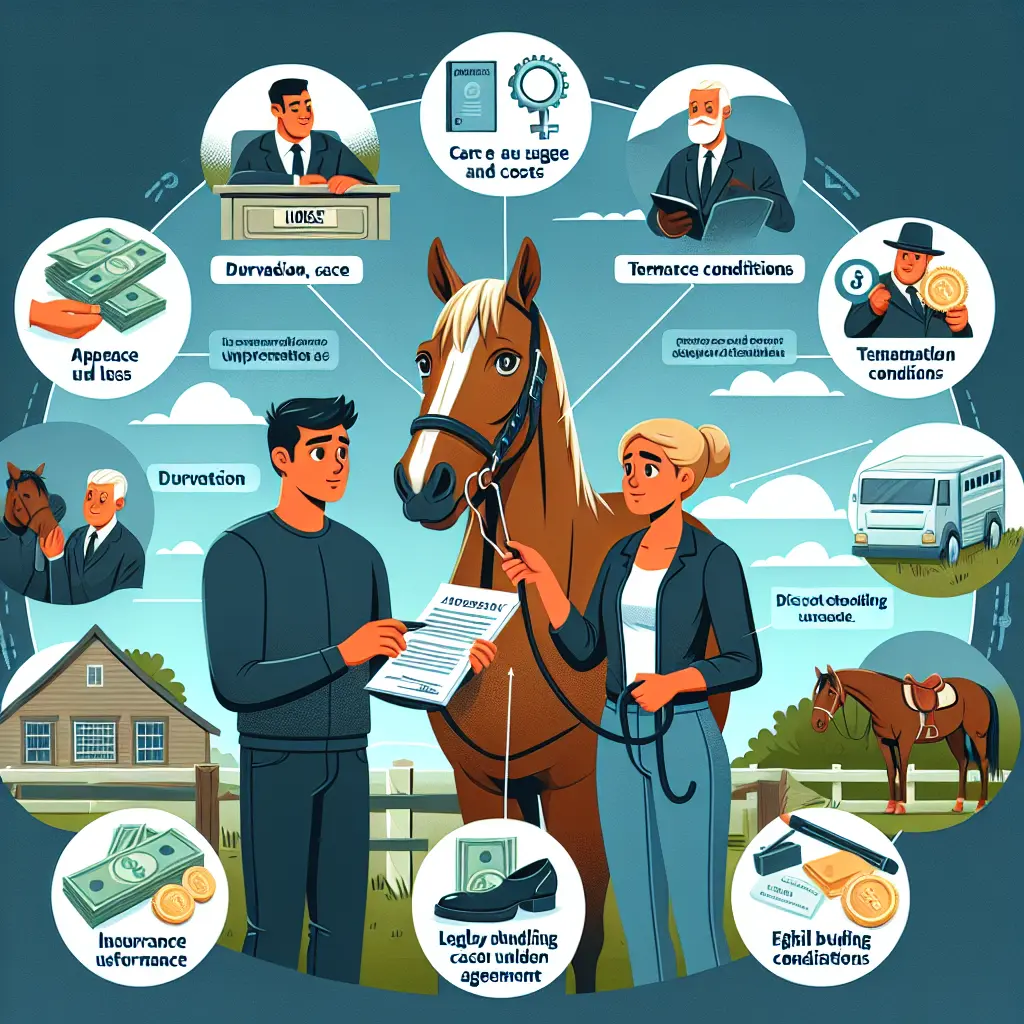
Ethical considerations extend beyond legal confines, emphasizing trust and welfare partnerships. Owners should thoroughly vet potential loanees and establish regular reviews to adapt to health and care changes. 30% of equine welfare calls involve loaned horses, highlighting neglect as a continued issue (source).
Avoiding Overuse
Agreed work levels are often exceeded, leading to avoidable lameness in 15-20% of reported cases. It's essential to uphold activity restrictions outlined in the contract, considering the horse's well-being at all times (source).
Best Practices to Avoid Tragedy
Several best practices can help avoid incidents like the aforementioned tragedy. Here's a rundown:
Customization and Legal Consultation
Using templates, like those from the British Horse Society, is a good start, but involving an equine solicitor is critical for high-value horses. This ensures that all legal bases are covered with tailor-fit agreements.
Trial and Vetting
A trial period of 2-4 weeks, coupled with checking the loanee's history and references, can identify potential issues early and reinforce trust between parties.
Comprehensive Insurance
A strong recommendation is having both third-party and equine insurance, ensuring that all eventualities are covered, and both parties are safeguarded from unforeseen costs.
Frequent Reviews
Quarterly check-ins maintain compliance and ensure that both parties are adhering to their responsibilities, enabling quick detection, and resolution of any problems.
Conclusion: Key Takeaways for Owners and Loanees
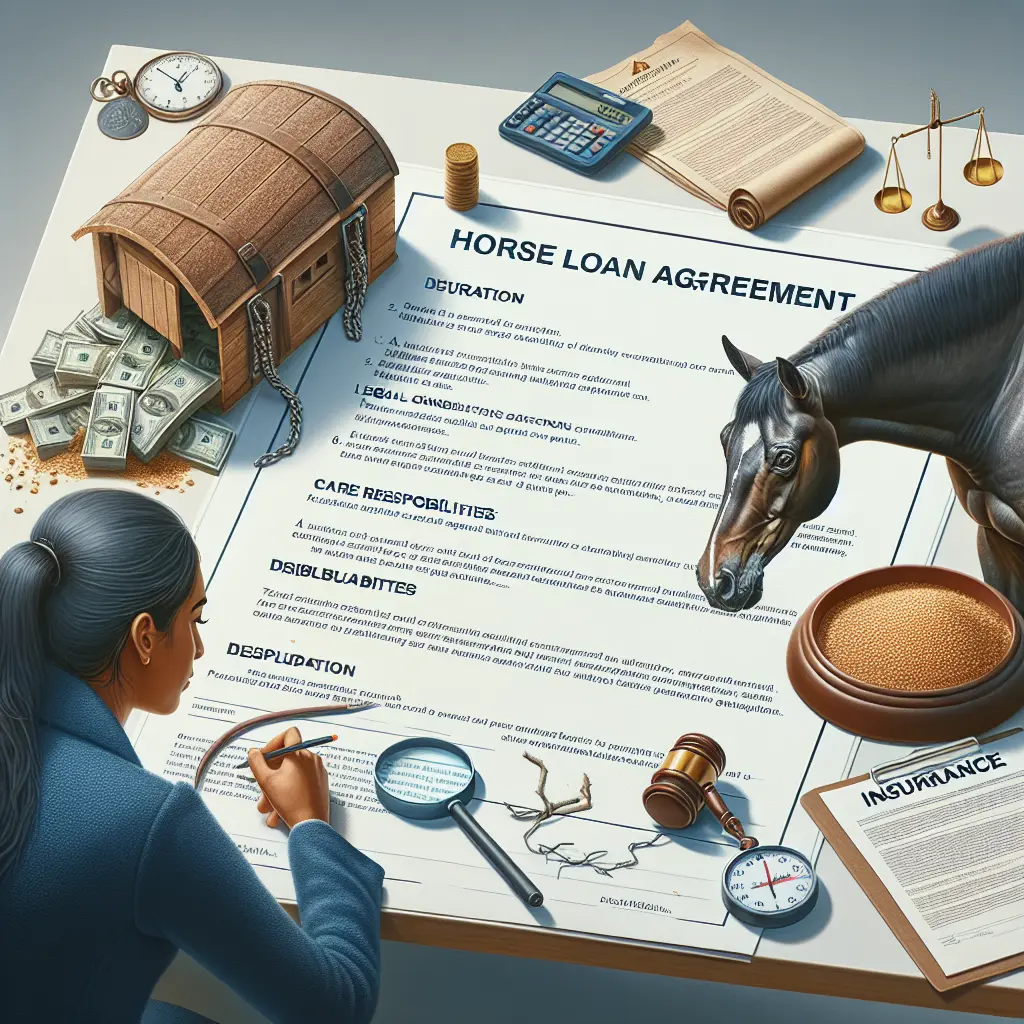
Horse loan agreements provide essential legal and ethical frameworks, yet true protection derives from strong communication, trust, and a steadfast focus on the horse's well-being. Incorporating both robust contractual obligations and an ethical backbone can reduce risks and foster harmonious partnerships. Consult experts early in the process—your horse's welfare is in your hands, and taking these steps can lead to successful, long-term agreements.